Linen Spray vs Room Spray: What Actually Works?
Evangelize


November 20, 2026
Your bedroom can look like a magazine spread and still smell like a haunted gym bag. That is where the linen spray vs room spray question gets real: are you trying to make the air smell prettier for ten minutes, or deal with the demon living in the fabric?
They are not the same product, even when the bottle, scent name, and influencer shelfie suggest otherwise. Linen spray is meant for textiles. Room spray is meant for the air. And if the problem is an actual bad odor – pet funk, cooking residue, stale sweat, damp towels, mystery couch stench – neither category deserves a free pass unless it can do more than perfume the crime scene.
Linen Spray vs Room Spray: The Real Difference
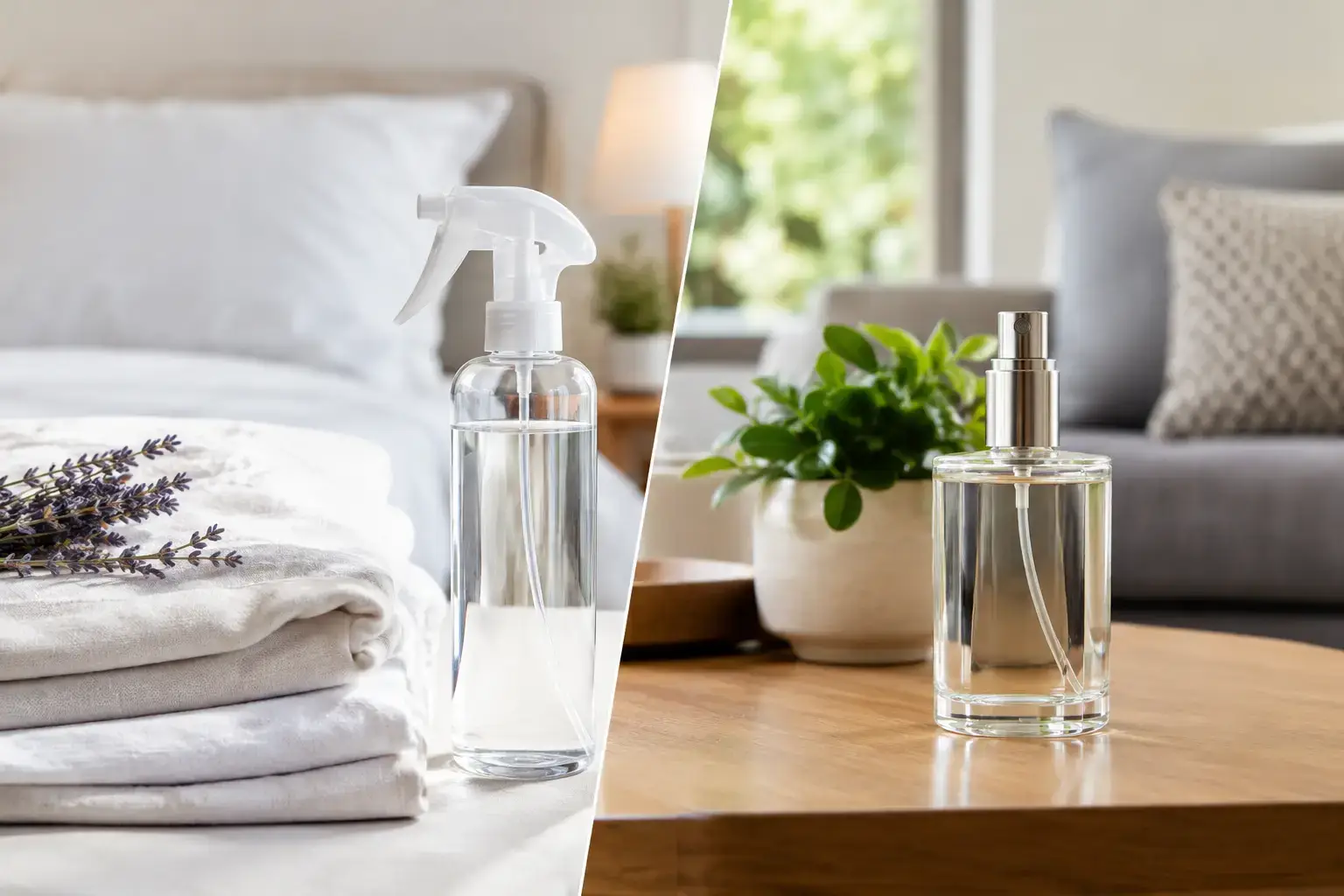
A linen spray is designed to be misted onto fabric surfaces such as sheets, pillowcases, blankets, curtains, upholstery, and sometimes clothing. Its job is usually to leave a light scent behind and make clean textiles feel freshly laundered between wash days. Think of it as atmosphere for the things you touch and sleep on.
A room spray is intended to scent the air in a space. One or two sprays can change the immediate feel of a bathroom, entryway, bedroom, or guest room. It is the quick fix before company arrives, after cooking fish, or when you need your apartment to smell less like your roommate’s heroic attempt at meal prep.
The distinction matters because fabric holds odors. Air moves on. If your sofa absorbed wet-dog smell, spraying the room might create a brief floral truce, but the upholstery remains the haunted source. Once the scent fades, the odor has all the confidence of a sequel nobody asked for.
What Linen Spray Is Best For
Linen spray shines when the fabric is already clean but could use a sensory reset. A light mist on sheets before bed can make the room feel calmer. A few sprays on curtains or a throw blanket can revive a stale-feeling space. It can also be useful for guest bedding, luggage, closets, and clothing that needs a gentle refresh before you head out.
But “linen” is not a magical permission slip to spray every textile with abandon. Delicate fabrics, silk, leather, suede, and items with water-sensitive dyes need extra caution. Test an inconspicuous area first, keep the bottle at a distance, and let the item dry fully. Do not soak your pillows as if you are baptizing them into the Church of Lavender.
Traditional linen sprays also tend to be scent-first products. That is not automatically bad. Sometimes all you want is clean-smelling sheets. The trade-off is that fragrance alone may not remove the odor molecules embedded in fabric. It can simply layer a pleasant note over them – a scented veil over the sins of laundry past.
What Room Spray Is Best For
Room spray works best for a quick atmospheric change. Use it in a bathroom after a shower, in the living room before guests arrive, or in a bedroom that feels a little stale after being closed up all day. Because it disperses into the air, it can deliver an immediate scent experience without touching your furnishings.
That convenience comes with a catch. A room spray is rarely enough for persistent odor sources. If the garbage can reeks, the rug is musty, or the dog bed is carrying an ancient curse, spraying the air only treats the symptom. Ventilate the room, clean the source, and use a product meant to neutralize odors on the affected surface.
Also, go easy. More spray does not equal more fresh. It can equal a headache, a cloud of synthetic perfume, and the strange sensation of being trapped inside a department-store candle aisle. A good room spray should be noticeable, not weaponized.
Scent Masking vs Odor Elimination
This is the part most air-care brands would prefer you not inspect too closely.
Scent masking means adding fragrance that competes with an unpleasant smell. It is like putting a tuxedo on a raccoon. The presentation changes, but the raccoon is still in your house. Masking can be perfectly fine for a clean room that just needs a mood shift. It is not the same thing as removing the odor.
Odor elimination or neutralization aims to address the odor itself rather than merely covering it. For homes with pets, kids, workout gear, cooking smells, damp laundry, old upholstery, and shoes that could qualify as biohazards, that difference is a big deal. The best approach often starts with cleaning or laundering, then follows with an odor-neutralizing spray where the smell is living.
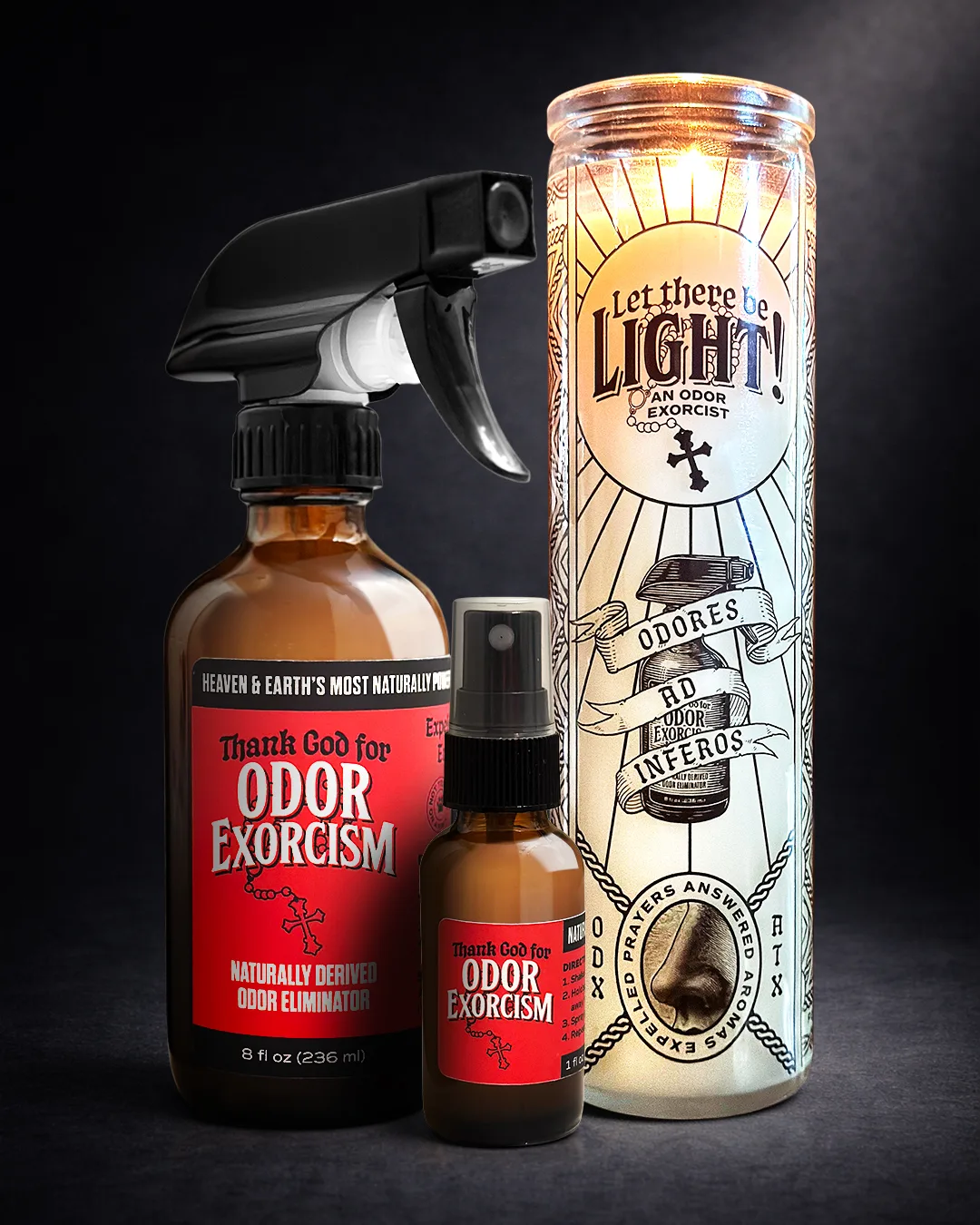
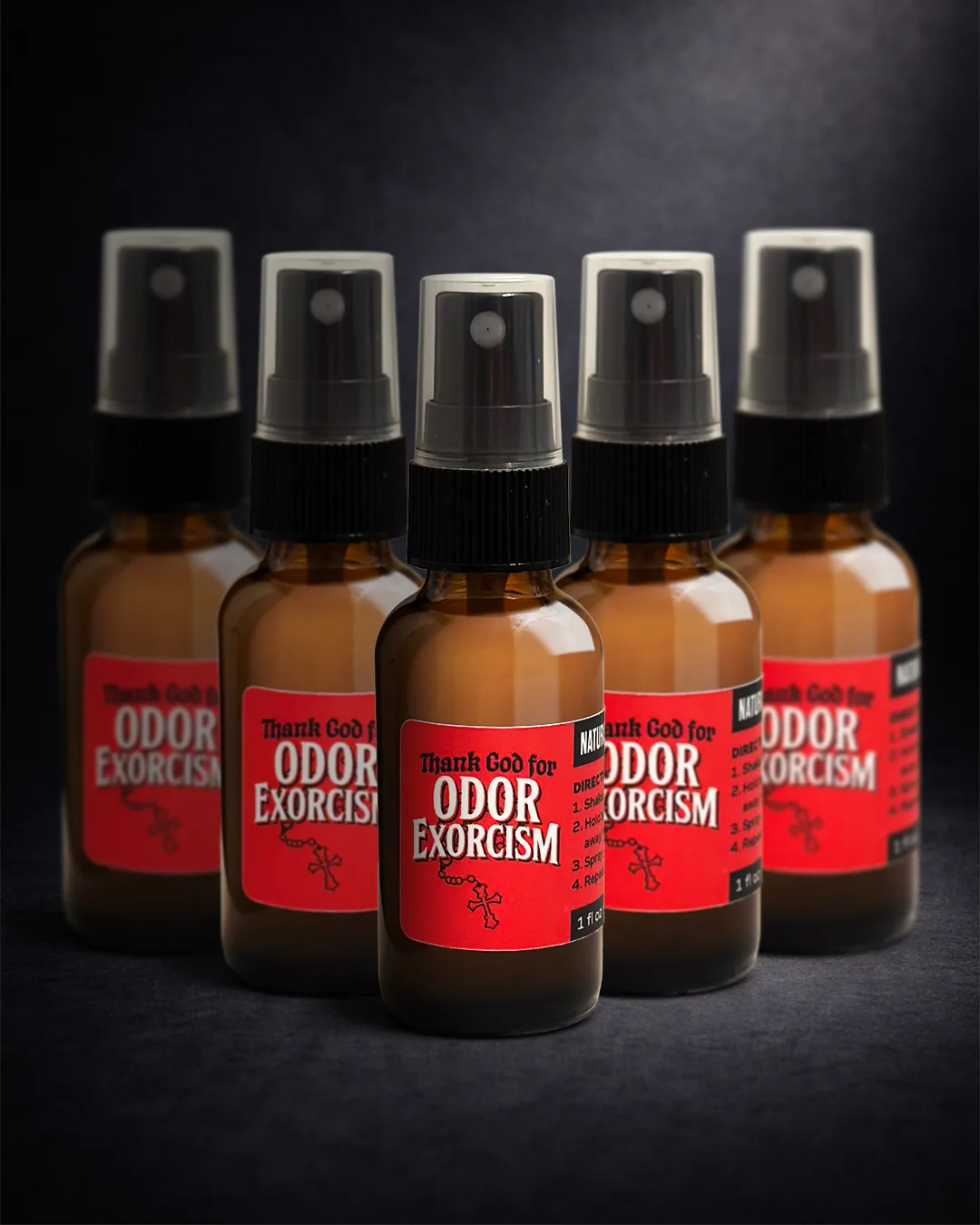
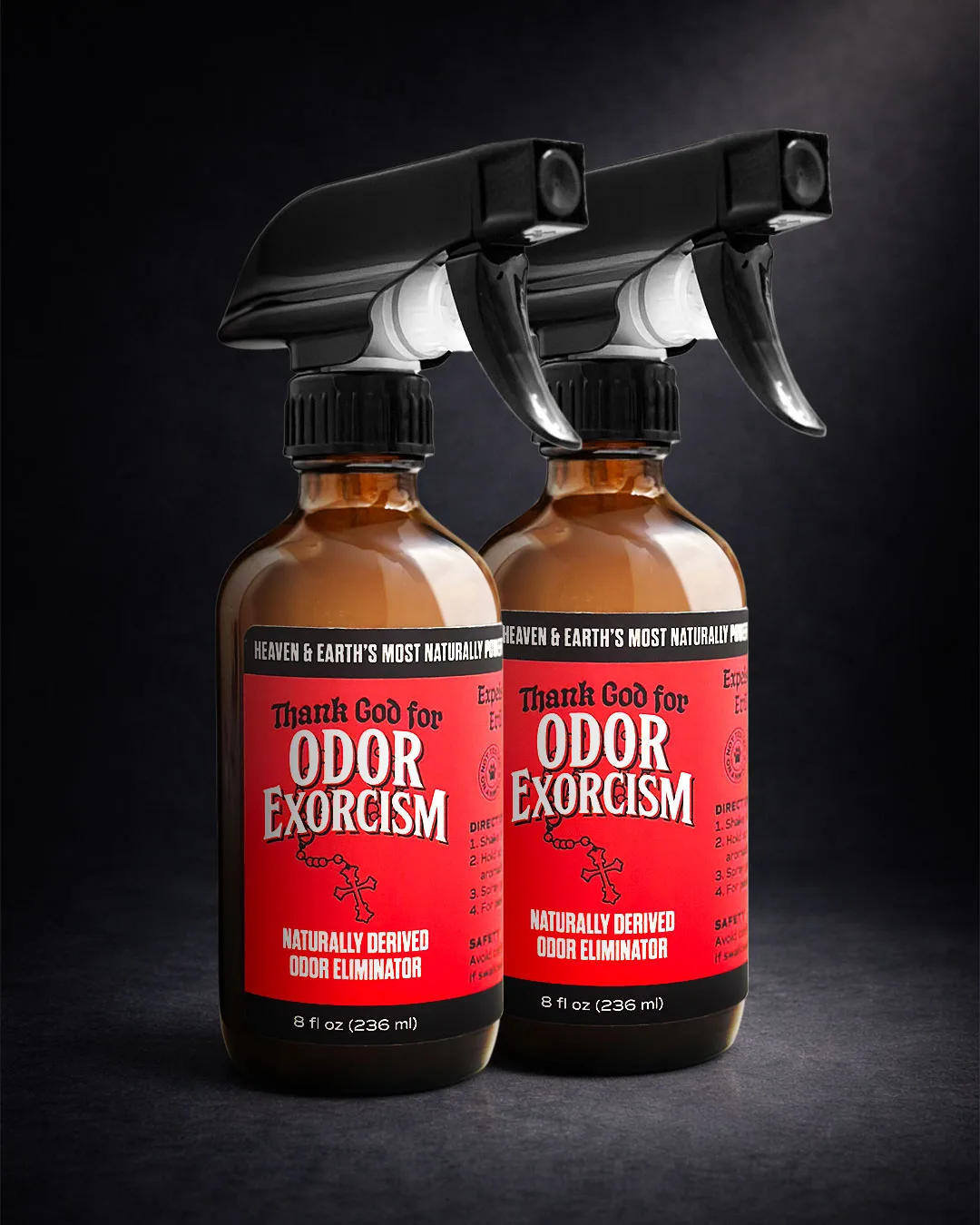
This is why a multi-surface odor eliminator can be more useful than keeping separate sprays for every tiny household emergency. A product formulated for soft and hard surfaces can help with bedding, carpets, upholstery, shoes, wood, plastic, and other everyday offenders. Odor Exorcism takes that approach with naturally derived, essential-oil-based odor elimination instead of leaning on a synthetic-fragrance fog machine.
Which Spray Should You Use Around Bedding?
For bedding that is freshly washed, a linen spray is the obvious choice if you want a soft, comforting scent before sleep. Keep the application light, especially if you have sensitive skin or prefer unscented sleep spaces. Let sheets dry before getting into bed, and avoid spraying directly onto your face, eyes, or skin.
For bedding that smells genuinely sour, sweaty, musty, or pet-adjacent, skip the theatrical cover-up. Wash it according to the care label. If an odor lingers between washes or has settled into a duvet, mattress cover, or fabric headboard, use an odor eliminator that is labeled for that surface, then allow adequate drying time.
The same logic applies to pillows. A pleasant linen spray can make a pillow feel inviting. It cannot replace laundering a washable pillowcase or addressing the reason the pillow itself smells off. No amount of eucalyptus can absolve a pillow that has been through three flu seasons and a midnight snack era.
A Better Way to Freshen a Room
When a room smells bad, identify the source before you reach for fragrance. Is it stale air? Open windows if weather allows. Is it the trash? Take it out and wipe the bin. Is it fabric? Treat the rug, sofa, curtains, pet bed, or laundry pile directly. Is it moisture? Dry the area and investigate why it is damp.
Then choose the spray based on the job. Room spray is for a quick scent lift in the air. Linen spray is for clean textiles that need a little charm. Odor eliminator is for surfaces carrying an actual smell. There is overlap, sure, but treating all three as identical is how people end up with a lemon-scented hamper that still smells like defeat.
Ingredient-conscious households may also prefer to avoid heavy synthetic fragrance, particularly in bedrooms, nurseries, small apartments, and rooms with limited airflow. “Natural” does not mean you should ignore directions, though. Essential oils and fragrance ingredients can still bother sensitive people, and pets can have sensitivities too. Follow the label, use sprays in a ventilated area, and ask a veterinarian before using fragranced products around animals with known respiratory issues.
The Verdict: It Depends on the Problem
Choose linen spray when your sheets, blankets, or curtains are clean and you want them to smell inviting. Choose room spray when the air needs a quick personality adjustment before guests arrive. Choose an odor-eliminating surface spray when the smell has attached itself to something and refuses to leave peacefully.
There is no shame in wanting a home that smells beautiful. Just do not let pretty fragrance distract you from the actual culprit. Evict the odor first, then bring in the scent like the final blessing after the exorcism.