Are room sprays safe for pets?
Evangelize


June 9, 2026
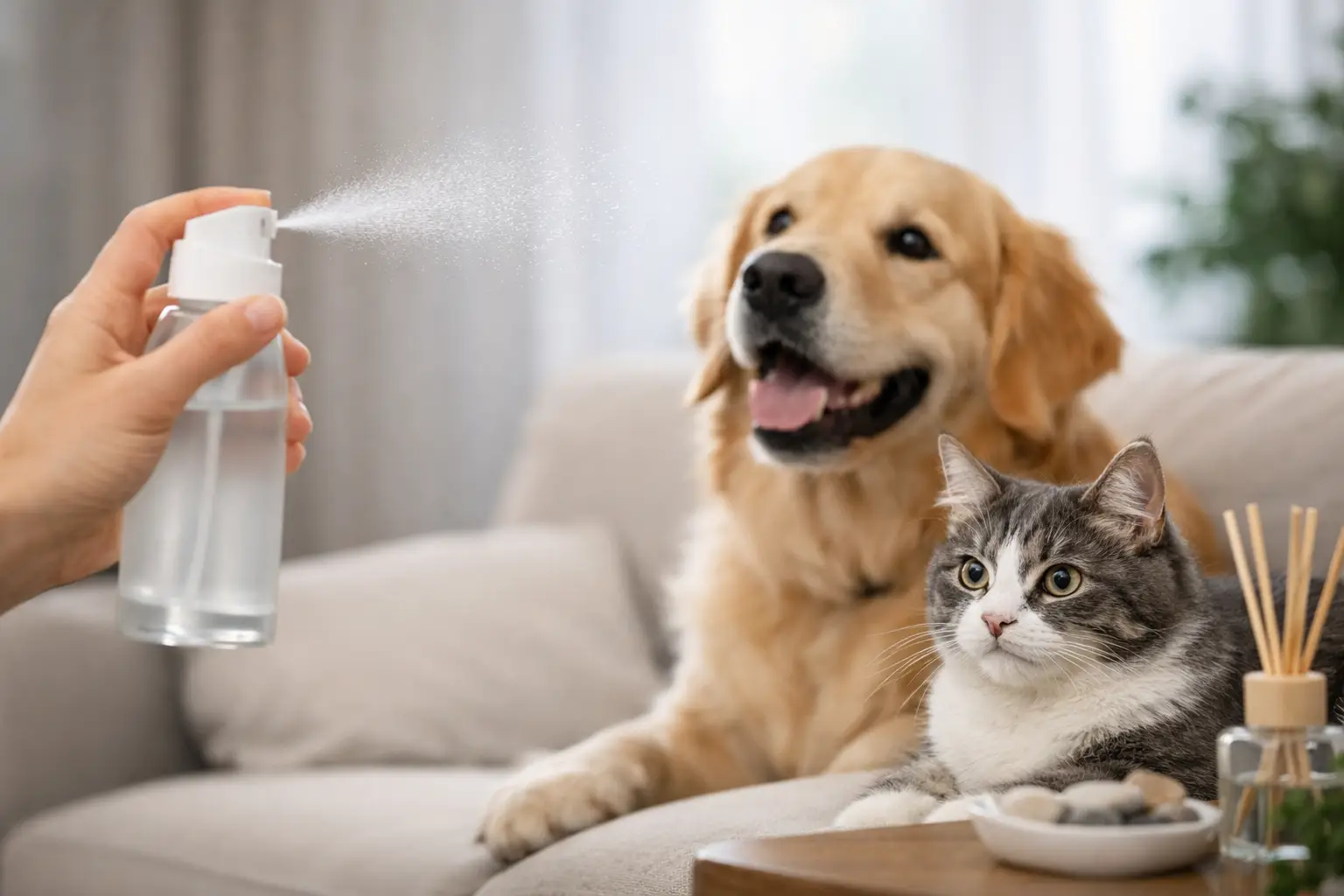
Your dog is asleep on the rug. Your cat has claimed the windowsill like a tiny dictator. Then somebody sprays a cloud of “fresh linen” into the room and suddenly the question gets real: are room sprays safe for pets? Sometimes yes. Sometimes absolutely not. And the difference usually comes down to what is in the bottle, how much gets sprayed, and whether your pet is the kind of furry goblin who licks every surface in the house.
Are room sprays safe for pets, or just less awful than candles?
Pet safety is where a lot of air care products start looking sketchy. Plenty of conventional room sprays are built to make a room smell cleaner, not actually be cleaner. That often means heavy synthetic fragrance blends, mystery ingredients hidden under the word “fragrance,” and aerosolized particles your pets breathe right along with you.
Pets are not just smaller people with better hearing and worse boundaries. They live closer to carpets, bedding, upholstery, and floor-level air, which is exactly where sprayed residue settles. Cats groom obsessively, so whatever lands on fur can end up swallowed later. Dogs may not have the same elegance, but they make up for it with enthusiasm and a complete lack of personal standards.
So the broad answer is this: room sprays can be safe for pets, but only when the formula, application, and ventilation all make sense. In other words, you deodorizing pet smells should start with a natural odor eliminator spray, be used carefully, and your pet should always have the freedom to leave a deodorized room behind. Blindly assuming every spray marketed as clean, natural, or botanical is safe is how household scenting turns into a minor exorcism.
What makes a room spray risky for pets?
The biggest issue is not scent itself. It is exposure.
If a product fills the air with strong volatile compounds, hangs around in enclosed rooms, or leaves residue on surfaces your pet touches, risk goes up. Aerosol propellants can be irritating. Strong synthetic fragrance can trigger coughing, sneezing, watery eyes, or general respiratory drama. Some ingredients that seem harmless to humans can be tougher on cats and dogs, especially in concentrated form.
Cats deserve special mention here because their livers process certain compounds differently than ours do. That is one reason essential oils get so much scrutiny around cats. The problem is not always a trace amount in a finished product. The real red flag is often high concentration, direct use, poor dilution, or continuous exposure through diffusers and heavily fragranced sprays.
Dogs can react too, especially if they have asthma, allergies, or existing respiratory issues. Birds are even more sensitive, though that is a separate level of household vigilance entirely.
Ingredients worth side-eye
If you are trying to judge whether a room spray belongs in a pet home, read the label like a suspicious little gremlin.
Synthetic fragrance blends are one of the biggest question marks because they can contain many compounds without spelling them out individually. That does not automatically mean danger, but it does mean you are being asked to trust a black box. For ingredient-aware households, that is not a great love story.
Aerosol sprays can also be rough because they create a fine mist that stays airborne longer. The longer a product lingers in the breathing zone, the more your pet inhales. That is especially relevant in small apartments, closed bedrooms, and homes where the “ventilation plan” is just hoping for the best.
Essential oils are trickier. They are not automatically good just because they come from plants. Natural can still be potent. Oils like tea tree, eucalyptus, clove, cinnamon, citrus, peppermint, and pine get flagged often in pet safety discussions, particularly for cats and with direct or frequent exposure. A finished room spray with a mild, well-formulated amount is different from dumping essential oil into a diffuser like you are seasoning a cast iron pan. Dose matters. Delivery method matters. Species matters.
That is why blanket statements are useless. “All essential oils are toxic” is sloppy. “If it is natural, it is safe” is even sloppier.
How to tell if a room spray is more pet-friendly
A better room spray usually does a few things right. It avoids the fake-perfume wallop that punches you in the face from across the room. It uses transparent ingredients. It is meant to neutralize odor instead of staging a floral cover-up over pet funk, cooking smells, and whatever died mysteriously in the laundry hamper.
Look for non-aerosol formulas and clear ingredient communication. If a brand acts like the label is classified by the federal government, move on. If the scent is strong enough to make your own eyes burn, your pet probably is not thrilled either.
It also helps to think about where the spray is going. Air-only spraying is one thing. Spraying bedding, couches, rugs, or pet-adjacent surfaces is another because residue sticks around. A safer approach is a light application to household fabrics and surfaces after checking that the formula is intended for those areas and allowing it to dry fully before pets pile back in.
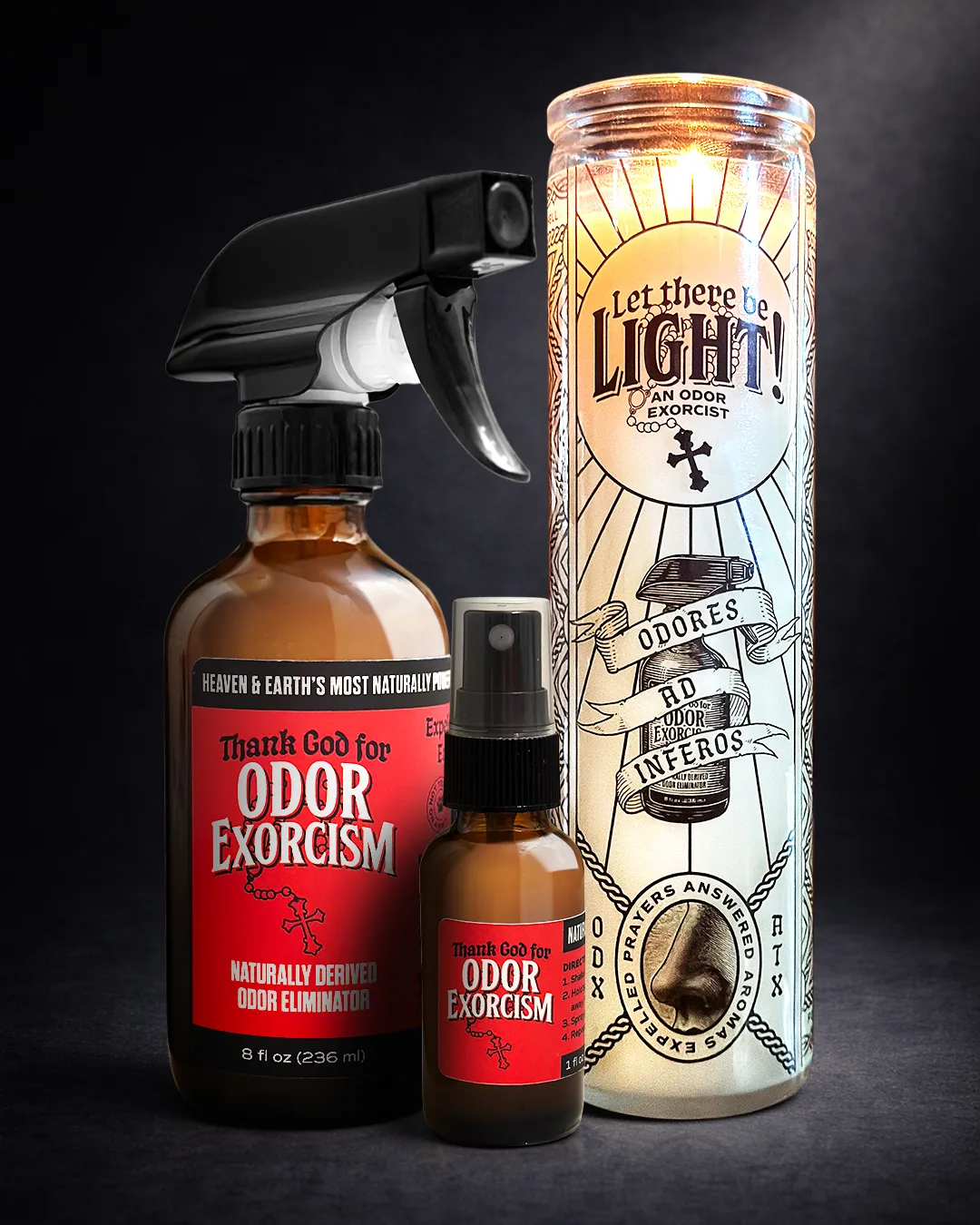
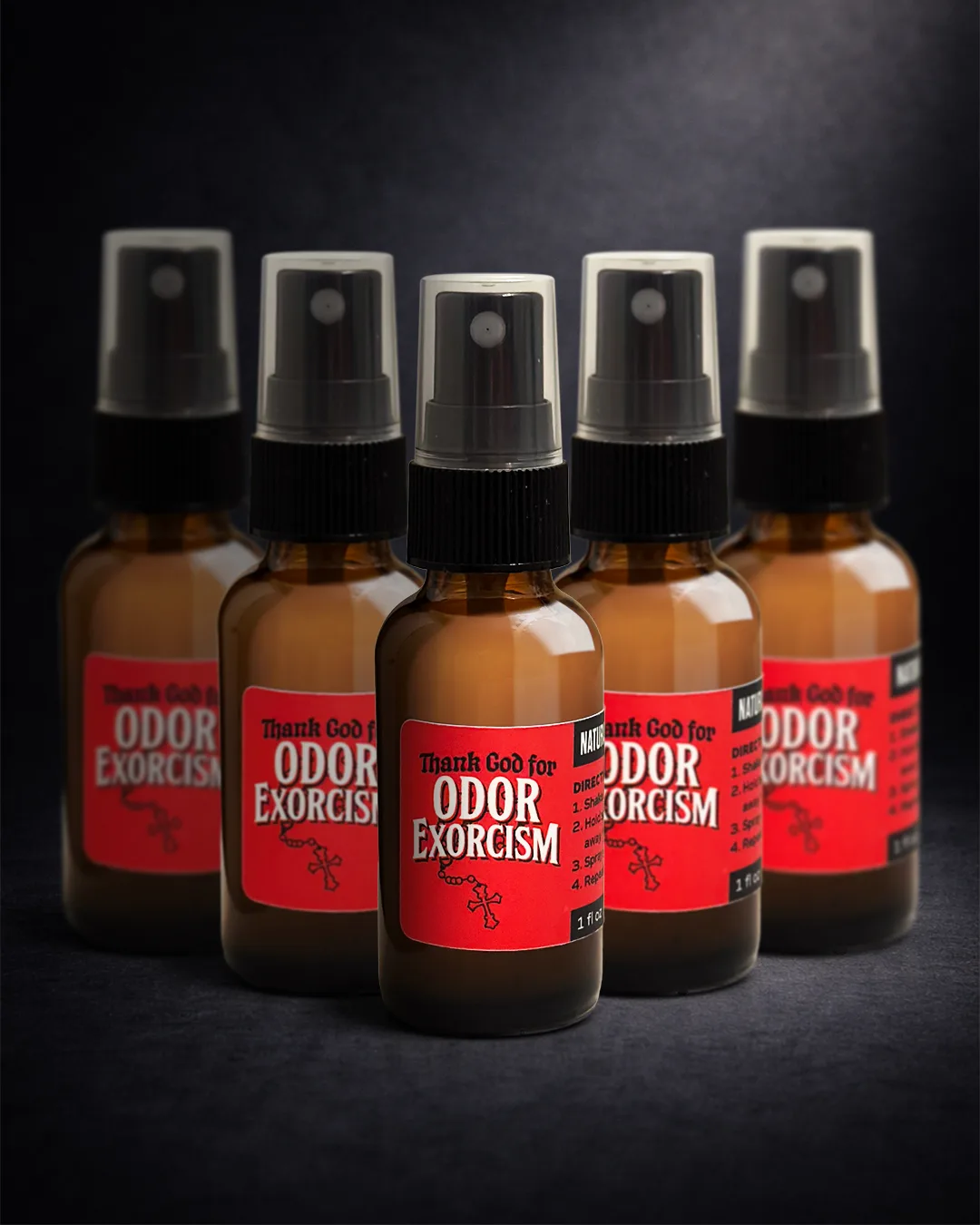
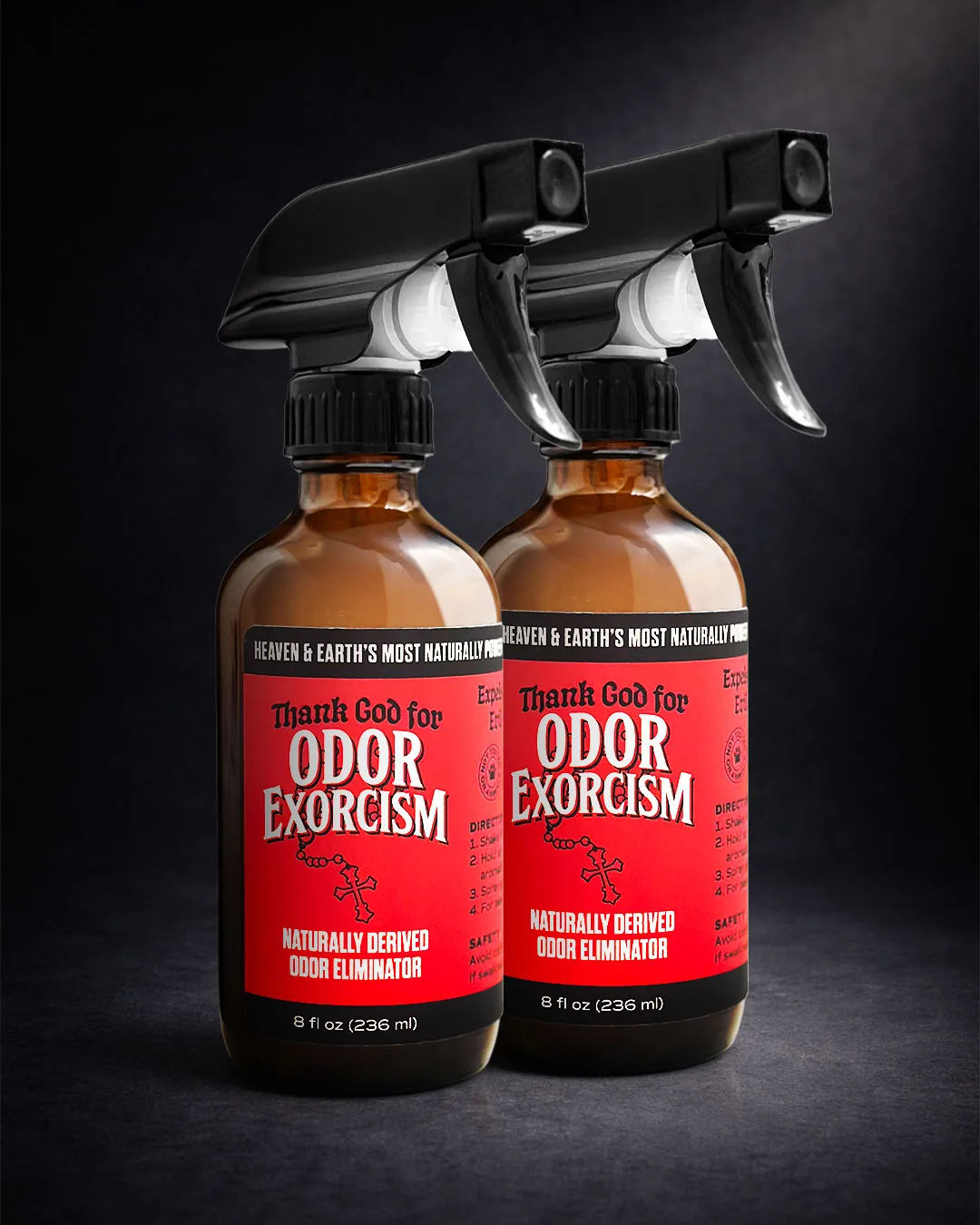
That is part of what makes naturally derived odor eliminator sprays appealing when they are well made. They can tackle the smell at the source without trying to fumigate the room into submission. Odor Exorcism sits in that lane, with a non-toxic, essential-oil-based approach built around odor elimination rather than synthetic fragrance theater.
Room spray vs diffuser vs candle in a pet home
Not all scent products create the same kind of exposure.
Room sprays are short-term. You spray, the product disperses, and ideally the smell problem gets handled without hanging in the air for hours. That can make them easier to control than plug-ins or diffusers, which create prolonged exposure whether your pet likes it or not.
Diffusers are where many pet owners get into trouble. Continuous dispersal means your cat or dog keeps inhaling the compounds for long stretches, often in the exact room where they nap all day. With cats especially, that is where essential oil concerns become more serious.
Candles have their own trade-offs. An open flame is chaos with whiskers. Soot, fragrance load, and ventilation all matter. A cleaner-burning candle may be better than a bargain-bin synthetic monstrosity, but it is still not the same as a quick spray-and-air-out routine.
If you want the most control, a non-aerosol room spray used lightly and strategically is often the saner choice.
How to use room sprays more safely around pets
Even a better formula can become a bad idea if you use it like a medieval incense ceremony.
Start small. One or two light sprays are usually enough. More is not cleaner. More is just more. Spray when your pet is not directly underfoot, not on their body, and not onto food bowls, toys, litter boxes, or bedding they are about to crawl into immediately.
Let the mist settle. Open a window if you can. Give fabrics a minute to dry before your dog resumes his sacred mission of pressing his face into the couch cushion. If your cat has a favorite perch, maybe do not spray it and call that compromise.
Watch your pet afterward. Sneezing, coughing, drooling, pawing at the face, watery eyes, vomiting, wheezing, or unusual lethargy are signs something is off. Stop using the product and call your veterinarian if symptoms are significant or do not pass quickly.
The pet-safe answer nobody loves: it depends
Yes, because life refuses to be simple.
A healthy dog in a well-ventilated living room may tolerate a lightly used, transparent, non-aerosol room spray just fine. A cat with asthma in a small studio apartment may need a much more cautious setup. Multi-pet homes, birds, senior pets, and animals with respiratory conditions all shift the equation.
That is why the smartest question is not just are room sprays safe for pets. It is which room sprays, used how, around which pets.
The best products respect that nuance. They do not assume every home is the same. They do not hide behind buzzwords. They focus on cleaner ingredients, realistic scent strength, and actual odor elimination instead of chemical camouflage.
If you share your home with pets, the goal is not to make the place smell like an artificial meadow blessed by perfume demons. The goal is to get rid of stink without creating a new problem. Choose formulas carefully, spray with a little restraint, and let your pet’s lungs stay out of the drama.