Are synthetic fragrances bad indoors?
Evangelize


June 7, 2026
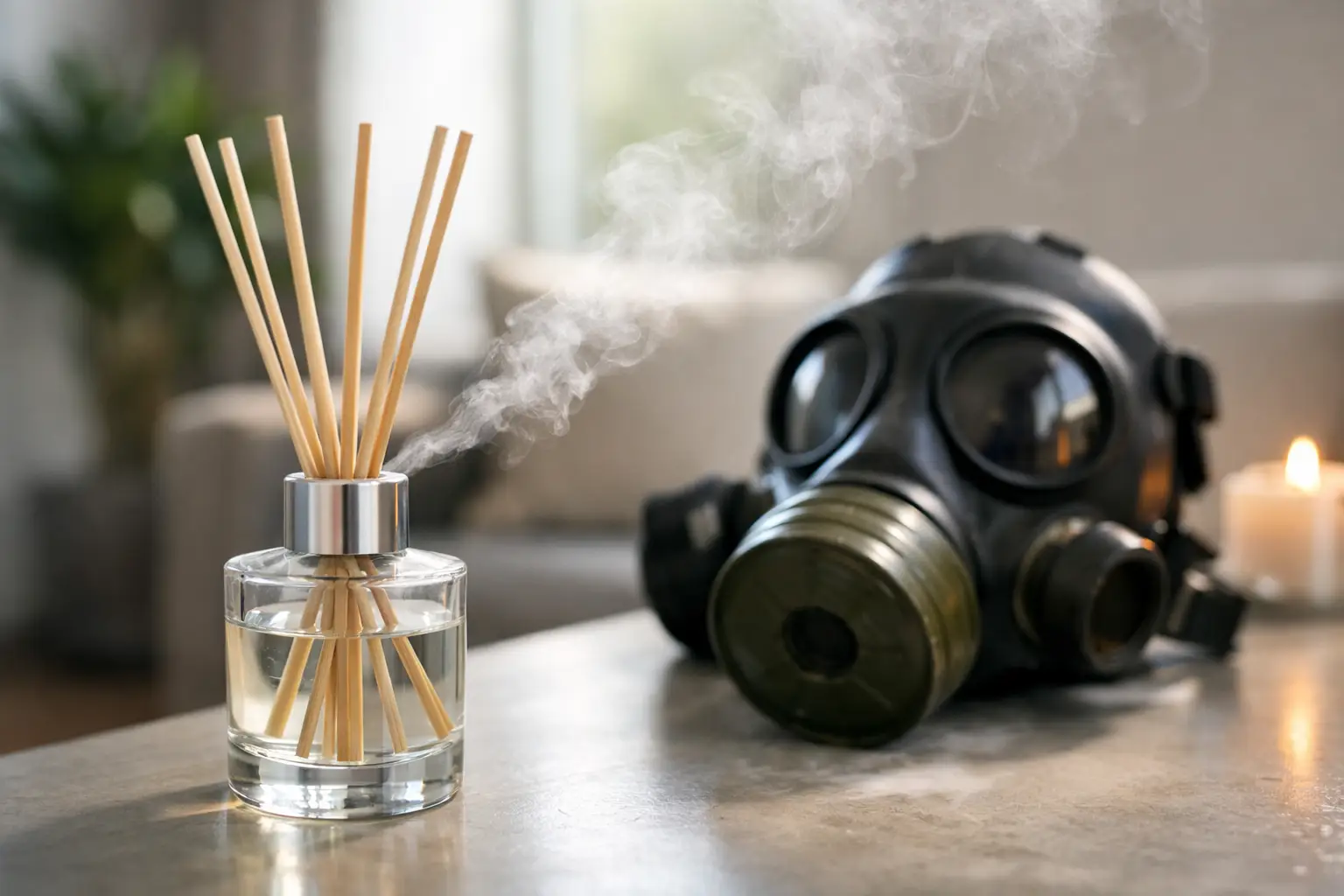
That fake “clean linen” cloud hanging in the hallway? Sometimes it is less fresh sanctuary, more perfumed poltergeist. If you have ever wondered, are synthetic fragrances bad indoors, the honest answer is: they can be, especially in closed spaces where air does not move much and scents linger longer than the actual crime scene smell.
The tricky part is that synthetic fragrance is not one single ingredient. It is a catch-all term covering lots of aroma chemicals blended to create a scent profile like lavender, vanilla, ocean breeze, or whatever other haunted fantasy got bottled that week. Some people can use fragranced products without much trouble. Others get headaches, throat irritation, watery eyes, dizziness, or that unmistakable feeling that the room smells like a department store attacked by a fog machine.
So no, synthetic fragrance is not automatically evil in every form. But indoors, where you sleep, eat, work, and trap the same air between four walls, it deserves a harder look than it usually gets.
Are synthetic fragrances bad indoors for air quality?
They can be. Indoor air is already full of enough nonsense without adding a scented smokescreen on top of it. Cooking fumes, pet dander, dust, cleaning product residue, upholstery off-gassing, and moisture all compete for space in your home. When you spray, plug in, or melt heavily fragranced products, you are introducing more airborne compounds into an environment that may already have poor ventilation.
Some synthetic fragrance products release volatile organic compounds, or VOCs. Not every VOC is equally dangerous, and context matters a lot. Dose matters. Ventilation matters. Frequency matters. But if you are using multiple fragranced products in a small apartment, bathroom, nursery, or bedroom, those exposures can add up. The issue is not just the product itself. It is the indoor pileup.
This is where people get fooled by the vibe. If a room smells floral, citrusy, or “mountain rain,” we tend to interpret that as clean. Your nose gets a pretty little distraction, and the underlying odor source keeps lurking like a demon under the floorboards. Synthetic fragrance often masks odors instead of removing them. That means the air can smell better while the actual problem stays put.
Why some people react more than others
Not every body handles fragrance the same way. One person can spray half a bottle of air freshener and carry on like nothing happened. Another gets a pounding headache in five minutes. That does not make them dramatic. It means sensitivity is real.
People with asthma, allergies, migraines, sinus issues, or chemical sensitivities often notice fragrance faster and react harder. Babies and young kids can also be more vulnerable simply because they are smaller, closer to floors and fabrics, and still developing. Pets, meanwhile, spend a lot of time with their noses near treated surfaces, which is not exactly ideal when you have turned the living room into a synthetic lilac chamber.
There is also the label problem. “Fragrance” on an ingredient list can refer to a complex blend rather than one transparent substance. That lack of clarity makes ingredient-aware shoppers understandably suspicious. If you are trying to reduce irritants at home, vague labeling is about as comforting as a creak in the attic at 2 a.m.
The real issue: masking vs eliminating
This is where the exorcism begins.
A lot of conventional air care products are built to overpower odors. They do not solve the smell at the source. They throw perfume at it until your nose gives up. That might work for ten minutes after trash day or before guests arrive, but it is not a great long-term strategy if the odor lives in fabrics, carpets, pet beds, shoes, upholstery, or bedding.
Masking smells indoors can actually make a room feel worse. Now instead of stale air, you have stale air marinated in artificial mango thunderstorm. The result is less “fresh home” and more “hotel lobby trying to hide a plumbing issue.”
True odor control is different. It targets the source, whether that source is bacteria, trapped residue, moisture, pet funk, cooking aftermath, or the mysterious couch smell no one wants to claim. When the odor is neutralized rather than covered, you do not need a giant fragrance blast to convince yourself the room is okay.
Are all synthetic scents equally bad?
No. That is where nuance matters.
A lightly fragranced product used occasionally in a well-ventilated room is different from running multiple plug-ins all day, burning heavily scented candles at night, and spraying upholstery every morning like you are sealing in a curse. Exposure depends on concentration, frequency, room size, and who is in the space.
There is also a difference between wanting your home to smell pleasant and wanting it to smell aggressively like a fake waterfall. Most people are not trying to live in a scent-free bunker. They just do not want indoor air to feel heavy, irritating, or chemically loud.
That is why the better question is not simply whether synthetic fragrances are bad indoors. It is whether your fragrance choices are helping or hurting the space you actually live in. If the product makes your eyes sting, gives you a headache, or leaves the room feeling thick and perfumed, your home is probably trying to tell you something.
What to use instead of fragrance-heavy air fresheners
If you want cleaner-feeling indoor air, the first move is boring but effective: remove the source. Wash the pet bed. Open a window. Clean the trash can. Dry the damp towel. Treat the shoes. Deal with the rug. Scent should never be the first line of defense against a smell with roots.
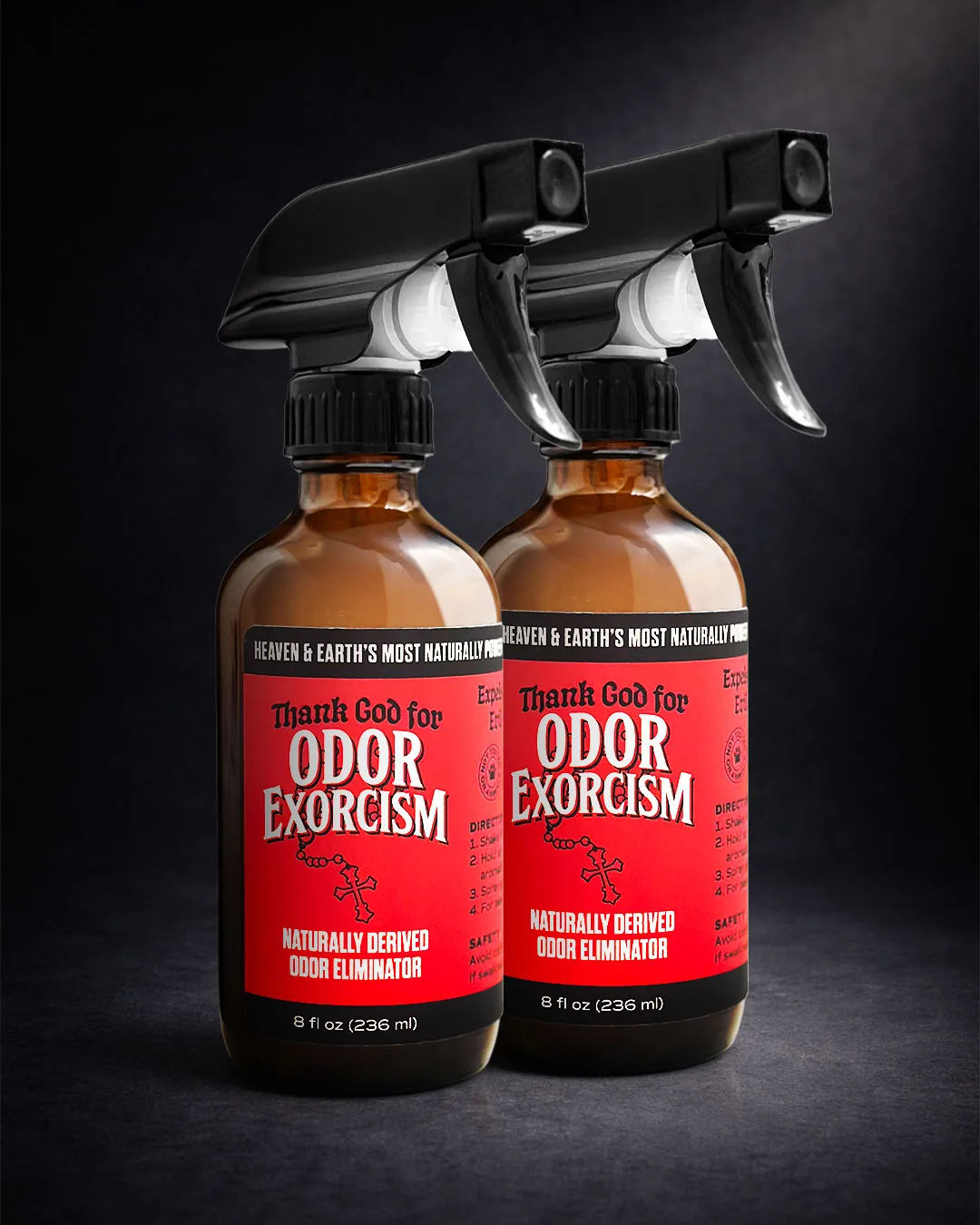
The second move is choosing products that neutralize odor instead of staging a scented cover-up. A natural odor eliminator spray with an essential-oil-based formula appeals to a lot of households for exactly this reason. They tend to align better with ingredient-conscious shoppers who want freshness without the chemical nightclub effect.
That does not mean every natural product is perfect for every person. Essential oils can still bother some people, and strong scent of any kind can be too much in certain homes. But in general, a formula designed to eliminate odor with a lighter, more intentional scent profile is a far saner choice than saturating the room with synthetic fragrance mist every few hours.
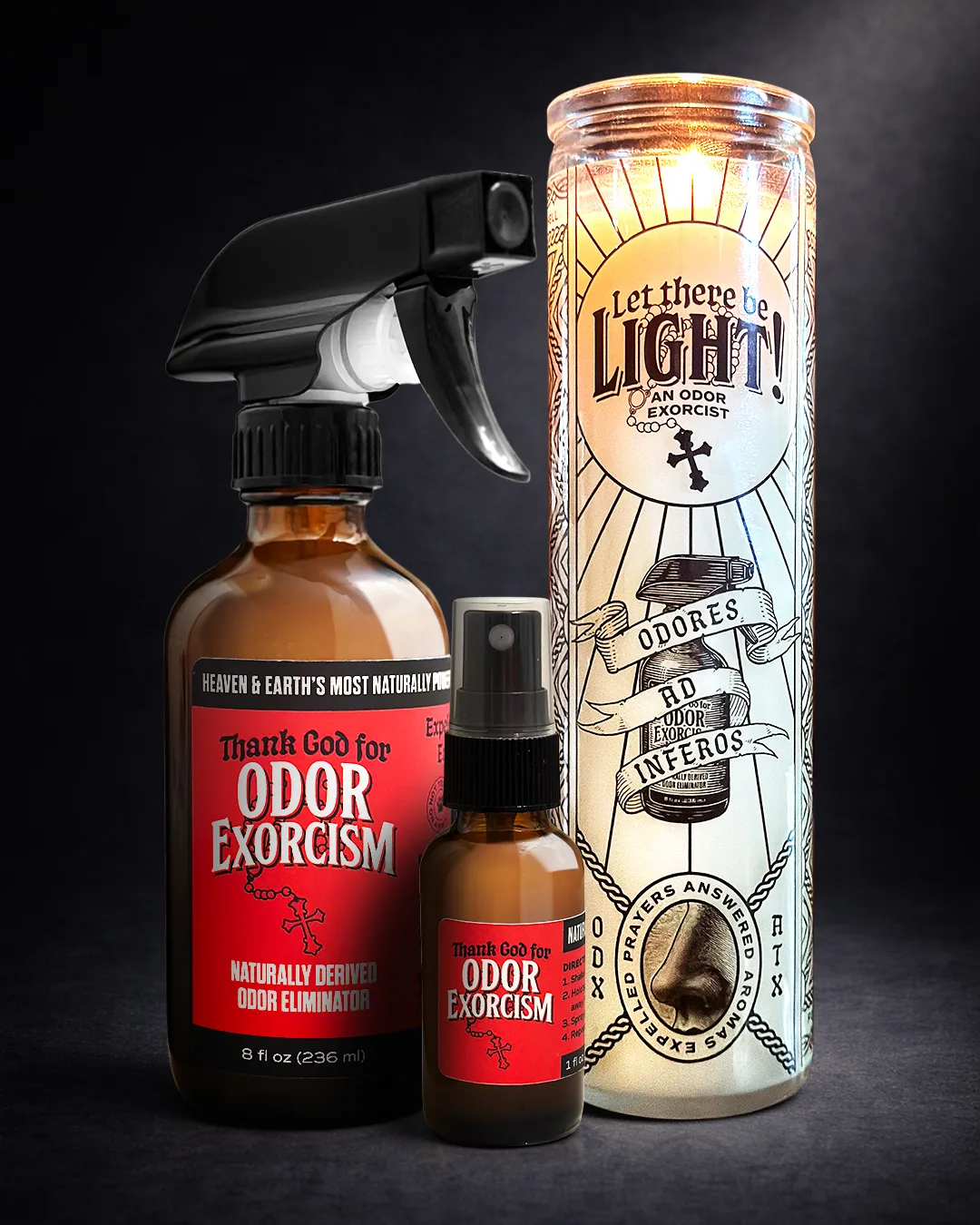
This is also why brands like Odor Exorcism have a point when they reject fragrance-first air care. The goal is not to baptize your sofa in fake lavender. The goal is to cast out the odor and let the room breathe again.
How to tell if your indoor fragrance habits are the problem
Sometimes the signs are obvious. Sometimes they sneak up on you.
If you notice headaches after using room sprays, if your bedroom feels stuffy despite being tidy, if guests comment that your home smells strong rather than fresh, or if you need more and more fragrance to get the same effect, that is a clue. If odors keep “coming back” after the scent wears off, that is an even bigger clue. You are likely dealing with masking, not removal.
It also helps to do a quick product audit. Many homes stack fragrance from multiple sources at once: laundry detergent, fabric softener, candles, plug-ins, bathroom sprays, cleaners, and car scents brought indoors on clothes or bags. Each one may seem minor on its own. Together, they can turn your air into a crowded séance of competing perfumes.
Cutting back often gives surprisingly fast feedback. A room can feel lighter within days when you reduce heavily fragranced products and focus on ventilation and source cleaning.
A cleaner home should not smell like a chemical exorcism gone wrong
If your goal is a home that feels fresh, calm, and livable, synthetic fragrance is not always your friend. Indoors, it can build up, irritate sensitive people, and create the illusion of cleanliness without doing the dirty work. For some households, that trade-off is fine. For many others, especially those with pets, kids, allergies, asthma, or simply a low tolerance for fake perfume clouds, it is not worth it.
A good rule is simple: if a product has to scream to prove it worked, it probably did not solve the problem. Better air starts with less masking, more odor elimination, and a home that smells like itself on a good day – not like it survived an attack by haunted vanilla fog.