How to get rid of closet smell for good
Evangelize


June 27, 2026
You open the closet, reach for a clean shirt, and get smacked in the face by a stale, musty little demon. That odor has range. It clings to fabric, seeps into shoes, and turns your storage space into a crypt with hangers. If you’re wondering how to get rid of closet smell, the fix is usually less about covering it up and more about finding what keeps summoning it back.
Closet odor tends to come from three culprits: trapped moisture, poor airflow, and absorbent materials that hold onto funk like it’s their full-time job. Clothes, wood, carpet, cardboard boxes, leather, and shoes can all collect odor over time. Spray a sugary fake fragrance on top and congratulations – now your closet smells like musty lavender despair.
How to get rid of closet smell at the source
The first move is detective work. A smelly closet is almost never random. Something in there is damp, dirty, old, or airless.
Start by emptying the space completely. Yes, completely. If you leave half the stuff in there, you’re just negotiating with the ghost. Pull out clothing, shoes, baskets, storage bins, and anything living on the floor shelf that you forgot existed in 2021.
Once the closet is empty, sniff around like a very judgmental bloodhound. Is the smell strongest near the baseboards, the ceiling, the carpet, or a pile of shoes? Mustiness near the walls can point to humidity or a hidden moisture issue. Funk near clothing may mean garments were stored slightly damp after washing. If the odor is concentrated around laundry hampers, gym bags, or shoes, you may have a single offender poisoning the whole room.
This part matters because the right fix depends on the cause. A mildly stale closet needs ventilation and cleanup. A truly musty one may need moisture control. And if you spot water stains, peeling paint, or visible mildew, that’s not a fragrance problem. That’s a home problem.
Clean the closet before you re-stock it
A closet can smell bad even when the clothes are technically clean. Dust, skin cells, old fibers, and moisture settle into surfaces and create that heavy, closed-up odor no one wants near their favorite sweater.
Wipe down shelves, rods, trim, and doors with a gentle cleaner appropriate for the material. If the closet has painted wood or laminate shelving, avoid soaking it. Damp, not drenched, is the rule. If there is carpet, vacuum slowly and thoroughly, especially in corners where dust and pet hair like to form their own cursed little colony.
If the walls or floor still smell stale after cleaning, use an odor-neutralizing spray instead of a product that only perfumes the air. This is the difference between banishing the demon and putting a scented wig on it. A naturally derived formula can be especially appealing if you already avoid heavy synthetic fragrance in small spaces where clothes sit for days or weeks.
Let the closet dry fully before anything goes back in. This is not the time for impatience. Trapping residual moisture back inside is how the haunting resumes by Thursday.
What to wash, what to air out, and what to toss
Everything you removed from the closet deserves a quick audit. If clothes smell even faintly musty, wash them before returning them. Fabrics are odor sponges, and one stale hoodie can re-contaminate the whole setup.
Dry-clean-only pieces may just need a proper airing out, but if they already smell sour or moldy, they need professional attention. Shoes should be checked closely too. Sneakers, loafers, and boots can quietly turn a clean closet into a swamp cave.
Some storage items are repeat offenders. Cardboard boxes absorb moisture and odor easily, especially in humid homes, basements, and older apartments. If your closet smells like old paper and forgotten winters, swapping cardboard for washable bins can make a real difference.
Airflow is boring, but it works
Closets smell bad because they are closed. Stunning revelation, yes, but it’s true. Even a clean closet can start smelling stale if air never moves through it.
Leave the closet doors open for a few hours when you can, especially after cleaning. If the closet is packed wall to wall, remove some bulk. Clothes need breathing room. Cramming everything together traps humidity and prevents fabrics from drying out between wears, particularly in homes with high indoor moisture.
If your closet has no vent and always feels stuffy, a small dehumidifier nearby may help. In some climates, moisture is the whole villain. In others, especially very dry homes, the issue is more about dust, stale air, and old fabrics. It depends on where you live and what you’re storing.
When humidity is the real enemy
A musty smell that keeps coming back usually means moisture is still present. Maybe towels got put away before they were fully dry. Maybe your HVAC setup leaves that room humid. Maybe an exterior wall is holding dampness.
If the closet feels cool and clammy, don’t just treat the smell. Reduce the moisture. Moisture absorbers can help in small spaces, and regular ventilation helps even more. But if you keep finding mildew spots, warped wood, or a persistent basement-style smell, that points to an underlying issue that needs fixing at the building level.
No spray on earth should be expected to defeat active water intrusion. That’s not odor control. That’s spiritual warfare with plumbing.
How to keep closet smell from coming back
Once the closet is clean and dry, maintenance is pretty simple. The goal is to avoid reintroducing damp, dirty, or odor-loaded items.
Don’t store clothes that were worn and then shoved back in “just for now.” That move has consequences. Jackets, jeans, and sweaters can hold body odor, cooking smells, smoke, and outdoor funk even if they don’t seem dirty enough for the hamper. Give them air before they go back into tight quarters.
Make sure laundry is fully dry before folding or hanging. Fully dry means fully dry, not “probably fine.” Even a slight trace of dampness can create that swampy smell after a day or two behind closed doors.
Be selective with scent boosters and heavily perfumed products. They can make a closet smell stronger without making it cleaner. Worse, they often create that weird mix of floral chemicals and mildew, which is somehow more offensive than plain mustiness. If you’re going to use a closet refresher, use something designed to neutralize odor rather than mask it.
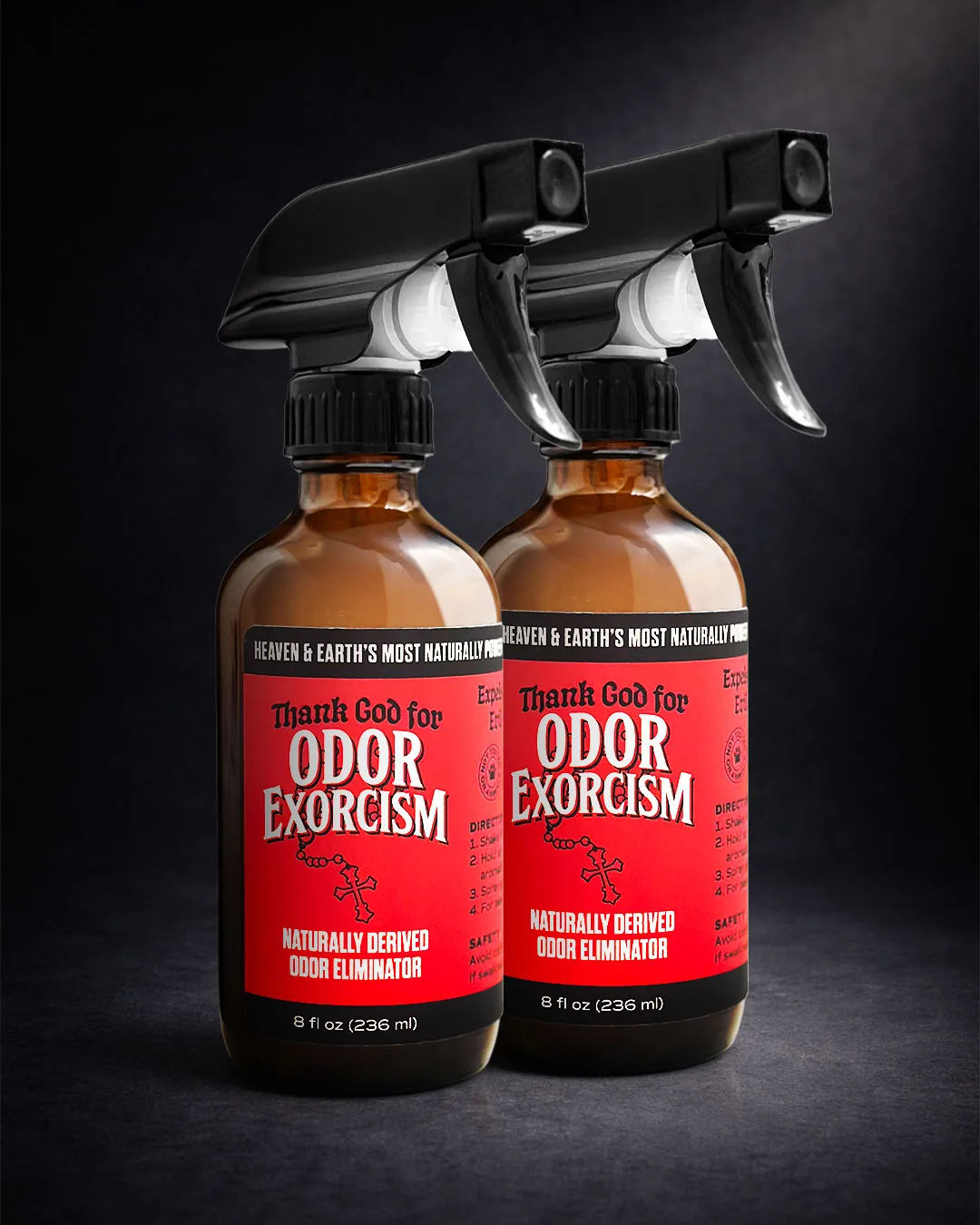
This is also where a product like Odor Exorcism fits naturally – especially for fabric, shoes, and closet surfaces that need actual odor removal without the fake-candle-in-a-laundromat effect.
The closet items most likely to cause odor
A few usual suspects deserve special side-eye. Shoes are obvious, but not always for the reason people think. Even clean-looking pairs can trap sweat and transfer that odor into wood shelving, floors, and nearby garments.
Gym bags and laundry baskets are another problem. They hold damp fabrics in dark spaces, which is basically a love letter to bad smells. If these items live inside the closet, they need regular cleaning too.
Seasonal clothes can also create trouble. Heavy coats, scarves, and sweaters often get stored before they’re fully clean, then sit untouched for months collecting stale odor. Before long-term storage, wash or dry clean them. Future you will be grateful and less enraged.
Should you use baking soda, charcoal, or scent sachets?
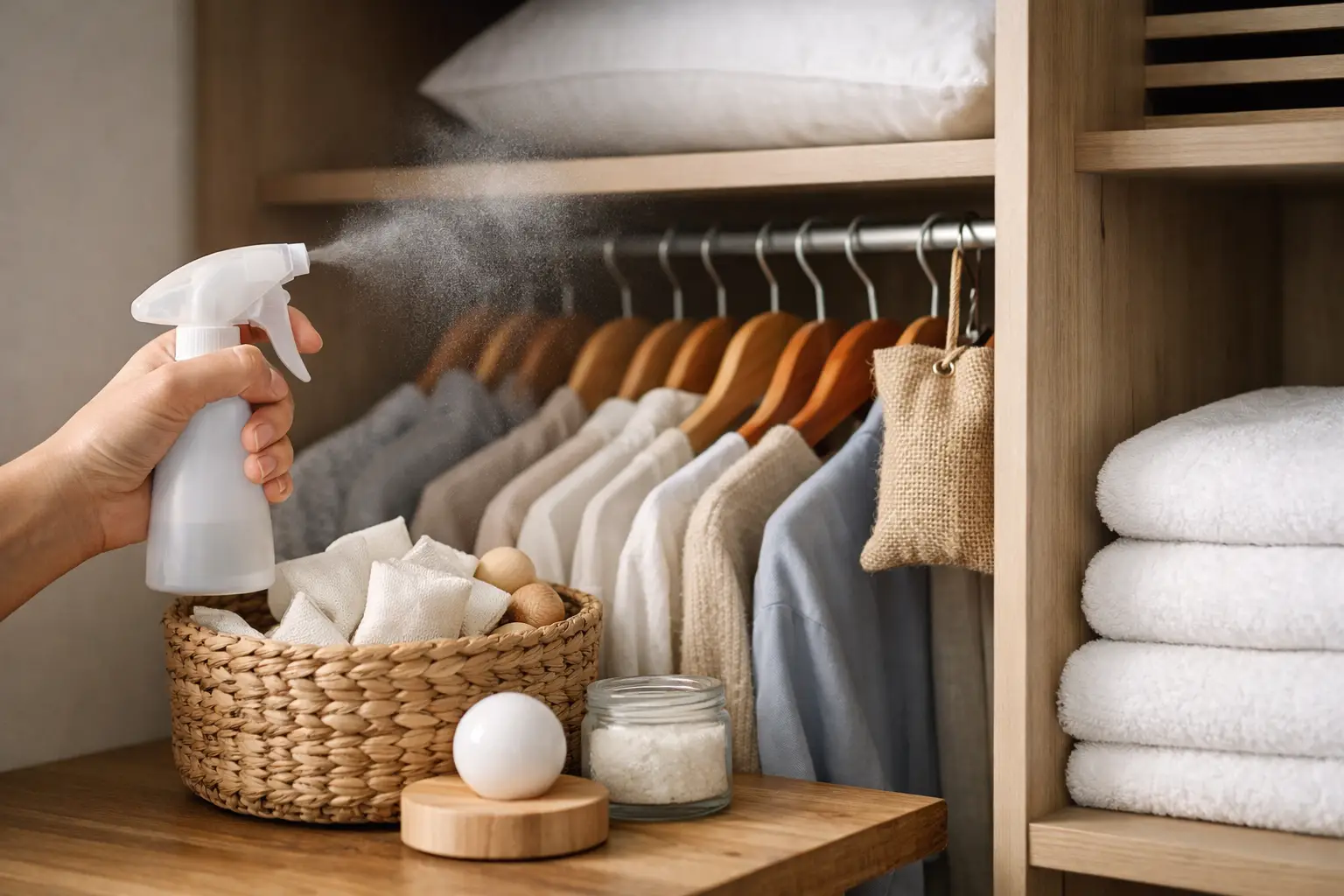
They can help, but they are sidekicks, not miracle workers. Baking soda and charcoal may absorb some lingering odor in a dry closet. Scent sachets can add a pleasant smell if you like that sort of thing. But none of them solve dirty surfaces, damp clothes, or hidden moisture.
Use them after you’ve cleaned and dried the space, not instead of doing that work. Otherwise you’re just decorating the problem.
When closet smell means something bigger
Sometimes the smell isn’t really the closet. It might be coming from the room, the HVAC system, old carpet, pet odor nearby, or moisture inside the wall. If you clean everything, wash the contents, improve airflow, and the smell still comes back fast, widen the investigation.
That doesn’t mean panic. It just means the closet may be acting like a trap for odor that’s coming from somewhere else. Small spaces are excellent at collecting smells and terrible at hiding their source.
A closet should smell like nothing, or close to it. Clean fabric. Bare wood. Maybe a faint whisper of whatever product you used to neutralize odor. Not mildew. Not perfume trying to commit a cover-up. Not the ghost of sneakers past.
If you want the space to stay fresh, think less like a perfumer and more like an exorcist. Find the source, clear the air, and don’t let the stink move back in.