How to remove smoke smell from fabric
Evangelize


June 3, 2026
Smoke has a nasty little talent for clinging to fabric like it pays rent. One minute your jacket, couch cushion, or curtains are minding their business. The next, they smell like a bonfire, a cigarette lounge from 1997, or a kitchen disaster that got way too confident. If you need to remove smoke smell from fabric, the fix is not just piling on perfume and praying for a miracle. You need to break up the odor, lift it out of the fibers, and keep it from crawling right back.
That matters because smoke odor is oily, stubborn, and weirdly invasive. It doesn’t just sit on the surface. It works its way into soft materials, especially anything porous like cotton, linen, wool, upholstery, carpet, and bedding. So if your first instinct is to blast it with a fake floral spray and call it healed, let us gently but firmly say: the demon is still in the house.
Why smoke smell is so hard to remove from fabric
Smoke is more than a smell. It leaves behind microscopic particles, tar, and residue that latch onto fibers and hang around long after the visible source is gone. Cigarette smoke is especially persistent because it contains sticky compounds that settle into fabric and keep releasing odor over time. Wildfire smoke can be similar, though it may smell more ashy than stale. Kitchen smoke can be easier to treat, but even that depends on how long it circulated and what it touched.
The type of fabric also changes the game. Washable cotton T-shirts are one thing. Velvet chairs, wool coats, silk drapes, and foam-filled cushions are another. Some items can handle a deep wash. Others need a lighter hand or a surface-first approach. That’s why the right method is less about brute force and more about matching the treatment to the material.
The first step to remove smoke smell from fabric
Before you wash or spray anything, get the item into fresh air. This sounds obvious, but it helps more than people expect. Outdoor airflow can reduce lingering odor and keep smoke particles from staying trapped in stagnant indoor air. If outside space isn’t an option, open windows and run fans. You’re not fixing the whole problem here, but you are giving the fabric a better starting point.
If there’s visible ash or soot, remove it carefully before adding any moisture. A vacuum with an upholstery attachment works well for furniture and heavier fabrics. For clothing or linens, a good shake outside followed by a gentle brush-off can help. Rubbing soot deeper into the material is a bad plan, and smoke residue loves bad plans.
Washing clothes and washable fabrics
For machine-washable items, start with the care label and then use a detergent that actually cleans instead of just scenting the crime scene. If the smell is strong, pre-soak the item first. A soak in cool water with baking soda can help loosen odor before washing. White vinegar in the rinse cycle can also help cut through residue, though you do not want to mix vinegar directly with detergent in the same dispenser unless the machine instructions allow it.
Hot water is not always the hero. For some fabrics, it can set smells or damage fibers. Cool to warm water is usually safer unless the care label says otherwise. And one wash may not do it. Smoke odor can be deeply embedded, so a second cycle is sometimes necessary.
Drying matters too. If the item still smells even a little after washing, do not toss it in the dryer yet. Heat can lock in leftover odor, and then you’ve basically ordained the smell into the fabric forever. Air-dry first, sniff test second, and only machine dry when the smoke smell is truly gone.
How to handle upholstery, curtains, and other non-washables
Non-washable fabrics need a more strategic exorcism. Start by vacuuming thoroughly, especially seams, folds, and tufted areas where residue likes to hide. Then use a fabric-safe odor neutralizer rather than a heavy fragrance bomb. The goal is to reduce or eliminate the source of the odor, not drape it in synthetic perfume and hope nobody notices.
A light misting can help, but soaking upholstered furniture is usually a mistake. Too much moisture can create a second horror story involving mildew. Test any product on a hidden area first, especially on delicate or dark fabrics. Then treat in light passes and let the item dry fully with plenty of air circulation.
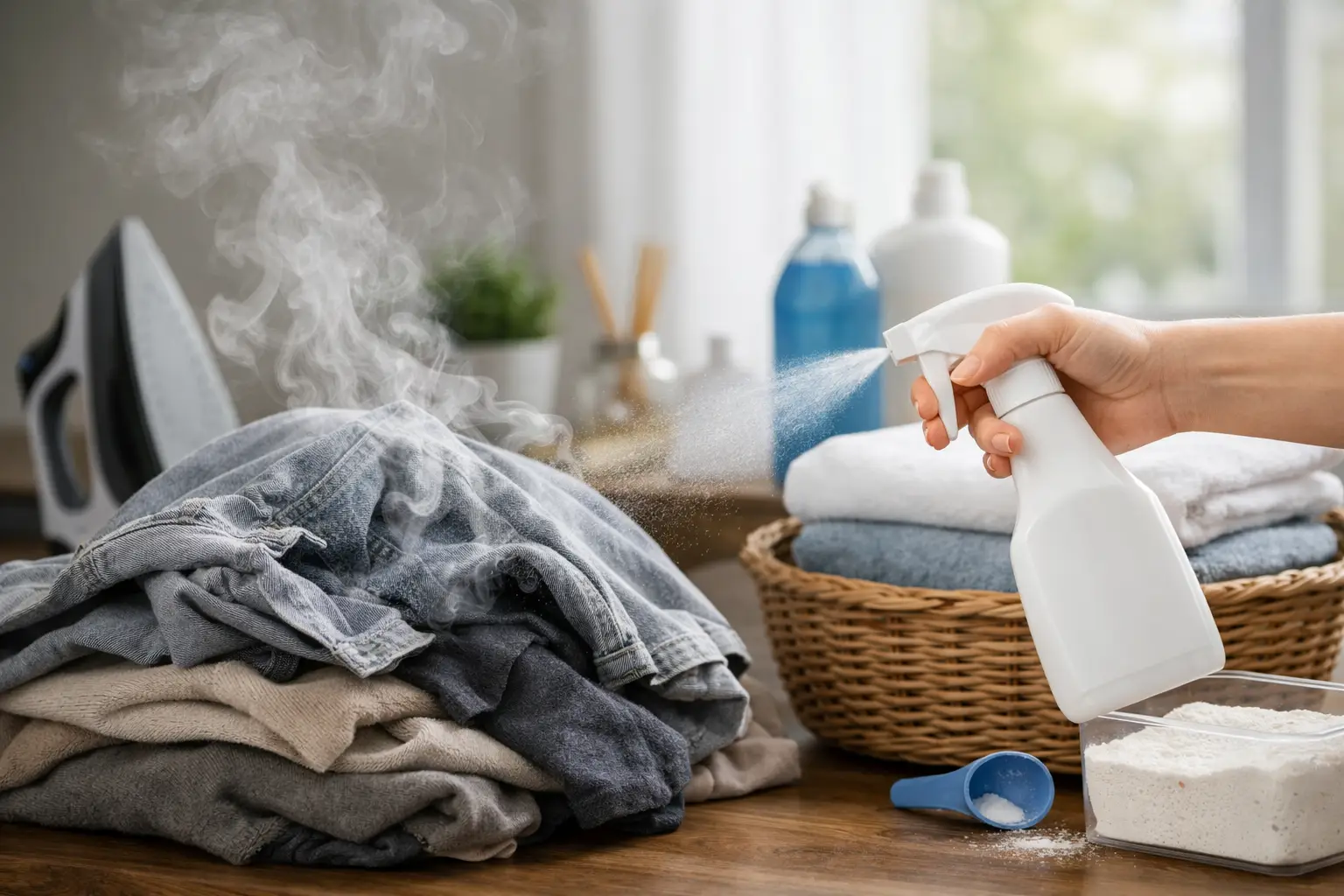
Curtains can be trickier than they look. Some are machine washable, some are dry clean only, and some are so decorative they seem legally opposed to practicality. If they can be washed, do that. If not, vacuum them and use a fabric-safe deodorizing spray sparingly. Steam can help in some cases, but with smoke odor, steam alone often falls short unless it’s paired with odor-neutralizing treatment.
Natural deodorizers that actually help
Baking soda has earned its reputation for a reason. It can absorb some lingering odors from fabric surfaces, especially on rugs, cushions, and upholstery. Sprinkle it on, let it sit for several hours, then vacuum thoroughly. It’s simple, cheap, and useful, though not always powerful enough for heavy smoke damage.
Vinegar is another solid option for washable items and some room-level odor control. A bowl of vinegar placed near the affected area can help reduce ambient smell, and diluted vinegar can support laundry treatment. The trade-off is obvious: vinegar has its own smell. It usually dissipates, but if you already hate vinegar, this method may test your faith.
Activated charcoal and fresh air can also help as supporting players. Charcoal is better for absorbing odor in enclosed spaces like closets, bins, or cars than for treating fabric directly, but it can be part of the overall cleanup if smoke affected an entire room.
What not to do when trying to remove smoke smell from fabric
The biggest mistake is masking instead of removing. Traditional air fresheners often just layer fragrance on top of odor. That can make smoke smell somehow sweeter and more offensive at the same time, which is something nobody asked for.
Another mistake is over-wetting fabric. More liquid does not always mean more cleaning. On upholstery, mattresses, and cushions, excess moisture can sink into padding and create longer-term odor issues. Aggressive scrubbing is also risky, especially on delicate fabrics, because it can spread residue and wear down the surface.
And if the odor is severe from a fire or prolonged smoke exposure, DIY methods may not be enough. At that point, professional cleaning can be worth it, especially for expensive furniture, heirloom textiles, or anything structurally affected by soot.
Choosing the right odor eliminator for fabric
If you’re using a spray, read the label like a grown-up who has been betrayed by fake lavender before. Look for formulas designed to neutralize odors on fabric, not just cover them with a blast of synthetic scent. Ingredient-conscious households often a natural odor eliminator spray, especially for bedding, clothes, pet areas, and everyday soft surfaces.
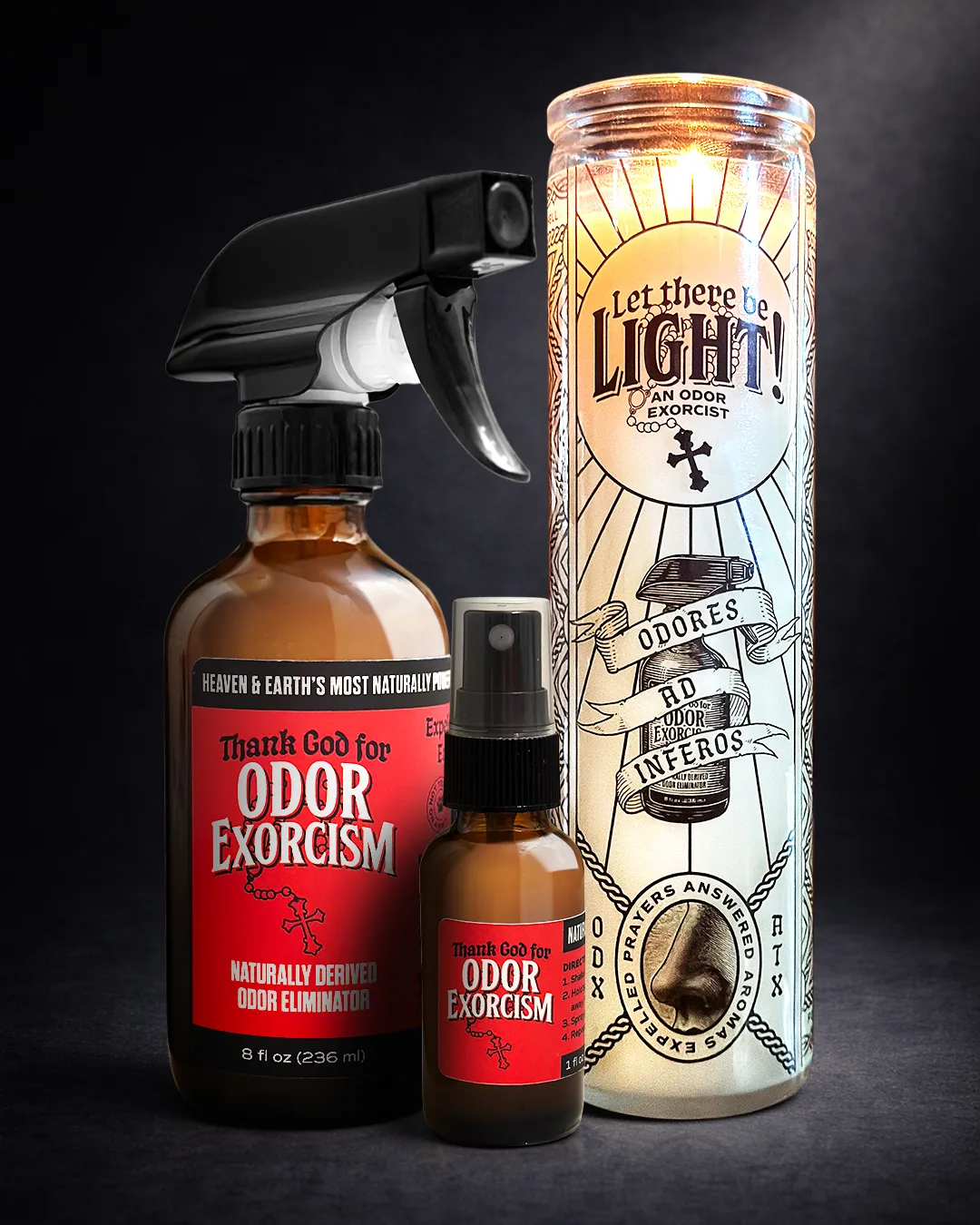
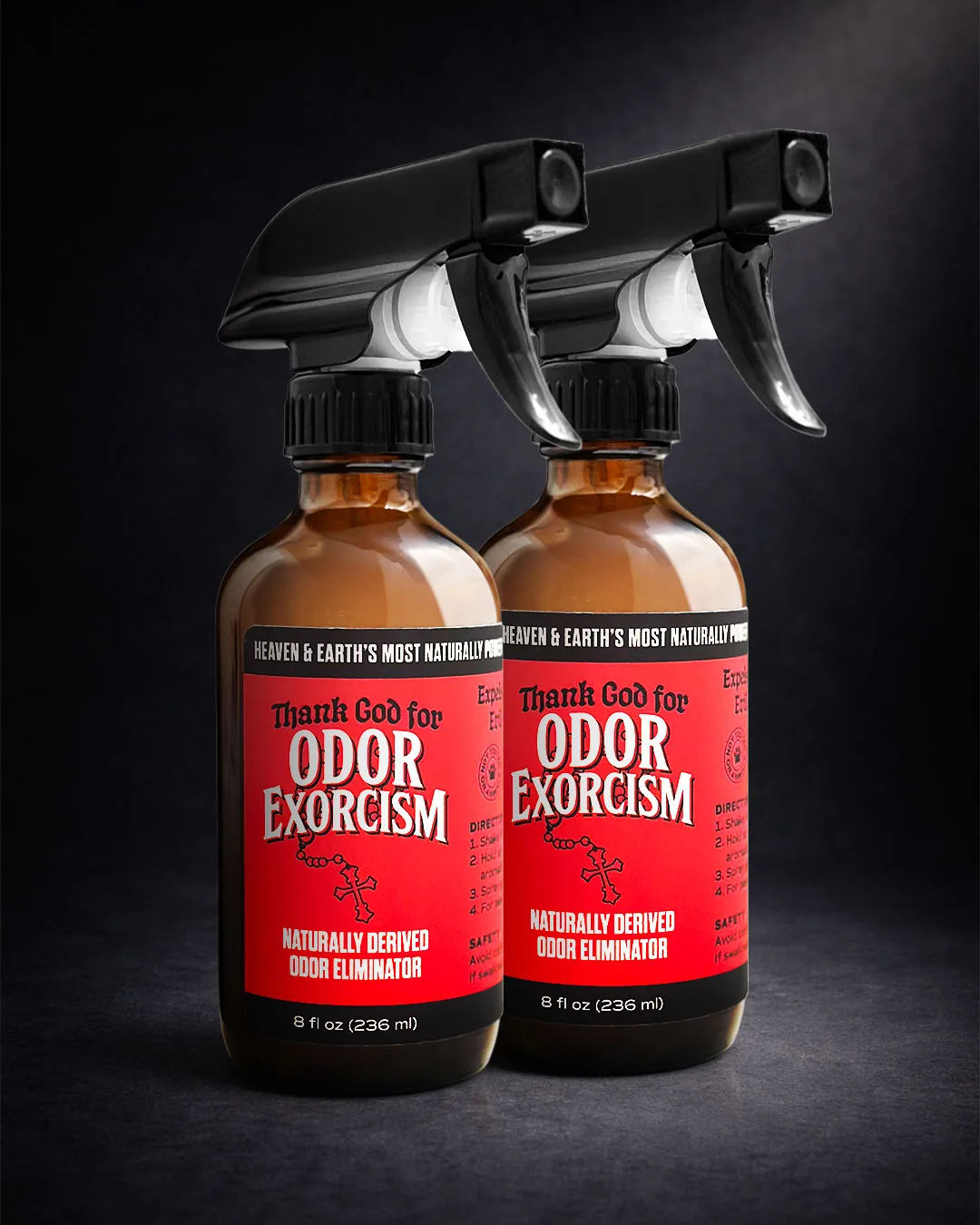
That’s where a product like Odor Exorcism fits naturally into the ritual. It’s made for people who want the smell gone, not dressed up in a chemical choir robe. On everyday fabrics that can handle a fabric-safe odor eliminator, a good spray can help tackle lingering smoke funk between washes or on items that can’t go in the machine.
When smoke smell keeps coming back
If the odor returns after cleaning, the fabric may not be the only haunted object in the room. Smoke settles into carpets, wall hangings, mattress surfaces, and even hard materials nearby. If you clean the blanket but ignore the couch, or wash the curtains but leave the rug untouched, the smell can transfer right back.
That’s why full-room treatment sometimes matters more than people expect. Wash what you can. Vacuum soft surfaces. Open the room. Treat upholstery. Clean nearby hard surfaces that may hold residue. Smoke odor is a clingy beast, and partial cleanup often gives partial results.
For clothing stored in smoky closets or drawers, deal with the storage space too. Otherwise, your clean shirt goes right back into the pit and comes out smelling cursed by morning.
The fastest path to fresher fabric
If you want the short version, here it is: air it out, remove loose residue, wash what’s washable, treat non-washables carefully, and use an actual odor neutralizer instead of a perfumed cover-up. Smoke smell responds best when you attack both the fabric and the environment around it.
Some odors vanish after one round. Others need repeat treatment. That doesn’t mean you’re failing. It just means smoke is annoyingly talented at overstaying its welcome.
Fresh fabric should smell like nothing, or at most, clean. Not campfire leftovers. Not stale cigarettes. Not a floral fog trying to hide a felony. If your home textiles have been spiritually possessed by smoke, patience and the right method can send that stink straight back to the underworld where it belongs.
And if you remember one thing, let it be this: the best-smelling home is not the one with the strongest fragrance. It’s the one where the bad smell is actually gone.