Why does my room smell stale all the time?
Evangelize


June 13, 2026
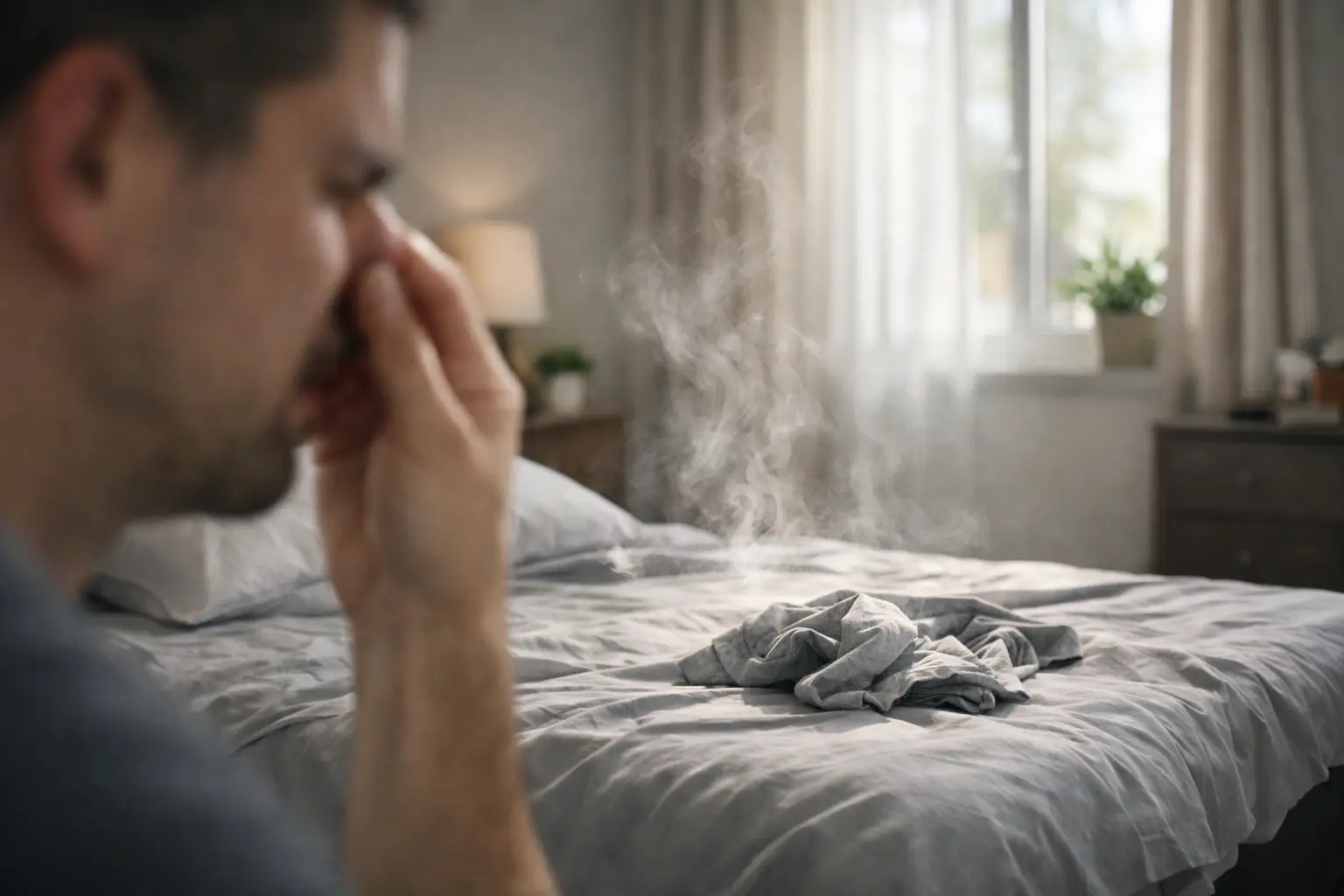
You open the door, walk into your room, and there it is – not exactly dirty, not exactly rotten, just… old. Flat. Air that feels like it gave up three days ago. If you keep asking, why does my room smell stale, the answer usually is not one dramatic culprit. It is a gang of tiny odor demons working together: trapped air, soft surfaces, humidity, dust, and whatever your shoes have been plotting in the corner.
A stale-smelling room is usually less about one disgusting source and more about buildup. Air sits. Fabric holds onto body oils and moisture. Carpets collect dust. Closets trap funk. And if your first response is blasting a synthetic floral fog over the problem, congratulations – now your room smells like stale air wearing cheap perfume.
Why does my room smell stale even when it looks clean?
Because your eyes are lazy detectives. A room can look perfectly fine and still hold odor in places you do not think to clean. Bedding, rugs, curtains, upholstered furniture, laundry piles, sneakers, gym bags, and even cardboard boxes all absorb and trap smells over time.
Ventilation also matters more than most people realize. If your room stays closed up, especially with the windows shut and the door closed for hours, indoor air gets stagnant fast. Add heat, humidity, pets, sleep, and regular human existence, and the room starts developing that tired, musty edge.
Then there is the issue of nose blindness. If you live in the room, your brain may tune out the smell while everyone else gets hit with the full haunted-house welcome. That is why a room can seem “fine” until you leave for a while and come back in.
The most common causes of stale room odor
Stagnant air
This is the obvious villain, but it is not the only one. Rooms with poor airflow let odors linger instead of dissipate. Bedrooms are especially prone because they are full of soft surfaces and often stay closed for privacy, sleep, or blessed avoidance of the rest of the household.
If you rarely open windows, do not run a fan, or have weak HVAC circulation, stale air settles in and starts collecting personality. Not the good kind.
Bedding and mattresses
You sweat in your sleep. Everyone does. Over time, sheets, pillowcases, comforters, and mattresses soak up skin oils, moisture, and general human residue. Even if nothing smells aggressively bad up close, the combined effect can make the whole room feel stale.
This gets worse if you make the bed immediately after waking. That traps overnight moisture instead of letting it evaporate. Your bed looks neat, sure, but it is also marinating.
Carpet, rugs, and upholstery
Soft surfaces are odor magnets. Carpet grabs dust, pet dander, spills, and moisture from the air. Rugs do the same. Chairs, headboards, and upholstered benches quietly absorb smells for months while pretending to be innocent.
If your room has wall-to-wall carpeting, that stale smell may be living below your feet. Vacuuming helps, but it does not always solve odors that have settled deeper into the fibers.
Laundry, shoes, and clutter
The classic suspects. A pile of “not dirty but not clean” clothes can absolutely make a room smell stale. So can shoes, backpacks, towels, and anything else that has absorbed body odor and humidity.
Clutter makes the problem worse by reducing airflow and creating little pockets where dust and smells hang out undisturbed. A crowded room holds onto stale air better than a clear one.
Humidity and mild mildew
If your room smells stale with a slightly damp or musty edge, moisture may be involved. High humidity gives mold and mildew a chance to grow in places you cannot immediately see – behind furniture, near windows, inside closets, around vents, or under rugs.
This is where stale crosses into suspicious. If the smell is persistent and gets stronger during humid weather, moisture is probably feeding it.
Dust and neglected surfaces
Dust does not just look annoying. It carries dead skin, fibers, pollen, and all kinds of microscopic grime that can contribute to a stale smell. When dust builds up on baseboards, blinds, shelves, vents, fans, and under the bed, it starts affecting the whole room.
That weird old-air smell is often just months of tiny gross things becoming one united front.
Why stale smells keep coming back
Because masking is not the same as removing. A candle can make a room smell better for a while. So can a plug-in, a room spray, or opening the window for ten minutes. But if the odor source is still embedded in your fabrics or sitting in a humid corner, the smell comes back the second the cover scent fades.
This is the part big fragrance brands love to skip. If all you do is layer strong perfume over stale air, you are not solving the problem. You are decorating it.
Real improvement comes from cutting off the source and neutralizing what is left. That means treating surfaces, moving the air, and dealing with hidden moisture instead of pretending a fake tropical breeze handled it.
How to fix a stale-smelling room without making it worse
Start with airflow. Open the windows if you can. Open the door. Run a fan. Let the room breathe for longer than five minutes. If weather or building conditions make that hard, even circulating indoor air helps more than letting it sit there like cursed soup.
Next, wash what can be washed. Sheets, blankets, pillow covers, curtains, throw blankets, and any clothes hanging around in the room need attention. If a fabric item cannot go in the wash, it still may need odor treatment.
Then tackle the soft surfaces that quietly hold onto funk. Vacuum carpets and rugs thoroughly. Get under the bed. Clean upholstered furniture if you have it. Rotate or air out the mattress. If you have shoes in the room, do not keep pretending they are not part of this.
After that, focus on hard surfaces and dead-air zones. Dust shelves, wipe baseboards, clean the trash can, check closets, and pull furniture slightly away from the wall if you suspect trapped moisture. If the room still smells stale after cleaning, inspect for humidity issues, window condensation, or hidden mildew.
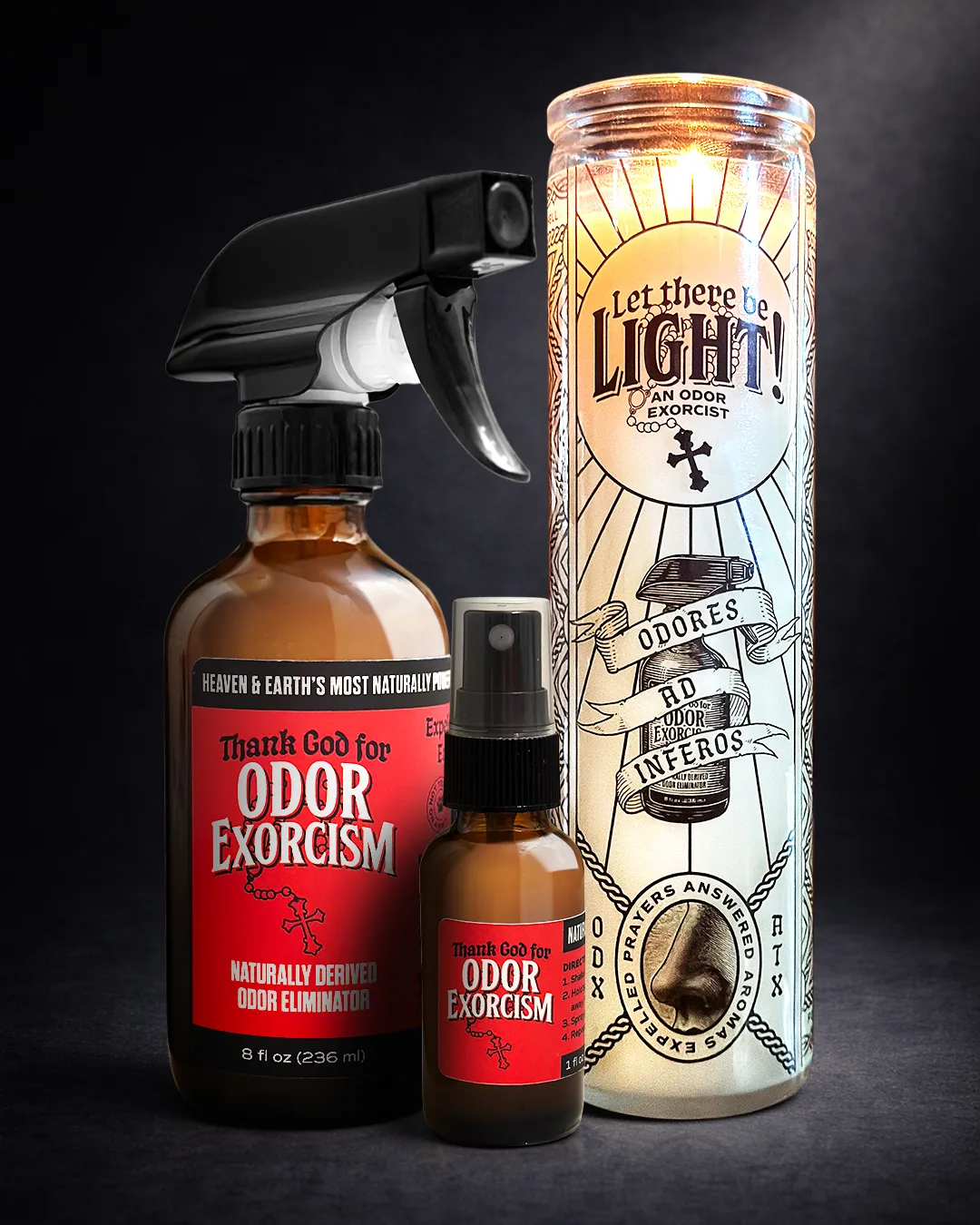
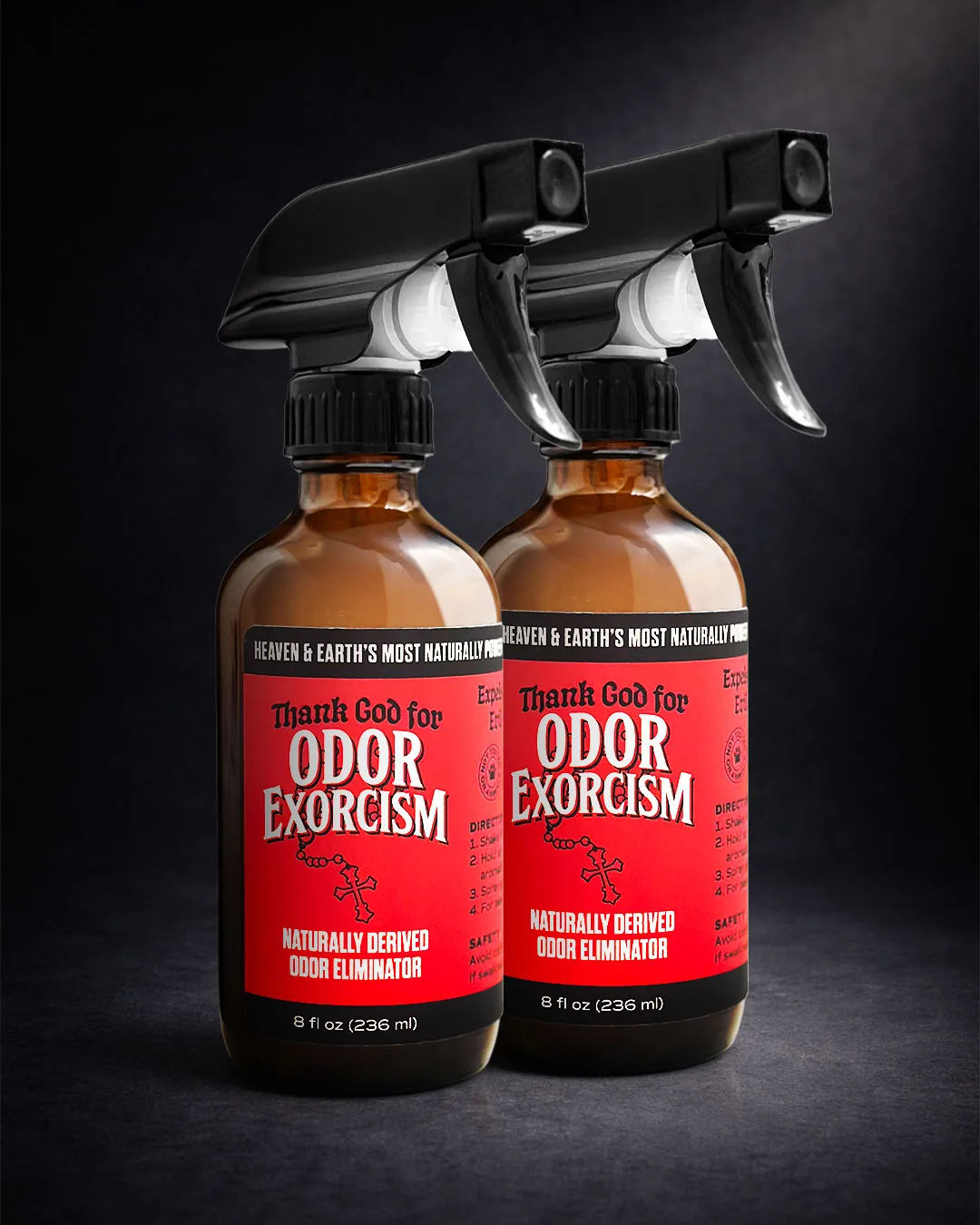
This is where a natural odor eliminator spray earns its keep. A naturally derived spray that neutralizes odor on contact can help reset fabrics, bedding, upholstery, carpets, shoes, and hard surfaces without turning your room into a synthetic fragrance crime scene. That matters if you want the air to smell clean instead of aggressively “mountain rain” or whatever chemists named this week’s headache.
When stale smell means a bigger problem
Sometimes stale is just stale. Sometimes it is a warning label.
If the odor is musty, damp, sour, or persistent no matter how much you clean, check for leaks, mold, HVAC issues, dirty vents, or water damage. If your room smells worse near one wall, one window, or one piece of furniture, pay attention. Odors tend to gather near the source.
It also depends on the age and layout of the space. Older homes and apartments may have lingering smells in subflooring, insulation, or ducts. Small dorms and bedrooms can get stale faster simply because there is less air volume and more fabric packed into one area. Pet owners and parents usually have more odor sources in circulation, which is just life being rude.
How to keep your room from smelling stale again
The trick is consistency, not one dramatic purification ritual under a full moon. Keep laundry moving. Let your bed air out before making it. Vacuum regularly. Do not let shoes ferment in corners. Crack a window when possible. Keep clutter from swallowing the floor. If humidity is high, address it early before stale turns moldy.
And when odors do show up, treat them at the source instead of covering them with a cloud of fake fragrance. That is the whole difference between a room that smells temporarily louder and one that actually smells fresh.
If you want your space to feel clean, calm, and livable, stale air is not a personality trait you have to accept. It is usually just a buildup problem with a few repeat offenders. Evict the moisture, wash the fabrics, move the air, and send the odor demons back where they came from. Odor Exorcism would approve.
Your room does not need to smell like a perfume counter or a haunted attic – just like clean air and a life that is under control, or at least convincingly staged that way.