How to Freshen Upholstered Chairs Naturally
Evangelize


October 17, 2026
That dining chair has absorbed more than dinner conversation. Between pets, sweaty gym bags, snack crumbs, damp coats, and the mysterious aroma of a teenager’s hoodie, upholstery can become a tiny fabric crypt for household odors. The good news: learning how to freshen upholstered chairs naturally does not require drowning them in perfumed chemicals that merely put a floral mask on the demon.
The goal is to remove the source of the smell, not create a scent cloud so aggressive it has its own ZIP code. With gentle cleaning, decent airflow, and an odor-neutralizing approach, most upholstered chairs can return to civilized company.
Start With the Chair’s Care Tag, Not Blind Faith
Before you summon baking soda, water, or any cleaning spray, check the tag beneath the cushion or chair frame. Upholstery codes are not decoration. They tell you what the fabric can handle.
A W means water-based cleaners are generally acceptable. S means use a solvent-based cleaner only. WS means either may work, while X means vacuuming or professional cleaning only. If the tag is missing, treat the fabric like a temperamental antique: use the mildest method first and test anything wet in a hidden area.
Natural does not automatically mean harmless to every material. Water can leave rings on some fabrics, vinegar can be too acidic for delicate fibers, and essential oils may stain if applied directly or used heavily. The chair is not possessed, just upholstered. Proceed accordingly.
Vacuum the Evidence Away
Odor often clings to the stuff you cannot see: pet hair, dust, skin flakes, crumbs, and the ancient cracker fragment living beneath the seat cushion. Vacuuming is the least glamorous step, which is exactly why it gets skipped. It is also where a real refresh begins.
Use an upholstery attachment and go slowly over the seat, back, arms, seams, piping, and crevices. Remove cushions if possible and vacuum both sides. A soft brush attachment helps loosen debris without roughing up the fabric.
If the chair smells musty, do not skip under and behind it. Dust trapped near a wall, radiator, or damp corner can keep feeding the problem. A clean surface gives every next step a chance to do its job instead of battling a buffet of debris.
Use Baking Soda for Everyday Upholstery Odors
For most dry, everyday chair funk, baking soda is a solid first move. It is inexpensive, low-drama, and useful for absorbing lingering smells from fabric. Think pet odor, stale room smell, food traces, or the faint essence of “this chair has seen things.”
Sprinkle a light, even layer over dry upholstery. Do not create a snowy mountain range – a modest dusting is enough. Let it sit for at least 30 minutes. For stronger odors, leave it for several hours or overnight if pets and kids will not disturb it.
Then vacuum thoroughly using the upholstery attachment. Take your time, especially around seams. If a white residue remains, vacuum again rather than adding water. This method is best for surface-level odors. If the padding underneath is damp or deeply contaminated, baking soda alone cannot perform a full exorcism.
A note on essential oils
Mixing essential oils into baking soda sounds charming, but it is not always the wisest move for upholstery. Oils can leave spots, especially on pale, delicate, or synthetic fabrics. They can also be irritating for some people and unsafe around certain pets when used carelessly.
If you want a pleasant scent in the room, use a candle or diffuser safely away from the chair rather than rubbing oils into the fabric. The chair needs odor removal first, not a perfume baptism.
Spot-Clean Stains Before They Start Smelling Like Trouble
A visible stain can become an odor problem when food, drink, body oils, or pet accidents settle into fibers. Address spills promptly, but avoid the classic panic response: saturating the entire chair with water.
For a chair marked W or WS, begin with a clean white cloth lightly dampened with cool water and a tiny amount of mild, fragrance-free dish soap. Blot the stain from the outer edge toward the center. Do not scrub hard – aggressive rubbing can spread the stain, damage fibers, and push grime deeper into the cushion.
Follow with a second cloth lightly dampened with plain water to lift soap residue, then blot dry with a towel. Keep the cleaned area small and let it dry completely before deciding whether it needs another pass.
Vinegar can help with some odors, but it is not a universal miracle potion. A diluted solution may be fine on certain washable fabrics, yet its acidity can affect dyes and fibers. Patch test first, use it sparingly, and never combine it with other cleaners. If the chair has velvet, silk, wool, antique fabric, or an S/X code, stop experimenting and consult a professional upholstery cleaner.
Freshen Upholstered Chairs Naturally With Airflow
Fabric holds odor longer when it stays damp, dark, and trapped in stale indoor air. Open windows when weather allows, run a fan nearby, and give the chair breathing room. Even a few hours of moving air can make a noticeable difference after vacuuming or spot-cleaning.
Sunlight can be useful in moderation, especially for removable cushions that can be placed in a bright, dry spot. But do not roast the chair on a patio all day. Direct sun can fade dyes, dry out natural fibers, and make delicate upholstery look like it survived a minor apocalypse.
The key is thorough drying. If you cleaned the chair with any moisture, aim a fan at it and avoid sitting on it until it is fully dry. A damp cushion is an open invitation for mildew, and mildew is not the kind of houseguest you can politely ignore.
Choose Odor Neutralization Over Scent Masking
A heavily fragranced room spray may make your chair smell like tropical laundry for 15 minutes. Then the perfume fades, the underlying odor remains, and now the air smells like pineapple wrestling a wet dog. That is not freshness. That is chaos with a label.
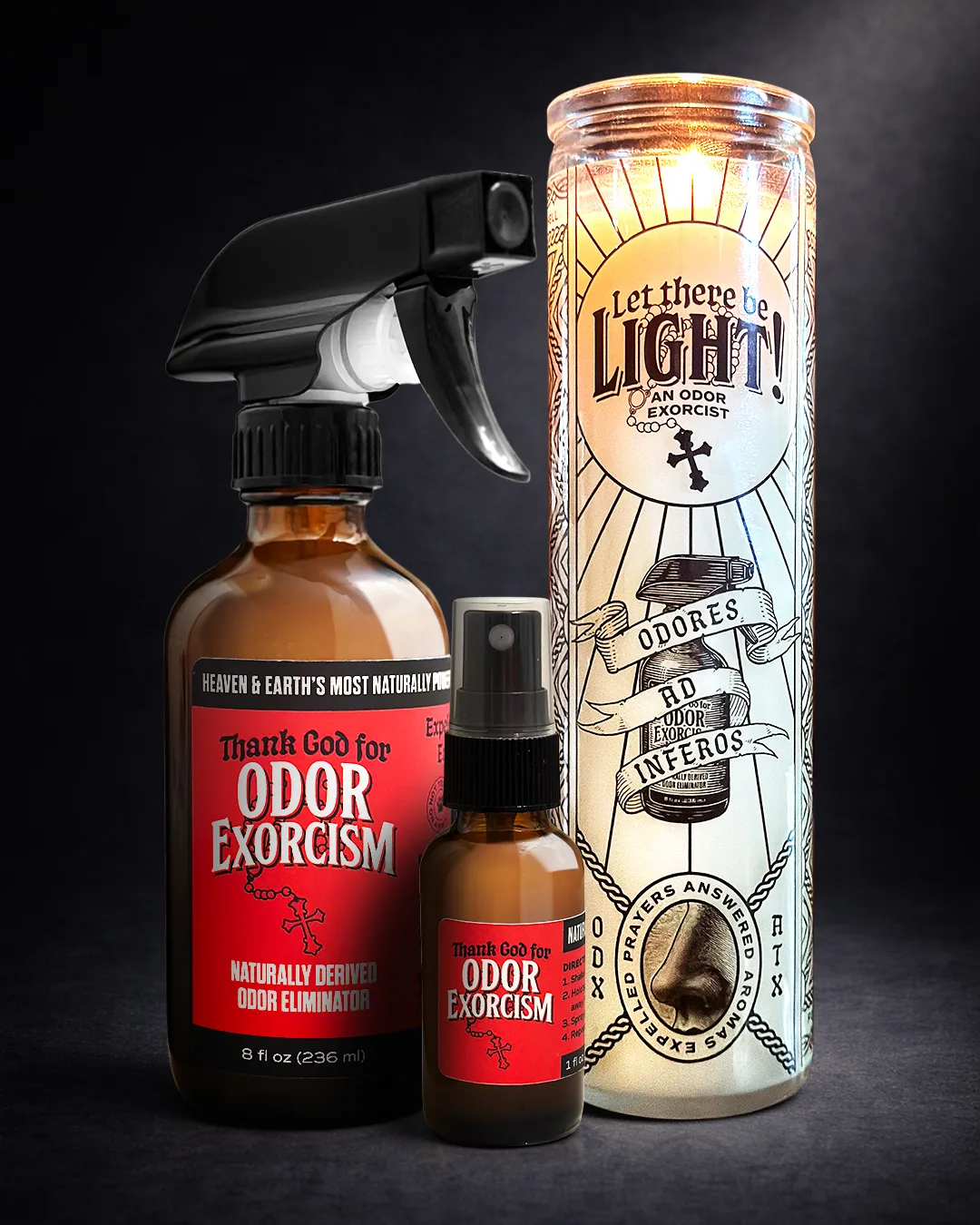
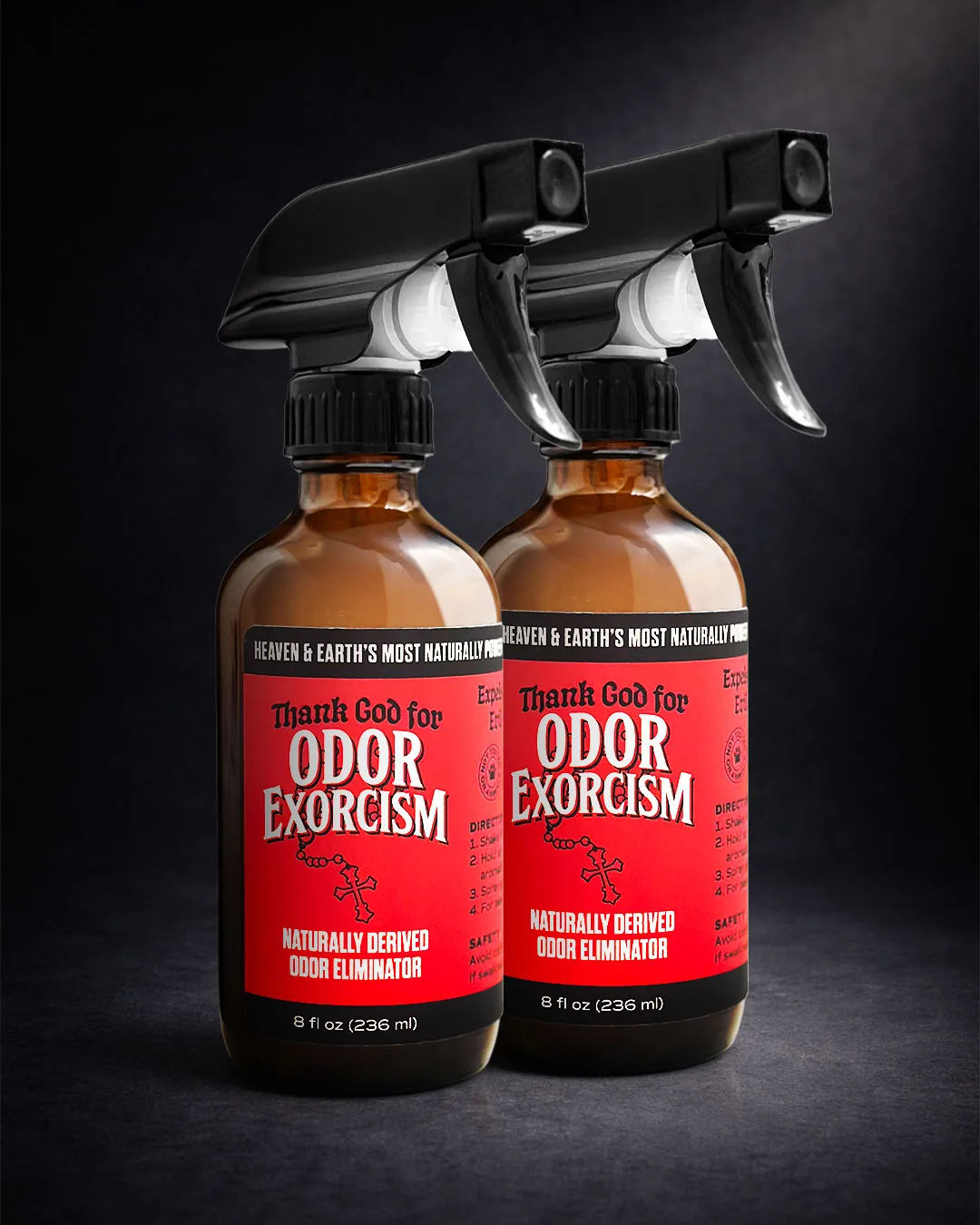
Look for a naturally derived odor eliminator designed for soft surfaces and follow its fabric directions. A product such as Odor Exorcism can be used as part of a regular upholstery refresh when the chair needs more than vacuuming but does not need a full shampoo session. Always test any spray in an inconspicuous spot first, then mist lightly rather than soaking the fabric.
This distinction matters: odor neutralizers are designed to tackle odor molecules, while many conventional air fresheners simply add stronger fragrance on top. If synthetic fragrance gives you headaches, bothers your household, or makes your living room smell like a department store candle aisle caught fire, a lighter, ingredient-conscious option is usually the better fit.
When Natural Methods Are Not Enough
Some smells are warning signs, not housekeeping failures. If a chair smells persistently sour, moldy, urinous, or smoky after proper cleaning and drying, the odor may be in the foam, wood frame, or internal padding. Water damage, old pet urine, smoke residue, and mildew can all travel deeper than the outer fabric.
For pet urine, use an upholstery-safe enzymatic cleaner suited to the chair’s care code. Enzymes can help break down organic residue that baking soda cannot reach. For mold or mildew, avoid simply perfuming the chair and investigate the moisture source in the room. A professional may be the safer call if there is widespread mold, valuable upholstery, or a strong odor that keeps returning.
No natural method can out-clean a chair that is still getting damp from a leaking window, a humid basement, or a pet who has declared one cushion their personal restroom. Remove the cause, then refresh the fabric.
Keep the Funk From Coming Back
A little maintenance prevents a full-scale odor haunting. Vacuum upholstered chairs every week or two in high-use homes, especially if pets climb aboard. Deal with spills quickly, rotate removable cushions, and keep the chair away from damp walls or closed-off corners with poor airflow.
If you have a favorite reading chair, a dining chair near a busy kitchen, or an office chair that works as a coat rack, give it a quick sniff check once in a while. Freshness is easier to maintain than resurrect after six months of neglect.
Your upholstered chairs do not need to smell like fake lavender to feel clean. They need dry fabric, removed debris, sensible stain care, and odor control that sends the stink packing instead of covering it in a cheap floral disguise. Give the chair that kind of care, and it can go back to doing its job: holding people, not haunting them.