Natural Spray Versus Baking Soda for Odors
Evangelize


September 27, 2026
That sour couch cushion, the gym shoes staging a hostile takeover by the door, the bedroom that still smells vaguely like wet dog – these are not problems a pretty perfume cloud should be allowed to cosplay as solutions. When it comes to natural spray versus baking soda, both have earned a place in the odor-fighting crypt. They just do very different jobs.
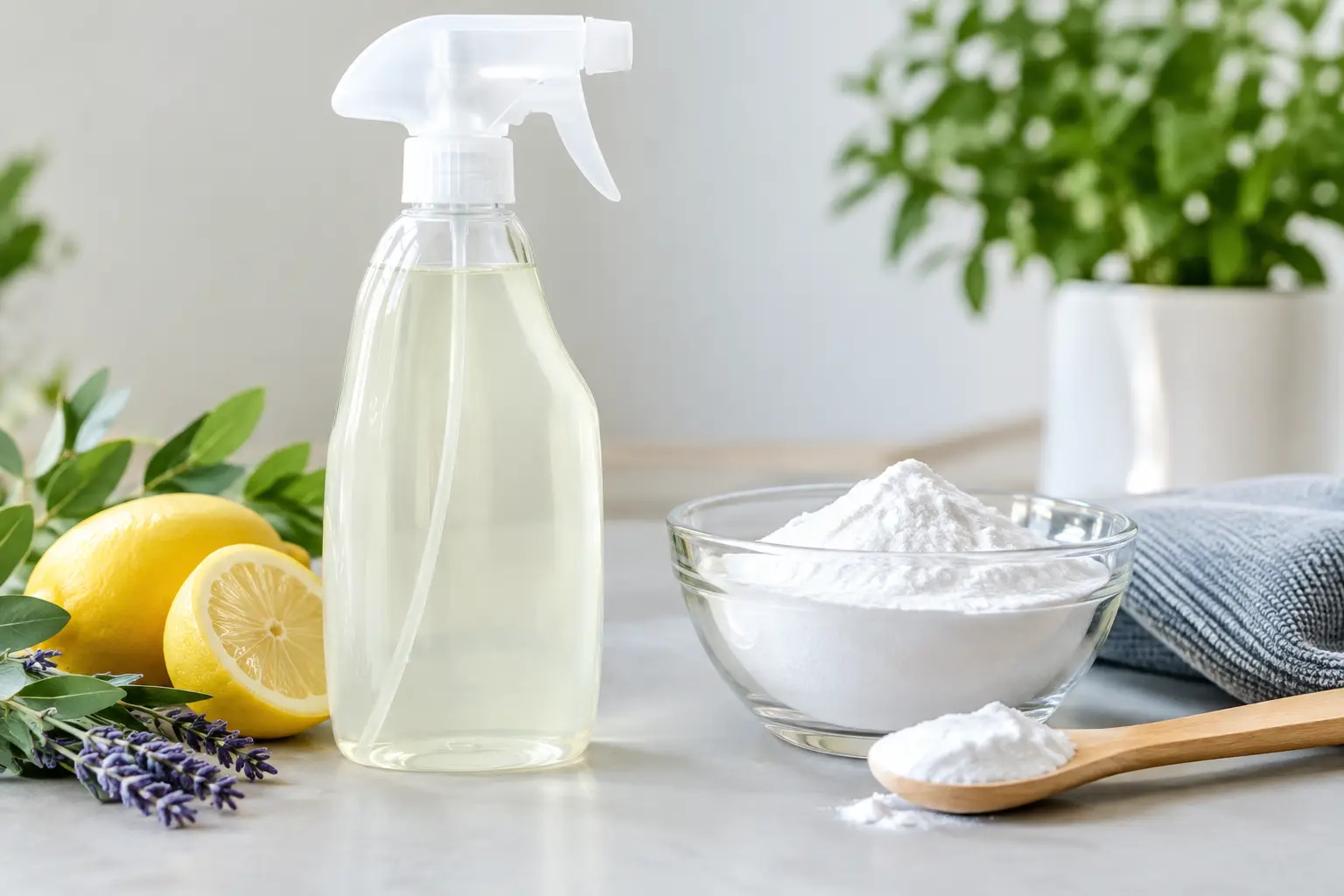
Baking soda is the old household standby: cheap, familiar, and capable of absorbing certain odors over time. A naturally derived odor-eliminating spray is the faster, more targeted option for the fabrics and surfaces that cannot sit around dusted in white powder for half a day. Choosing between them is less about declaring one holy and the other cursed. It is about knowing what kind of stink you are dealing with, where it lives, and how quickly you need it gone.
Natural Spray Versus Baking Soda: The Real Difference
Baking soda, also called sodium bicarbonate, is a mild alkaline powder. It can help absorb odor molecules and reduce some acidic smells, particularly in enclosed, dry spaces. Think refrigerator boxes, trash bins, dry carpets, and sneakers that have been given time to repent.
A natural odor-eliminating spray works differently. Rather than waiting around to absorb a smell from the air, it is applied directly to the source: upholstery, bedding, shoes, clothing, plastic, wood, and other everyday surfaces that have collected life’s little horrors. A well-made spray is designed to neutralize odors on contact while leaving behind a clean, essential-oil-based scent instead of a synthetic-fragrance fog bank.
That distinction matters. Baking soda is passive. Spray is active. One needs time, contact, and usually cleanup. The other is made for the moment you discover your guest is arriving in 20 minutes and the dog bed smells like it has seen things.
When Baking Soda Still Deserves Its Halo
Baking soda remains useful, especially for odor jobs where moisture is not part of the equation. Sprinkle it over a dry carpet or rug, leave it for several hours or overnight, then vacuum thoroughly. It can be helpful for a stale room, a lightly funky upholstered chair, or the inside of shoes that are dry enough to powder without becoming a paste from the underworld.
It also works well as a preventative in places where spills are unlikely. An open box in the refrigerator can help with general food odors. A small dish placed in a closed closet or cabinet may reduce mild staleness. For a trash can, a light layer under the liner can help limit the slow rise of garbage goblins.
But baking soda has limits that often get glossed over in grandma’s housekeeping gospel. It does not magically remove the source of every odor. If pet urine soaked into a rug pad, if mildew is growing in a damp towel, or if old food residue is stuck to the bottom of a trash can, powder alone is not an exorcism. The underlying mess needs to be cleaned first.
There is also the practical issue: it is a powder. On dark fabric, in deep carpet fibers, around children, pets, or vacuum-sensitive households, the cleanup can be irritating. Too much residue may be hard to remove, and repeated heavy use can be unkind to some vacuums. Baking soda is humble, but it is not consequence-free holy dust.
When a Natural Odor Spray Wins
Natural spray earns its keep when you need immediate, direct odor control without turning your living room into a baking show gone wrong. It is particularly useful for soft surfaces that hold onto smells: throw pillows, mattresses, curtains, upholstered furniture, blankets, jackets, gym bags, car seats, and pet beds.
These materials are odor sponges. They absorb cooking smells, body odor, smoke, pet funk, humidity, and the lingering traces of every questionable life choice that happened near them. Spraying the surface directly gives you a practical way to treat the place where the odor settled rather than hoping a bowl of powder across the room will intimidate it into leaving.
For shoes, a spray is usually the less messy choice. Baking soda can help if shoes are dry and can sit undisturbed overnight, but it may spill, clump, or leave a dusty residue. A quick spray after wearing them is easier to make part of a real routine. Same story for clothing: you can refresh a jacket, workout gear, or a thrifted find without dusting it like a haunted pastry.
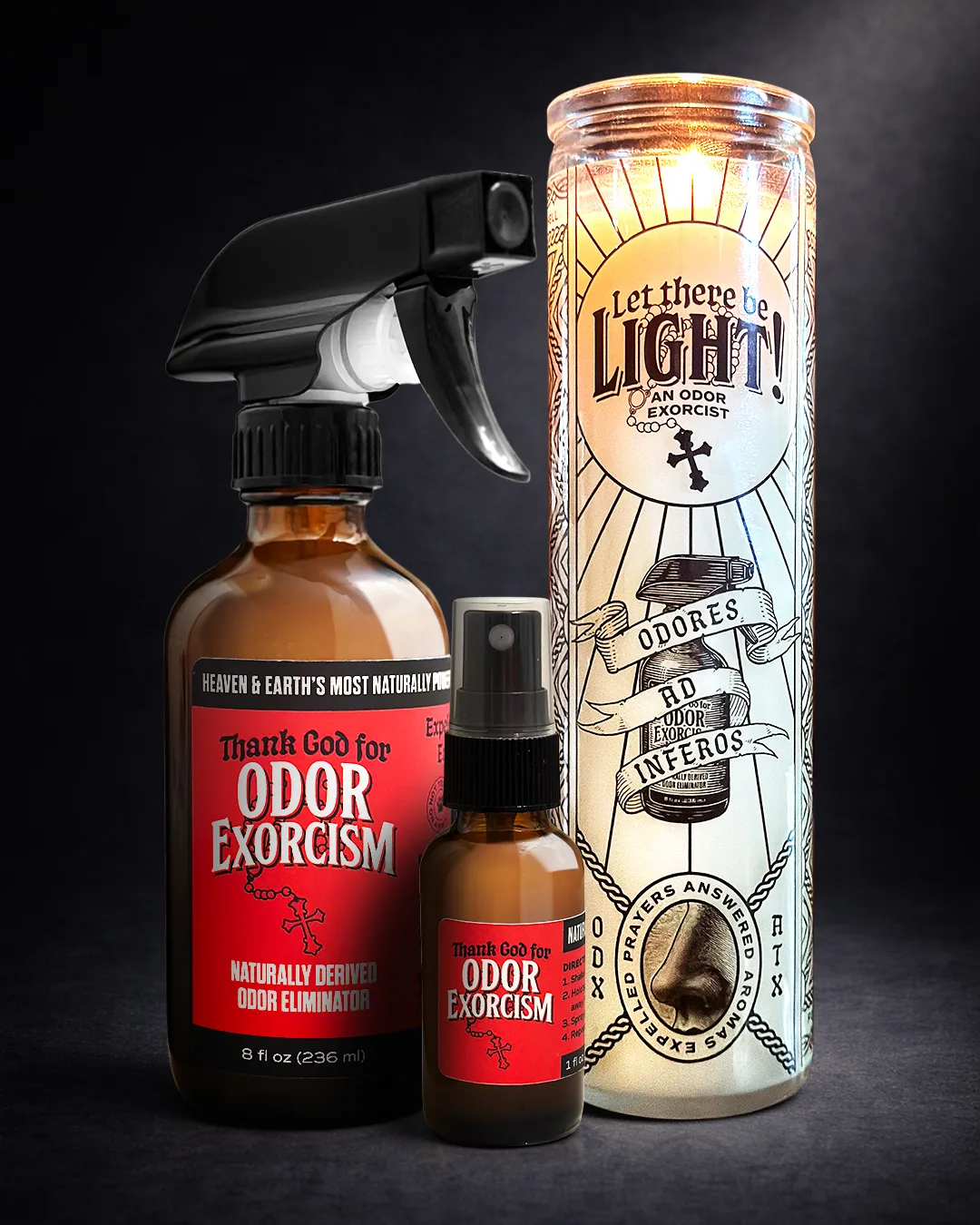
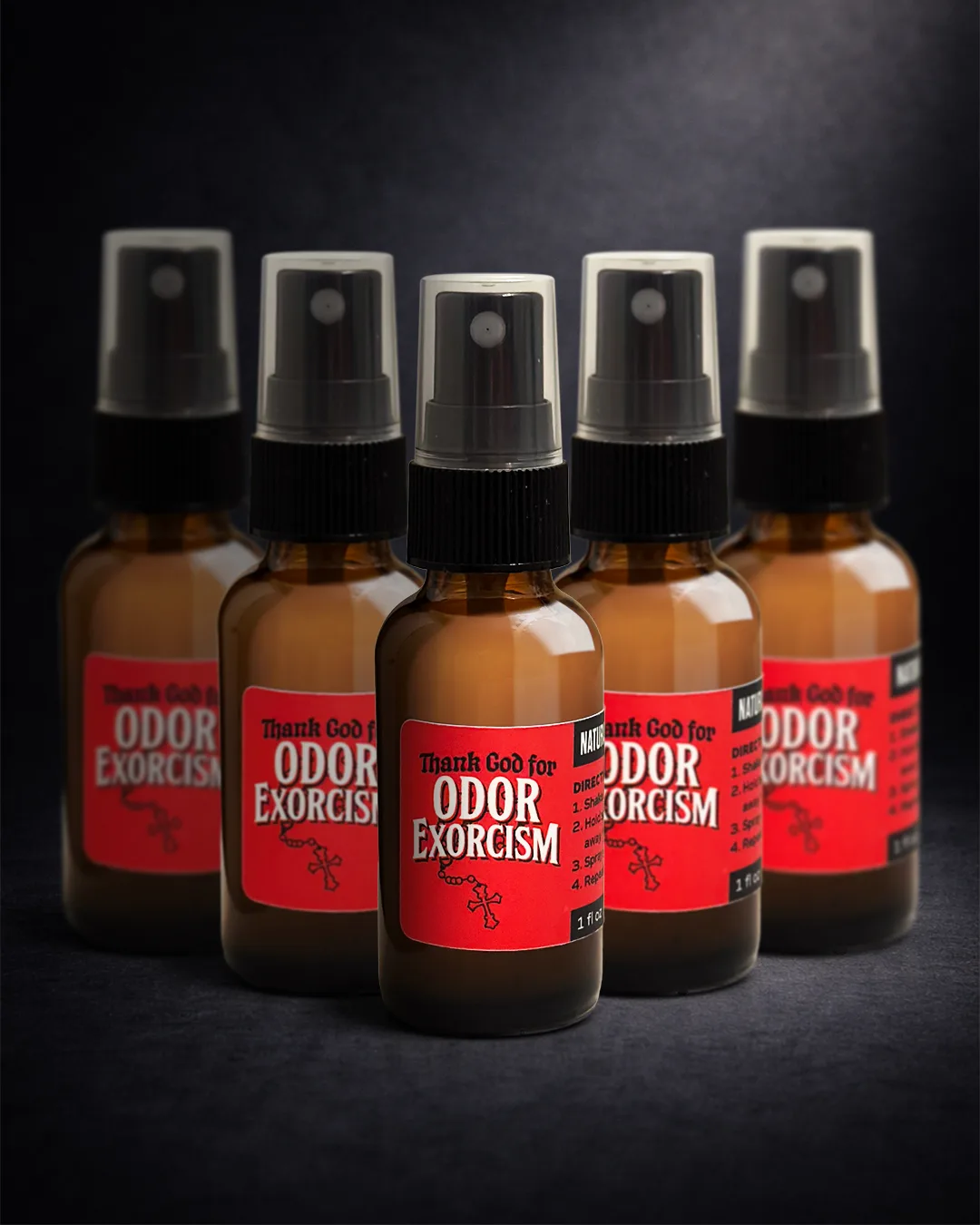
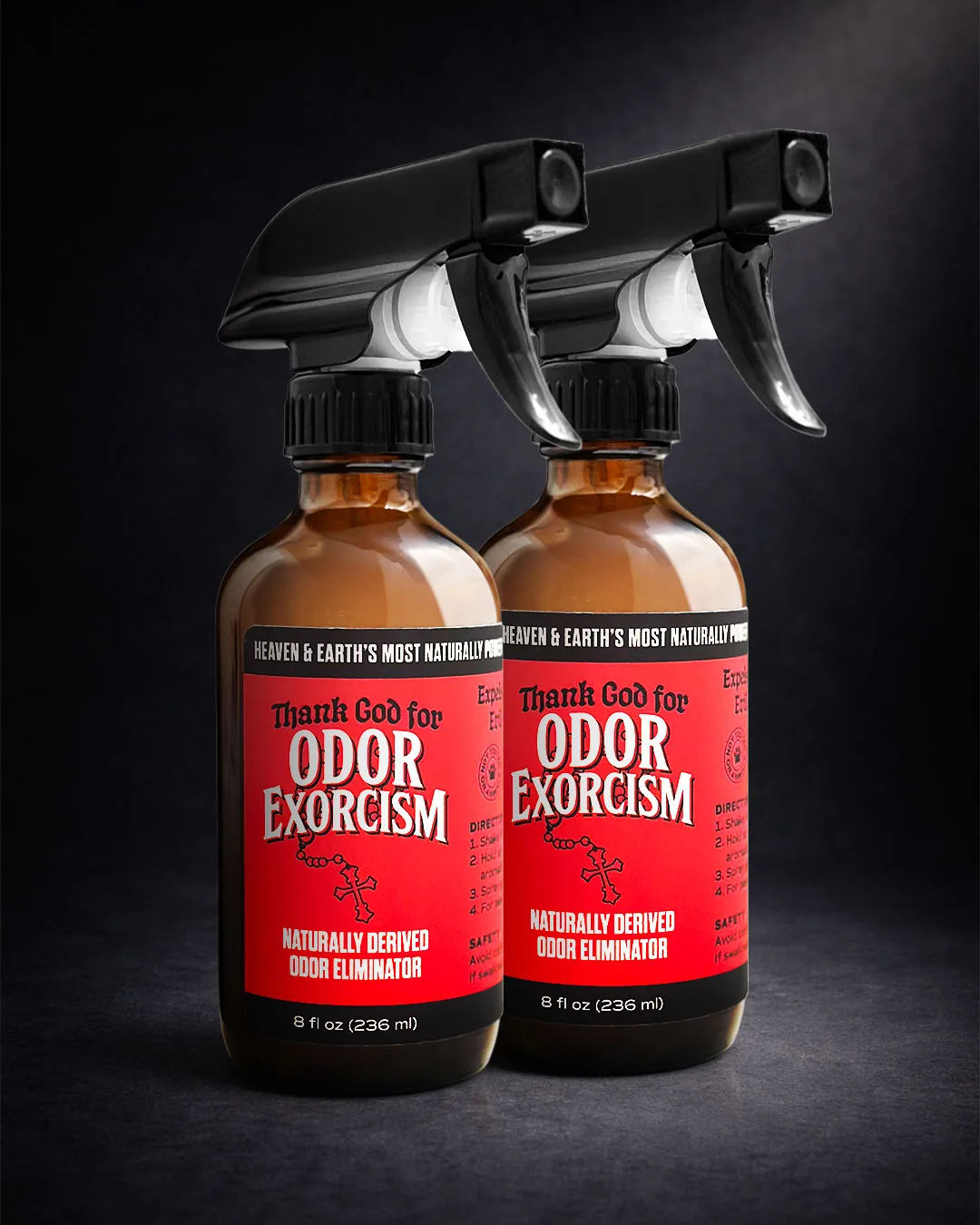
Odor Exorcism is built for this exact category of daily haunting. Its naturally derived, essential-oil-based formula is meant to neutralize bad odors across hard and soft household surfaces, without relying on the harsh, synthetic perfume blast that makes many conventional fresheners feel like they are trying to bury a demon under floral wallpaper.
The Ingredient Question: Natural Does Not Mean Careless
“Natural” can mean many things on a label, which is why smart shoppers read beyond the front of the bottle. Essential oils can smell beautiful and feel like a welcome alternative to synthetic fragrance-heavy products, but they are still concentrated ingredients. Use any spray according to its directions, avoid eyes and ingestion, and test a small hidden area before treating delicate fabric, finished wood, or specialty materials.
Pet owners should be equally sensible. Pets have more sensitive noses than humans, and some ingredients that smell lovely to us can be irritating if overused around animals. Ventilate the space, let sprayed surfaces dry, and do not treat your pet directly unless a product specifically says it is designed for that use. The goal is a fresher home, not a confused cat holding a tiny emergency meeting.
Baking soda has a clean, familiar reputation, but it deserves common sense too. Keep it away from curious toddlers and pets who may eat it, and do not make DIY pastes for every surface in sight. Its mild abrasiveness can be useful for certain cleaning jobs, yet that same quality can damage or dull delicate finishes.
The Best Approach Is Often Both
For a stubborn odor, the strongest strategy is usually not baking soda or spray. It is cleanup first, then the right odor treatment for the surface.
If a rug smells stale, vacuum it, use baking soda if the rug is dry and you have time, then vacuum again. Afterward, use a natural spray for an immediate refresh on the fibers and surrounding upholstery. If the trash can smells awful, wash away residue first, dry it, add a small amount of baking soda beneath a new bag if you like, and spray the exterior or nearby hard surfaces as needed.
For bedrooms, sprays tend to be the everyday hero. Refresh pillows, blankets, bedding, and upholstered headboards between wash days. Baking soda is more useful as an occasional deep-clean helper for a dry mattress or carpet, provided you can vacuum it completely. For kitchens, baking soda can support ongoing odor control in the fridge and trash bin, while spray is better for chairs, fabric runners, and the lingering scent of last night’s fish situation.
How to Decide in 10 Seconds
Ask yourself two questions: Is the item dry enough to powder and vacuum later? And do I need the odor handled now?
If it is a dry carpet, rug, closed bin, or refrigerator and you have time, baking soda can be a solid supporting player. If it is fabric, upholstery, shoes, bedding, clothing, or a hard surface that needs immediate attention, reach for an odor-eliminating spray. If the odor is strong, recurring, or connected to a spill, mold, pet accident, or food residue, clean the source before treating the smell.
No product can redeem a damp towel left in a heap for three days. That towel needs a wash. No powder can absolve a garbage can with leaked chicken juice in its grooves. That can needs soap and water. Odor control works best when it follows basic cleaning instead of pretending to replace it.
Your home does not need to smell like a department-store candle aisle to feel clean. Treat the source, choose the tool that fits the surface, and reserve the big rituals for the truly possessed laundry basket.