What Makes a Candle Non Toxic? The Real Test
Evangelize


August 6, 2026
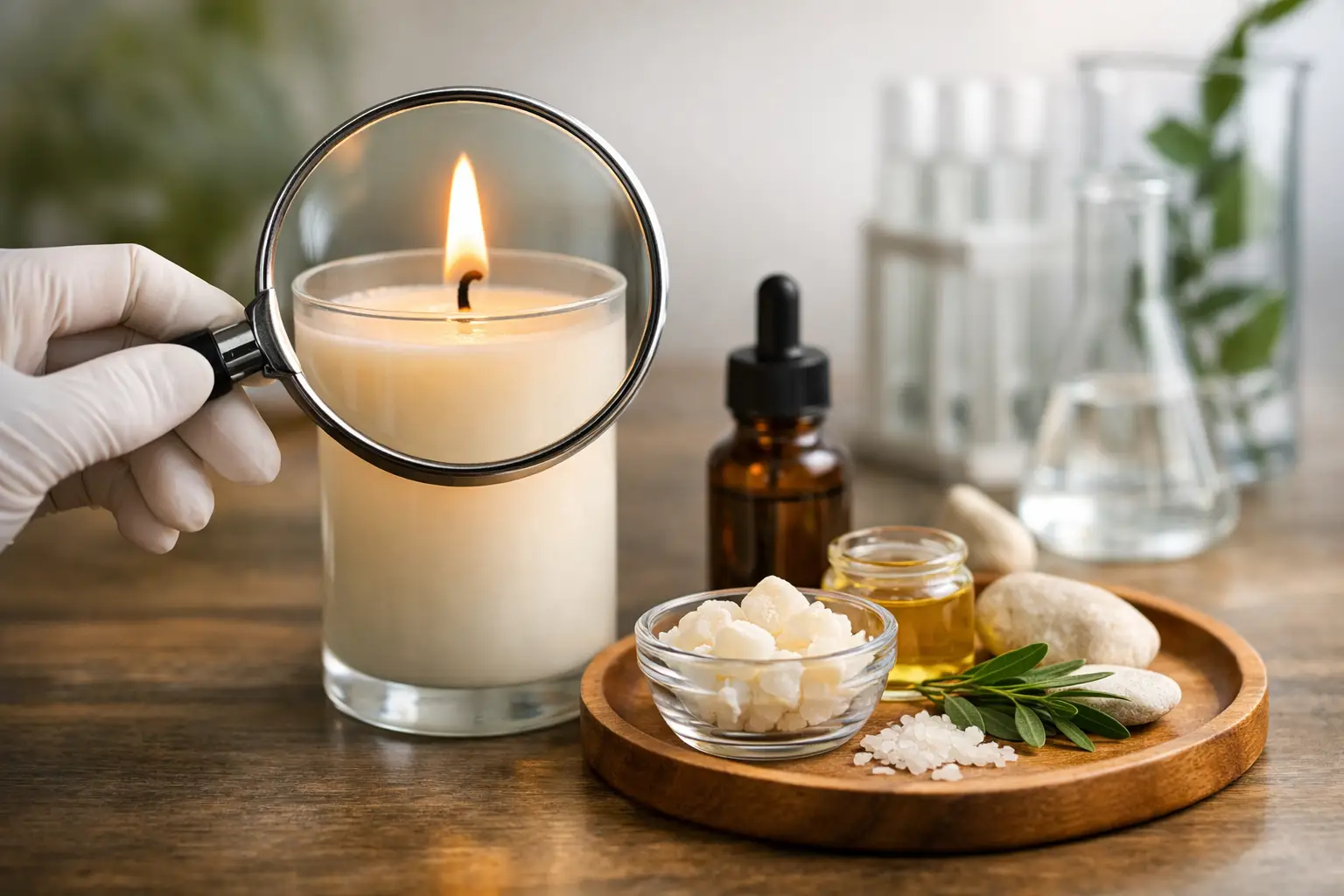
A candle can look angelic in a frosted jar, call itself “clean,” and still fog your living room with enough mystery fragrance to wake a minor demon. Labels are not always a confession booth. If you are asking what makes a candle non toxic, the honest answer is not one magic ingredient or a trendy wax name. It is the whole formula: wax, wick, fragrance, dyes, manufacturing standards, and how you burn the thing.
A truly better candle should make your home smell inviting without treating your indoor air like a chemical séance. That does not mean every natural ingredient is automatically harmless, or that any candle can burn with zero emissions. Fire is fire. But a thoughtfully made candle can reduce unnecessary junk, burn more cleanly, and give ingredient-conscious households a far less spooky option than the average synthetic fragrance bomb.
What Makes a Candle Non Toxic, Really?
“Non-toxic” is not a tightly regulated candle category with one official checklist. That means brands can use the phrase loosely, so shoppers have to read past the halo. In practical terms, a non-toxic candle is one made without ingredients commonly associated with unwanted indoor-air pollutants or health concerns, and with transparent information about what is actually inside.
The strongest candidates generally use a plant-based wax, a properly constructed cotton or wood wick, and fragrance materials selected with care. They also skip lead, excessive soot-producing additives, and vague claims that conceal an ingredient list longer than a cursed scroll.
The goal is not perfection. The goal is reducing avoidable exposure while still enjoying the small, sacred pleasure of lighting a candle after the dishes are done and the house finally stops acting possessed.
Start With the Wax, but Do Not Stop There
Wax is the fuel, so it matters. Soy wax is popular for good reason: it is plant-derived, generally burns slowly, and can produce less visible soot than some conventional alternatives when the candle is well made and properly trimmed. Coconut wax and beeswax are also common choices in cleaner candle formulas.
Paraffin wax, which comes from petroleum refining, is often the material ingredient-aware shoppers prefer to avoid. It can be inexpensive and performs well in scent-heavy candles, but it does not align with a plant-based or naturally derived approach. A paraffin candle is not automatically a villain in a black cape, but it may release more soot and combustion byproducts, especially if the wick is too large or the candle is burning poorly.
Still, “soy candle” is not a full exorcism. Many soy candles are actually soy blends containing paraffin or other waxes. A brand should say whether its wax is 100% soy, soy-forward, coconut-soy, or another blend. If the label only says “natural wax” and offers no details, that is a little suspicious. Not red-eyed-in-the-attic suspicious, perhaps, but enough to keep asking questions.
Beeswax deserves a nuance of its own. It is natural and burns beautifully, but it is not vegan, can cost more, and sourcing standards vary. Coconut wax can be silky and slow-burning, though it is usually blended because coconut oil alone is too soft for a stable jar candle. The best choice depends on your priorities, but clear disclosure should never be optional.
The Wick Should Not Be the Villain
A good wick creates a stable flame, melts wax evenly, and does not produce excessive smoke. Most well-made modern candles use cotton, paper-core, or wood wicks. Lead-core wicks have been banned in the United States for years, but older candles, imported products, and unlabeled finds from the depths of a random bargain bin are not where anyone should place blind faith.
Look for a wick identified as cotton, wood, or lead-free. That said, a “lead-free wick” is the floor, not the cathedral ceiling. Wick size matters just as much. If it is too large for the vessel or wax blend, the flame may run hot, mushroom at the tip, and create soot. Too small, and it can tunnel miserably into the wax like it has given up on this earthly realm.
Before each burn, trim the wick to about one-quarter inch. This small ritual reduces smoke, keeps the flame controlled, and helps the candle smell like its intended scent instead of singed regret.
Fragrance Is Where Labels Get Foggy
Fragrance is often the biggest question mark in candles. The word “fragrance” can represent a complex blend of aromatic materials, and brands are not always required to list every component. Some conventional candles rely heavily on synthetic fragrance formulations that may include phthalates or other compounds shoppers would rather not burn in a small apartment, nursery, or pet-filled home.
A better candle brand should be specific about its fragrance standards. Look for language such as phthalate-free fragrance, essential-oil-based scent, or transparent disclosure about what has been excluded. If a candle claims to be clean but says nothing beyond “premium fragrance,” the fog machine is working overtime.
Essential oils can be a thoughtful alternative or addition, but they are not a get-out-of-hell-free card. Essential oils are highly concentrated plant compounds, and some can be irritating for sensitive people, pets, or people with asthma. Citrus, eucalyptus, peppermint, tea tree, and certain floral oils may be unwelcome around particular animals or individuals. Natural does not mean consequence-free. It means you still need to use your mortal judgment.
For households with allergies, respiratory sensitivities, babies, or pets, less scent is often better than more scent. Consider burning candles for shorter periods in a well-ventilated room, or choosing unscented options when any added aroma feels like too much.
Watch for Dyes, Additives, and Decorative Drama
A non-toxic candle does not need a carnival of artificial color, glitter, embedded plastic decorations, or mystery additives to earn attention. Dyes and decorative elements can affect how a candle burns, particularly when they interfere with the wick or create more smoke.
Simple formulas tend to be easier to evaluate. Wax, wick, fragrance, and perhaps a modest colorant are not boring when the candle performs well. They are evidence that the maker understands restraint – a rare virtue in a category that sometimes treats every jar like a tiny pyrotechnics experiment.
This does not mean every colored candle is bad. It means the manufacturer should test it properly and tell you what is in it. Transparency is the real holy water here.
Clean Burning Depends on How You Use It
Even a carefully formulated soy candle can smoke if you burn it for six hours beside an open window, let the wick grow wild, or place it under a drafty vent. Candle safety and air quality are partly in your hands.
Burn candles on a stable, heat-safe surface and keep them away from curtains, bedding, and curious pets. Let the wax melt pool reach close to the edges during the first burn to reduce tunneling, but do not burn for longer than the maker recommends. Four hours is a common maximum for many container candles, though the label should have the final word.
Ventilation matters, too. You do not need to turn your living room into a wind tunnel, but fresh airflow helps prevent fragrance and combustion particles from lingering. If you notice black soot on the jar, a flickering oversized flame, or a sharp burnt smell, extinguish the candle, let it cool, trim the wick, and reassess. That is not ambiance. That is a warning from the underworld.
How to Shop for a Better Candle
When comparing candles, favor brands that plainly identify the wax type, wick material, fragrance approach, and ingredients they avoid. A vague front label is not enough. Search for details such as 100% soy wax or a disclosed plant-wax blend, cotton or wood wicks, phthalate-free fragrance, and no paraffin, lead, or unnecessary dyes.
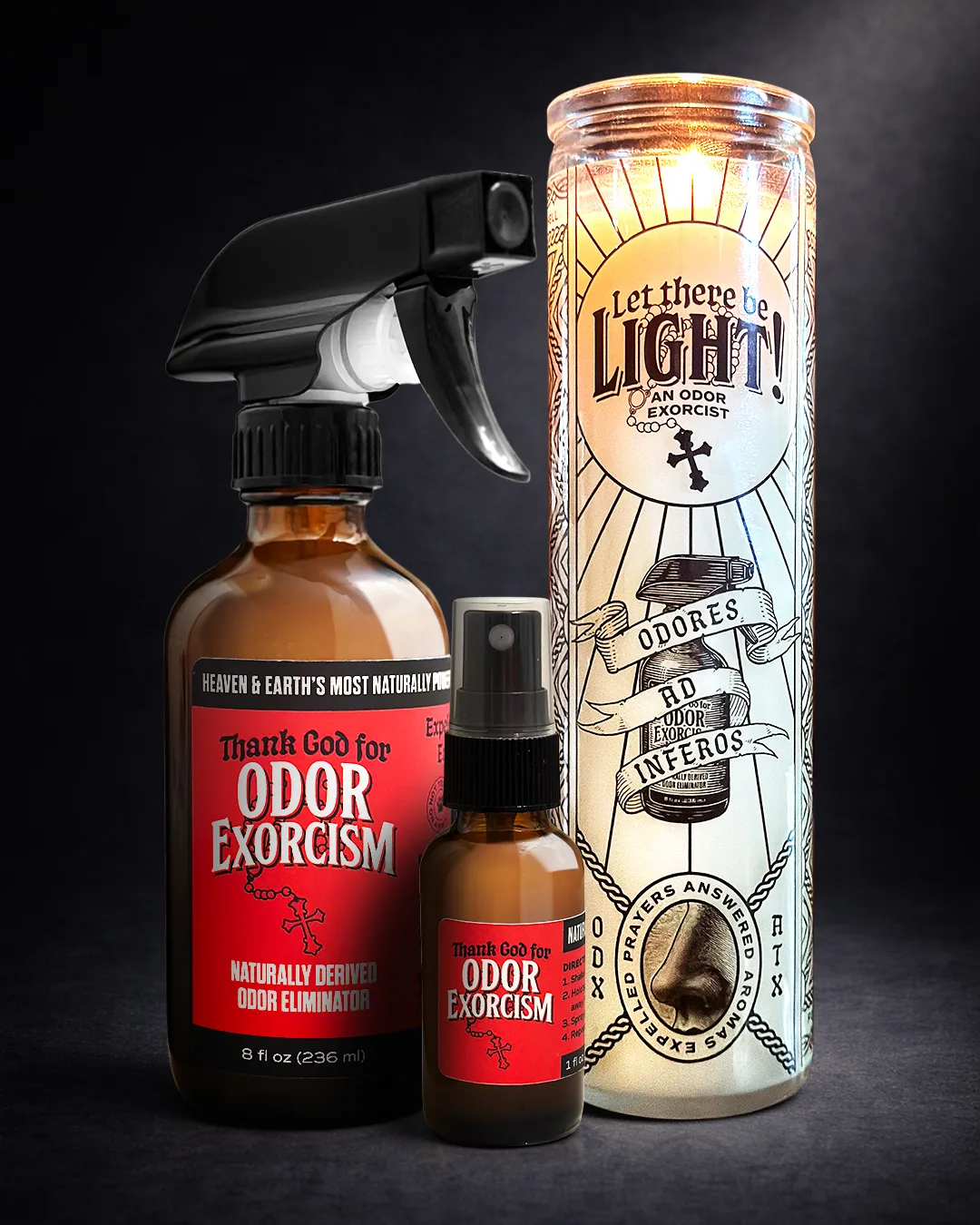
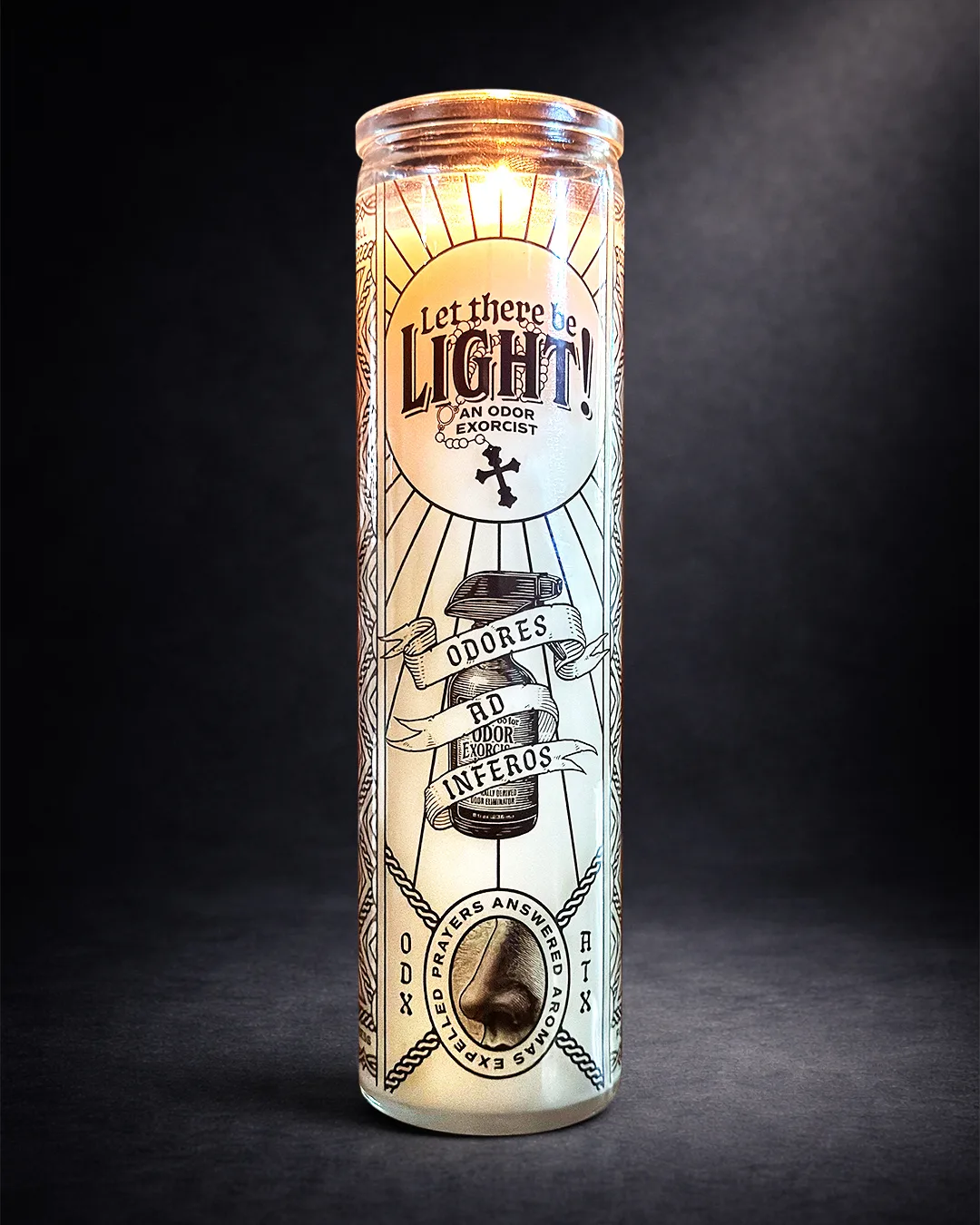
Also consider where and why you are burning it. A strong scent that feels luxurious in a large, airy living room may be overwhelming in a dorm room or bedroom. For a home already fighting cooking smells, pet odors, laundry funk, and shoe-level crimes against humanity, choose scent products that support a cleaner space rather than merely covering the evidence. Odor Exorcism candles fit that spirit: a little atmosphere, less synthetic-fragrance theatrics, and no need to summon a floral cover-up for every household sin.
The best non-toxic candle is not the one with the most dramatic label claim. It is the one with a transparent formula, sensible materials, and a burn that behaves itself. Light it with intention, keep the wick trimmed, crack a window when needed, and let your home smell like a sanctuary – not a perfume counter haunted by bad decisions.