Room deodorizer spray that kills funk fast
Evangelize


June 5, 2026
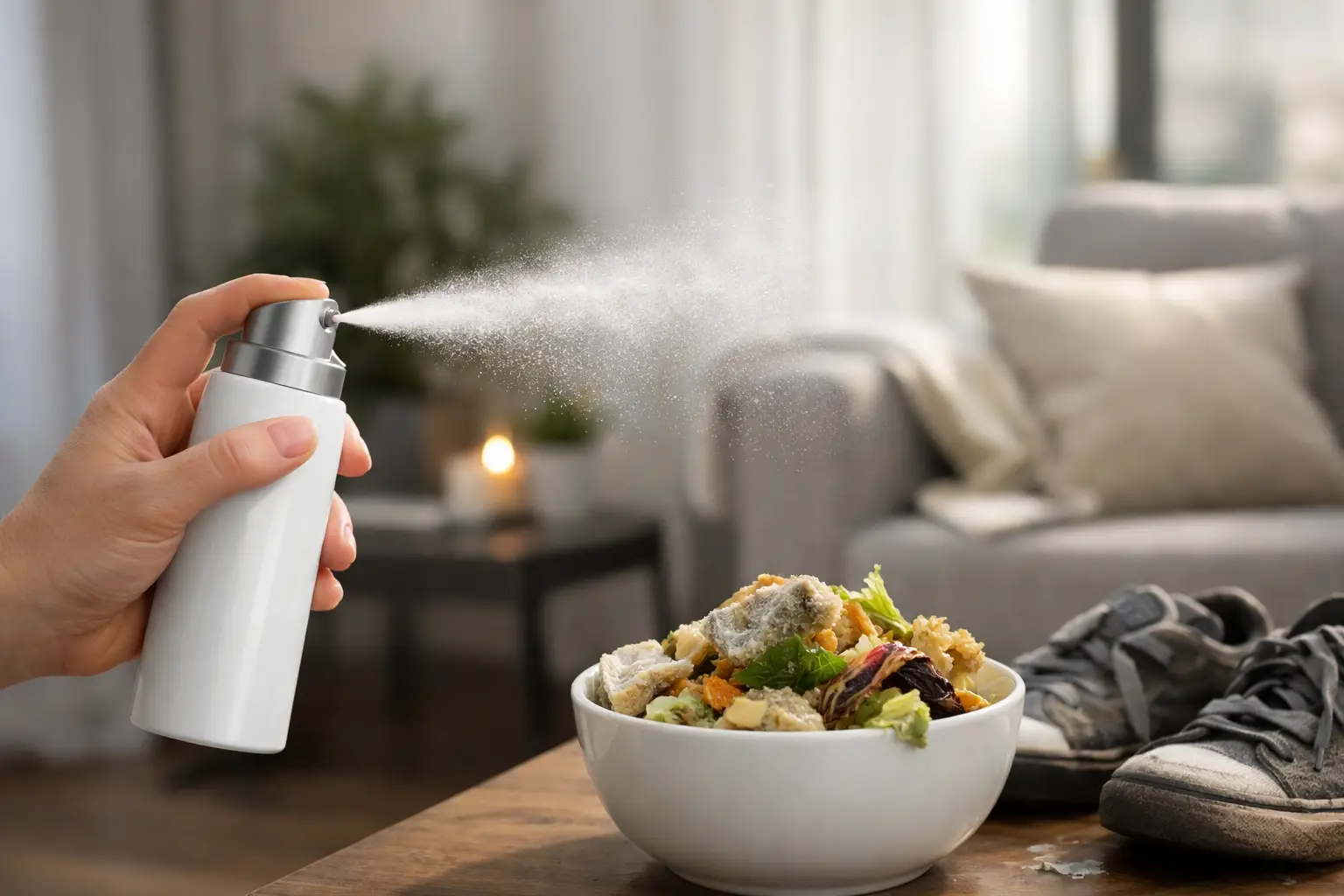
Some smells do not politely leave when you crack a window. They squat. They haunt. They seep into blankets, sneakers, couch cushions, and that one corner of the bedroom that always smells vaguely suspicious. A good room deodorizer spray is supposed to deal with the problem, not throw a cloud of fake perfume over the crime scene and call it cleansing.
That is where people get duped. Half the products in this category are basically scented smoke machines for your nose. They create the illusion of freshness for ten glorious minutes, then the stale air crawls back out of the underworld. If you want a home that actually smells clean, not chemically baptized, you need to know what a spray is really doing when it hits the air or lands on fabric.
What a room deodorizer spray should actually do
At the most basic level, a room spray can do one of two things. It can mask odor, or it can help neutralize it. Those are not the same job, and brands love pretending they are.
Masking means adding a stronger scent on top of the bad one. Sometimes that works briefly in a bathroom emergency or before guests show up unannounced. But if the original odor is coming from pet bedding, dirty laundry, upholstery, shoes, garbage, or musty fabric, perfume is not solving anything. It is just putting a flower crown on a goblin.
Neutralizing is the better mission. That means the spray is formulated to interact with odor molecules so the stink loses its power instead of getting buried under synthetic fragrance. If you are shopping for a room deodorizer spray for daily use, this is what matters most. The nose candy is optional. The odor elimination is the point.
Why so many sprays fail the exorcism
A lot of conventional sprays are built to impress you in the first five seconds. Big scent blast. Loud fragrance. Immediate “something happened” effect. That can feel satisfying, but it comes with trade-offs.
First, heavily fragranced sprays can make a room smell like a department store candle aisle and a public restroom had a dramatic affair. Second, strong synthetic fragrance is exactly what many ingredient-conscious shoppers are trying to avoid. If you have kids, pets, sensitivities, or simply a low tolerance for fake-clean smells, that kind of product can feel like punishment disguised as freshness.
The other issue is where the odor lives. A room rarely smells bad just because the air decided to become evil. Usually the stink is embedded in surfaces. Carpets hold onto pet odor. Curtains trap cooking smells. Bedding absorbs sweat. Sofas collect life. If your spray only perfumes the air, it is skipping the actual exorcism site.
The difference between air freshening and odor removal
This is where the label deserves a suspicious squint. If a product is sold like a glamorous mist for the room but says very little about neutralizing odor on contact, be careful. You may be buying ambiance, not performance.
A useful spray should work in the air and on everyday household surfaces where odor settles in. That includes soft goods like bedding, rugs, upholstery, and clothing, plus harder surfaces like sealed wood, plastic, and shoes. The more practical the use cases, the more likely the formula was built for real life instead of fragrance theater.
It also depends on your goal. If you want your home to smell like a spa for an hour, almost any scented mist can fake that. If you want to deal with dog bed funk, stale closet smell, or that deeply cursed guest room comforter, you need a formula that goes after odor at the source.
How to choose a room deodorizer spray without getting possessed by marketing
Start with ingredients. If you prefer a cleaner-feeling home, a natural odor eliminator spray with an essential-oil-based scent profile—instead of the usual synthetic fragrance bomb—is just what the exorcist ordered. Natural-ness doesn’t automatically make a product better at odor removal, but it does tell you something about its philosophy. Some brands are trying to build a fresher home. Others are trying to fumigate your senses.
Then consider where you will actually use it. A spray that is only pleasant in the air but not suitable for fabric is limiting. Most homes need something more versatile. Dorm rooms, apartments, pet zones, laundry piles, entryway rugs, and upholstered furniture all collect odor differently. A one-note bathroom spray will not carry the load.
You should also think about scent strength. Stronger is not always better. For many households, especially smaller spaces, a lighter clean scent is more livable than a fragrance that body-slams everyone who enters. The best room deodorizer spray leaves the room feeling clean, not colonized.
Where a room deodorizer spray earns its keep
The living room is an obvious battlefield. Upholstery, throw blankets, rugs, and pet-favored corners absorb odor quietly until the whole space starts smelling tired. A good spray can freshen those soft surfaces between deeper cleanings, especially if your couch has become a community center for dogs, snacks, and human existence.
Bedrooms are another major target. Bedding holds onto sweat, body oils, and stale air faster than most people realize. You wash sheets, sure, but comforters, pillows, and upholstered headboards are often running odor side quests. A light mist can help reset the space without making it smell like a perfume counter ambushed your mattress.
Then there are shoes, closets, and laundry zones, where evil truly gathers in clusters. These are the places where odor tends to linger even when everything looks tidy. If your spray works on fabric and hard surfaces, it becomes much more than a decorative room product. It becomes a small domestic weapon.
Natural-smelling beats fake-clean every time
There is a reason more shoppers are moving away from old-school air fresheners. People are tired of equating clean with overpowering fragrance. A room that smells fresh should feel breathable, not suspicious.
That is why essential-oil-based sprays have appeal. When done well, they smell more grounded and less aggressive. The effect is cleaner and more believable. You are not trying to summon a tropical storm in your kitchen or make your hallway smell like mystery berries. You are trying to get rid of odor and leave behind a space that feels normal, calm, and actually livable.
That said, natural scent is not a free pass. If a formula smells nice but does not perform, it is still failing. The sweet spot is a spray that neutralizes odor and smells good enough to make the room feel refreshed, not embalmed.
When spray helps – and when you need more than spray
A room deodorizer spray is powerful, but it is not holy water for structural problems. If the smell is coming from mold, water damage, overflowing trash, a litter box that needs serious attention, or fabric that has not been washed since a previous era, the spray is not the whole fix. It helps, but the source still has to go.
Think of it as part of the ritual. Clean the offending surface. Wash the fabric. Open the room if possible. Then use the spray to neutralize the odor that remains and keep the air from slipping back into goblin mode.
This is also why versatility matters so much. The closer you can get the product to the source of the smell, the better your result. Air-only products have their place, but source-targeting sprays are far more useful in homes where people, pets, food, workouts, weather, and daily chaos are constantly producing fresh little demons.
What people really want from a spray now
They want effectiveness without the chemical cloud. They want a house that smells fresh without announcing itself from the driveway. They want one product that can handle the couch, the dog bed, the bedroom, the shoes by the door, and the weird stale smell in the guest room before family arrives.
Most of all, they want honesty. If a spray is just a fragrance product, fine. Call it that. But if it claims to eliminate odor, it should be built to do the hard work. That means neutralizing stink on contact, working across common household surfaces, and fitting into a cleaner home routine without turning the air into a synthetic hostage situation.
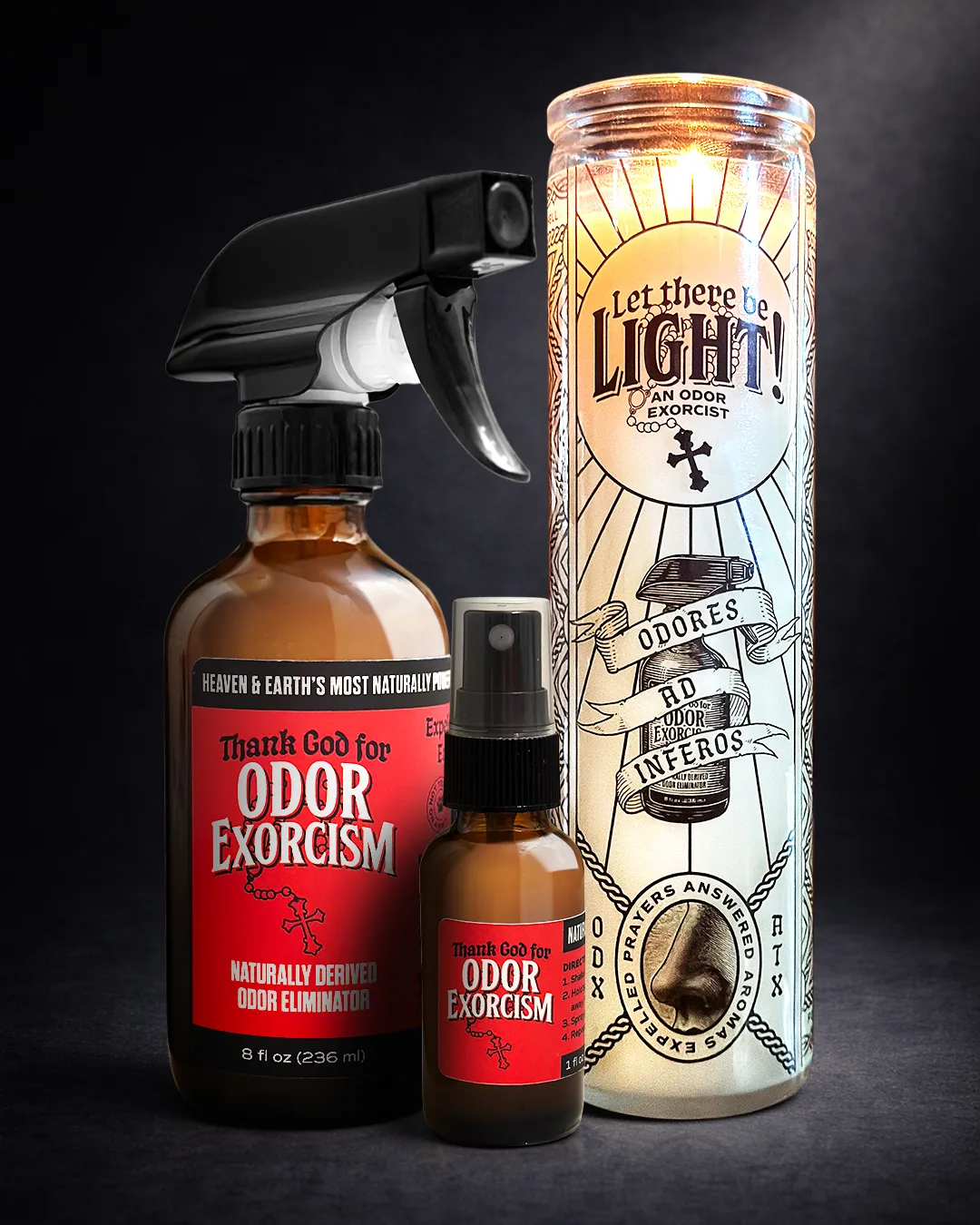
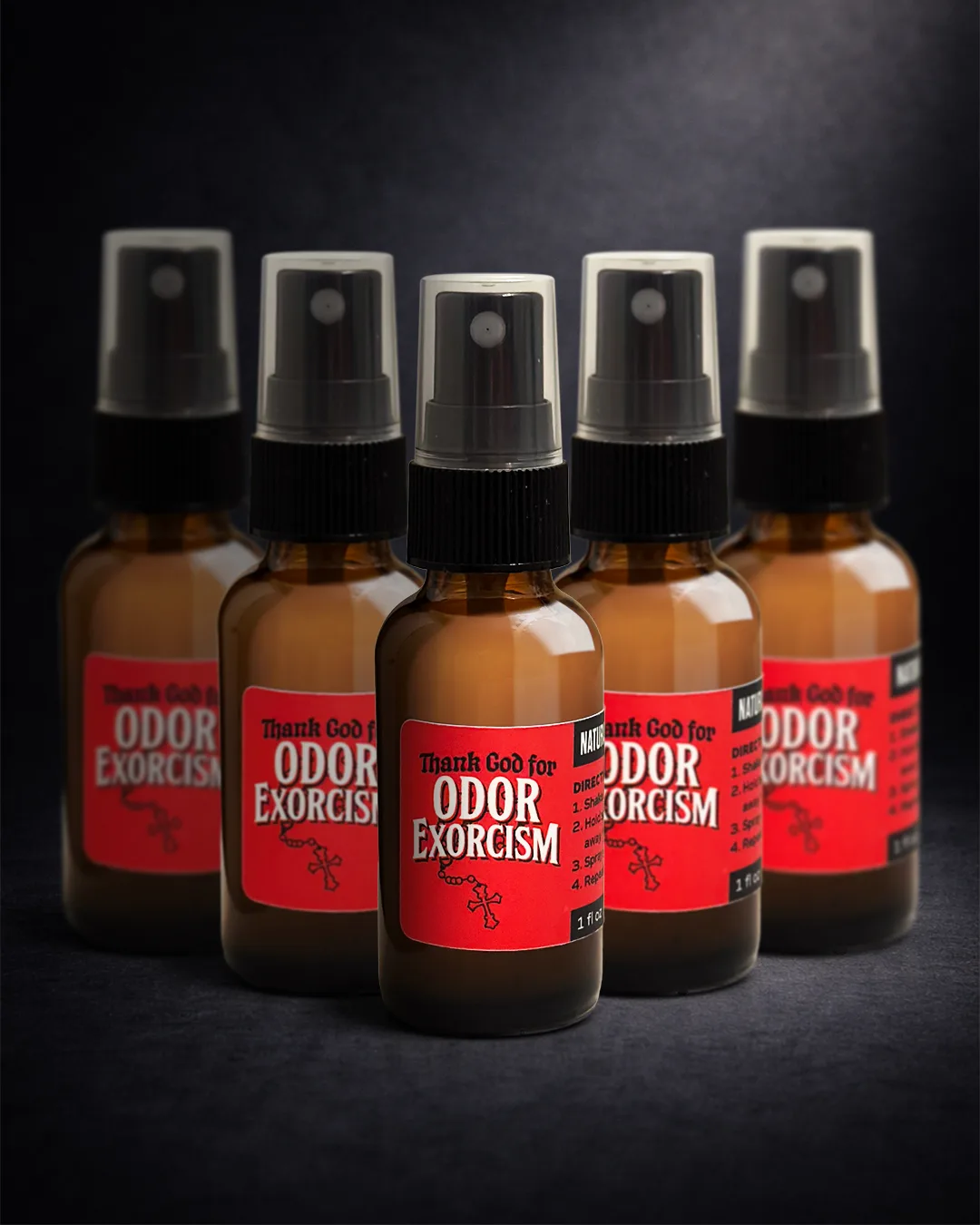
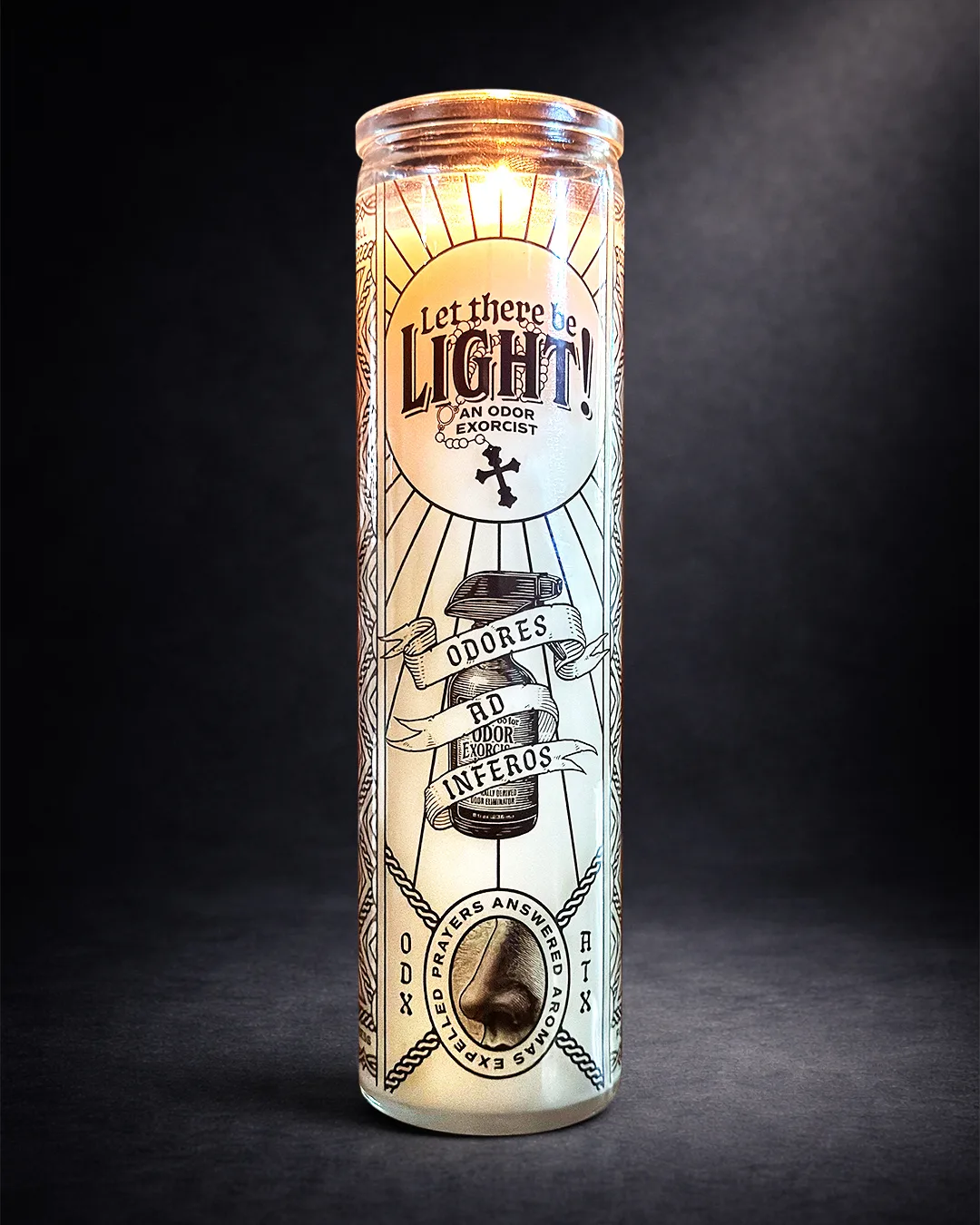
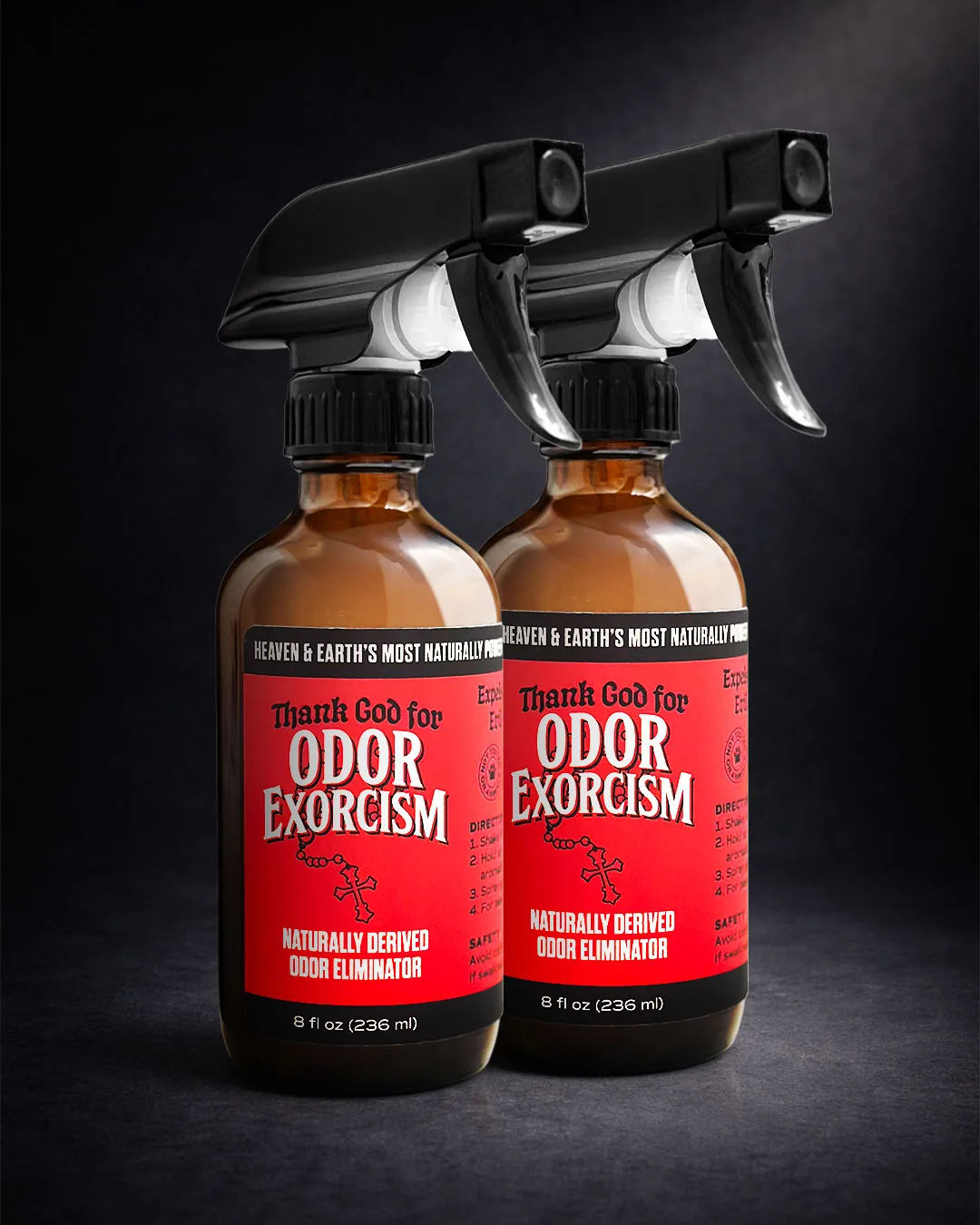
That is why a brand like Odor Exorcism stands out. The horror-show humor is fun, sure, but the real point is serious – people are looking for a non-toxic, naturally derived alternative to old-school sprays that simply perfume the problem and flee the scene.
Your home does not need more fragrant lies. It needs a spray that can walk into a funky room, confront the stink, and send it back to whatever pit it crawled out of.