A guide to essential oil room sprays
Evangelize


May 31, 2026
One blast of fake “ocean breeze” and suddenly your living room smells like a haunted candle aisle. That is exactly why a real guide to essential oil room sprays matters. If you want your home to smell clean without drowning it in synthetic perfume, you need more than a pretty label and a vague promise about freshness.
Essential oil room sprays can be a smart upgrade from conventional air fresheners, but not all of them are built the same, and few can claim to be a truly natural odor eliminator spray. Some are designed to lightly scent a space. Some are trying to cover up funk with a cloud of fragrance. And some actually help tackle the odor itself instead of just putting a floral sheet over the demon and calling it healed.
What this guide to essential oil room sprays is really about
Let’s separate the holy water from the nonsense. A room spray made with essential oils is usually marketed as a cleaner, more natural way to freshen indoor air. That part can be true. Essential oils come from plant materials, and many shoppers prefer them because they want to avoid the heavy synthetic fragrance load common in mainstream sprays.
But “essential oil room spray” is not automatically a purity badge. One formula may use a short, understandable ingredient list and rely on essential oils for scent. Another may still include harsh solvents, mystery fragrance blends, or ingredients that exist mostly to make the spray smell strong for a long time. If you care about what hangs in your air and lands on your fabrics, the ingredient list matters more than the front label.
That is the first big trade-off. Some sprays smell dramatic and linger forever because they are loaded with fragrance technology. Others smell more natural, more subtle, and less aggressive. If your goal is a home that smells clean rather than cosmetically perfumed, subtle is not a flaw. It is usually a sign that the spray is not trying to body-slam your senses into submission.
Scented air vs actual odor control
This is where a lot of shoppers get tricked by the power of vibes. A room can smell like lavender and still absolutely reek underneath. Traditional air fresheners often do one job—they mask. That can be fine if you just want a quick scent boost before guests arrive, but it is not the same as odor elimination.
A better room spray is designed with odor neutralization in mind. Instead of trying to smother pet funk, stale bedding, shoe stink, or mystery couch odor under a mountain of fragrance, it works on the source of the smell while adding a cleaner scent profile. That difference matters most in the real world, where odors cling to soft surfaces, not just the air.
If you have pets, kids, gym bags, older apartments, or a bathroom with bad intentions, masking alone gets old fast. You spray, it smells nice for ten minutes, then the demon rises again. A room spray that supports odor elimination gives you a fresher result because it is solving more than the symptom.
How to read the label without getting possessed
A good guide to essential oil room sprays has to include the label test, because packaging can be slicker than a televangelist on commission. Start with the basics. Look for clear ingredient disclosure. If the product leans on broad terms like “fragrance” without much explanation, that tells you less than you probably want to know.
If you are shopping for a cleaner-feeling option, pay attention to whether the formula is positioned as naturally derived and whether it avoids the usual synthetic fragrance-heavy approach. For ingredient-aware buyers, transparency is part of the product.
You also want to consider where the spray will be used. If it is going on bedding, upholstery, carpets, clothing, or shoes, the formula should feel appropriate for household surfaces, not just open air. Some sprays are basically perfume for the atmosphere. Others are versatile enough to help freshen both the room and the fabric demons living inside it.
And yes, scent style matters. Citrus blends tend to smell bright and clean. Herbal notes can feel crisp or spa-like. Woodsy scents often read warm and grounded. Floral oils can be beautiful, but they can also veer powdery if the blend is poorly balanced. The best choice depends on your taste, your space, and whether you want “freshly cleaned apartment” or “enchanted forest with boundaries.”
When essential oil room sprays work best
Room sprays shine in the everyday moments that make a house feel slightly cursed. Think morning pet beds, entryway shoes, laundry baskets, guest rooms that smell shut-in, and the couch after movie night plus takeout. They are also useful in homes where people want more control over scent intensity. A candle can be lovely, but it is slower. A plug-in can be relentless. A spray gives you immediate control.
They also work well for renters and dorm dwellers who cannot exactly remodel mildew, replace old carpet, or perform structural miracles. A good spray helps you manage odor in the space you have.
That said, there are limits. If your room smells musty because of hidden moisture, no spray is going to cast out the source. If pet odor has soaked deep into padding, you may need a deeper clean. The smartest use of room spray is as part of your odor routine, not as a magic trick for serious household issues.
How to choose the right spray for your space
Start with your real problem, not your fantasy self. If your main issue is post-cooking air, you may want something bright and sharp that cuts through lingering food smells. If you are dealing with fabrics, shoes, or bedding, prioritize odor-neutralizing performance over dramatic fragrance. If scent sensitivity is a concern in your home, choose lighter profiles and use them with restraint.
Then think about surface range. The more flexible the spray, the more useful it becomes. A formula that can freshen air, upholstery, linens, and other common home surfaces gives you more mileage than a spray that only works as a quick puff into the void.
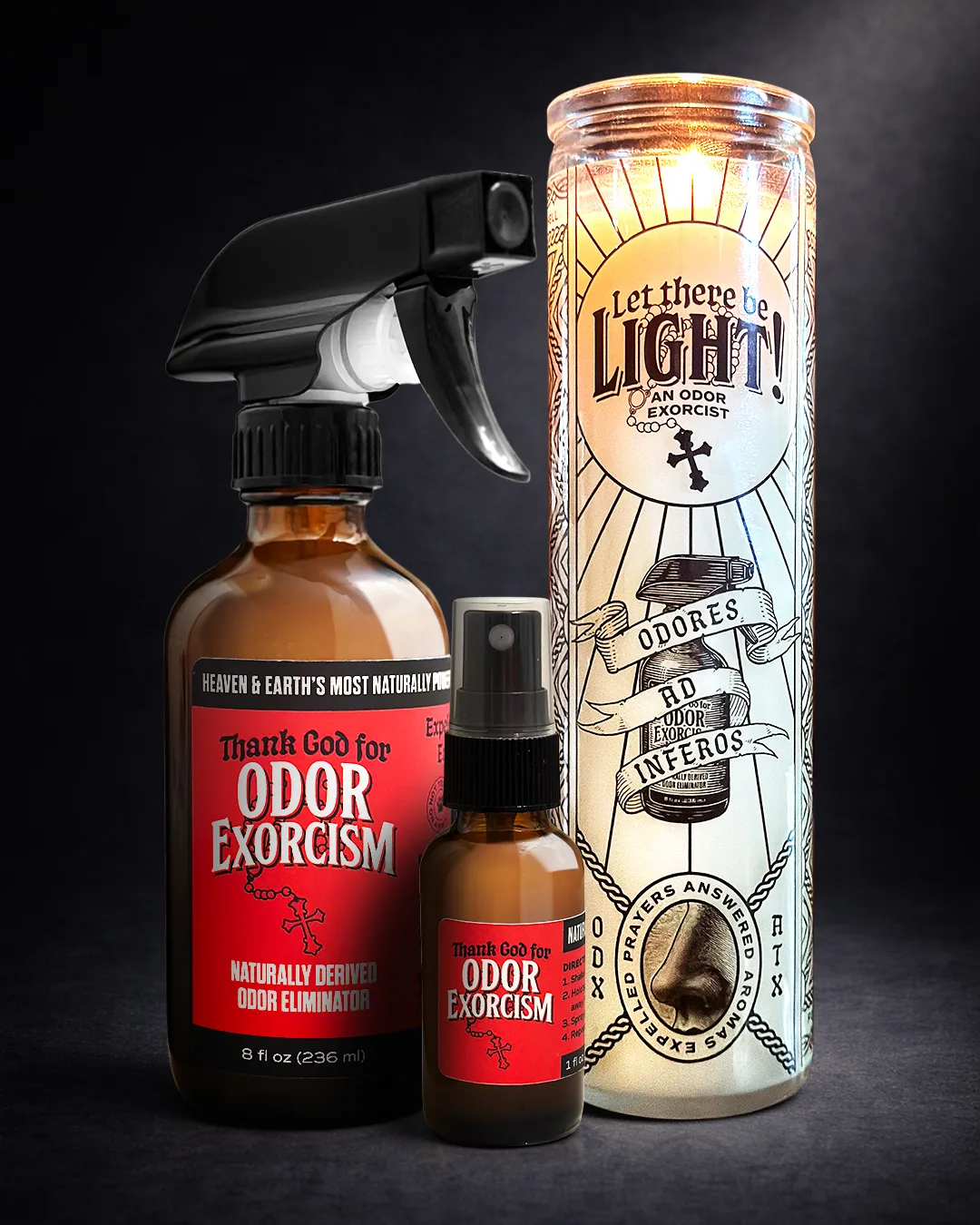
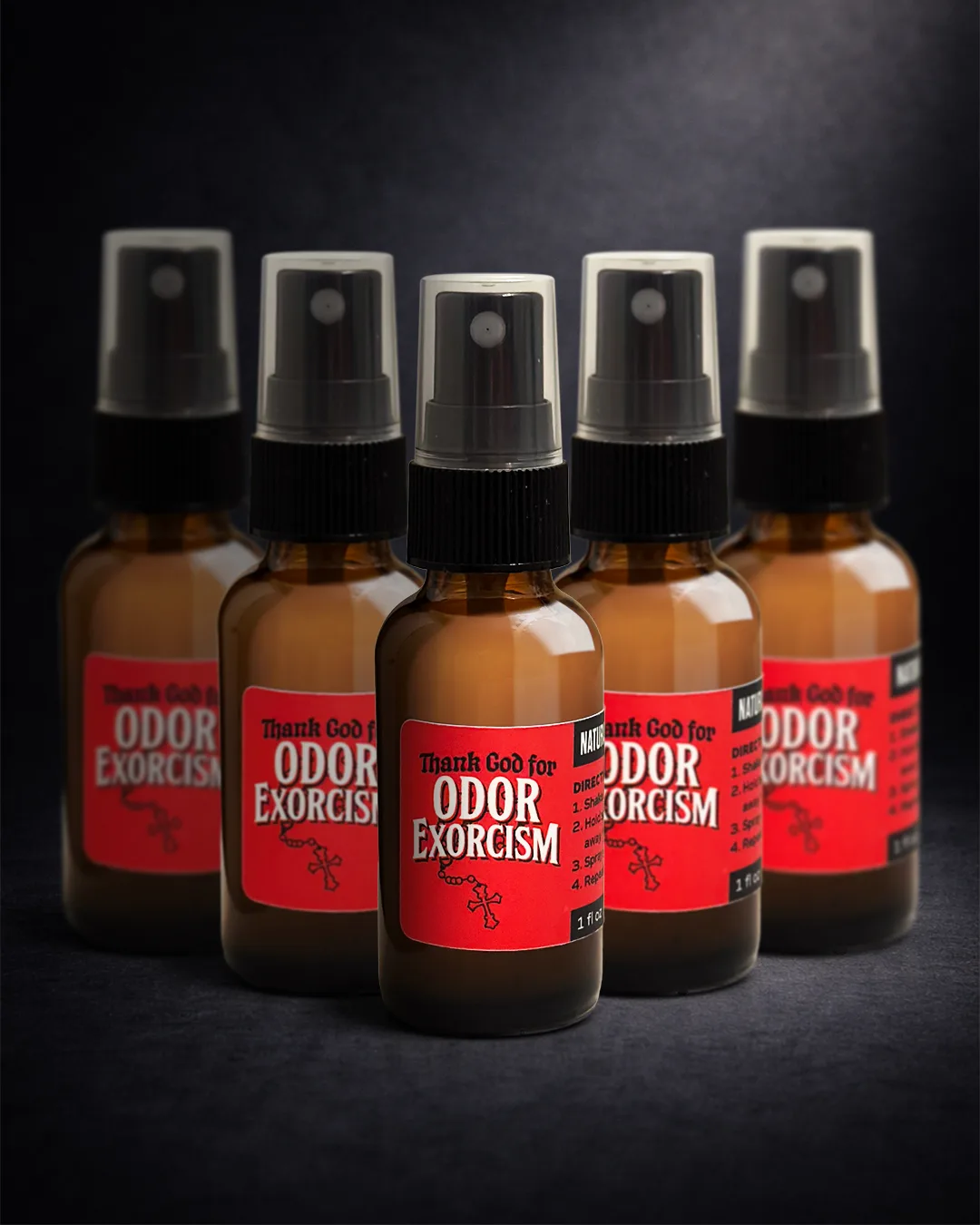
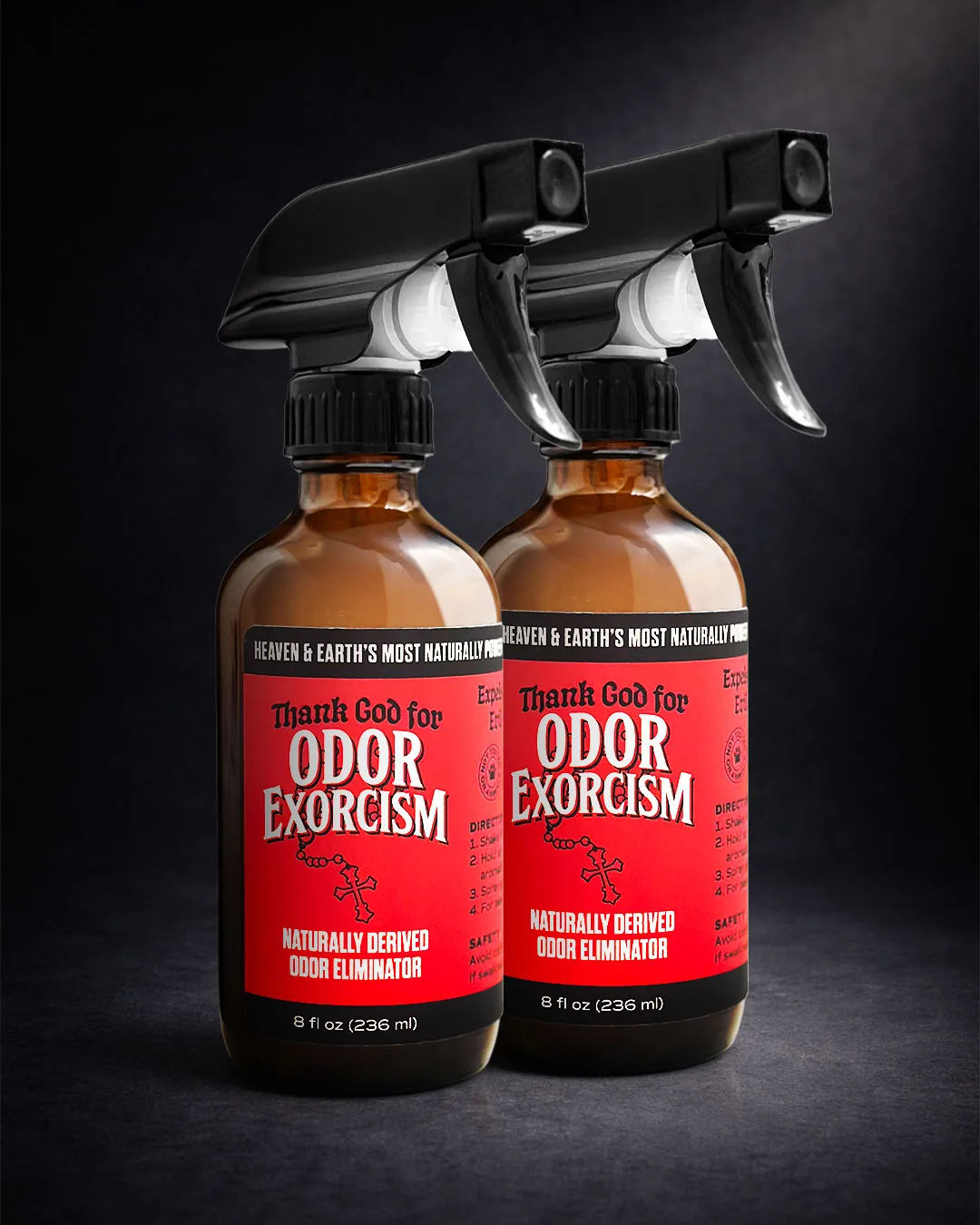
This is also where brand philosophy matters. If a product openly rejects the fake, headache-inducing fragrance cloud and focuses instead on naturally derived ingredients and practical odor removal, that is usually a good sign. Odor Exorcism, for example, built its whole personality around taking household stink seriously without taking itself too seriously. That is a rare combination in a category full of sterile packaging and chemical fog.
Common mistakes people make with room sprays
The first mistake is overspraying. More is not always holier. If the scent is balanced well, you should not need to fog the room like a low-budget ghost scene. A few targeted sprays often do more than a full sensory assault.
The second mistake is spraying only into open air when the odor lives in fabric. Air smells pass. Soft surfaces keep receipts. If your issue is bedding, shoes, upholstery, or rugs, that is where attention usually belongs.
The third mistake is expecting fragrance alone to equal cleanliness. Scent can support the feeling of a clean home, but if the product only perfumes the air, the result may be temporary. A cleaner-smelling space starts with addressing the odor itself.
Who should switch to an essential oil room spray
If you are tired of conventional air fresheners that smell loud, fake, and vaguely hostile, you are probably ready. The same goes for anyone who reads labels, avoids harsh synthetic fragrance, or wants a home that smells fresh without smelling like a fragrance lab exploded in the hallway.
These sprays make particular sense for pet owners, parents, renters, apartment dwellers, and anyone trying to keep shared spaces civilized. They also appeal to design-conscious people who want a home to feel clean and inviting, not chemically “fresh” in that weird grocery-store way.
The key is choosing a product that matches your standards. If you want drama, buy a perfume bomb. If you want odor control with a cleaner ingredient story and scent that does not punch first and ask questions later, essential oil room sprays are worth your attention.
A good home does not need to smell like artificial pine, fake linen, or a tropical lie. It just needs fewer odors, better ingredients, and one less household demon getting comfortable on the couch.