Safe home fragrance for babies that makes sense
Evangelize


July 23, 2026
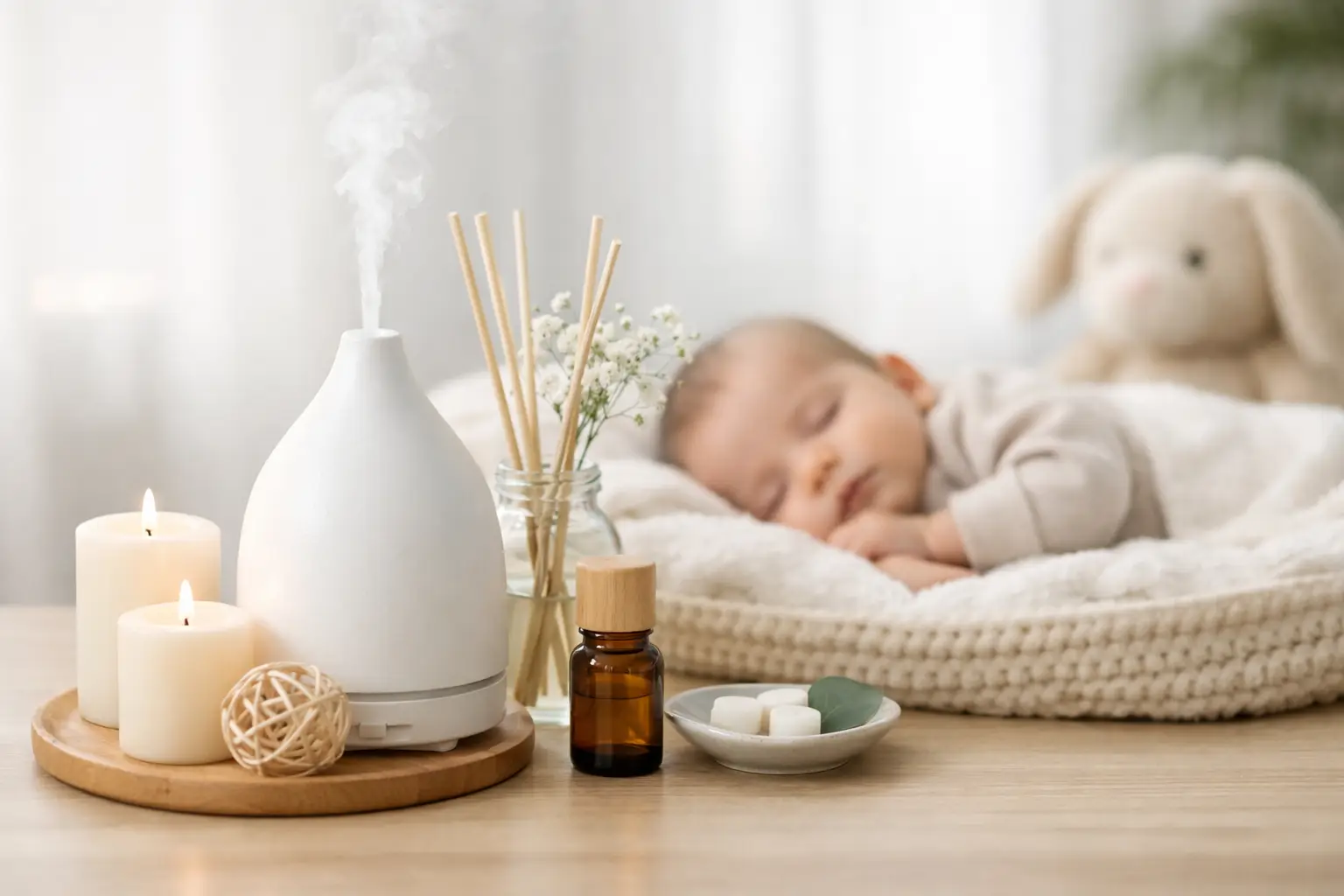
A nursery can collect an astonishing mix of smells: milk dribbles in the rocker, diaper-pail funk, wet laundry, dog hair, and the suspiciously permanent aroma of last Tuesday’s spit-up. Wanting the room to smell fresh is perfectly reasonable. But when you are looking for safe home fragrance for babies, the goal is not to perfume the air until it smells like a candle aisle in a shopping mall. The goal is cleaner air, fewer odor sources, and a very light hand with anything scented.
Babies are not tiny adults with smaller socks. Their respiratory systems are still developing, and they spend a lot of time close to mattresses, blankets, carpets, and upholstered furniture. That means the best nursery fragrance strategy is usually a little boring, in the best possible way: remove the funk first, keep air moving, and do not turn the room into a fog machine for lavender-scented demons.
The Safest Nursery Scent Is Often No Added Scent
Fragrance-free is the simplest choice for the spaces where a baby sleeps, plays, and feeds. That does not mean your home has to smell stale or clinical. It means you are putting the priority where it belongs: limiting unnecessary airborne fragrance, especially in a small, closed room.
Synthetic fragrance blends can contain many ingredients under one catch-all label. Even products marketed as gentle, natural, or baby fresh can be heavily scented. A pleasant smell is not proof that a product belongs next to a crib. If a scent gives you a headache, makes your throat feel scratchy, or hangs in the room for hours, it is probably doing too much for a nursery.
This is also why “cover it up” is a lousy odor plan. A floral spray layered over sour milk does not create freshness. It creates sour milk wearing a flower crown.
Start With Odor Removal, Not Scent Masking
Most baby-room odors have a physical source. Fabrics hold onto milk, spit-up, diaper odors, pet dander, body oils, and ordinary household mustiness. Hard surfaces can collect residue, too. Before reaching for a scented product, find the source and deal with it.
Wash soiled linens promptly with a fragrance-free detergent. Let mattress protectors and washable covers dry fully before putting them back on. Empty diaper pails regularly, wipe them down, and keep their lids sealed. If the carpet or rocker smells off, clean the affected area according to the manufacturer’s instructions rather than trying to perfume over it.
Ventilation helps more than most decorative scent gadgets. Open a window when weather and air quality allow, run the bathroom fan after baths, and use your HVAC system as directed. A properly maintained air purifier may also be useful for some families, particularly in rooms with pets or outdoor allergens. It will not erase every odor, but it can help reduce airborne particles without adding a fragrance cloud.
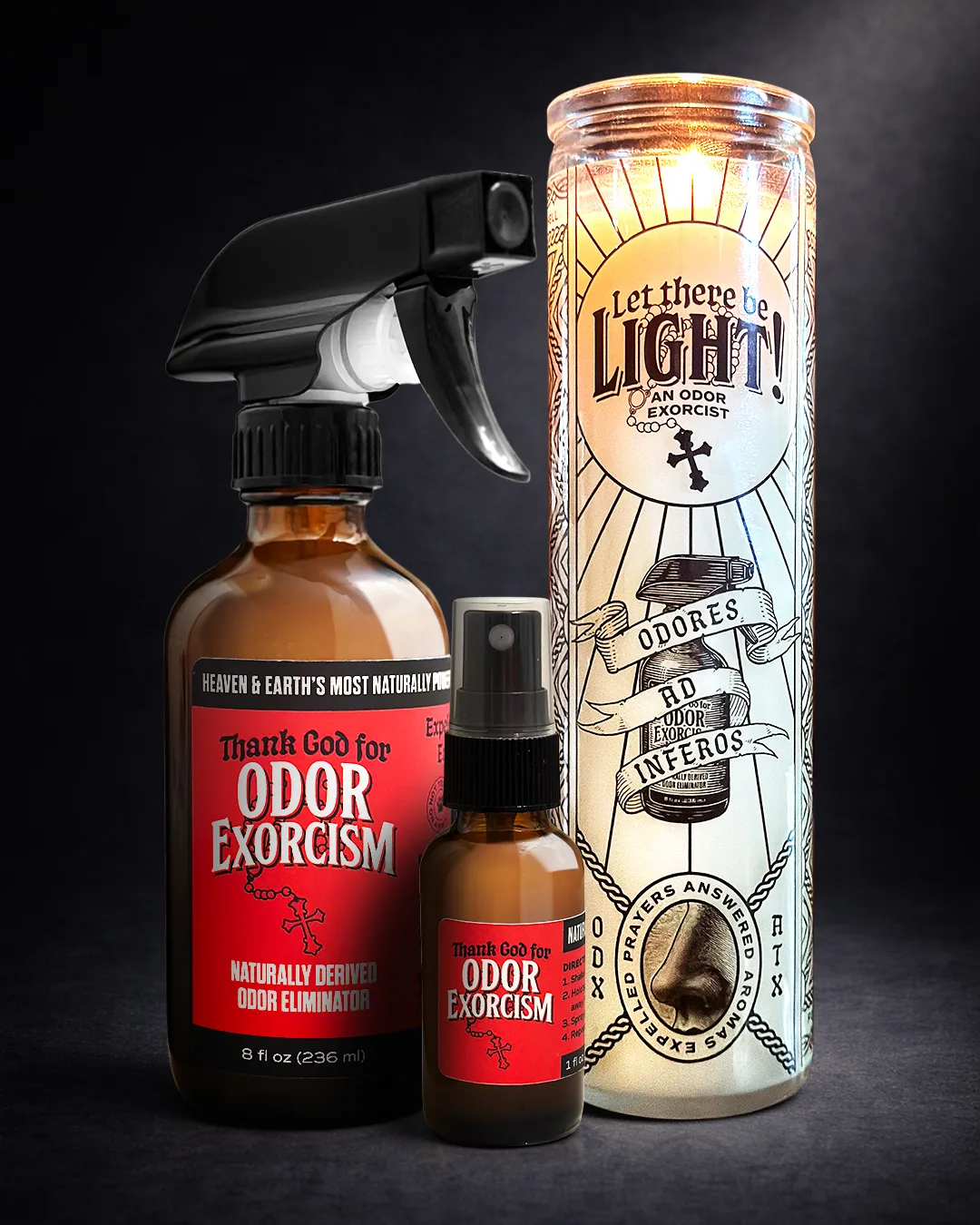
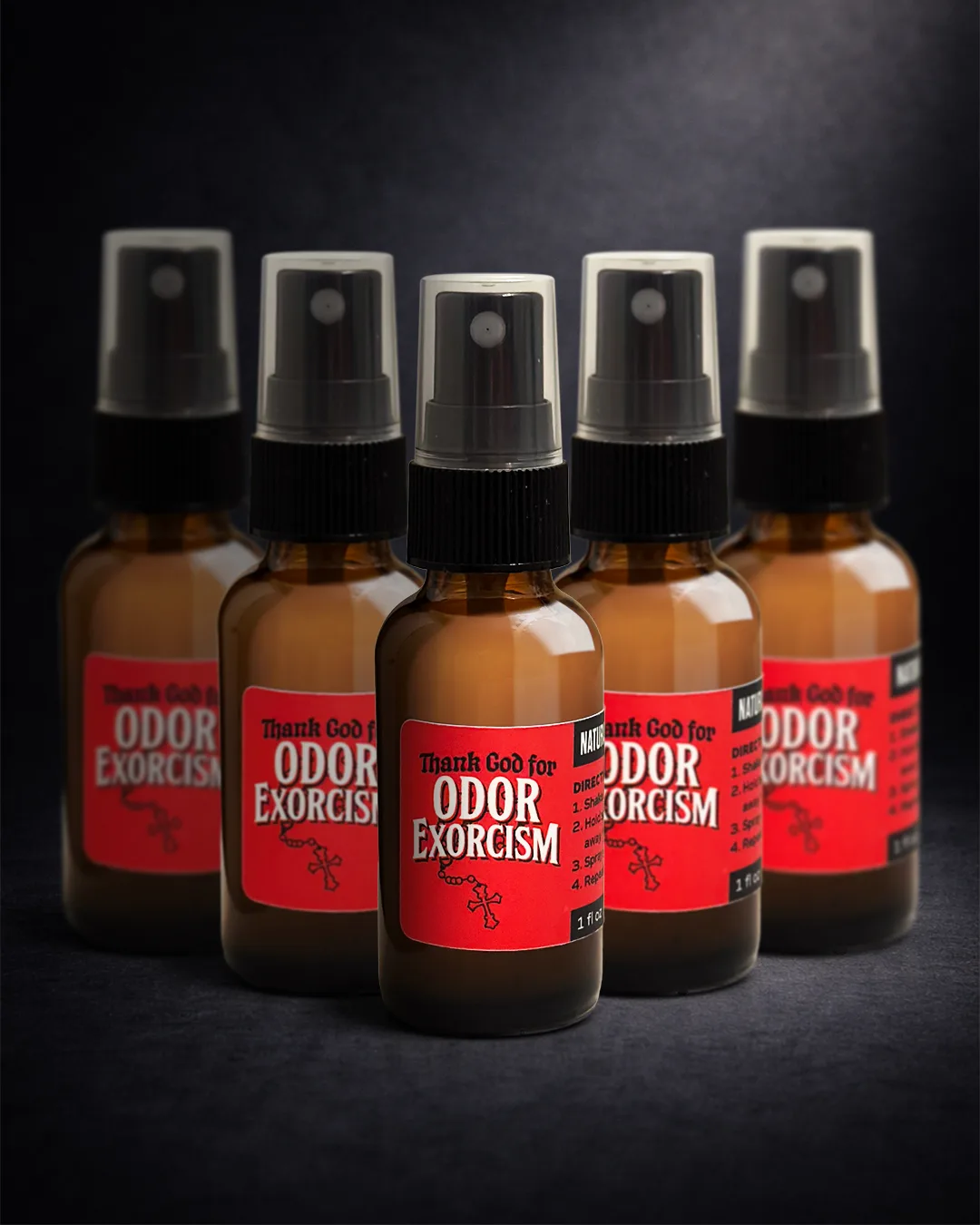
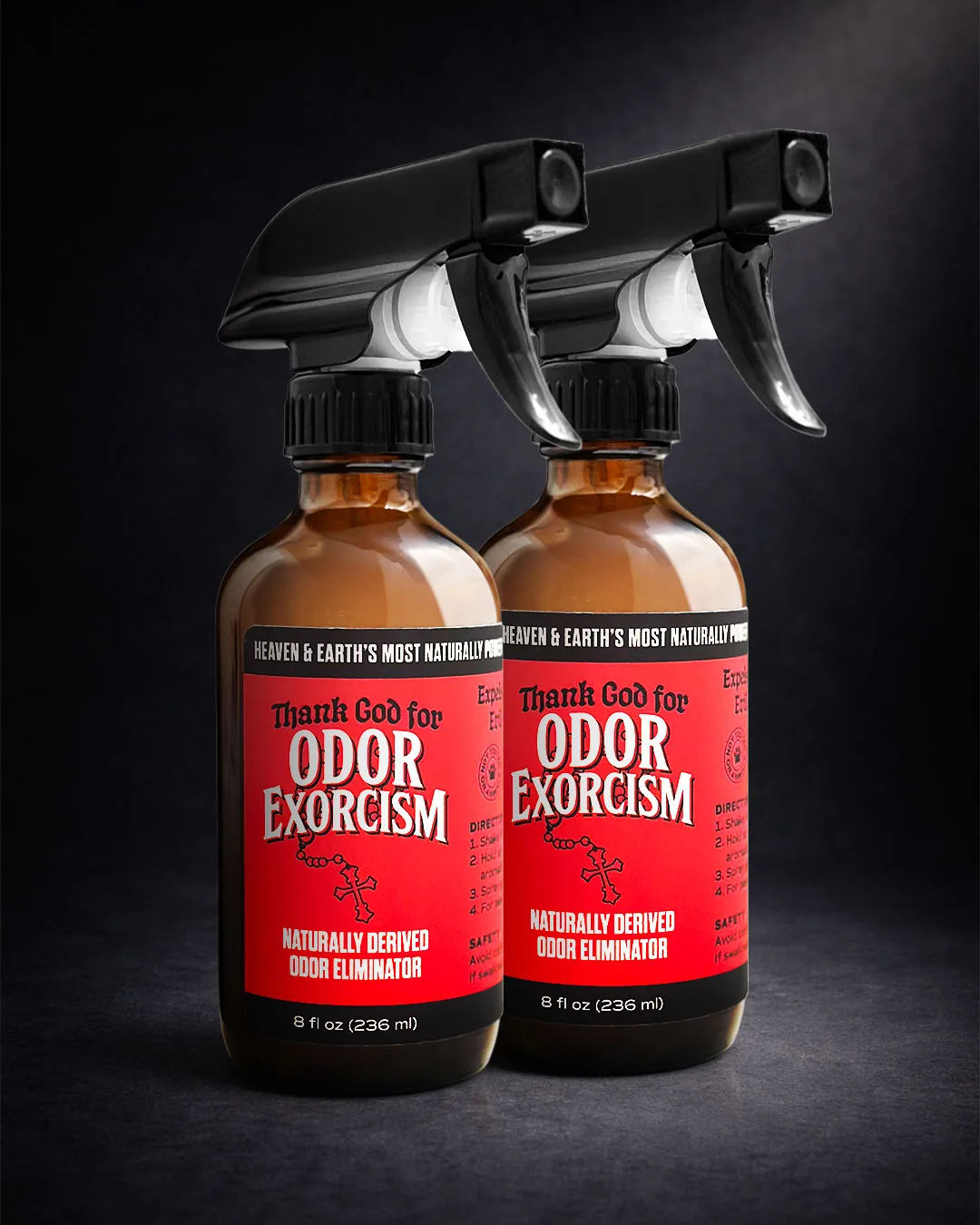
For everyday fabric odors outside the baby’s immediate sleep zone, choose an odor eliminator that is transparent about its ingredients and intended use. Naturally derived odor-neutralizing sprays can be helpful for things like an entryway rug, a pet bed, or the family sofa. Odor Exorcism is built around neutralizing odors rather than simply trying to outshout them with synthetic perfume. Still, “natural” is not a permission slip to spray freely around an infant. Read the label, follow directions, let treated items dry completely, and keep baby away during application.
Essential Oils Need More Respect Than Their Cute Labels Get
Essential oils are often treated as if they were harmless because they came from a plant. So did poison ivy. Natural is a sourcing description, not a safety verdict.
Concentrated essential oils can irritate skin and airways, trigger sensitivities, and be dangerous if swallowed. Babies are especially vulnerable to accidental exposure because they touch everything and then put their hands, blankets, toys, and occasionally the laws of physics into their mouths.
Avoid applying essential oils directly to a baby’s skin, adding them to bathwater, or placing drops on crib sheets, stuffed animals, pajamas, or a humidifier. Keep bottles secured and far out of reach. If a baby has asthma, eczema, allergies, a history of wheezing, or was born prematurely, it is wise to be even more conservative and ask a pediatrician about household scent exposure.
The same goes for passive diffusers. A diffuser may seem gentler than a spray because there is no dramatic aerosol moment, but it can release fragrance into the room for a long time. In a nursery, that is not necessarily a feature. If adults use a diffuser elsewhere in the home, keep it out of the baby’s room, use it sparingly, ensure strong ventilation, and stop if anyone seems irritated by it.
What to Skip Around Babies
Some products earn their dramatic packaging because they are genuinely intense. For baby spaces, skip air freshener plug-ins, heavily perfumed candles, incense, wax melts, aerosol room sprays, and fragrance oils. These products can add persistent fragrance and, in the case of anything burning, introduce combustion byproducts and fire risk.
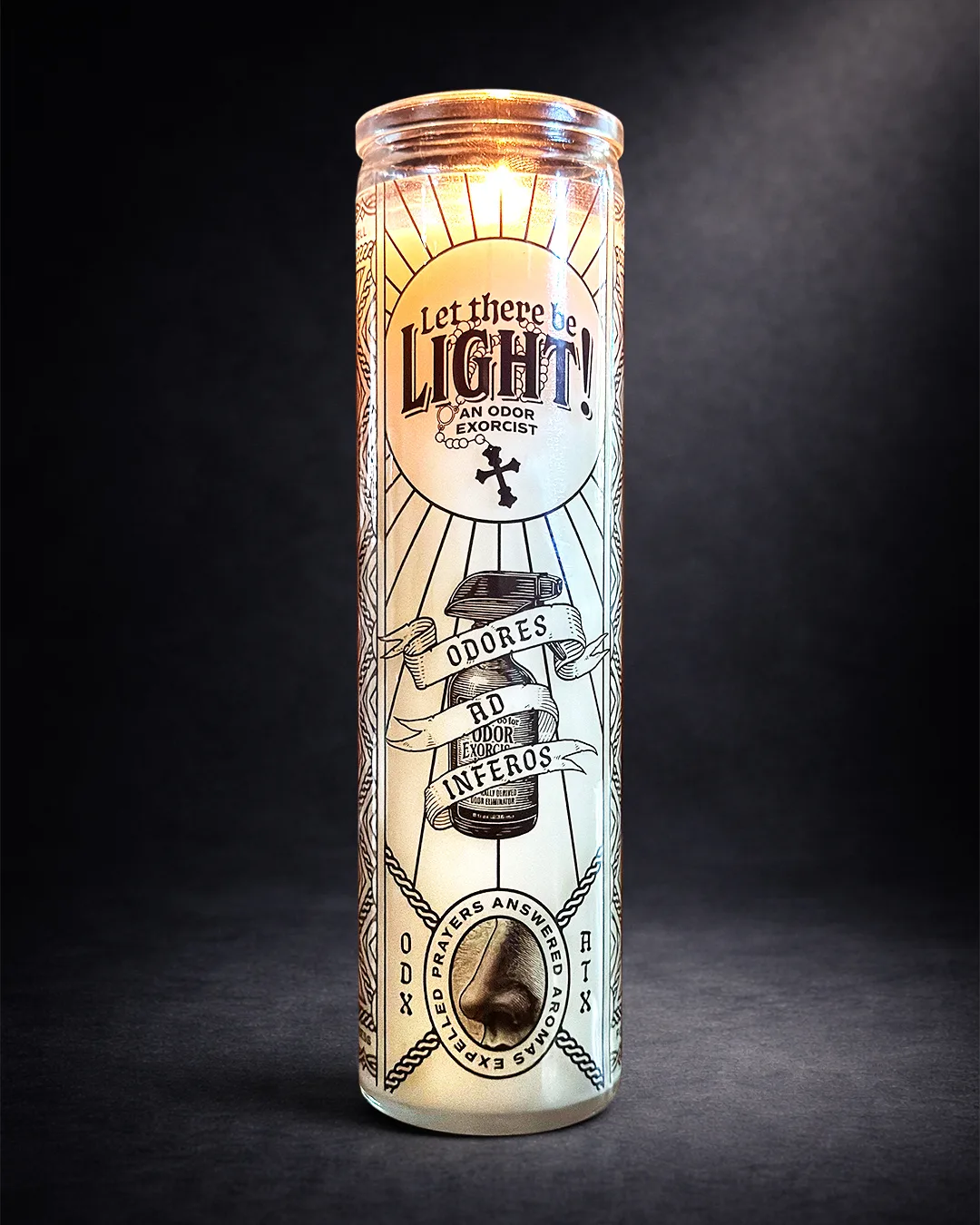
Candles deserve special mention. Even a soy wax candle is still an open flame, and a baby room is already full of fabric, fatigue, and parents trying to do twelve tasks at once. Save the candle ritual for a different room, after baby is asleep elsewhere, and never leave it unattended. The nursery does not need mood lighting from the underworld.
Also be wary of products that use vague reassurance without useful details. Terms such as “clean,” “green,” and “non-toxic” are marketing language, not a complete ingredient review. Look for clear directions, ingredient transparency where available, and warnings that make sense for homes with children and pets.
A Practical Safe Home Fragrance Routine for Babies
A calm nursery routine is less about buying a signature scent and more about keeping odor from setting up residence. Start by airing out the room daily when possible. Deal with wet textiles quickly, wash bedding on schedule, and avoid storing dirty diapers or damp clothes in the room overnight.
For persistent odor, treat the source in a separate, well-ventilated area whenever possible. If you need to use a cleaning or odor-control product on upholstery, a rug, or a washable fabric, apply it when the baby is not in the room. Follow the product instructions exactly, allow the item to dry, and air the space out before baby returns.
Keep the crib itself exceptionally simple. The safest sleep environment has a firm mattress, fitted sheet, and no scented sprays, oils, sachets, stuffed animals, pillows, loose blankets, or decorative fragrance objects. A crib should smell like clean cotton, not a botanical apothecary having a possession.
You can still make the rest of your home feel welcoming. The trick is to create separation. A lightly scented product used responsibly in a large, ventilated living room is different from a plug-in running around the clock beside a sleeping newborn. Context matters: room size, ventilation, the product format, the child’s health history, and how long the scent lingers all change the equation.
Signs Your Fragrance Plan Is Too Much
Trust your senses, and your baby’s behavior. Scale back if you notice coughing, sneezing, watery eyes, skin irritation, unusual fussiness, or a scent that is overwhelming when you enter the room. These signs do not automatically prove fragrance is the cause, but they are a good reason to remove possible irritants and talk with a pediatrician if symptoms continue or feel concerning.
If someone in the household has asthma, migraines, allergies, or chemical sensitivities, keep the home routine even more minimal. The most considerate scent choice is often one that other people barely notice.
Freshness is not supposed to announce itself from three rooms away. A baby’s room should feel clean, breathable, and calm, with no synthetic perfume haunting the curtains. Banishing the actual odor source may not be as glamorous as lighting a candle, but it is the kind of household magic that lets everyone breathe easier.