Odor neutralizer vs air freshener: what works?
Evangelize


May 9, 2026
That mystery funk in the couch? The shoes by the door? The dog bed that smells like it fought a swamp and lost? This is where the odor eliminator vs air freshener debate stops being marketing fluff and starts being a household survival issue. One fights the smell itself. The other often throws a scented curtain over the crime scene and hopes nobody asks questions.
If that sounds harsh, good. Bad odors deserve a little judgment.
Odor neutralizer vs air freshener: the real difference
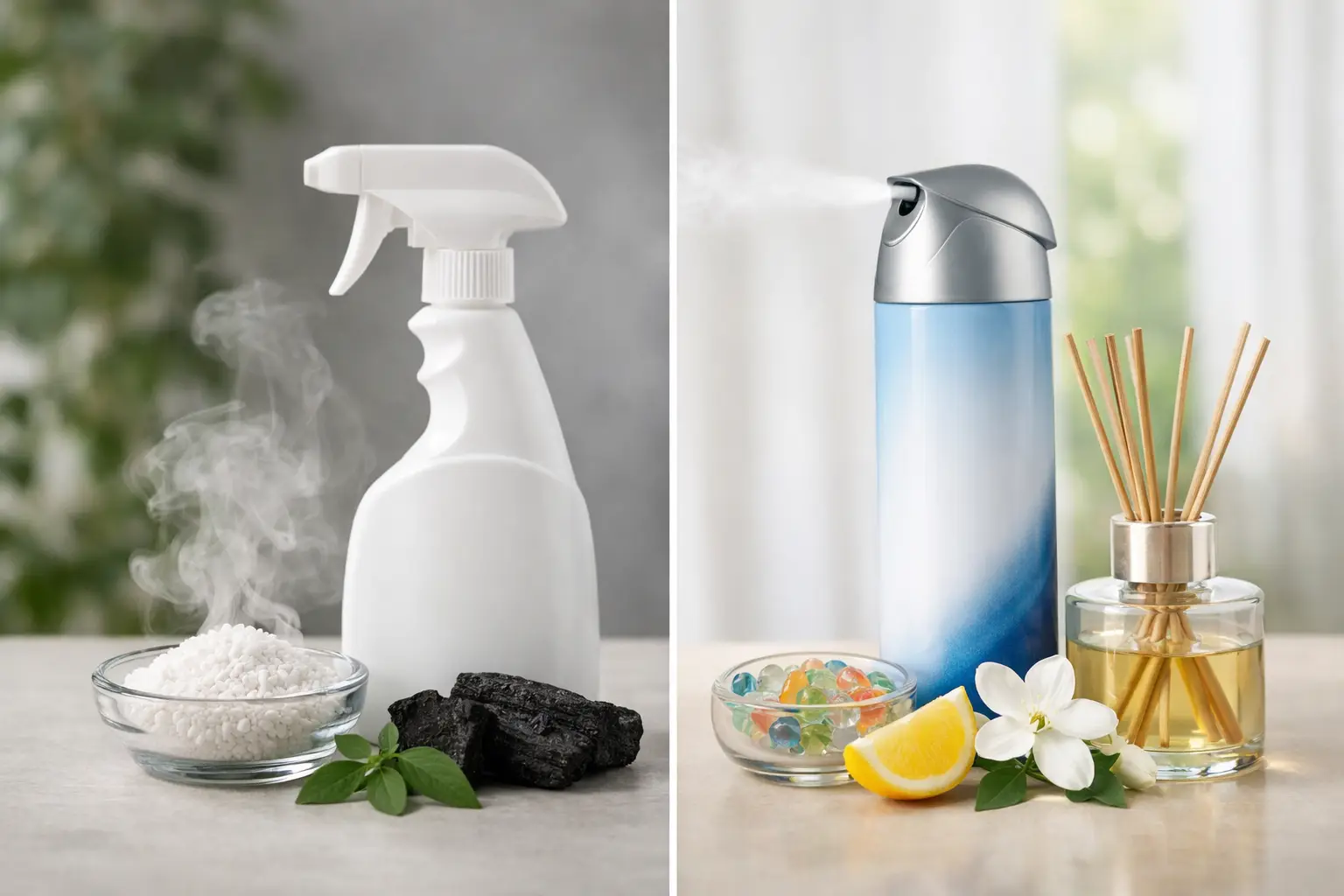
An air freshener is usually built to make a space smell better fast. It releases fragrance into the air so your nose notices lavender, linen, citrus, or some strangely aggressive “mountain breeze” instead of whatever was stinking up the room five seconds ago. Sometimes that is enough. If your bathroom just needs a quick public relations campaign before guests arrive, a fragrance product may do the trick for a while.
An odor neutralizer works differently. Instead of covering a smell with a louder smell, it is formulated to interact with odor molecules and reduce or eliminate them. That’s the key distinction. The goal is not to perfume the problem. The goal is to send the problem back to whatever sulfuric dimension it crawled out of.
This matters because odors do not all behave the same way. A stale room, a mildew-prone towel, pet accidents, smoke, cooking grease, and funky upholstery each hang around for different reasons. If the odor source is still there, masking it is temporary by definition. The smell may seem gone for ten minutes, then return the moment the fragrance fades.
That is why so many people feel like air fresheners “don’t work” even though they clearly smell strong. They work at changing the scent profile of the room. They just do not always solve the odor itself.
Why air fresheners seem effective at first
Air fresheners get credit because they deliver instant drama. You spray, plug in, mist, or pop open a gel jar, and suddenly the room smells like tropical fruit wearing a cashmere sweater. Your brain registers that as improvement. Sometimes it is an improvement. But it is often cosmetic.
There are situations where that cosmetic fix is perfectly fine. Maybe you want a room to smell pleasant before company comes over. Maybe you like ambient scent as part of your home vibe. Maybe you lit a candle because your apartment building hallway has a weird old carpet smell and you refuse to let it win. Fair enough.
The catch is that fragrance-heavy products can create their own problems. For ingredient-conscious shoppers, synthetic scent overload is not charming. It can feel harsh, cloying, or headache-inducing, especially in small spaces like bedrooms, dorms, bathrooms, and cars. If you have kids, pets, or a general dislike of breathing in mystery perfume clouds, “strong enough to smell from the driveway” may not be your ideal standard.
So yes, air fresheners can make a room smell nicer. But nicer is not always cleaner. And scented is not the same thing as solved.
What an odor neutralizer actually does
A true odor neutralizer is built for the less glamorous but far more satisfying job of dealing with stink at the source. Instead of asking your nose to ignore the offense, it targets the compounds causing the odor. That is why neutralizers are especially useful on fabrics and surfaces where smells cling like unpaid rent.
Think about the spots in your home that absorb life. Bedding holds sweat and body odor. Upholstery collects pet smell, cooking residue, and dust. Shoes become little hotboxes of regret. Carpets trap spills and stale funk. Trash areas, gym bags, and laundry piles all have their own haunted energy. In those cases, a room fragrance floating through the air is not enough because the issue is sitting right there in the material.
That is also why the best odor-control routine usually involves both cleaning and neutralizing. If there is visible grime, mop it, wash it, wipe it, or remove it first. Then use a neutralizer to handle the lingering odor that survives cleanup. If you skip the actual mess and only spray over it, the smell often comes back like a sequel nobody asked for.
Which one is better for your home?
It depends on what you are trying to accomplish.
If your main goal is to make a room smell pleasant, and there is no serious underlying odor problem, an air freshener can be enough. A candle, diffuser, or light mist of scent can create atmosphere. There is nothing inherently evil about wanting your place to smell good.
But if your goal is to get rid of pet odor, fabric funk, stale soft surfaces, shoe smell, bathroom residue, or the lingering afterlife of last night’s dinner, an odor neutralizer is the better tool. It is the difference between painting over a stain and actually removing it.
For a lot of households, especially homes with kids, pets, shared spaces, or heavy fabric surfaces, neutralization is simply more practical. Odors tend to settle into the places you touch and sit on, not just float in the air like cartoon fumes. If the couch, rug, blanket, or dog bed is the problem, you need something meant for surfaces, not just ambiance.
This is also where naturally derived formulas stand out. People who read labels are not usually hunting for the most overpowering fragrance cannon on the shelf. They want effective odor control without turning their home into a synthetic perfume ambush. A non-toxic, essential-oil-based odor elimination spray can thread that needle nicely – dealing with the smell while keeping the ingredient story cleaner and the scent experience more livable.
The trade-offs nobody mentions
Here is the honest part. Not every odor neutralizer leaves a big dramatic scent trail, and not every air freshener is pretending to be more than it is.
Some people expect an odor neutralizer to perfume the whole room like a department store fragrance counter. That is not always the point. If the odor is gone and the space smells clean or lightly scented, that is success. The demon has been cast out. We do not also need a choir of vanilla cupcakes announcing it from the ceiling.
On the flip side, some air fresheners are enjoyable because they create mood. Scent has an emotional role in the home. It can make a space feel cozy, energized, calm, or finished. So if you use a fragrance product intentionally for atmosphere, not as a substitute for odor removal, that is a valid choice.
The problem starts when a product built to decorate the air gets asked to perform an exorcism.
How to choose without getting fooled by the label
Marketing in this category loves vague promises. “Freshens.” “Eliminates tough odors.” “Long-lasting freshness.” That wording can mean almost anything, which is convenient for the brand and less convenient for your living room.
Look at how the product describes its job. Does it focus on adding scent, or on neutralizing odors? Is it designed for the air only, or for household surfaces where smells actually live? Does it mention fabrics, upholstery, shoes, bedding, or carpets? Those details usually tell you whether the formula is meant to handle the source or just float around it.
It also helps to think room by room. For bathrooms and entryways, you may want quick freshness plus real odor control. For bedrooms, nurseries, dorms, and pet-heavy spaces, ingredient profile matters more because you are using the product often and close to fabrics. For couches, rugs, and laundry-adjacent chaos, a surface-safe neutralizer makes more sense than a plug-in trying its best from across the room.
And if you are someone who is tired of the fake-clean smell many mass-market products leave behind, trust that instinct. A lot of shoppers are not imagining the difference. Heavy synthetic fragrance can feel like a cover-up because, often, it is.
So what should you keep on hand?
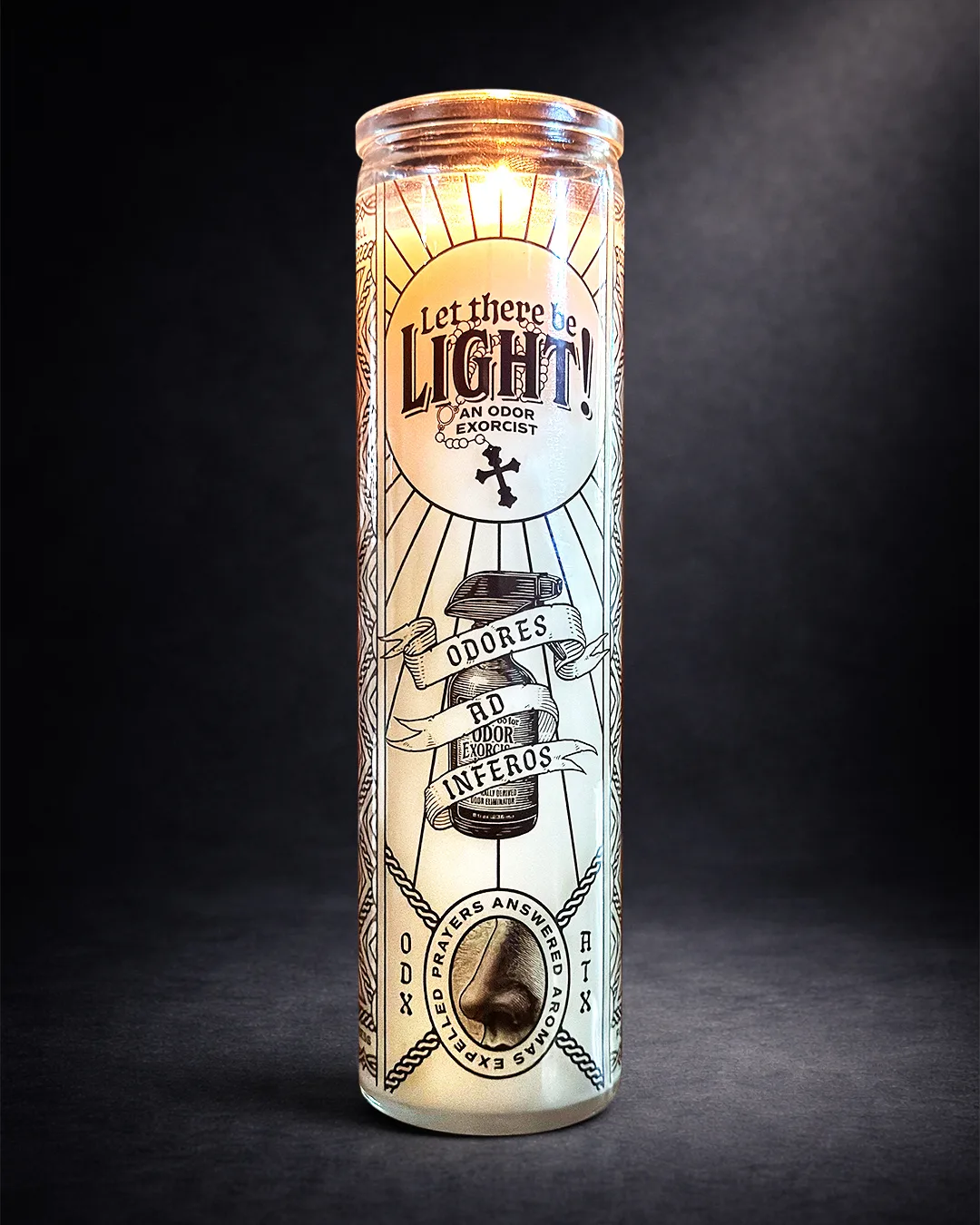
If you want the most useful answer, keep your priorities straight. Start with an odor neutralizer for the daily grossness that accumulates in real homes – pet bedding, sneakers, upholstery, blankets, carpets, and those mysterious household smells that somehow develop personalities. If you also enjoy a pleasant home scent, layer that in separately with a candle or complementary fragrance product after the odor is actually gone.
That order matters. Remove first. Scent second.
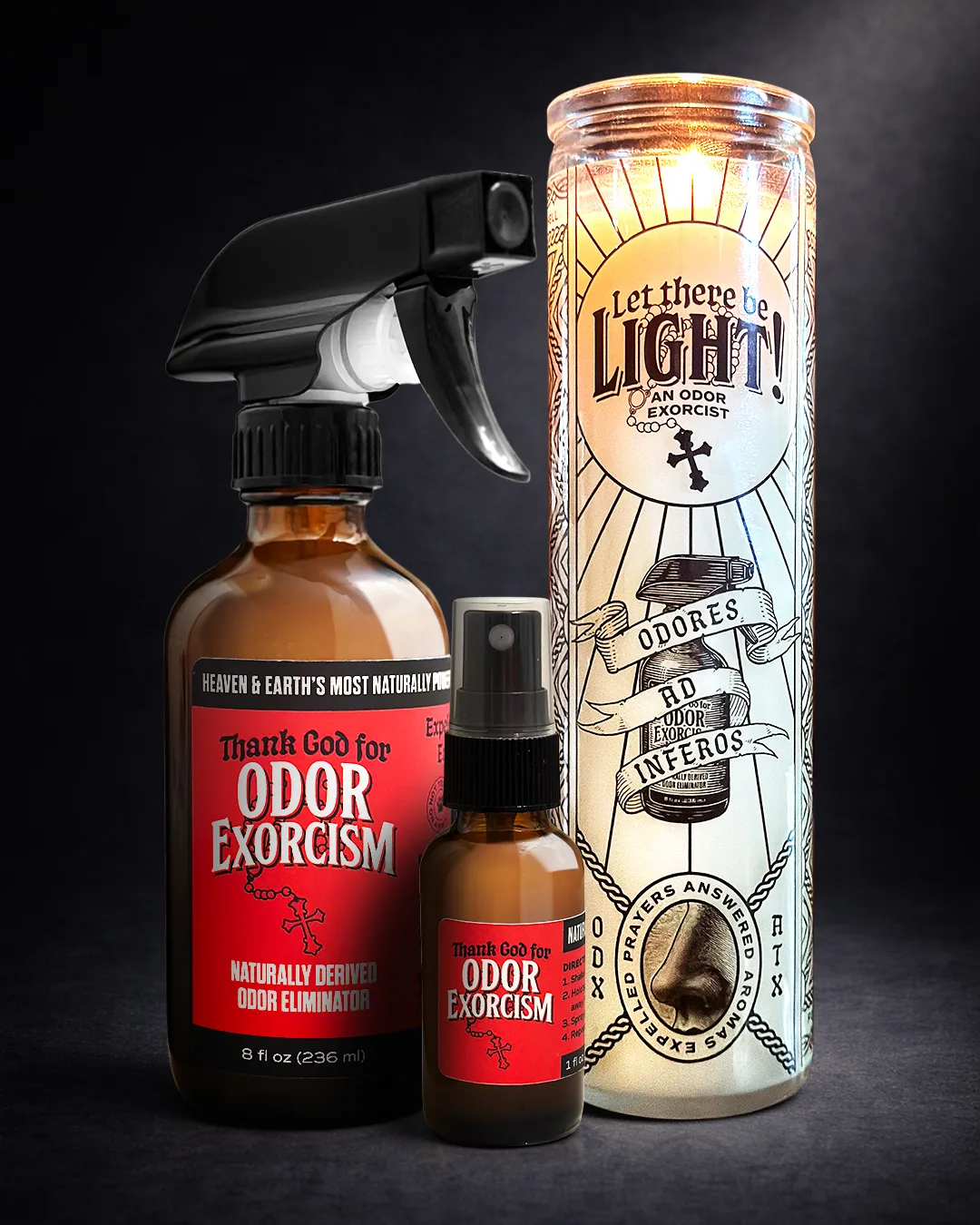
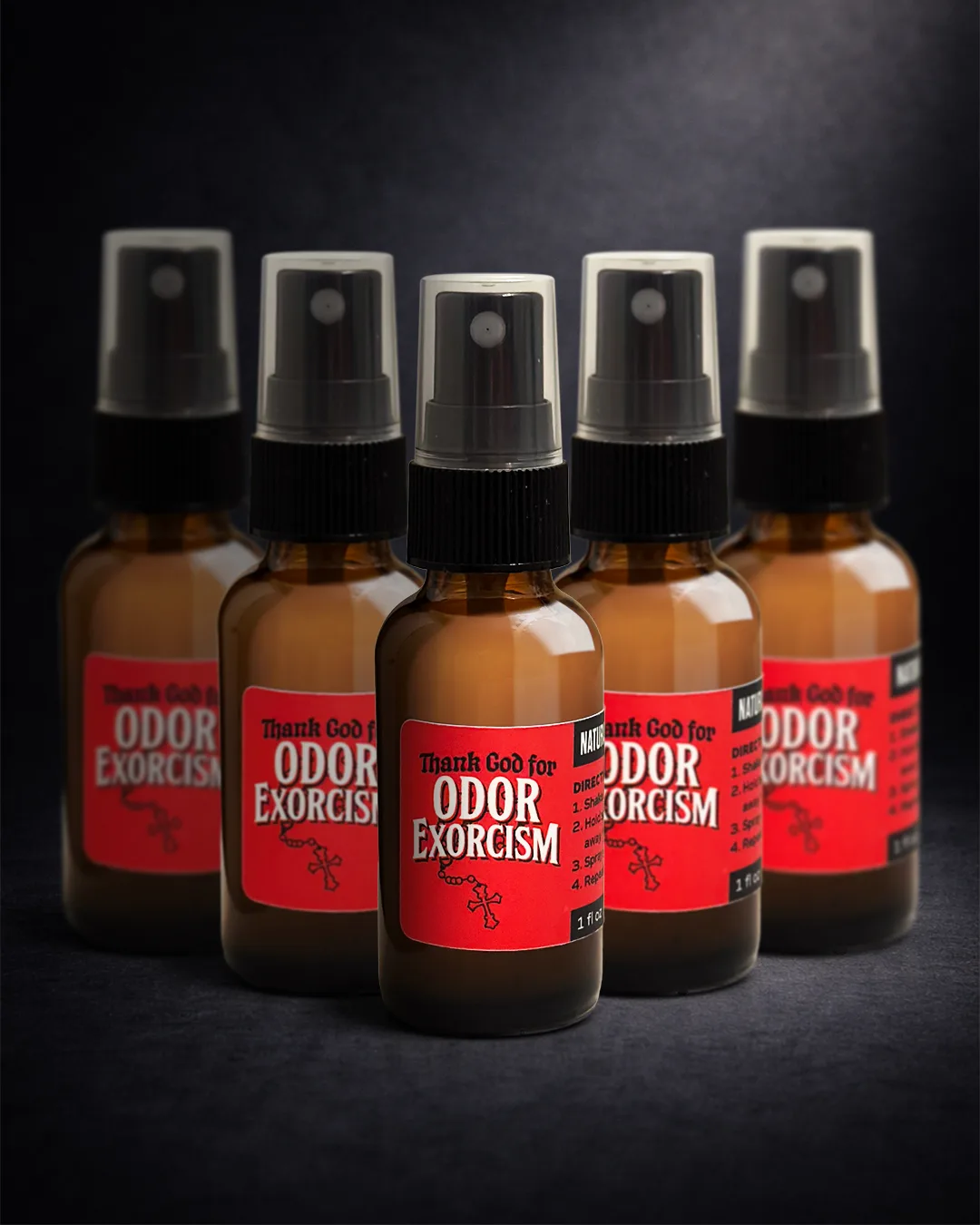
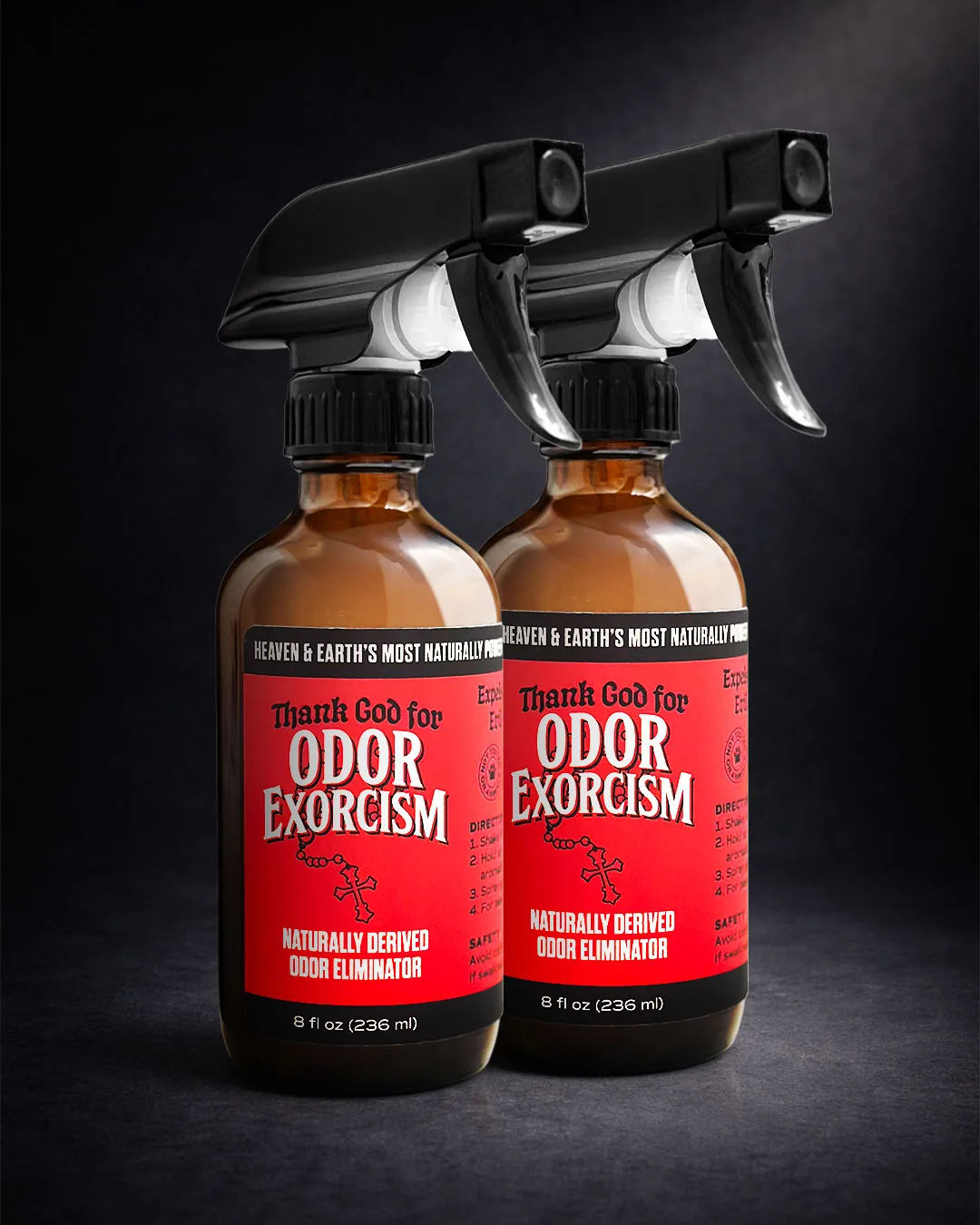
A brand like Odor Exorcism leans into that difference on purpose. The whole point is not to baptize your living room in synthetic perfume and call it holiness. It is to tackle foul odors on contact with a naturally derived approach that feels safer, smarter, and a lot less obnoxious.
If your home smells weird, you do not need stronger perfume. You need a better weapon. Pick the product that handles the haunting, not the one that just sings over the screaming.