How to remove couch odor naturally
Evangelize


May 12, 2026
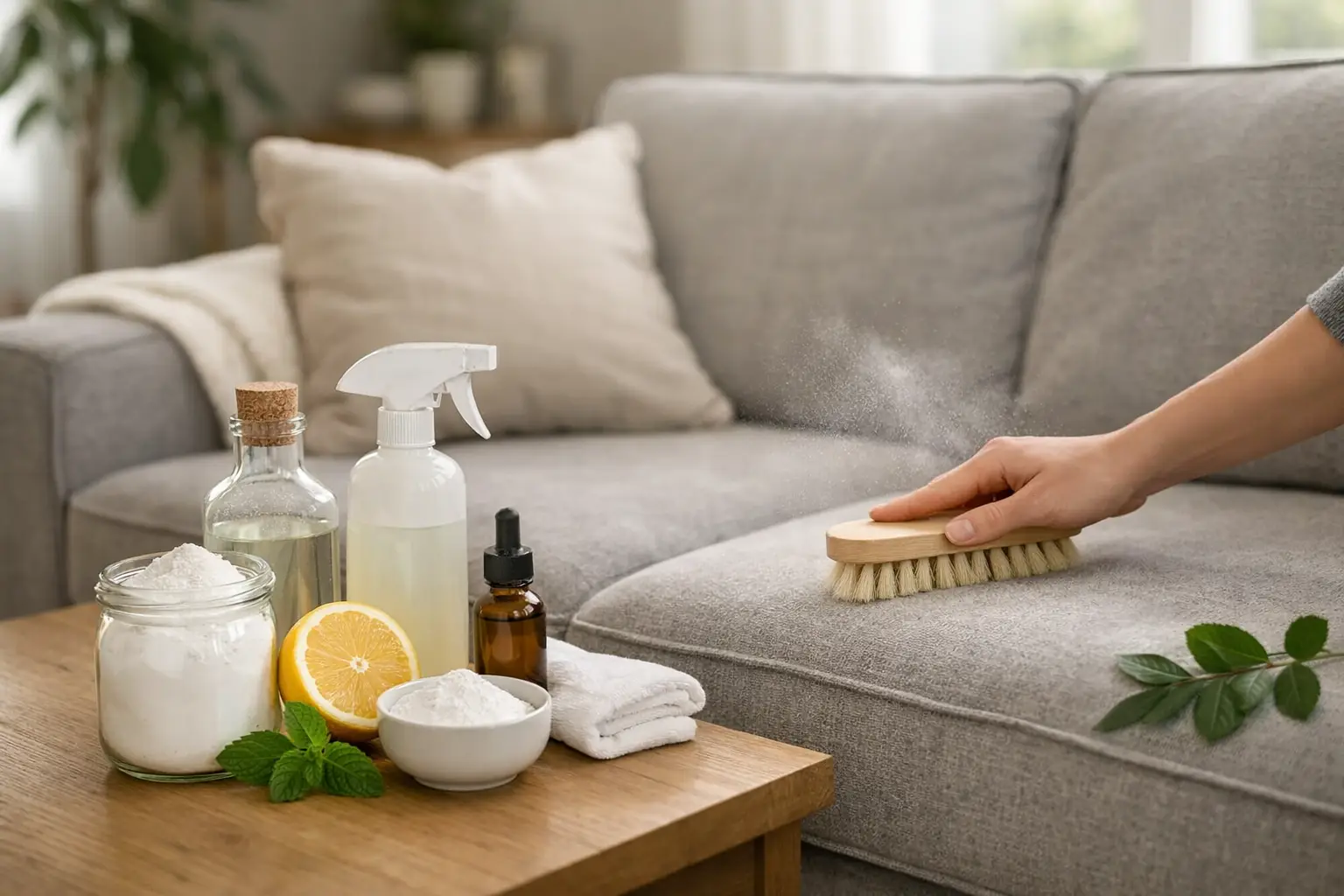
Your couch has been through things. Movie-night sweat. Wet dog naps. Mystery snack crumbs. Maybe one spilled latte that still haunts the cushions like a tiny caffeinated poltergeist. If you’re wondering how to remove couch odor naturally, the good news is this: you do not need to fumigate your living room with fake perfume and call it cleanliness.
The bad news is that couch odor is rarely just sitting on the surface. Upholstery traps body oils, pet dander, moisture, food particles, and whatever else your household drags in from the outside world. That means the real fix is less about covering up the stench and more about pulling the odor source out of the fabric, padding, and crevices where it likes to lurk.
Why couches get smelly in the first place
A couch is basically a sponge with opinions. Soft furniture absorbs airborne odors, skin oils, humidity, and spills better than most people realize. Even if your sofa looks clean, it can still hold onto stale smells from pets, smoke, cooking, mildew, and regular human existence.
Fabric upholstery tends to grab odors faster than leather or faux leather, but all couch materials can develop a funk. The biggest culprit is usually buildup over time. A single spill may not smell awful right away, but once moisture mingles with bacteria and trapped debris, the demon starts speaking in tongues.
That matters because the best natural method depends on what kind of odor you’re dealing with. Musty smells usually point to moisture. Sour smells often come from sweat, food, or body oils. Pet odors can sink deep into cushions. Smoke can cling to nearly every surface in the room, not just the couch.
How to remove couch odor naturally without wrecking the fabric
Start with the least dramatic intervention first. In many cases, natural odor removal works best in layers rather than one heroic treatment.
1. Vacuum like you mean it
Before you sprinkle, spray, or bless anything, vacuum the entire couch. Get under the cushions, along the seams, behind the back, and in the crevices where crumbs go to die. Use an upholstery attachment if you have one.
This step matters more than people think. Dust, hair, food bits, and skin flakes all feed odor. If you skip the vacuum and go straight to a deodorizing treatment, you’re basically baptizing debris.
2. Let fresh air and sunlight do their thing
If possible, open windows and improve airflow around the couch. If cushion covers are removable and the care label allows it, air them out outside in indirect sunlight or a bright, breezy spot. A little sun can help reduce stale smells, and moving air helps moisture evaporate.
There is a trade-off here. Too much direct sunlight can fade certain fabrics, especially darker or dyed upholstery. So think fresh, not scorched.
3. Use baking soda for dry odor absorption
Baking soda is the old-school natural fix because it actually helps absorb lingering odor instead of just trying to perfume over it. Sprinkle a light, even layer over the fabric, let it sit for several hours, and then vacuum thoroughly.
If the smell is mild, this may be enough. If the odor is deep or old, you may need to repeat the process. It works especially well for general stale-couch funk, light pet smells, and the “this room just feels tired” category of odor.
Still, baking soda has limits. It can help with surface-level odor and moisture, but it won’t always solve a deep spill that soaked into the cushion core. That’s where people get disappointed and declare natural methods useless. The issue isn’t the method. It’s the depth of the haunting.
Natural sprays that help neutralize odor
A good natural spray can be useful, but not every spray deserves your upholstery. Many so-called freshening products are just synthetic fragrance in a fancy trench coat. Your nose gets tricked for twenty minutes, then the bad smell crawls back out from under the perfume pile.
If you’re using a natural odor eliminator spray, look for one designed to neutralize odor rather than mask it, and always spot test first. Lightly mist the couch instead of soaking it. Overwetting upholstery can make mustiness worse, especially if the cushions dry slowly.
This is where ingredient-aware shoppers are right to be suspicious. Essential-oil-based formulas can be a better fit for people trying to avoid the headache cloud that comes with conventional air fresheners, but natural doesn’t automatically mean “spray wildly and hope for a miracle.” Use enough to treat the fabric, not enough to create a swamp.
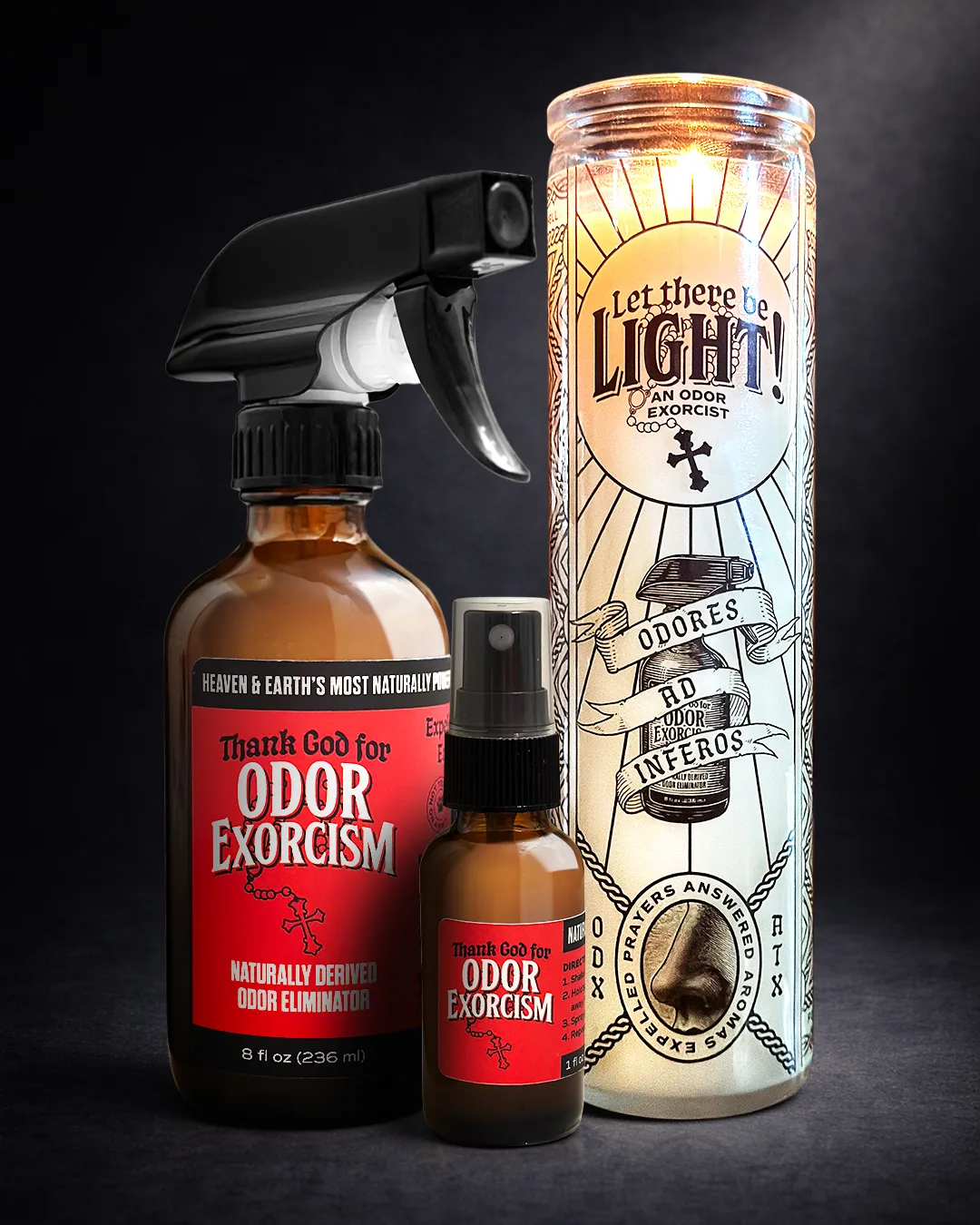
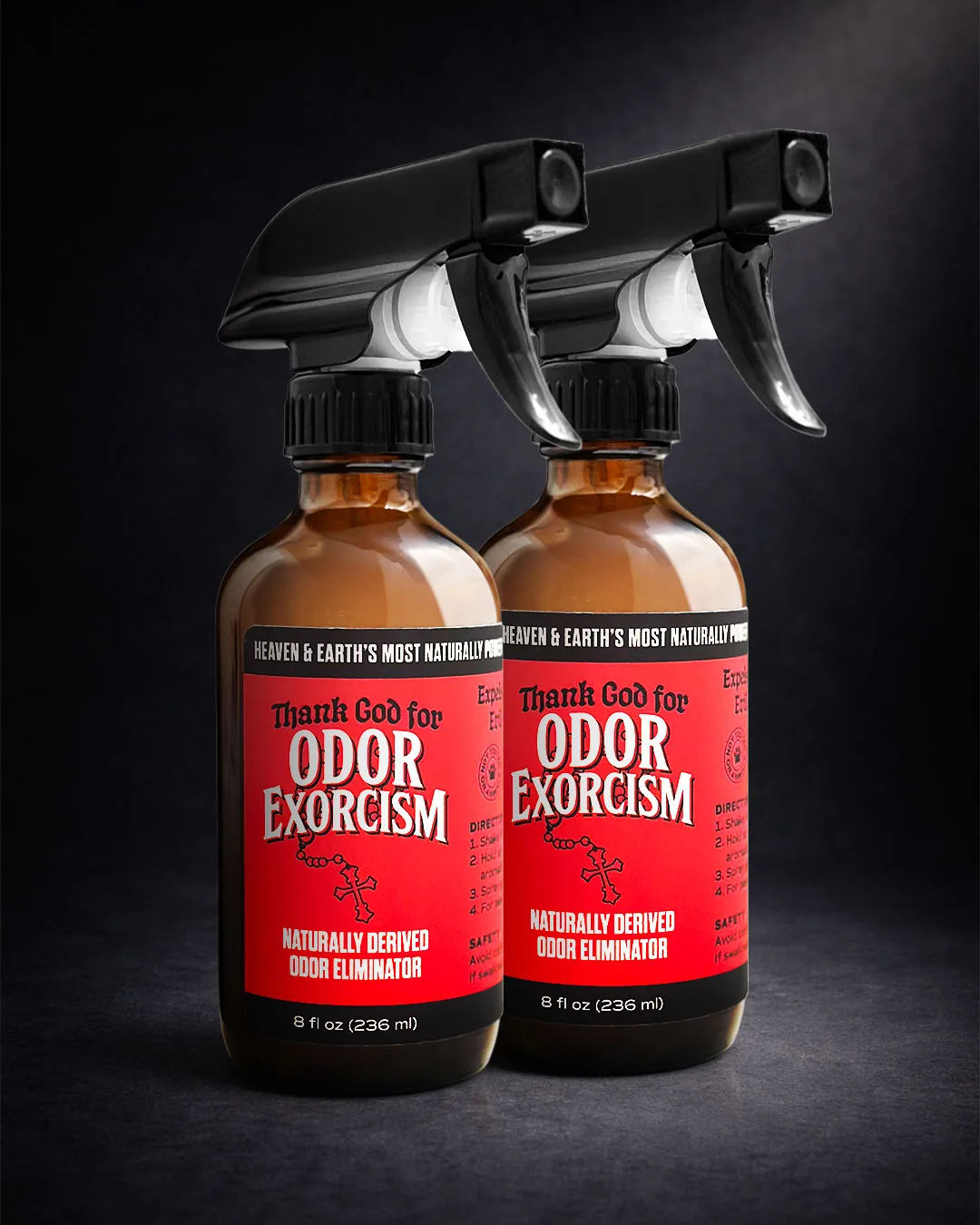
One well-made product can save you a lot of trial and error. Odor Exorcism, for example, is built for exactly this kind of household stink battle – soft surfaces, everyday funk, and people who are tired of synthetic fragrance pretending to be a solution.
How to remove musty couch odor naturally
Mustiness is usually a moisture issue wearing a fabric disguise. If your couch smells damp, basement-like, or vaguely like a forgotten towel, focus on drying and airflow first.
Check whether the couch sits against a poorly ventilated wall, near a humidifier, or in a room with high humidity. If the cushions feel even slightly damp, use fans and ventilation before doing anything else. Then vacuum, apply baking soda, and consider a light mist of a natural odor-neutralizing spray once the fabric is dry.
For stubborn musty smells, the problem may be inside the cushion inserts. If you can remove the covers, inspect the foam. Sometimes the cover is washable, but the insert needs extra airing out. If the cushion core has been wet for too long, natural methods can help, but there is a point where replacement may be the saner option.
Pet smells need a different kind of exorcism
Pet odor is rarely polite. It tends to be oily, persistent, and smug. If your couch smells like dog, cat, or mysterious creature of the underworld, surface cleaning alone may not cut it.
Start by vacuuming hair and dander thoroughly. Then treat the upholstery with baking soda or a fabric-safe natural spray. If there was an actual accident, blot first with a clean towel to absorb as much moisture as possible. Do not scrub aggressively. That only pushes the mess deeper into the fabric and padding.
If the odor keeps returning, the source may have reached the foam insert or the frame beneath the cushions. At that stage, you may need to unzip covers, clean layers separately, and let everything dry completely before reassembling. Glamorous? No. Effective? Much more than lighting a candle and pretending the beast has been banished.
What not to do
Natural odor removal works best when you avoid the usual mistakes. Don’t drench the couch in water and vinegar unless you’ve checked the fabric first. Vinegar can help in some cases, but on certain materials the smell lingers longer than you’d like, and too much moisture creates a whole new problem.
Don’t use heavily fragranced sprays to “freshen” the couch if what you really want is odor removal. That’s not cleansing. That’s costume design.
And don’t ignore the care tag. Upholstery cleaning codes exist for a reason. Some fabrics tolerate water-based cleaning. Others need solvent-based products or professional care. If your couch is vintage, delicate, or expensive enough to make you sweat, caution beats confidence.
Keeping the smell from coming back
Once you’ve cleared the air, a few small habits keep your couch from slipping back into its swamp era. Vacuum regularly. Rotate and air out cushions when you can. Clean spills fast. Keep humidity under control, especially in apartments, basements, or homes in muggy climates.
If pets own the couch emotionally, use a washable throw blanket as a sacrificial layer. If your household snacks hard on the sofa, occasional deep vacuuming is not optional. And if your couch sits in a room that always smells stale, remember the couch may be catching odor from the environment, not creating it by itself.
When natural methods are enough – and when they aren’t
For everyday odors, natural methods are often exactly what you need. They are usually safer for homes with kids, pets, and fragrance-sensitive adults, and they make more sense if you’re trying to reduce harsh chemical exposure.
But if your couch has mold, repeated pet urine saturation, or years of embedded smoke damage, there are limits. Sometimes you need professional upholstery cleaning. Sometimes you need replacement cushions. Sometimes the spirit is too strong and the furniture must be released back into the void.
That doesn’t mean your first move should be chemical warfare. It just means smart odor removal starts with honesty. Mild to moderate odor can usually be handled with vacuuming, airflow, baking soda, and a quality natural odor eliminator. Severe odor needs a bigger intervention.
A couch doesn’t have to smell like the sins of everyone who’s ever sat on it. Usually, it just needs a little patience, a little fabric-safe strategy, and a firm refusal to let fake fragrance impersonate clean.