How to make house smell good without chemicals
Evangelize


May 26, 2026
That weird mystery smell in a house never shows up with a name tag. It just lurks in the hallway like a petty demon, haunting the couch, the shoes by the door, the dog bed, and whatever died spiritually inside the fridge drawer. If you’re wondering how to make house smell good without chemicals, the answer is not to carpet-bomb your air with fake “mountain breeze” and pray for deliverance. A good-smelling home starts with removing odor at the source, then adding clean, natural scent in a way that doesn’t make your eyes water.
How to make house smell good without chemicals starts with odor removal
Here’s the part most air freshener brands hope you skip – scent is not the same thing as clean air. If your living room smells like synthetic lavender draped over wet dog and old takeout, you have not solved the problem. You’ve just dressed the demon in a floral robe.
The fastest way to get a house smelling better naturally is to stop masking and start neutralizing. That means identifying where odor is actually living. Soft surfaces are frequent offenders because they trap smells deep in the fibers. Upholstery, rugs, curtains, bedding, throw pillows, and even clean-looking laundry can hold onto sweat, cooking grease, pet funk, and stale air longer than you think.
Hard surfaces can also be sneaky. Trash cans, kitchen floors, bathroom grout, plastic storage bins, and the inside of your car keys basket area – yes, somehow that too – all collect odor residue. If a room still smells bad after you tidy up, something in it is still feeding the stink.
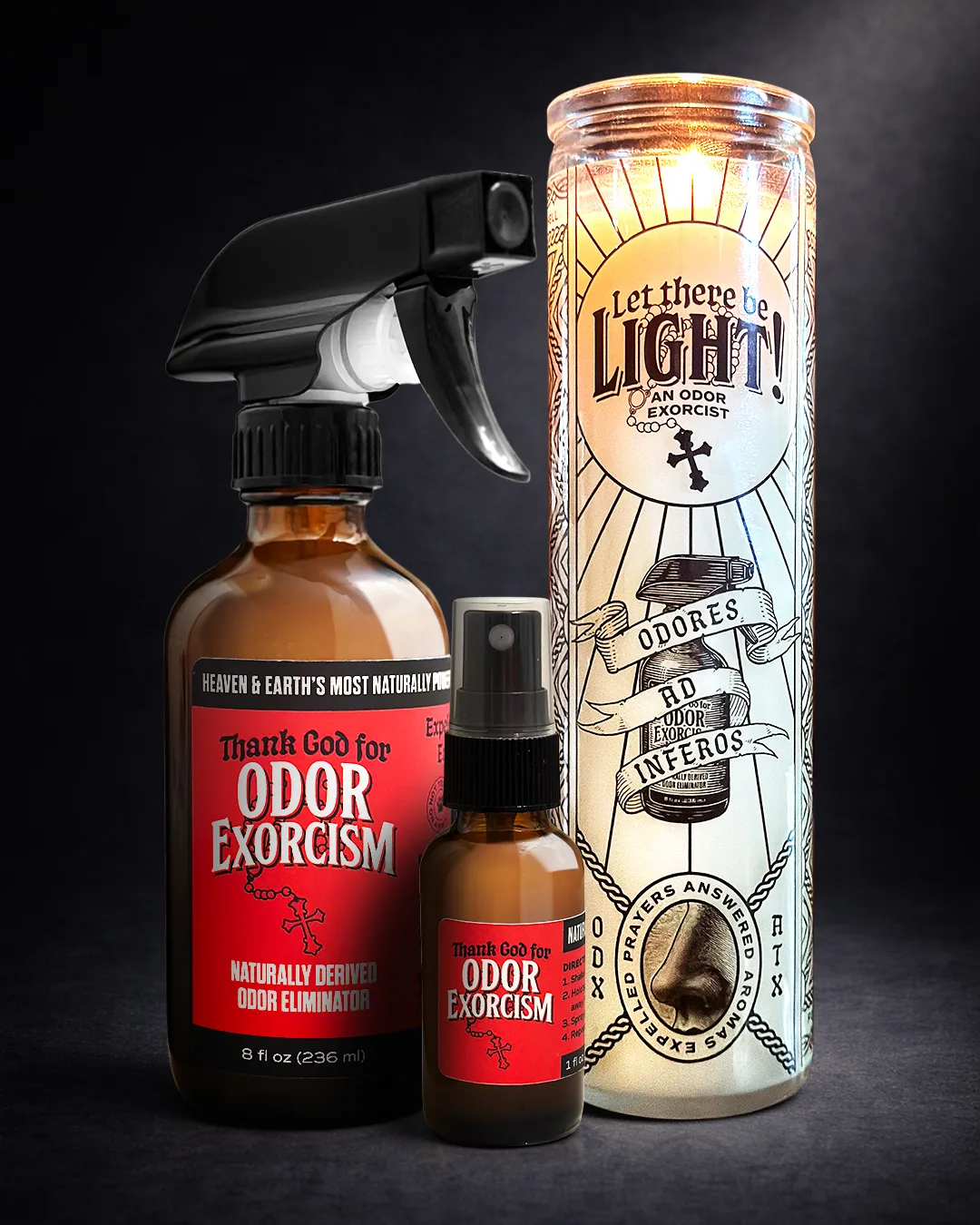
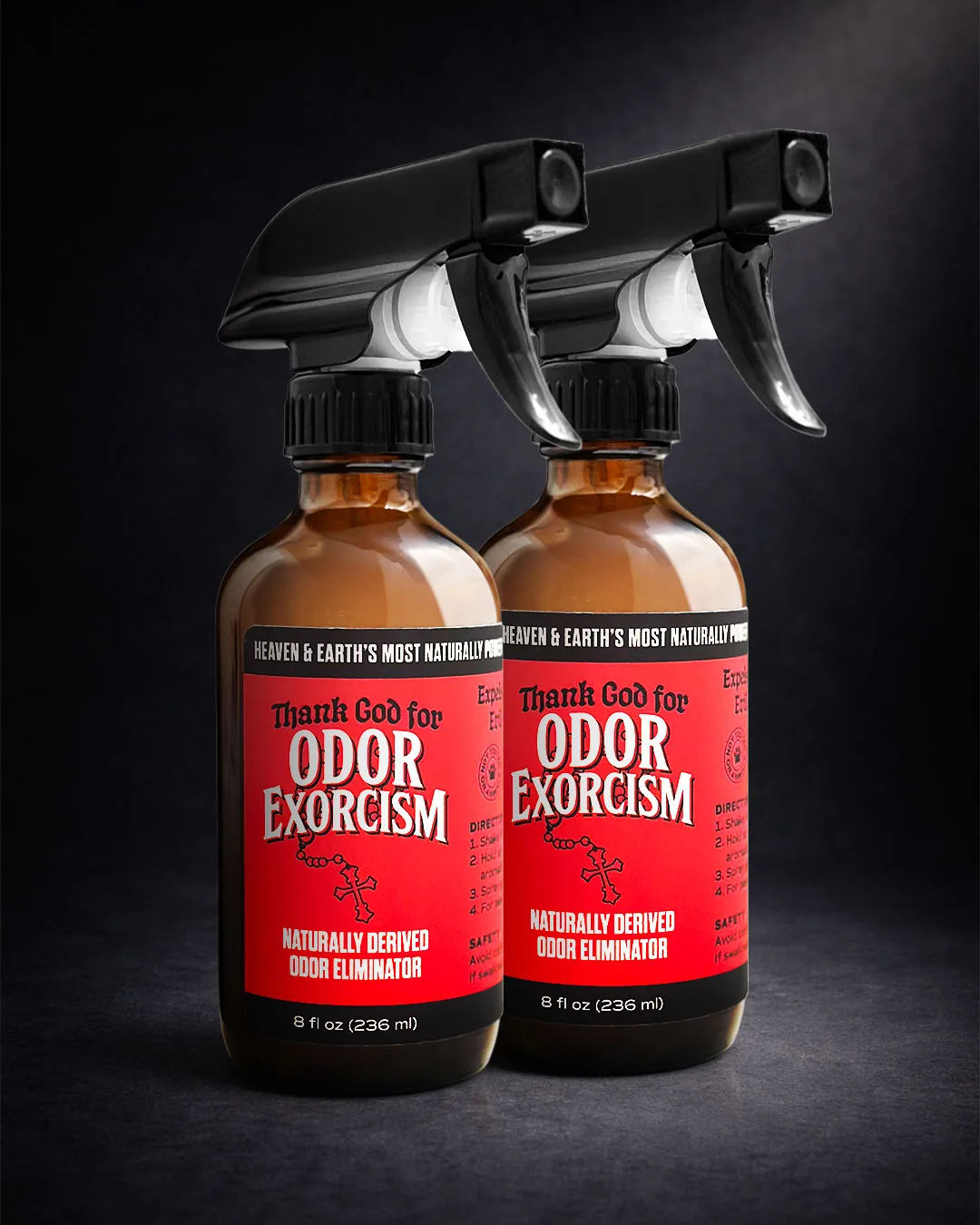
A naturally derived odor eliminator spray can help here because it tackles the smell itself instead of just staging a fragrant cover-up. Used on both soft and hard household surfaces, it gives you a more realistic shot at freshness without the harsh synthetic fragrance cloud. That matters if you want your home to smell clean, not chemically mugged.
Open the house before you perfume it
Fresh air is still one of the cheapest and most underused tricks in the book. Open opposite windows for cross-ventilation, even if it’s only for 15 to 20 minutes. This helps move stale indoor air out instead of letting it ferment in place like a cursed soup.
It does depend on where you live. If it’s peak pollen season, wildfire season, or your neighbor is chain-smoking beside the fence, opening windows may not be your best move that day. But when outdoor air is decent, airflow changes a room fast. Run bathroom fans, use the range hood while cooking, and let steam and food smells leave the building before they settle in for squatter’s rights.
Ceiling fans and HVAC filters matter too. If air is circulating through a dirty filter, your house can smell dusty no matter how much you clean. Replacing filters regularly won’t make your place smell like a spa, but it will stop the ventilation system from acting like an odor recycler.
Clean the stink magnets nobody wants to think about
If your home smells off, the issue is often a short list of repeat sinners. Kitchens, bathrooms, pet zones, and entryways tend to carry the heaviest odor load. Not because they’re evil, but because they’re busy.
In the kitchen, focus on the trash can, sink drain, sponge, dishwasher seal, fridge shelves, and anything fabric near the stove. Grease hangs in the air, then lands on surfaces and starts building its own nasty little kingdom. Wash dish towels often. Empty the garbage before it becomes sentient. Clean the disposal or drain if it smells swampy.
Bathrooms need regular attention to towels, bath mats, toilet bases, and shower corners. Damp fabrics can sour quickly, especially in rooms with poor ventilation. If the bathroom smells musty even after cleaning, you may be dealing with lingering moisture rather than dirt alone.
For pet homes, the usual suspects are beds, blankets, litter areas, crates, rugs, and upholstered furniture. Love your animals deeply, but don’t pretend they smell like innocence. They smell like fur, paws, and a series of questionable decisions. Wash what can be washed, vacuum often, and neutralize the surfaces they claim as territory.
Shoes by the door deserve their own tiny trial. Entryways trap outside moisture, sweat, and whatever the sidewalk dragged in. If the front of your home smells funky, a shoe rack with zero airflow may be the portal.
Use natural scent, but don’t overdo it
Once you’ve dealt with the actual odor, then you can make the house smell good on purpose. This is where people tend to go from zero to haunted candle aisle. Resist that urge.
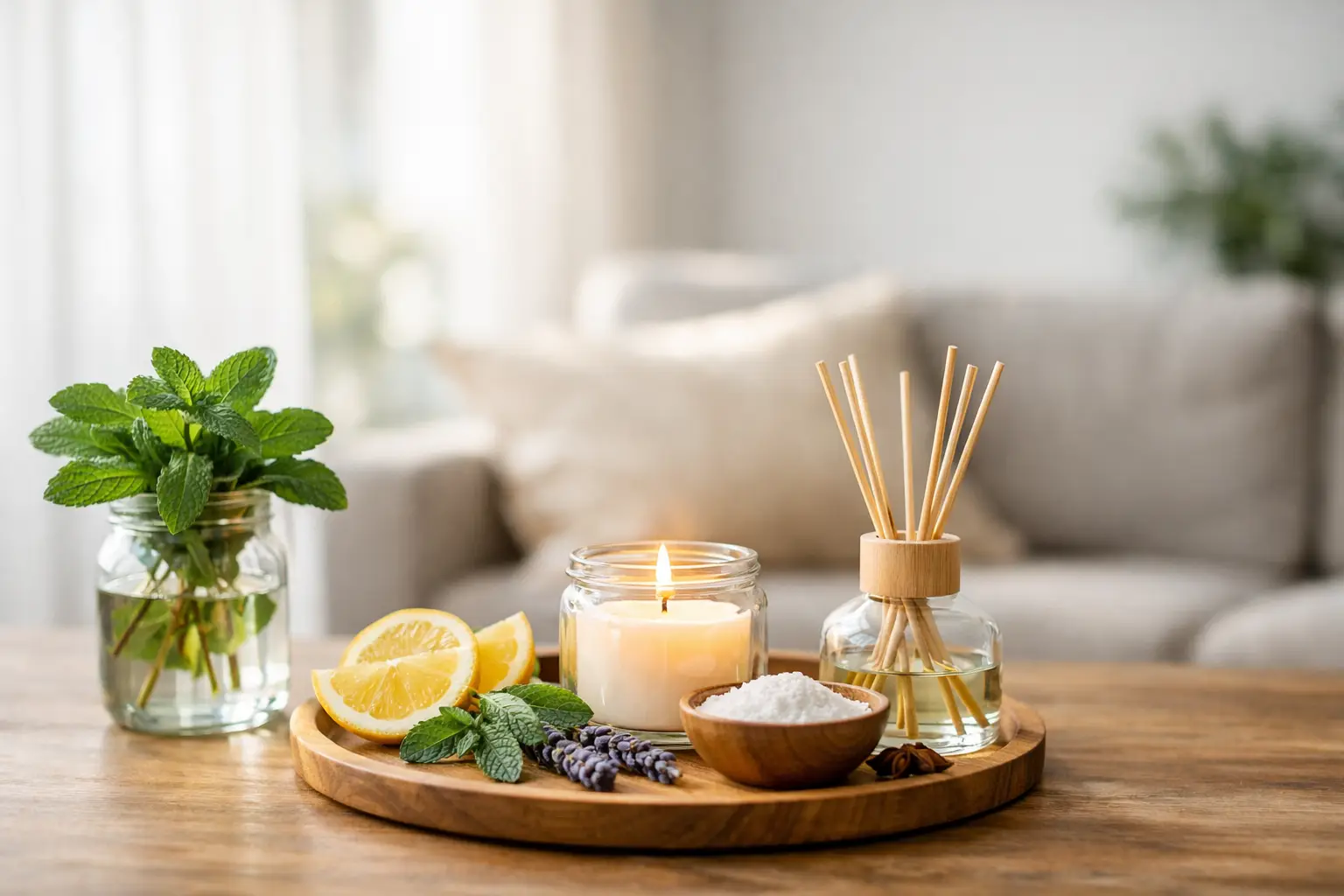
Natural scent works best when it’s subtle. Simmering citrus peels with herbs like rosemary can make the kitchen smell fresh and warm. Baking a loaf of bread or a batch of cookies works too, though that strategy can create expectations from everyone else in the house. Fresh eucalyptus in the shower gives a clean, herbal lift. Soy candles made with cleaner ingredients can add atmosphere without turning your living room into a synthetic fog chamber.
Essential oil diffusion is another option, but use some restraint. More is not better. A faint natural scent feels clean. A face-full of aggressively diffused oils can be too much, especially in smaller homes, around kids, or around pets sensitive to strong aromas. The goal is to create a pleasant background, not summon the spirit of an overcommitted wellness boutique.
If you want a room to smell good all day, combine a light natural scent source with ongoing odor control. Otherwise, even the nicest candle will lose the battle against a mildewy hamper and last night’s salmon.
Fabrics control the mood of the whole house
People often clean counters, floors, and bathrooms but forget the fabric layer of the home. That’s a mistake. A room can look immaculate and still smell stale because the couch absorbed six months of life.
Wash blankets, pillow covers, and curtains more often than you think you need to. Vacuum sofas and chairs, especially under cushions. Rotate and air out bedding. If you have rugs, give them attention beyond a quick pass with the vacuum. Deep odor often sits below the surface, especially in high-traffic areas.
This is also where a non-toxic odor eliminator earns its keep. Spraying fabrics that can’t go through the wash every day – like mattresses, upholstery, curtains, and pet beds – can help reset the room without adding a harsh fake scent layer. Odor Exorcism built its whole unholy reputation on this idea: kill the stink first, enjoy the freshness second.
The best natural-smelling home is built on habits, not heroics
If you only attack odors once the house smells bad, you’ll keep playing defense. Better habits make the whole place easier to manage.
Small routines matter. Open windows when you can. Wash kitchen textiles often. Don’t let wet laundry sit. Empty trash before it starts making threats. Clean up pet accidents immediately. Keep drains, litter boxes, and bathroom fabrics from crossing into biohazard territory. Neutralize shoes, couches, and bedding before odors settle in like they pay rent.
There are trade-offs here. A heavily scented product can seem faster because it gives instant fragrance, but that rush fades and often leaves the original odor underneath. Natural methods can take a little more consistency, but the result is cleaner, calmer, and less likely to make your home smell like a department store perfume counter lost a fight.
How to make house smell good without chemicals in small spaces
Apartments, dorms, and small homes have a special gift for trapping smells. One pan of fried food and suddenly your bedroom, closet, and winter coat are all in on it.
In tight spaces, ventilation and fabric care matter even more. Keep laundry moving, crack windows whenever possible, and avoid scent overload. One strong candle or diffuser in a tiny room can feel oppressive fast. Target the actual source instead – bedding, curtains, trash, shoes, and soft furniture. If your place is small, every item has more influence on the air.
This is also where multi-use odor control helps. When one spray can handle bedding, upholstery, shoes, and hard surfaces, it’s easier to stay ahead of smells without filling a cabinet with products that all smell like fake rain.
A good-smelling house doesn’t need a chemical cloud or a fake tropical fragrance trying to perform an exorcism it was never trained for. It needs fresh air, cleaner surfaces, better fabric care, and a little natural scent used with taste. Start by getting rid of what stinks, and the whole house feels lighter after that.