Yoga Mat Deodorizing Without Chemical Fog
Evangelize


August 10, 2026
That sour little whiff rising from your mat during child’s pose is not a spiritual awakening. It is the accumulated ghost of sweat, skin oils, humid car rides, and every time you rolled up your mat before it was fully dry. Yoga mat deodorizing is less about making your practice space smell like a fake tropical resort and more about removing the funk before it takes possession.
A clean-smelling mat also makes it easier to return to your practice. Nobody wants to put their face near a surface that smells like a haunted gym bag. The trick is cleaning often enough to prevent odor buildup, while treating your mat gently enough that it does not crack, peel, or lose its grip.
Why Yoga Mats Start Smelling Like Trouble
Yoga mats are odor magnets because they sit close to the body and collect exactly what bodies produce: sweat, bacteria, natural oils, lotion residue, and the occasional splash of water from a very optimistic attempt at post-class cleanup. When that moisture gets trapped in a rolled mat, microscopic troublemakers get comfortable.
Heat and humidity make the problem worse. A mat left in a hot car, tossed into a packed gym locker, or rolled up damp after hot yoga can develop that sharp, stale smell surprisingly fast. It does not mean you are gross. It means your mat has become a tiny, sweaty apartment with terrible ventilation.
Material matters, too. Closed-cell mats are generally less absorbent and easier to wipe down. Open-cell mats offer a softer, grippier feel, but they can soak up moisture more readily. Natural rubber, cork, PVC, polyurethane, and foam blends all have their own care rules. Read the manufacturer’s instructions before unleashing any cleaner, because a product that works beautifully on one mat can be a slip-and-slide disaster on another.
Yoga Mat Deodorizing Is Not Just Perfume
Here is the cardinal sin of mat care: spraying a heavy fragrance over stale sweat and calling it clean. That is not deodorizing. That is asking lavender-scented fog to wrestle a locker-room demon, and the demon usually wins.
The goal is to neutralize odors at their source, then let the mat dry completely. A light cleaning spray may help lift surface residue and refresh the mat, but it should not leave a greasy film that compromises traction or overwhelms your breathing during savasana.
If you are ingredient-conscious, be especially wary of sprays that lean hard on vague fragrance blends. A strong scent can feel like proof of cleanliness, but it may simply be a cover-up with a fog machine. Look for a non-toxic odor eliminator designed to neutralize smells rather than bury them under synthetic perfume.
The Best Routine for a Fresh Mat
You do not need a ten-step purification ceremony after every class. You do need consistency. For most people, a quick wipe after each sweaty session and a deeper clean every few weeks is enough to keep the funk from gaining followers.
After every practice: wipe, air, unroll
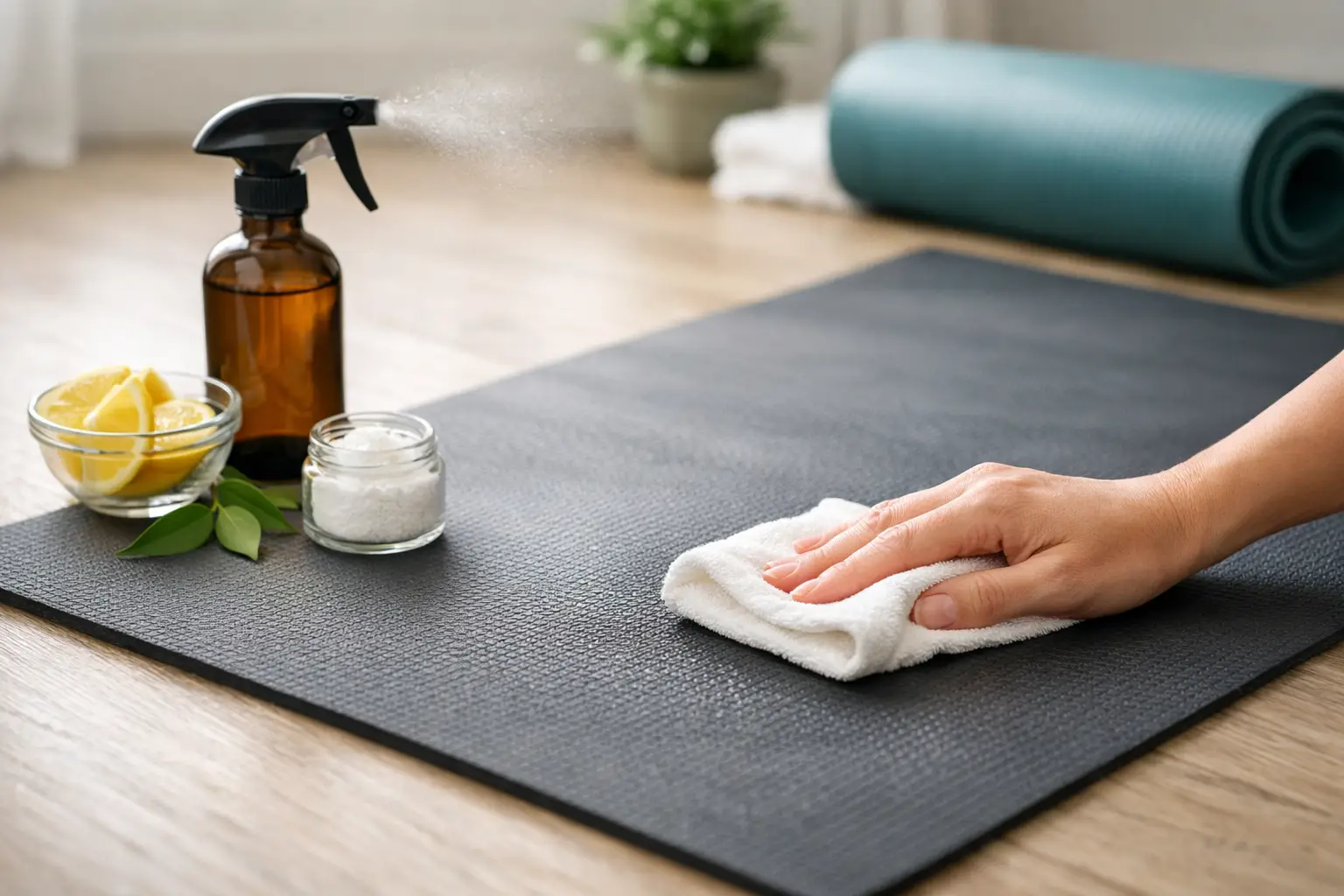
After practice, unroll your mat fully and let it air out before putting it away. If it is visibly sweaty or you practiced hot yoga, wipe both sides with a soft cloth lightly misted with a mat-safe cleaner or odor-eliminating spray. The cloth should be damp, not dripping. Soaking the mat is how good intentions become mildew folklore.
Let the mat dry flat or draped over a clean rack, away from direct sunlight and high heat. Sun can fade, dry out, or degrade certain materials, especially rubber. A breezy room is better than a scorching patio.
Every few weeks: give buildup the boot
For a deeper refresh, clean the mat according to its material instructions. In many cases, a soft cloth with a small amount of gentle soap and water is enough to remove body oils and dirt. Wipe again with plain water to remove soap residue, then dry thoroughly.
Avoid harsh disinfectants, bleach, and aggressive degreasers unless your mat manufacturer specifically says they are safe. These can damage the surface, alter the texture, and leave behind fumes that do not belong in a deep-breathing practice. Your downward dog does not need to smell like a hospital janitor closet.
When the odor will not leave
If your mat still smells musty after cleaning and drying, inspect it closely. Is there discoloration, flaking, tackiness, or a persistent mildew smell? If so, the odor may be embedded beyond a surface refresh, especially in an older open-cell mat. At that point, replacement may be the least dramatic option, even if your mat has been with you through three apartment moves and an emotionally charged 30-day challenge.
What to Use and What to Keep Away
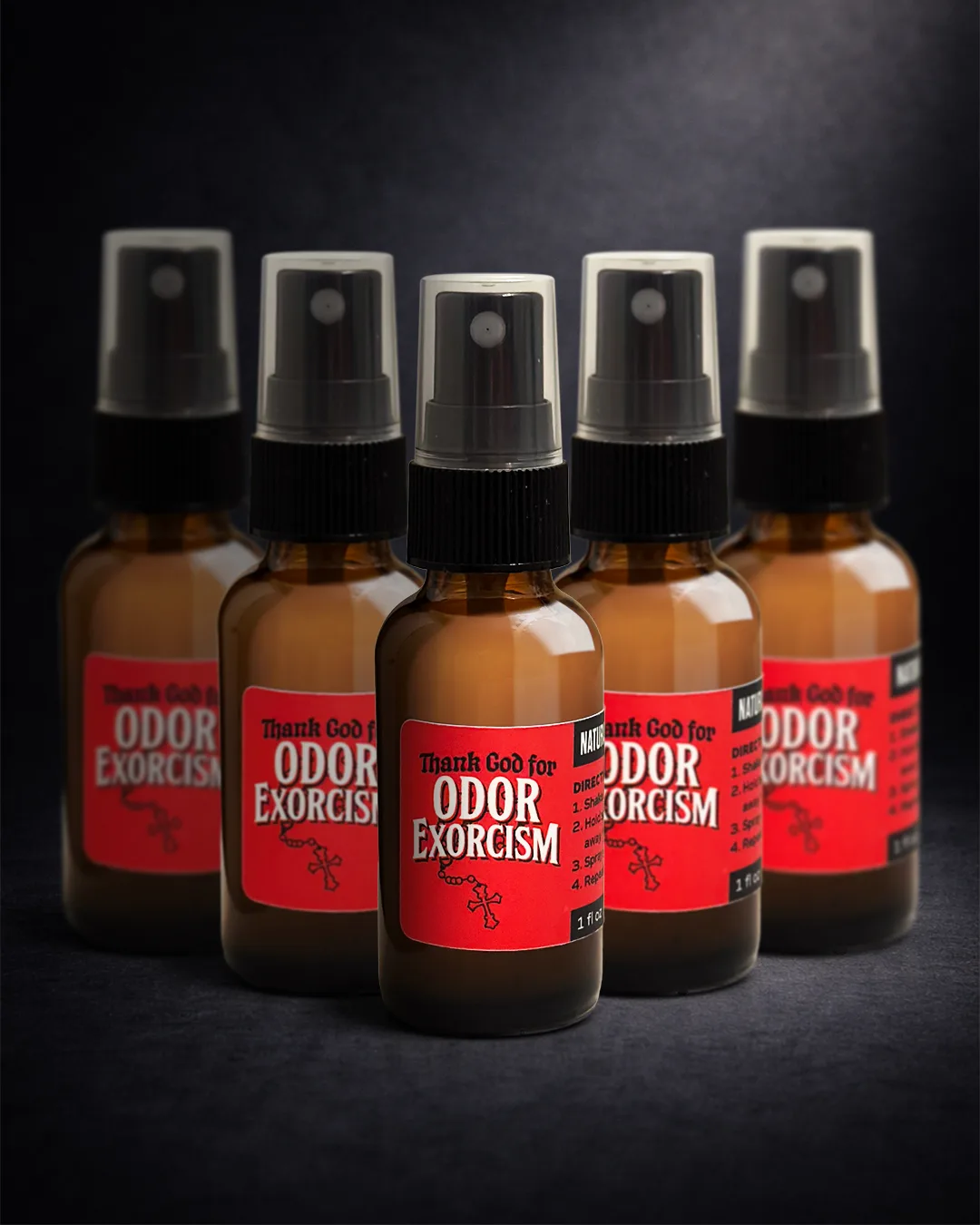
A gentle, naturally derived odor eliminator can be a useful part of your mat-care routine, particularly when you want to address stale smells without dumping a cloud of synthetic fragrance into your practice room. Odor Exorcism is one option for a light mist on a cloth before wiping compatible mat surfaces. Always test a small, inconspicuous area first, especially on natural rubber, cork, or specialty-coated mats.
The right product depends on your mat. Cork mats may need less moisture than standard PVC mats. Natural rubber can be sensitive to oils and sunlight. Polyurethane-topped mats often need a very gentle approach to preserve their grippy finish. When in doubt, use less liquid, wipe softly, and allow plenty of dry time.
A few common “cleaning hacks” deserve a firm banishment. Undiluted vinegar can leave a lingering sharp smell and may not suit every material. Essential oils might smell pleasant, but putting them directly on a mat can create residue and may irritate sensitive skin. Baking soda can be messy, abrasive, and hard to remove from textured surfaces. And putting a yoga mat in a washing machine is usually an invitation to a tragic, floppy aftermath.
Prevent the Next Odor Possession
The easiest way to deodorize a yoga mat is to give odor less opportunity to settle in. Bring a small towel to sweaty classes, especially if your hands and feet tend to turn every vinyasa into a weather event. A mat towel or grip towel creates a washable layer between you and the mat, reducing how much sweat reaches the surface.
Store your mat only when it is dry. That one habit does more than almost any spray. If you commute to class, do not leave the mat sealed inside its bag all day afterward. Open the bag when you get home and let everything breathe.
Wash your mat strap, towel, and bag, too. These accessories can hold onto the same odors and transfer them right back to a freshly cleaned mat. The demon does not care which fabric it inhabits.
If you practice at home, choose a storage spot away from damp bathrooms, laundry piles, and pet beds. Your cat may consider your mat a sacred nap platform, but pet fur and household odors can cling to it just as readily as post-yoga sweat.
A Fresh Mat Makes Practice Easier
There is a small but real difference between stepping onto a mat that feels cared for and stepping onto one that makes you wonder whether it has developed sentience. A fresh mat removes one more excuse to skip the class, the stretch, or the five quiet minutes you promised yourself.
Keep the routine simple: wipe after sweaty sessions, dry before rolling, clean more deeply when buildup appears, and use odor elimination instead of perfume camouflage. Your mat does not need an exorcism every day. It just needs enough care that the funk never gets a foothold.