How to get mildew smell out for good
Evangelize



June 11, 2026
That damp, stale, basement-goblin odor does not show up by accident. If you’re searching for how to get mildew smell out, you are dealing with moisture that hung around long enough to let funky little spores throw a house party. The bad news is mildew odor loves fabric, carpet, shoes, towels, and upholstery. The good news is you can usually banish it without turning your home into a synthetic-fragrance fog machine.
What causes that mildew smell in the first place?
Mildew smell usually means moisture got trapped somewhere with poor airflow. Think towels tossed in a hamper while still wet, laundry forgotten in the washer, a rug that never fully dried, or upholstery that soaked up humidity like it was collecting souls.
That smell is not just “stale.” It comes from microbial growth and the funky compounds it releases. Translation: if you only cover it with perfume-heavy spray, the smell may seem gone for an hour, then rise again like the villain in the last five minutes of a horror movie.
If you want real results, you need to do two things at the same time. First, remove or kill what’s causing the odor. Second, dry the material completely so the smell does not come creeping back.
How to get mildew smell out of washable fabrics
Clothes, towels, sheets, and washable blankets are some of the easiest items to save, as long as you do not keep rewashing them the exact same way and expecting divine intervention.
Start by smelling the item when it’s dry. If the odor is strongest only when damp, mildew is likely the issue. Wash it as soon as possible instead of letting it sit in a pile with other laundry and spread the funk.
Run the load with a quality detergent and use warm or hot water if the care label allows it. For sturdy items like towels and cotton sheets, hotter water often works better because it helps loosen residue and body oils that trap the odor. For delicates or synthetics, use the warmest safe setting instead of going full inferno.
If one wash does not do it, wash again after adding an odor-neutralizing booster that is appropriate for the fabric. This is where people get reckless. Bleach can help on some whites, but it is not the answer for everything, and it can damage colored fabrics or delicate fibers. Vinegar is commonly recommended and can help with residue, but it is not magic either. If the mildew smell is deep in the fibers, you may need both a thorough wash and a proper odor eliminator that neutralizes smells instead of trying to perfume them into submission.
Drying matters just as much as washing. If possible, dry items in direct sun. Sunlight and fresh air can help lift lingering mustiness. If you use a dryer, make sure the load gets fully dry before you fold it. “Slightly damp” is how this demon gets invited back inside.
How to get mildew smell out of towels
Towels deserve their own sermon because they are repeat offenders. They soak up water, skin oils, detergent residue, and then get stuffed on hooks or in heaps like they’re immune to consequences.
If your towels smell sour or musty right after washing, residue buildup is often part of the problem. Wash them separately from clothing so they get enough agitation and rinse properly. Skip fabric softener for a while, because it can coat fibers and trap odor. Use less detergent than you think you need if your machine tends to over-suds.
Then dry them completely. Not mostly. Completely. Thick towels can hold moisture in the center even when the outside feels dry. If your bathroom has weak ventilation, that is another clue. Sometimes the towel is clean but keeps picking up damp room odor after every use.
How to get mildew smell out of carpet and rugs
Carpet is trickier because moisture can sink below the surface into the pad underneath. That is why a rug can smell fine one day, then reek when humidity climbs.
First, find out whether the carpet is still damp. If it is, drying is priority one. Use fans, open windows if the weather helps, and run a dehumidifier if you have one. You are not just fighting odor. You are trying to stop mildew from setting up a long-term lease.
Once the area is dry or drying, vacuum thoroughly. Then treat the affected spot with a fabric-safe odor eliminator. The key is using something that neutralizes the smell at the source, not a fake-fresh cover scent that mingles with mildew and creates a cursed perfume no one asked for.
If the smell came from a spill or leak and covers a large area, the pad underneath may be the real problem. In that case, surface treatment alone may not cut it. Deep extraction or even replacing the pad might be necessary. That is the annoying truth nobody loves, but sometimes the funk is buried deeper than your vacuum can reach.
Mildew smell in couches, mattresses, and upholstery
Soft furniture holds odor like a grudge. If a couch, chair, or mattress smells mildewy, start by checking for active moisture. If there’s a leak, pet accident, humidifier spill, or wall condensation nearby, fix that first. Otherwise you’re deodorizing a haunted swamp.
Vacuum the surface with an upholstery attachment. Then lightly treat the material with an upholstery-safe odor neutralizer and let it air out thoroughly. Do not soak the fabric unless the product instructions specifically allow it. Too much liquid can make the problem worse by adding more moisture to an already suspicious situation.
For cushions with removable covers, wash the covers if the care label allows it. Let inserts dry in a bright, airy space for as long as needed. Mattresses are more delicate. Use minimal moisture, plenty of ventilation, and patience. If a mattress has deep mildew from prolonged dampness, there comes a point where replacement is the sane choice.
Shoes, closets, and other small mildew traps
Shoes, gym bags, and closets are classic mildew hideouts because they stay dark, enclosed, and slightly damp. Which is basically a spa retreat for bad smells.
For shoes, pull out insoles if possible and air everything out separately. Clean the interior, treat with a natural odor eliminator spray safe for fabric or leather, and let them dry fully before wearing them again. Stuffing them with paper can help draw out moisture.
For closets, the mission is bigger than one sweater. Wash any affected fabrics, wipe down hard surfaces, and reduce humidity inside the space. Leave some breathing room between items. If your closet always smells musty, odds are the problem is not your clothes. It is the environment around them.
Why masking mildew smell usually fails
Here is the part where we roast traditional air fresheners a little. If your room smells like mildew and “mountain rain” at the same time, you have not solved the problem. You have just dressed it up in a cheap disguise.
Mildew odor tends to come back because the source is still alive, still damp, or still embedded in porous materials. That is why products designed to neutralize odor are far more useful than products built around fragrance alone. A cleaner ingredient profile matters too, especially in homes with kids, pets, sensitive noses, or anyone tired of breathing in a chemical scented monologue every afternoon.
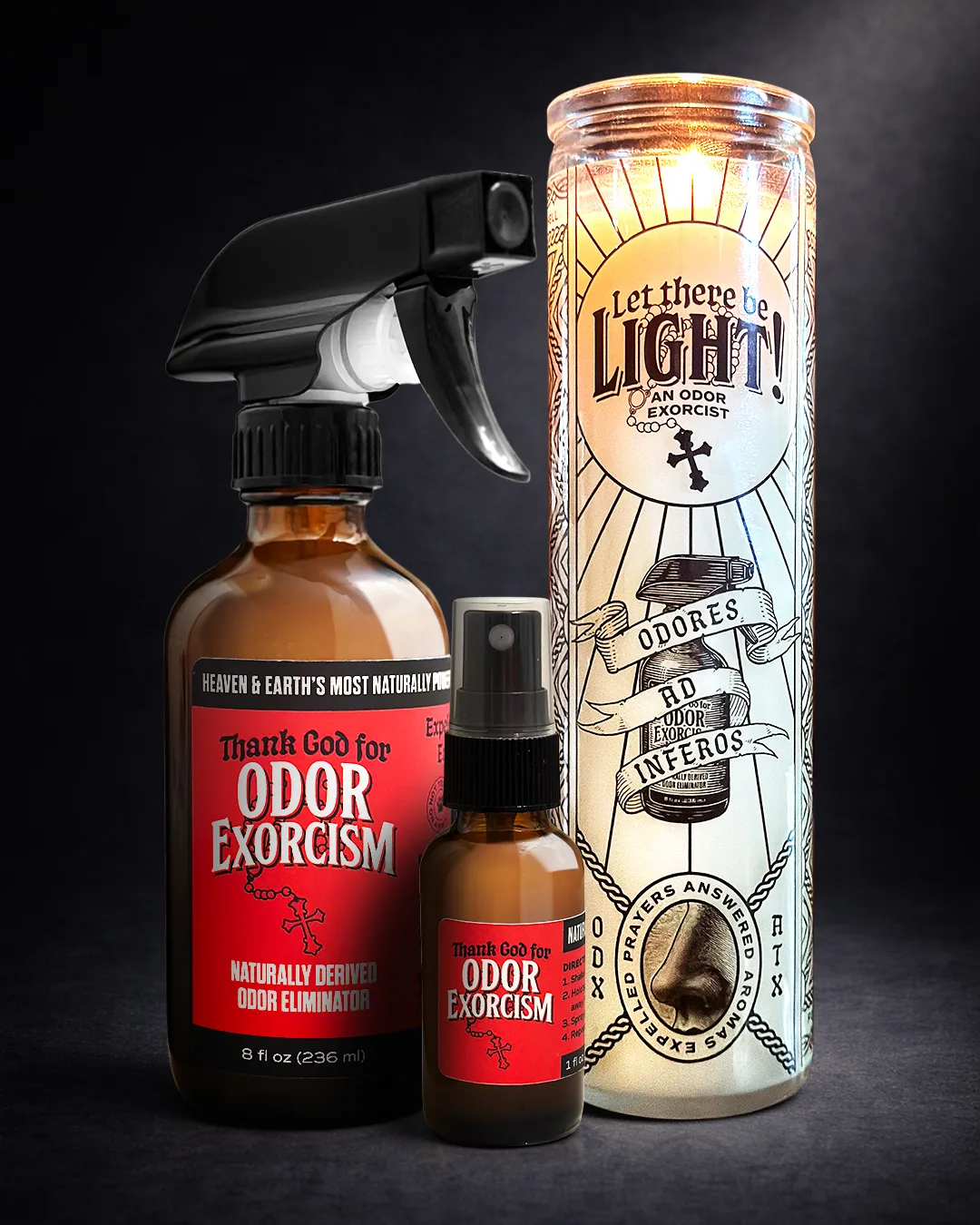
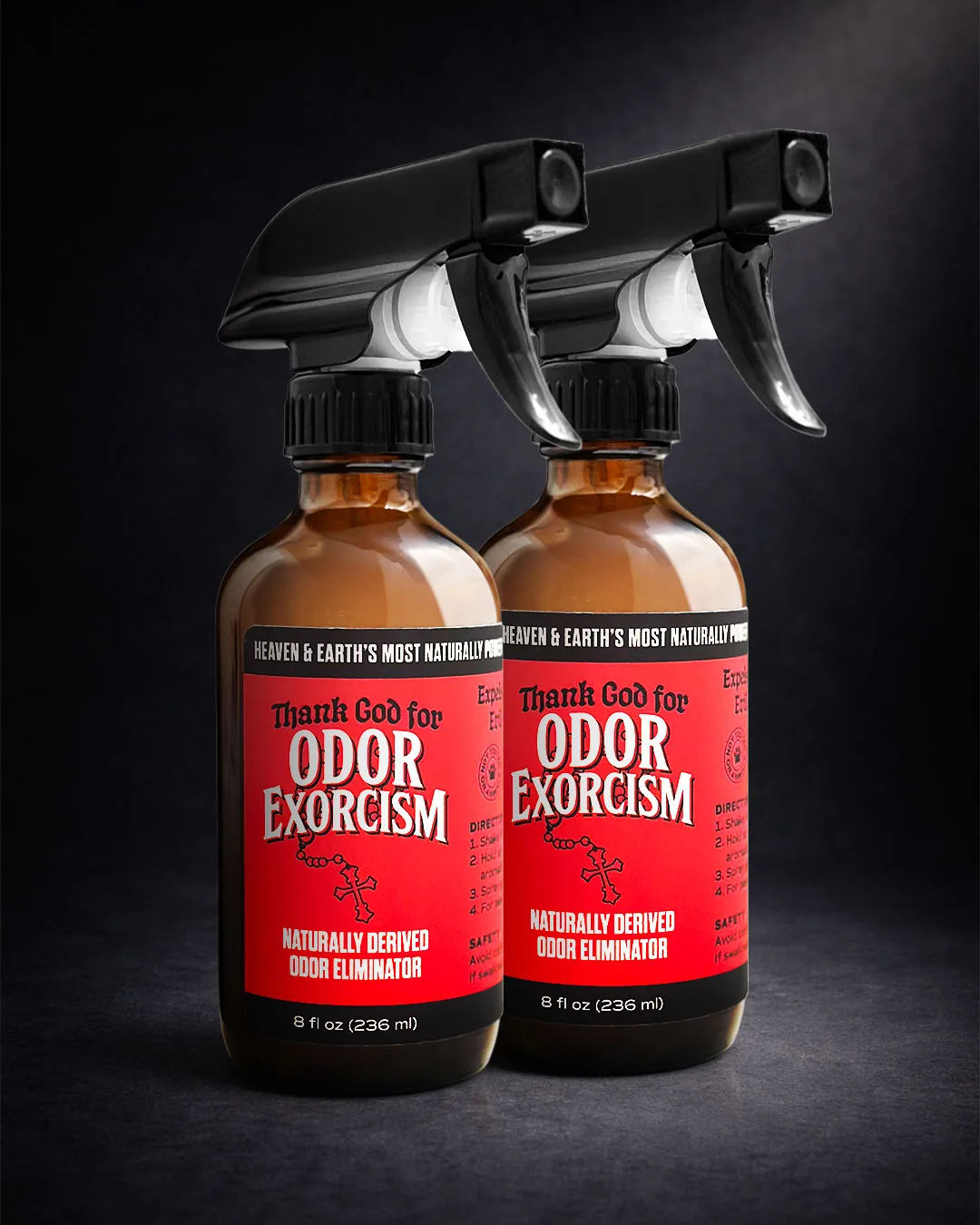
This is exactly why people reach for options like Odor Exorcism – the goal is to cast out the stink, not crown it with fake flowers and call the ritual complete.
When mildew smell means a bigger problem
Sometimes learning how to get mildew smell out leads to an answer you did not want. If the odor keeps returning after cleaning, you may have a hidden leak, poor ventilation, damp drywall, or mold growth beyond the surface. A recurring smell in one room, one wall, or one piece of flooring is a clue, not a personality trait of the house.
Pay attention if you notice visible spotting, warped materials, chronic humidity, or symptoms like coughing and irritation that seem worse in that space. At that point, the issue is less about deodorizing and more about fixing the moisture source before it gets expensive.
The best way to keep mildew smell from coming back
Prevention is gloriously unsexy, but it works. Dry towels before tossing them in the hamper. Move laundry from washer to dryer before it starts its descent into swampdom. Keep air moving in bathrooms, laundry rooms, and closets. Clean spills fast. Use dehumidifiers where humidity likes to lurk and brood.
And when something starts smelling off, deal with it early. Mildew is much easier to evict when it is just a rude guest, not a full-blown possession.
A home does not need to smell like fake lavender to smell clean. It just needs less moisture, better airflow, and a little willingness to confront the funk before it grows teeth.