Non-toxic fabric odor spray that works
Evangelize


May 11, 2026
Your couch has seen things. The dog claimed one corner, takeout claimed another, and that mystery blanket smell has risen from the dead for the third time this week. If you are hunting for a non toxic fabric odor spray, you are probably not looking for another floral fog machine that perfumes the crime scene and calls it clean.
What most people want is simpler than the air care aisle makes it seem. They want fabric to smell like nothing bad happened there. No chemical blast. No fake-linen-over-cat-box situation. Just an odor spray that handles the funk without turning your living room into a synthetic fragrance séance.
What a non toxic fabric odor spray should actually do
A good fabric spray has one job – deal with odor at the source instead of laying a scented sheet over it and fleeing the scene. That distinction matters more than the label copy would have you believe.
Plenty of conventional sprays lean hard on heavy fragrance. At first, that can feel effective because your nose gets smacked with a new smell. But if the original odor is still there underneath, you have not removed the problem. You have just invited a second ghost into the house.
A non toxic fabric odor spray aims for a different outcome. It is designed for people who read ingredient labels, who get headaches from overpowering scents, or who simply do not want to mist their bedding and upholstery with questionable stuff every other day. The appeal is not only health-conscious. It is practical. Fabrics sit close to your skin, your pets, your kids, and the air you breathe for hours. If you spray them often, ingredient quality stops being a niche concern and becomes common sense.
Why fabric odors are so stubborn
Fabric is a notorious sinner because it traps odor in layers. Upholstery, rugs, curtains, shoes, pet beds, and clothing all soak up airborne particles, skin oils, smoke, food residue, and moisture. Hard surfaces can usually be wiped down and redeemed in one pass. Soft surfaces collect evidence.
That is why a random room spray often fails on fabric. It might make the room smell different for ten minutes, but the fibers are still holding onto the source. If your couch smells musty, your gym bag smells cursed, or your guest room has that old-textile funk, the product needs to work with fabric, not just around it.
This is also where trade-offs come in. A very strong formula may seem impressive, but if it leaves residue, overwhelms the room, or makes sensitive people regret every breath, it is not solving the full problem. On the flip side, an ultra-gentle spray that smells pleasant but barely touches odor is basically holy water in a mislabeled bottle. The sweet spot is real odor neutralization with ingredients you do not mind living with.
How to spot a better non toxic fabric odor spray
The first clue is what the brand claims to do. If the messaging is mostly about fragrance, mood, or long-lasting perfume, that is a sign the product may be more air freshener than odor eliminator. That does not automatically make it bad. It just means it serves a different purpose.
If you want actual odor control on fabric, look for language around neutralizing or eliminating odors rather than covering them. That sounds obvious, but a surprising number of products sell the fantasy of freshness while doing very little exorcising.
The second clue is the ingredient approach. Many shoppers looking for non toxic options are trying to avoid the usual suspects – harsh chemical smells, vague fragrance overload, or formulas that feel like they belong in a hazmat locker. Naturally derived ingredients and essential oil based scenting tend to appeal because they feel cleaner, simpler, and less hostile to everyday life.
That said, natural does not mean you should spray with reckless abandon. Some people are sensitive even to essential oils, and some fabrics are delicate enough to deserve a patch test. The righteous path is usually moderation plus common sense, not blind faith in any label.
Where people actually use it
The glamorous answer is upholstery and bedding. The honest answer is everywhere the demons linger.
A non toxic fabric odor spray earns its keep on couches, throw pillows, blankets, curtains, rugs, pet beds, shoes, car seats, coats, and laundry that came out technically clean but spiritually questionable. It is especially useful in apartments, dorms, and smaller homes where smells have nowhere to go and every burrito choice echoes through the upholstery.
Pet owners get a lot out of it because soft surfaces absorb the daily realities of animal life at an elite level. Parents do too, because kids can turn a car seat into a biological event before lunch. Renters love it because old spaces come with inherited weirdness. If you have ever walked into a room and thought, what died in these throw pillows, you are the audience.
What “non toxic” really means in real life
This is where the marketing demons love to dance. “Non toxic” is not a single regulated magic stamp that guarantees every person, pet, and material will react the same way forever. It is a useful consumer shorthand, but it still requires a little discernment.
In real life, most people use the term to mean a formula made without the harsh, heavy, synthetic vibe they are trying to avoid. They want a spray they feel comfortable using in the spaces where they eat, sleep, lounge, and exist as mammals. They want something that supports a cleaner-feeling home, not a cloud of fake mountain breeze and regret.
So the better question is not whether a product shouts “non toxic” from the rooftop. It is whether the formula and brand behavior support that claim in a believable way. Are the ingredients clear? Is the scent approach thoughtful? Does the product focus on neutralizing odor instead of drowning it? Does it feel like it belongs in a lived-in home rather than a chemical weapons test chamber?
Why fragrance masking gets old fast
Masking has its place. If guests are arriving in four minutes and the trash committed a war crime, a quick scent boost can buy time. But for fabric, masking is usually a short-term trick with diminishing returns.
The problem is layering. Fabric already holds onto odor. Add a strong synthetic scent on top, and now your blanket smells like tropical detergent fighting a stale shoe in a locked room. That is not freshness. That is a custody battle.
A better approach is odor elimination first, scent second. If there is a fragrance, it should feel like a clean afterthought, not a hostile takeover. That difference is why many ingredient-aware shoppers never go back once they find a spray that neutralizes instead of cosplaying as cleanliness.
The case for essential-oil-based odor removal
When done well, essential-oil-based sprays hit a useful middle ground. They can leave fabric smelling fresh without the scorched-earth effect of traditional fragrance-heavy products. For shoppers who want a cleaner home vibe and who are tired of supermarket air care smelling like a department store candle had a breakdown, this approach makes sense.
It also fits how people really use odor sprays. This is not a once-a-month special event. It is an everyday tool. You spray the dog bed. You hit the couch before guests come over. You freshen shoes, curtains, or that one chair everyone uses and no one admits to. If a product is part of daily home maintenance, you want it to feel less like a chemical compromise and more like a sane ritual.
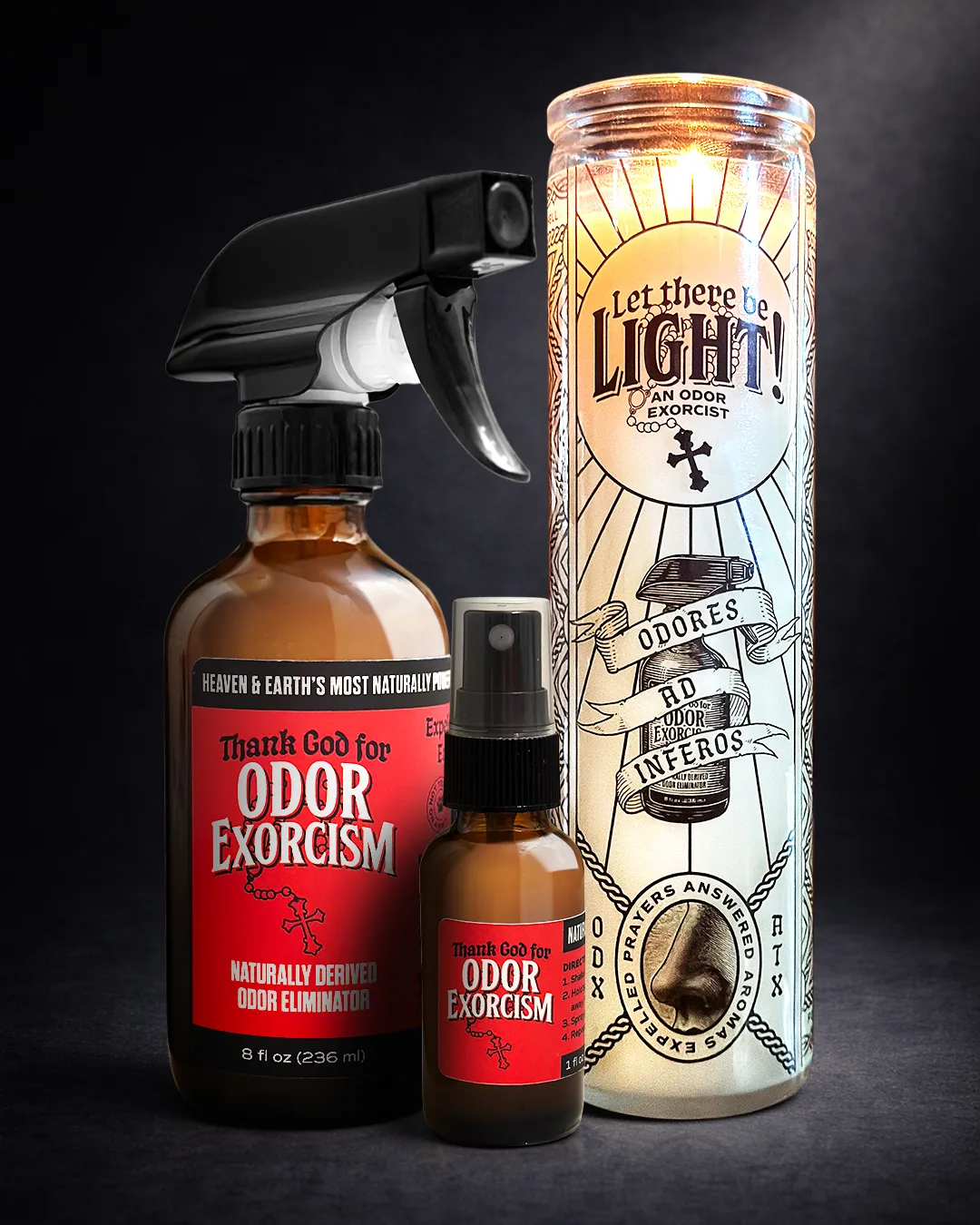
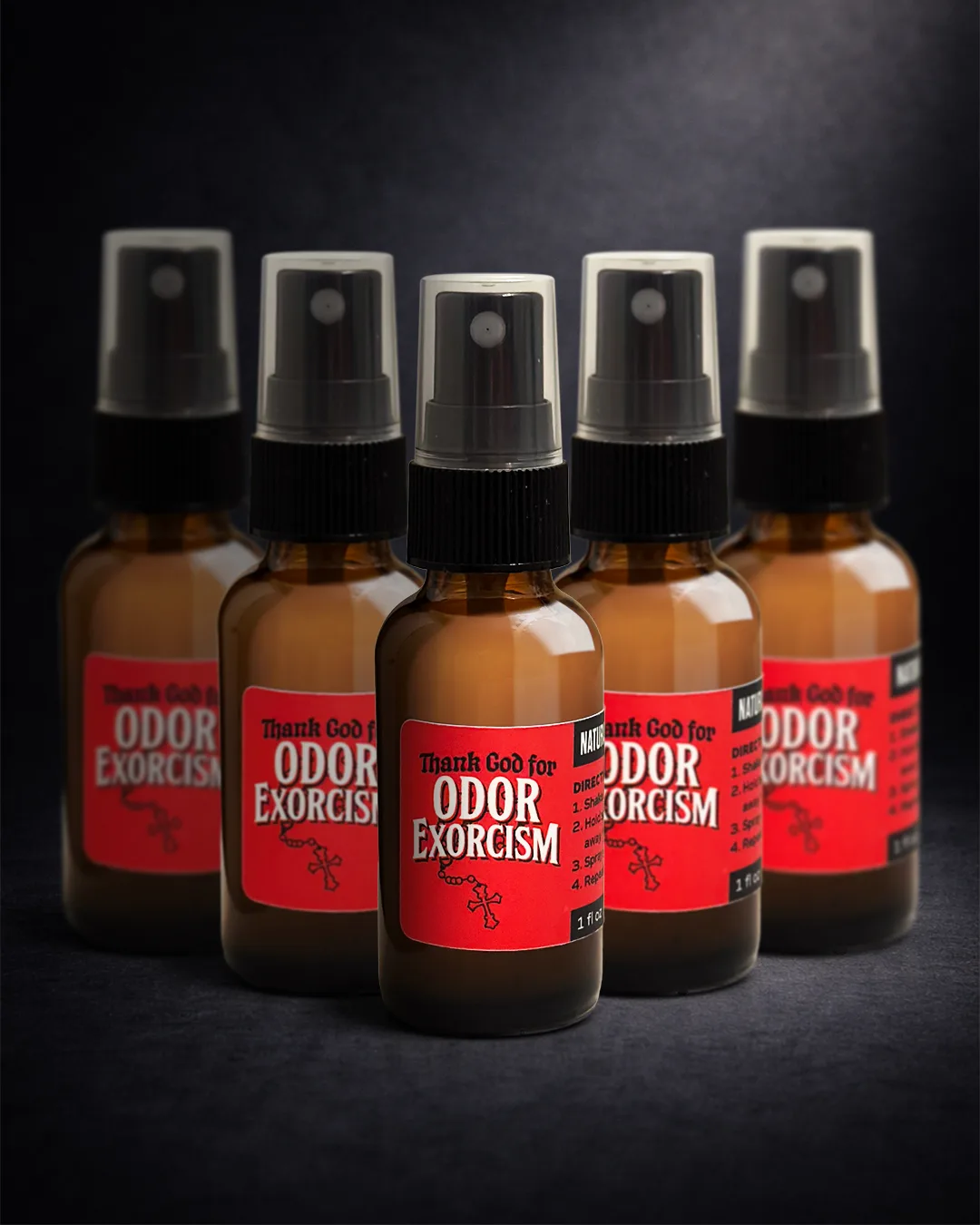
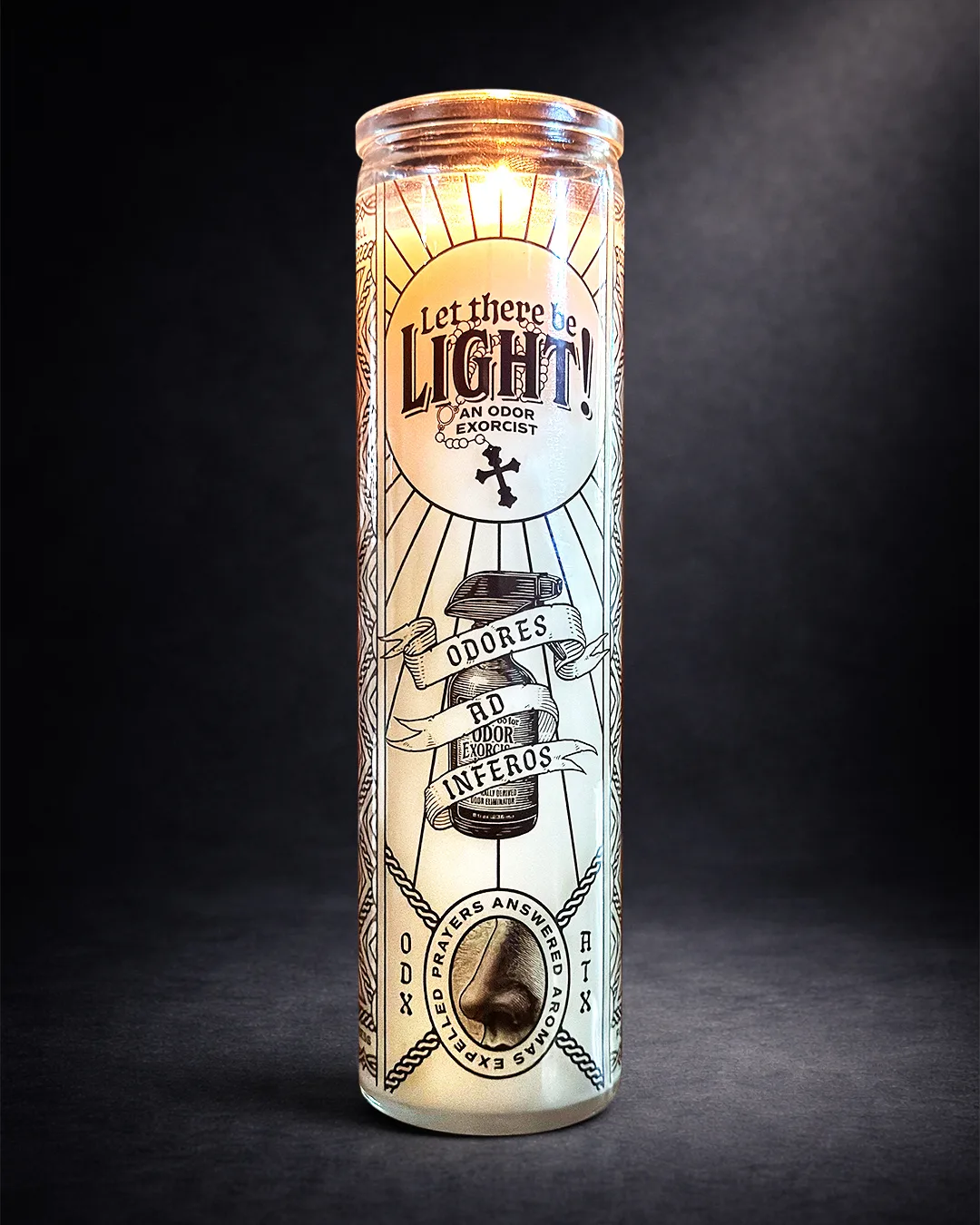
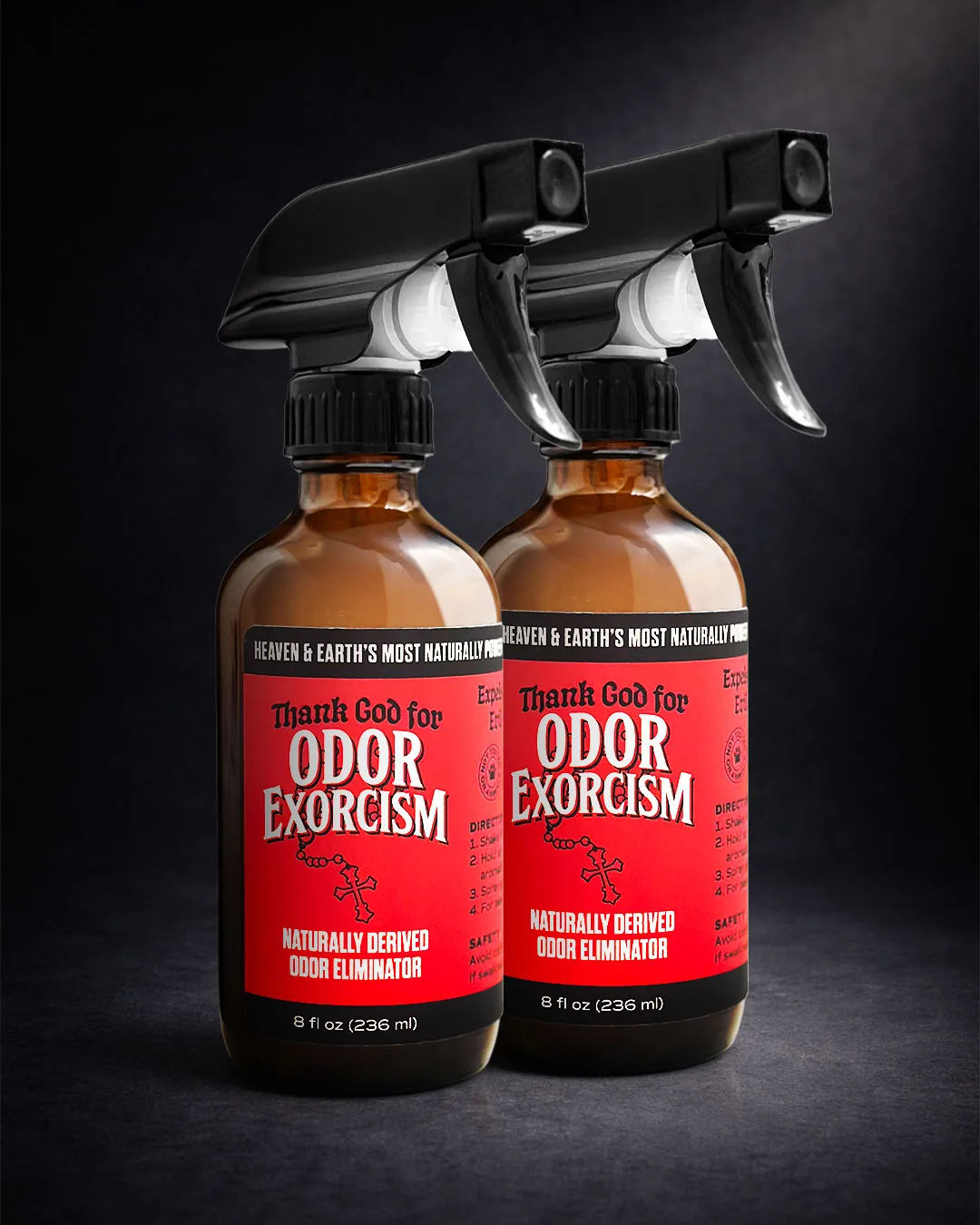
That is part of why brands like Odor Exorcism stand out. The attitude is fun, borderline unhinged, and gloriously anti-bland, but the actual promise is serious – naturally derived odor elimination that tackles funk on soft surfaces without relying on the usual synthetic perfume exorcism theater.
The best spray depends on your household chaos
There is no one-size-fits-all answer, because not all odors come from the same underworld. A pet-heavy home needs different stamina than a guest room with mild mustiness. A fragrance-sensitive household may want a subtler profile. A family with kids, sports gear, and upholstered everything may care most about versatility.
So when choosing a non toxic fabric odor spray, think less about hype and more about your daily reality. Are you trying to freshen bedding between washes? Handle recurring upholstery odor? Keep shoes from becoming felony evidence? Solve for the use case you actually have.
That usually leads to a better buy than chasing dramatic packaging or impossible promises. If the spray works on contact, feels comfortable to use around your everyday spaces, and does not leave your home smelling like a synthetic ambush, it is doing the Lord’s work.
And honestly, that is the whole mission. Fabric will always collect a little chaos. The goal is not to live in a sterile bubble. It is to have a smarter, cleaner way to banish the stink when your home starts acting possessed.