Shoe Odors: How to Evict the Funk for Good
Evangelize


August 27, 2026
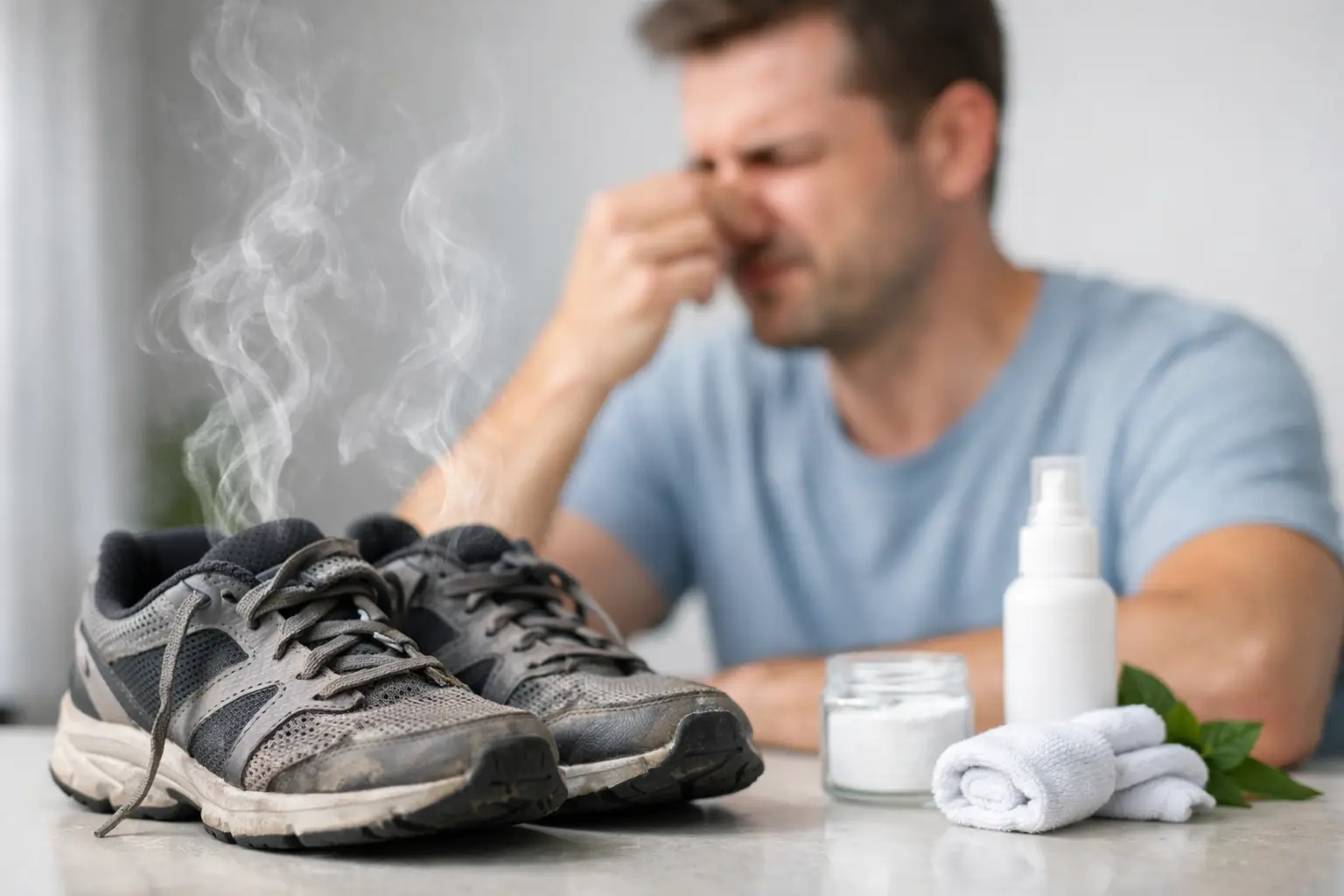
A pair of shoes can look innocent sitting by the door. Then you take them off after a long day, and suddenly the entryway smells like a locker room had a minor demonic incident. Shoe odors are not a character flaw. They are what happens when sweat, warmth, bacteria, and trapped moisture throw a tiny, revolting house party inside your footwear.
The good news: you do not have to seal your sneakers in a plastic bag and launch them into the sun. You can get rid of the stink without drowning your shoes in fake floral fog that smells like gym socks wearing a lei. The trick is treating the source of the odor, then making your shoes a much less welcoming place for it to return.
Why Shoe Odors Keep Rising From the Dead
Your feet have a lot of sweat glands, and many shoes give that sweat nowhere useful to go. Closed-toe sneakers, work boots, slippers, flats, and synthetic athletic shoes can hold onto moisture long after you have stopped moving. Add skin cells and bacteria, and you have the ingredients for a smell so bold it could haunt a hallway.
Sweat itself is not always the main villain. The odor gets worse when bacteria feed on sweat and skin debris, producing the funky compounds your nose immediately regrets noticing. If shoes stay damp between wears, that microbial crowd gets comfortable. Dark, warm, enclosed footwear is basically a boutique hotel for funk.
Some materials make matters worse. Breathable mesh sneakers may dry faster, while heavy work boots, foam-lined shoes, and non-breathable synthetic materials can trap moisture for hours. Leather can absorb odor, too, although soaking it in water or saturating it with a random cleaning potion is a quick way to trade a smell problem for a damage problem.
How to Get Shoe Odors Out Without Masking Them
First, give the shoes some air. Take out the insoles if they are removable, loosen the laces, open the tongue, and place everything in a dry, well-ventilated spot. A sunny area can help dry shoes, but avoid baking delicate materials in relentless heat. Heat can warp adhesives, crack leather, and turn a perfectly good pair of sneakers into a sad little science project.
Once the shoes are dry or nearly dry, remove loose debris. Shake them out, wipe hard surfaces with a soft cloth, and clean visible dirt according to the shoe maker’s care instructions. Dirt and sweat residue give odor-causing bacteria more to work with, so basic cleaning is not glamorous, but it matters.
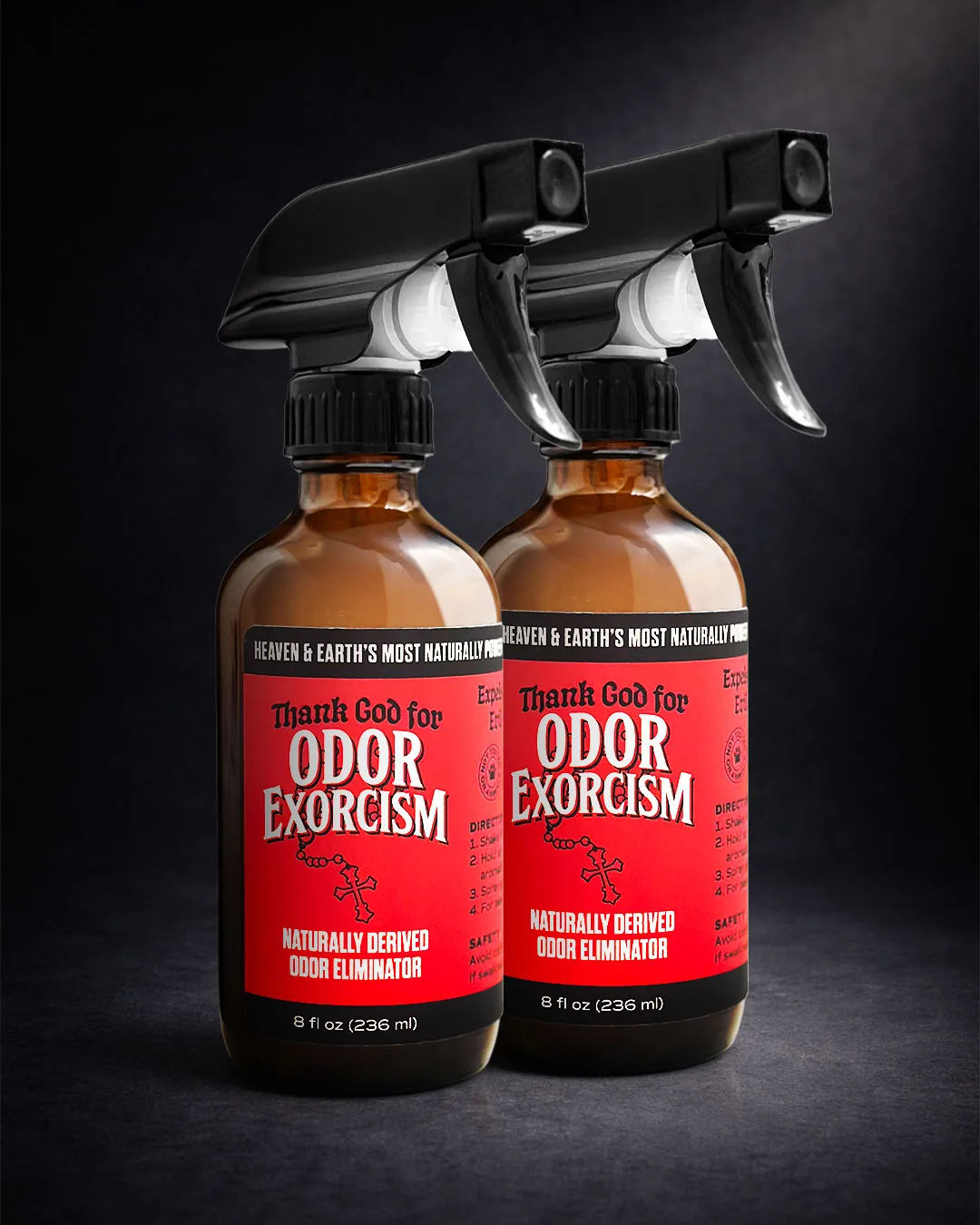
Then use an odor eliminator made for household surfaces and fabrics, rather than relying on perfume to cover the evidence. A naturally derived odor-eliminating spray can be useful for the inside of shoes, especially fabric-lined sneakers, slippers, canvas shoes, and washable insoles. Mist lightly and evenly inside the shoe, rather than soaking it. Let the footwear dry completely before wearing it again.
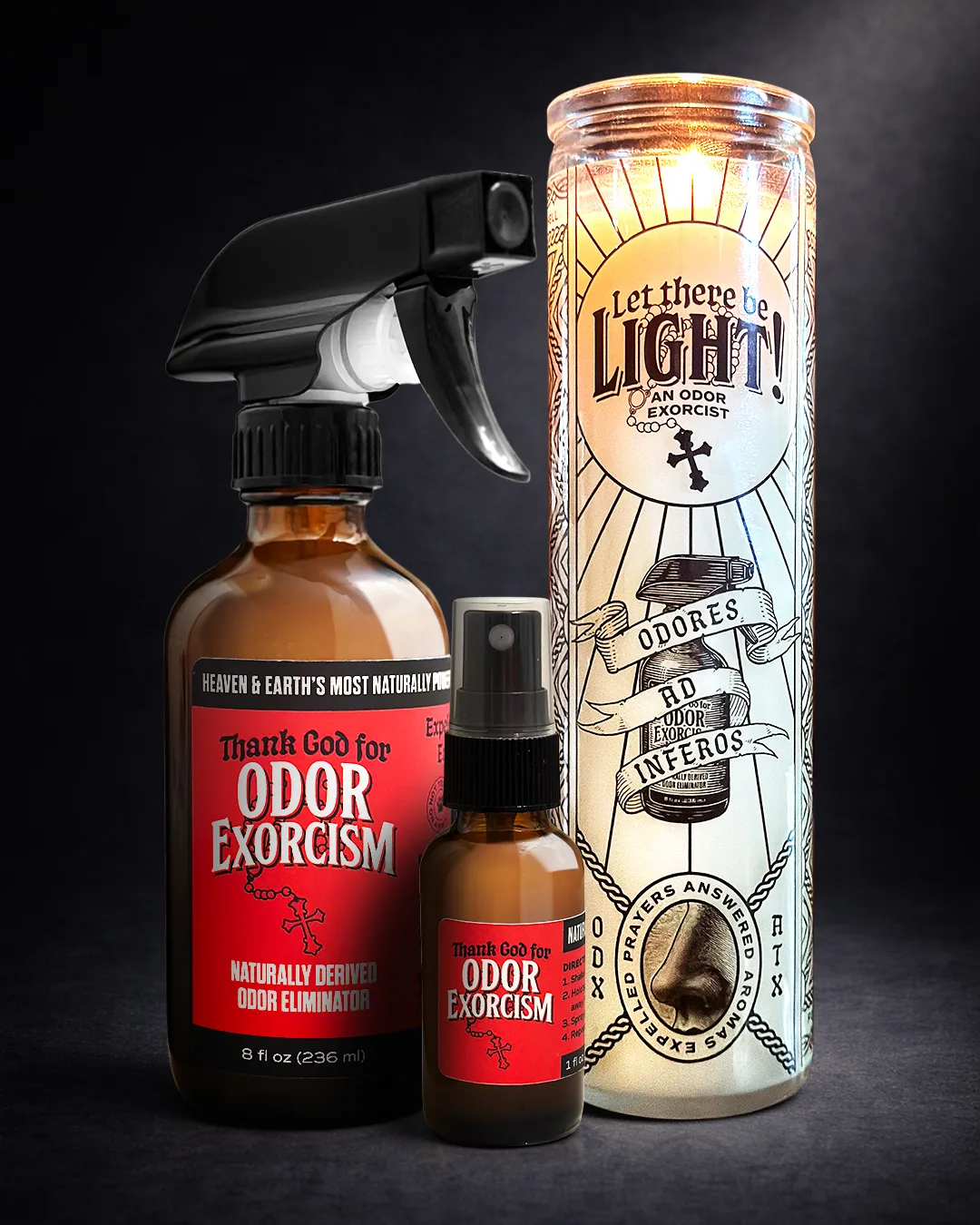
Odor Exorcism is designed to neutralize bad smells on contact, not merely slap a synthetic fragrance halo over the crime scene. That distinction matters. If your shoes smell “clean” for ten minutes and then the foot stench stages a comeback, you have not solved the problem. You have just given it background music.
For leather, suede, or specialty footwear, proceed with more caution. Test any product in a small, hidden area first, and avoid oversaturating the material. Suede and leather often need gentler, material-specific care. When in doubt, focus on removable insoles and the fabric interior, or consult the brand’s cleaning guidance before treating the outside.
Do not forget the insoles
Insoles are where much of the sweat and odor settle. If they can be removed, air them out separately after wearing your shoes. Wash washable insoles by hand if their care label permits it, then allow them to dry fully before putting them back.
If an insole is permanently funked, flattened, or visibly deteriorating, replacement may be smarter than another round of wishful thinking. Insoles are not immortal. Sometimes the most hygienic choice is to send the old pair to the great shoe rack beyond.
Washing can help, but only when the shoe allows it
Some canvas or fabric sneakers can be hand-washed with mild soap and cool water. Others should never go near a washing machine, despite what a desperate internet comment section may suggest. Machine washing can damage glue, deform cushioning, and shorten the life of certain shoes.
Read the care label first. If washing is allowed, let shoes air-dry thoroughly afterward. Wearing even slightly damp shoes is an invitation for the odor to resurrect before lunch.
Preventing Shoe Odors Before They Get Possessed
The fastest way to reduce shoe smell is simple: do not wear the same damp pair every day. Rotate shoes when you can, particularly running shoes, work boots, and anything you wear for long shifts. Giving a pair 24 hours or more to air out makes a real difference.
Socks matter more than people like to admit. Clean, moisture-wicking socks can reduce the amount of sweat that reaches the shoe lining. Cotton is comfortable, but it can stay wet longer during hard workouts or hot weather. Synthetic performance blends or merino wool may be a better fit for active days, depending on your comfort preferences and skin sensitivity.
After a workout, commute, or muddy dog walk, do not leave shoes buried in a gym bag or packed beneath a pile of laundry. Take them out. Open them up. Let them breathe like they have just survived a séance in a spin studio.
A light maintenance spray after especially sweaty wear can also help keep odors from building into a full-blown footwear haunting. Again, the goal is not to make every shoe smell like an artificial tropical resort. The goal is to leave it smelling like a shoe that has not committed crimes against indoor air.
The Common Mistakes That Make Shoe Smell Worse
The biggest mistake is masking shoe odors with heavy fragrance. Perfume, scented powders, and aggressively scented dryer sheets can create a bizarre mixture of floral chemicals and old sweat. That is not freshness. That is olfactory chaos.
Another mistake is sealing damp shoes in a bin, bag, closet, or trunk. Enclosed storage traps moisture and lets odor-causing bacteria thrive. Before putting shoes away, make sure they are actually dry, not merely “probably fine.”
People also tend to overapply products when a smell is strong. More is not always better. Saturating a shoe can leave residue, slow drying, and potentially affect delicate materials. Use a light, even application and give the product time to work and the shoe time to dry.
Finally, do not ignore recurring foot issues. If foot odor is unusually strong, persistent, or accompanied by itching, peeling, redness, or cracking, the issue may be more than a stinky shoe. A pharmacist or medical professional can help you sort out whether athlete’s foot, excessive sweating, or another condition is involved.
When It Is Time to Retire a Pair
A good cleaning can rescue plenty of shoes, but not every pair deserves an eternal second act. Consider replacing shoes when the cushioning is compressed, the lining is torn, the soles are damaged, or odor returns immediately despite cleaning, drying, and fresh insoles. Old shoes can hold deeply embedded sweat and bacteria, especially after years of daily wear.
That does not mean you need to panic-buy a new closet every time your sneakers get a little ripe. It means being honest about whether a pair needs care, replacement parts, or a dignified exit.
Your shoes carry you through grocery runs, school pickup, dog walks, airport sprints, and whatever questionable cardio you agreed to with friends. Give them a few minutes of airflow and odor control after the hard days, and they will be far less likely to greet your home like a sulfurous little curse.