Air freshener ingredients explained simply
Evangelize


July 3, 2026
That innocent little spray bottle on the shelf can read like a chemistry séance. If you’ve ever flipped one around and wondered what half the label is hiding, this air freshener ingredients explained guide is for you. Because once you know what each ingredient actually does, the difference between masking a smell and banishing it becomes a lot less mysterious.
Most air fresheners are built around one basic mission – make the room smell different. That sounds useful until you realize “different” is not the same thing as “clean,” and “fragrance added” is not the same thing as “odor removed.” A lot of products are basically perfume delivery systems with a few supporting actors. Some are fine if all you want is a blast of fake linen. Others leave behind a scent cloud so aggressive it feels like a demon in a cashmere sweater moved into your hallway.
Air freshener ingredients explained by job
The easiest way to decode an air freshener label is to stop looking at ingredients as scary words and start looking at them by function. Most formulas contain some mix of fragrance materials, solvents, preservatives, propellants, and odor-control ingredients. The catch is that two bottles can look similar on paper while doing very different things in your home.
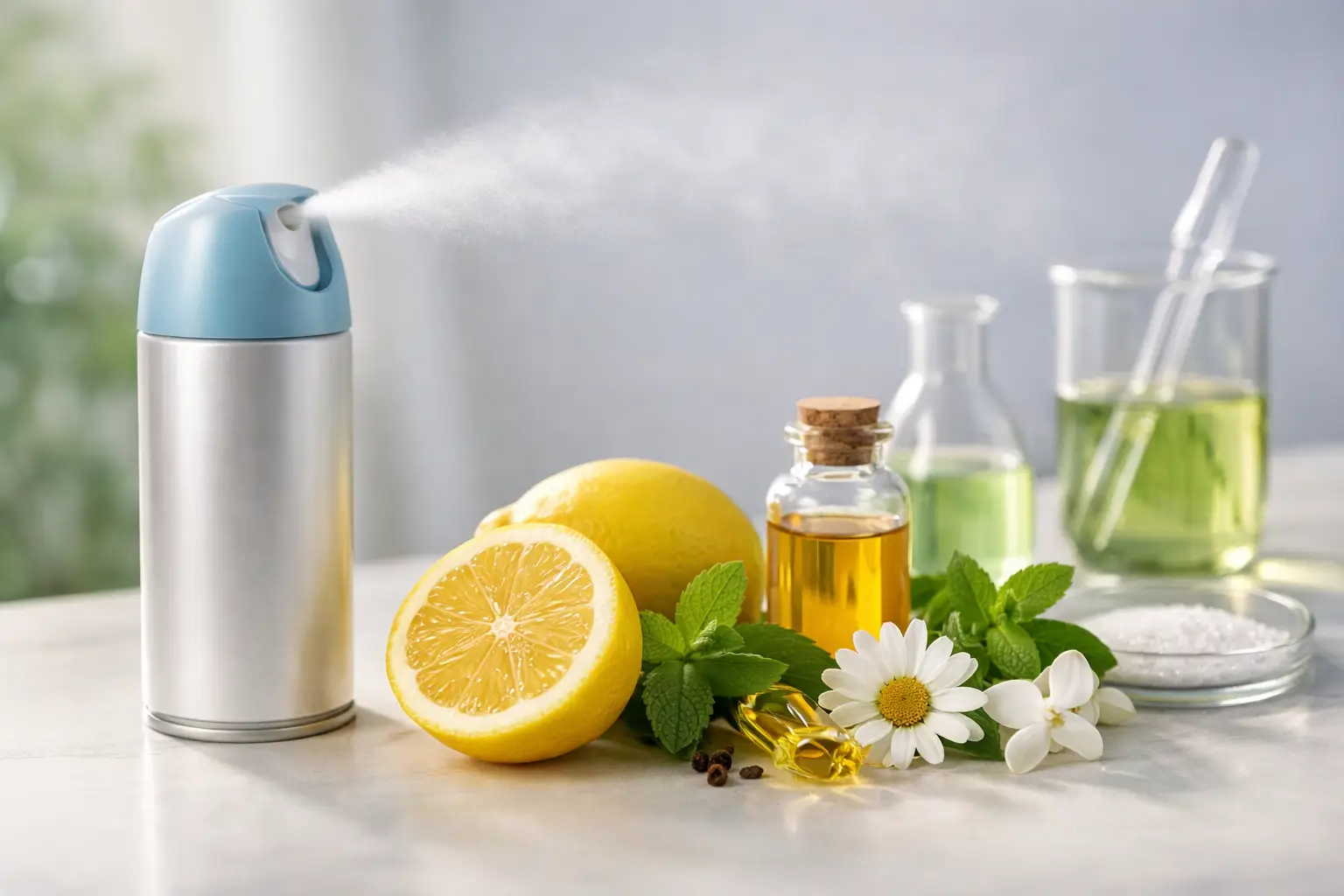
Fragrance is the obvious one. This is what gives an air freshener its scent profile, whether that profile is citrus grove, mountain rain, or “vanilla cupcake after a knife fight.” Fragrance can come from synthetic aroma compounds, essential oils, or a blend of both. Synthetic fragrance tends to be more consistent and often cheaper to produce. Essential oils are plant-derived and appeal to shoppers who want a more natural ingredient story. Neither category is automatically perfect or automatically evil. It depends on concentration, formulation, and your personal sensitivity.
Solvents are there to help everything mix and spray evenly. Water is common, but many products also use alcohols or glycol ethers to dissolve fragrance compounds and help the spray dry. This is one of those unglamorous ingredients that matters more than people think. A solvent affects how fine the mist feels, how long the scent lingers, and whether the product leaves residue behind on fabric or furniture.
Preservatives keep water-based formulas from turning into a microbial haunted house. If a product contains water, it usually needs some sort of preservation system so bacteria, mold, or yeast do not start thriving inside the bottle. Consumers sometimes panic when they see a preservative listed, but the alternative is worse. Nobody wants a spray that arrives already possessed.
Propellants show up in aerosol products. These are gases that push the formula out of the can. Common examples include butane, propane, and isobutane. They are not there for fragrance or cleaning power. They are there to create that pressurized mist. If you prefer to avoid aerosol formats, this is one reason many people choose trigger sprays instead.
Then there are the actual odor-control ingredients, which deserve more respect than they usually get. These are the components that do more than perfume the air. Depending on the formula, they may bind to odor molecules, encapsulate them, neutralize them chemically, or help break them down. This is the difference between covering up gym shoes and making them less offensive in the first place.
The ingredient nobody understands: fragrance
“Fragrance” on a label is one of the most misunderstood terms in home care. It can refer to a mixture of many aroma chemicals rather than one single ingredient. Brands use it because the exact formula is often considered proprietary. From a manufacturing standpoint, that is normal. From a shopper standpoint, it can feel annoyingly vague.
That vagueness matters most to people who are ingredient-aware, scent-sensitive, or trying to avoid certain compounds. If you have ever gotten a headache from a plug-in freshener or felt like a “fresh cotton” spray was trying to sandblast your sinuses, you already know why this matters. Some conventional air fresheners lean heavily on synthetic fragrance loads to overpower a bad smell. The result is not freshness. It is odor taxidermy.
Essential-oil-based products take a different route. They still smell like something, obviously, but the ingredient story is usually cleaner and easier to recognize. You might see oils from lemon, eucalyptus, peppermint, lavender, or tea tree instead of a generic fragrance blend. That does not mean every essential oil formula is automatically gentle for every person, pet, or surface. Natural ingredients still need smart formulation and proper use. But for many shoppers, plant-derived scent is a much more welcome guest than a synthetic fog bank.
What actually removes odor
This is where labels get interesting. A true odor eliminator is not just trying to distract your nose. It is trying to deal with the odor source at the molecular level.
Some formulas use cyclodextrins, which are ring-shaped compounds derived from starch. Their party trick is trapping odor molecules so they are less noticeable. They are common in fabric-refreshing products and can be effective, especially on soft surfaces.
Others use mild surfactants or solubilizers that help lift greasy or stubborn odor-causing residues off surfaces. This matters for upholstery, shoes, pet zones, and fabrics where the stink is clinging to actual material, not just floating in the air.
There are also formulas built around essential oils and naturally derived active ingredients that neutralize odors rather than bury them. This is usually the smarter move for homes where smells keep coming back, like pet bedding, entryway rugs, laundry baskets, or the cursed corner where your teenager stores sneakers.
The big trade-off is that true odor elimination can be less dramatic in the first five seconds. A heavy synthetic fragrance screams “I have arrived.” A better odor-control formula often works more quietly. Less perfume theater, more actual exorcism.
Ingredients people often side-eye
Alcohol gets treated like a villain, but it is often just doing practical work. It can help a spray dry quickly, dissolve oils, and improve distribution. Used well, it can make a formula cleaner and less sticky. Used poorly, it can smell sharp or feel harsh.
Phthalates are another category shoppers often watch for, especially in fragranced products. Some brands avoid them entirely because consumers increasingly associate them with synthetic fragrance concerns. If a brand is speaking clearly about naturally derived ingredients and clean-air living, this is often part of the reason.
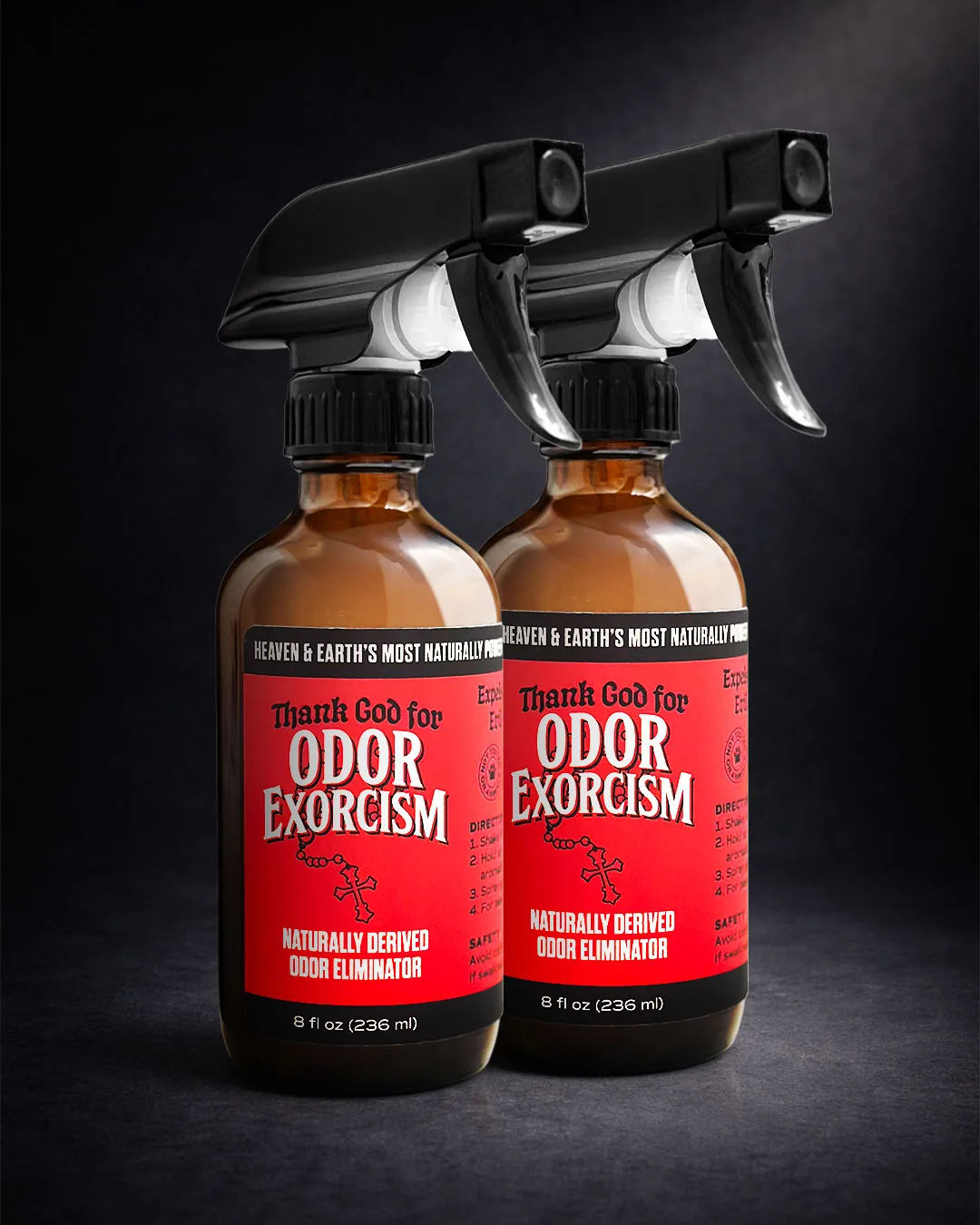
Aerosol propellants also get scrutiny, not because they are the source of every household evil, but because many shoppers simply do not want pressurized fragrance clouds in their home. Trigger sprays give more control and often feel more aligned with targeted odor removal instead of full-room fumigation.
And then there is the vague language problem. Terms like “odor neutralizer,” “fresh scent,” or “eliminates tough odors” sound impressive until you look for the ingredient doing the heavy lifting. Sometimes it is there. Sometimes the label is mostly cologne in a trench coat.
How to read an air freshener label without rolling your eyes
Start by asking what the product is really for. If it is mainly for scenting a room, the formula will likely center on fragrance and delivery. If it is for odor elimination on fabrics and surfaces, look for ingredients that suggest actual neutralizing or cleaning action.
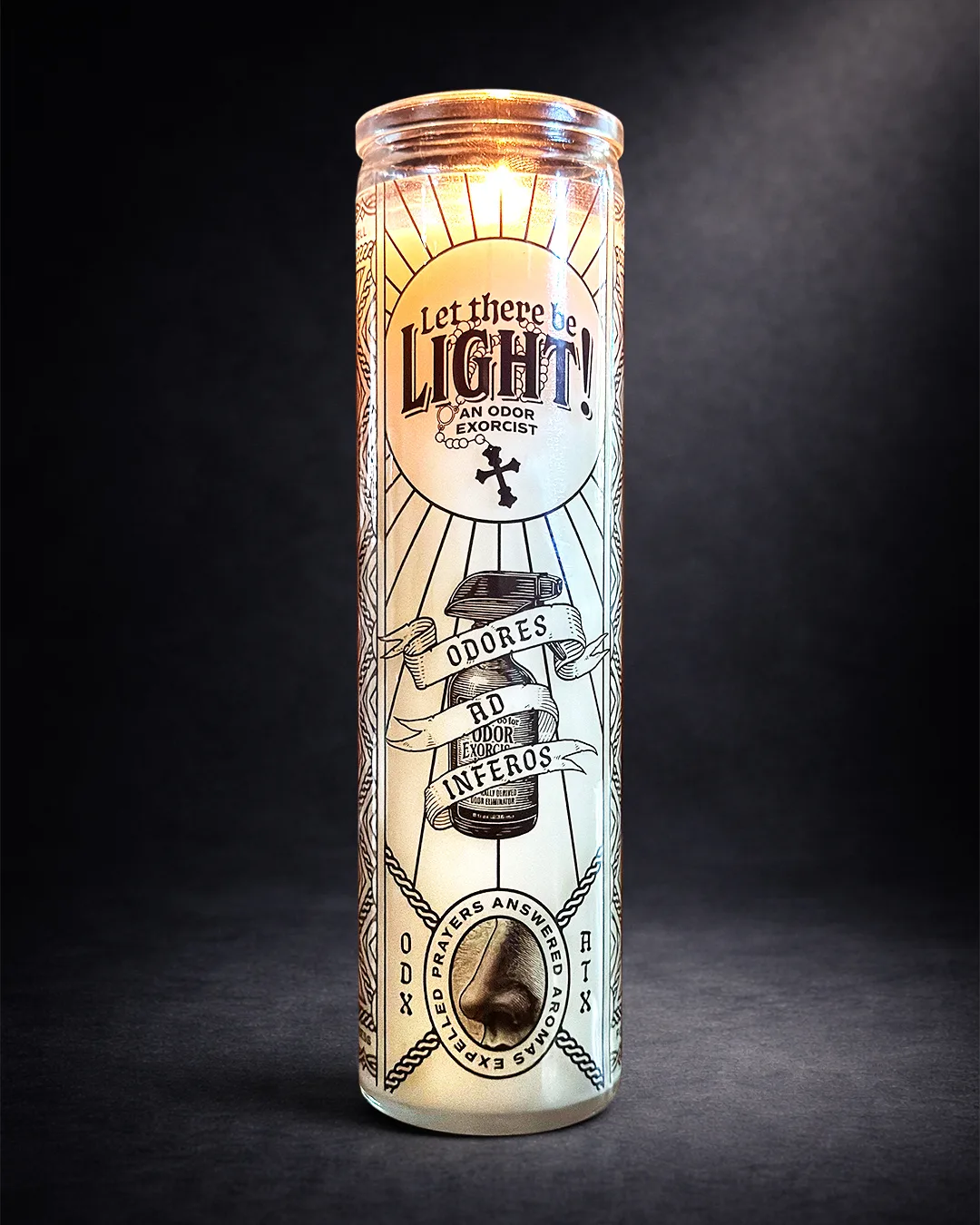
Next, check the format. Aerosol, pump spray, gel, plug-in, and candle products all rely on different ingredient systems. A plug-in is built for steady scent diffusion. A fabric spray needs ingredients that behave well on textiles. A candle is mostly about scent throw and atmosphere, not deep odor removal. Different tools, different demons.
Then look at transparency. Brands that are proud of their ingredients usually make that obvious. They talk about essential oils, naturally derived components, and what the formula leaves out. Brands that hide behind vague fragrance language and generic promises are telling you something too.
Finally, think about your actual use case. If you are spraying a guest bathroom once before company arrives, your priorities may be different than if you are treating pet blankets, dorm laundry, or a couch that absorbed three takeout orders and one existential crisis. The best ingredient list is the one that fits the job.
So what should you actually choose?
If you want your home to smell like a department store perfume counter, you already know your path. If you want something that handles odors without coating your space in synthetic drama, read labels with a little suspicion and a little common sense.
Look for formulas that explain what they use and why. Look for naturally derived ingredients if that matters to you. Look for essential oils if you prefer plant-based scent. Look for targeted odor neutralization if you are tired of the usual cover-up routine. And be honest about trade-offs. A lighter, cleaner formula may not punch you in the face with fragrance for 48 hours straight. That is not weakness. That is restraint.
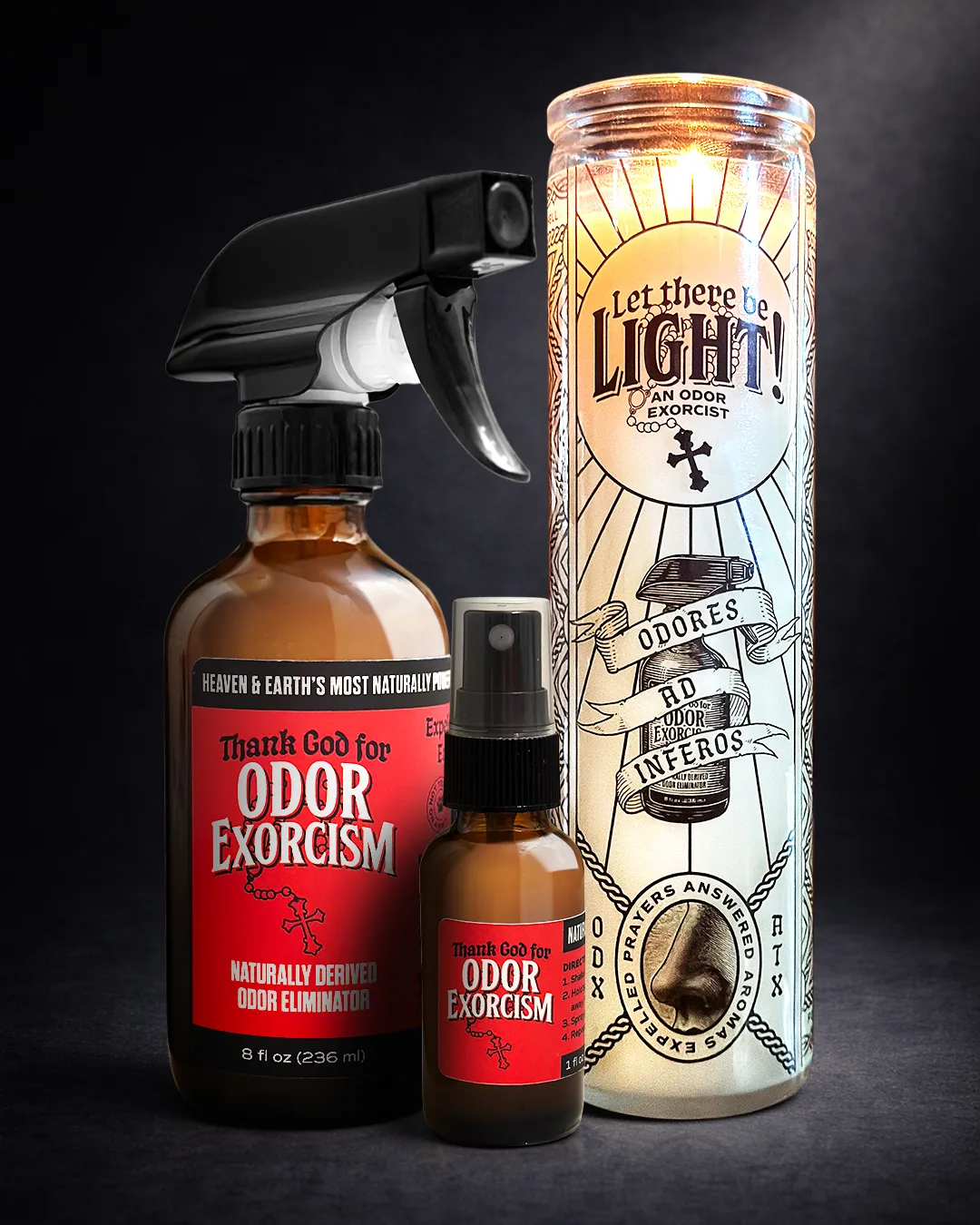
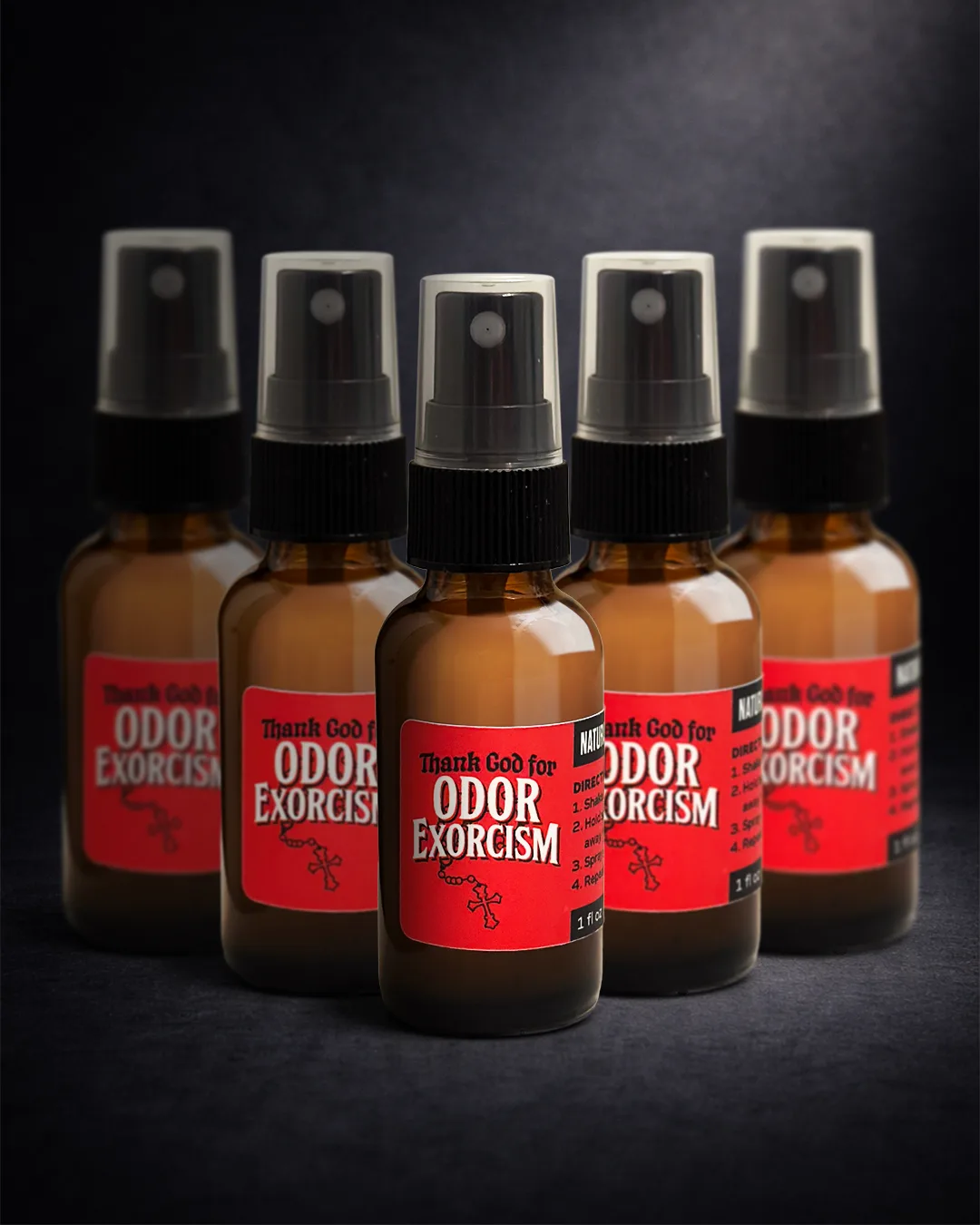
At Odor Exorcism, that is the whole point – less haunted perfume cloud, more actual odor banishment.
Your nose does not need more theatrics from the bottle. It needs fewer mystery ingredients, fewer synthetic smoke screens, and a formula that treats bad smells like the unwelcome demons they are.