Plugin air freshener vs room spray: which works?
Evangelize


July 13, 2026
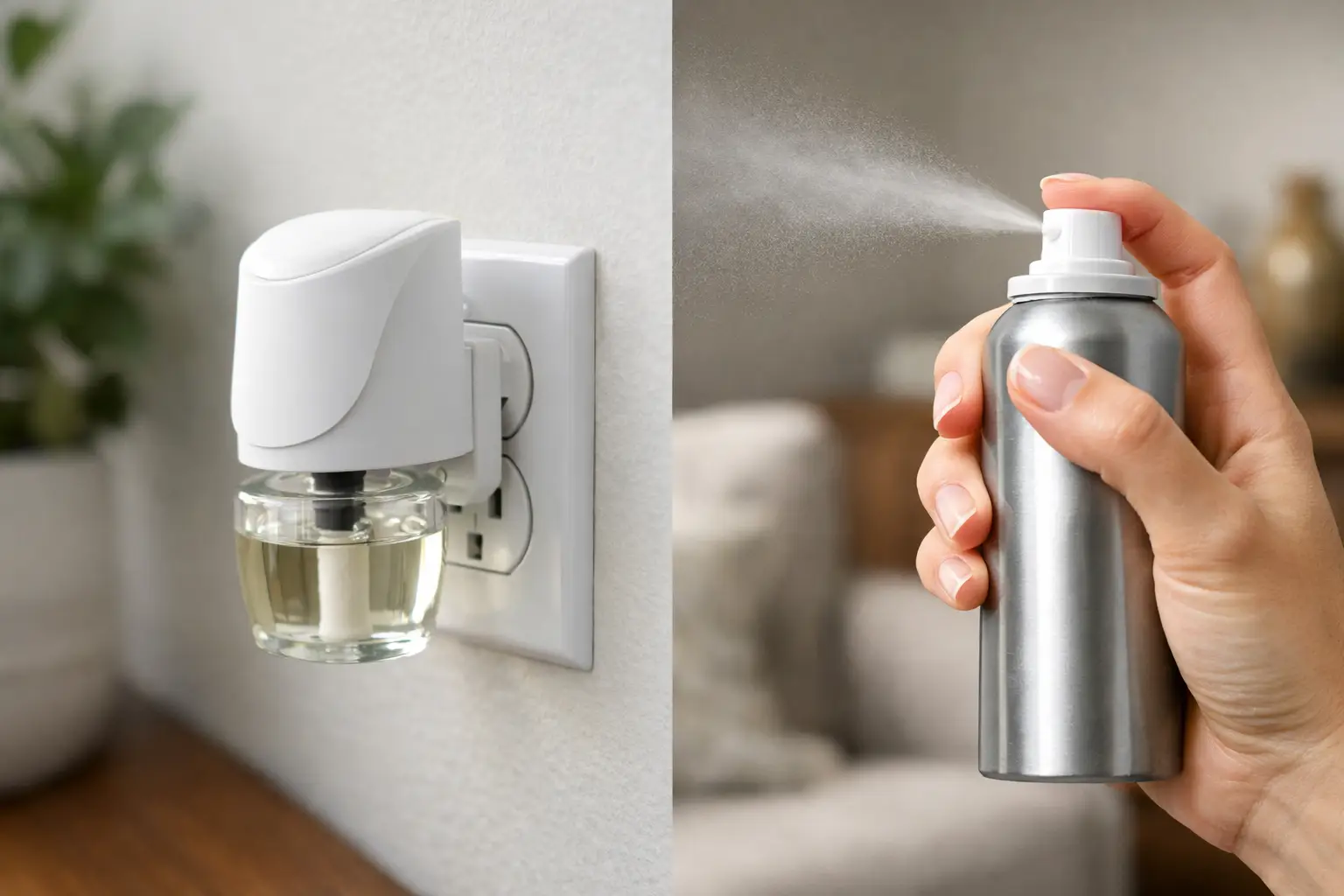
That outlet plug-in humming beside the couch may make the room smell like “Midnight Linen,” but what is it doing about the wet-dog ghost living in the rug? In the great plugin air freshener vs room spray showdown, the right choice depends on whether you want steady fragrance, targeted odor control, or a full-blown exorcism of the source.
Neither format is automatically evil. But they do very different jobs, and confusing them is how people end up pumping tropical perfume into a room that still smells like yesterday’s gym bag.
Plugin Air Freshener vs Room Spray: The Real Difference
A plugin air freshener is built for slow, continuous fragrance. It warms or diffuses a scented oil through an electrical outlet, releasing aroma over days or weeks. Its appeal is obvious: plug it in, pick a setting, and let it haunt the room with a consistent scent while you do literally anything else.
A room spray is built for immediacy. One or several sprays can freshen the air right now, whether guests are five minutes away or your teenager has just removed their sneakers in a space with no ventilation and no mercy. Depending on the formula, a room spray may simply add fragrance or may help neutralize odors on contact.
That last distinction matters. Fragrance masking and odor elimination are not the same supernatural power.
A masking product covers a bad smell with a stronger or more pleasant one. Sometimes that is all you need. A faint cooking smell after dinner? Fine. A bathroom that needs a brief scent reset before company arrives? Also fine.
But when odors are embedded in fabric, carpet, upholstery, shoes, pet bedding, or the mysterious blanket on the back of the couch, adding more fragrance can create a cursed fragrance cocktail. The underlying funk remains, wearing a floral disguise.
What Plugin Air Fresheners Do Well
Plugin air fresheners are useful when your main goal is maintaining a consistent scent profile in a small or medium-size area. Entryways, bathrooms, guest rooms, and hallways are their natural habitat. They are low-effort, unobtrusive, and always on duty without requiring anyone to remember a spray bottle.
They can also make sense for people who enjoy fragrance as part of their home atmosphere. If you want your living room to smell warm, woodsy, citrusy, or seasonal every day, a plug-in offers dependable background scent without daily effort.
The trade-off is control. You can adjust some devices, but you cannot easily direct the fragrance at a specific problem area. The plug-in scents the room, not the dog bed. It perfumes the hallway, not the sweatshirt that absorbed a campfire, garlic dinner, and whatever happened at that concert.
There is also the refill cycle. Continuous fragrance means continuous purchasing. A plug-in can be economical if you use it only where it earns its keep, but running several units throughout a home can quietly turn into another recurring household expense.
The Ingredient Question
Many conventional plug-ins rely on synthetic fragrance blends. That does not mean every plug-in is identical, but it does mean label-reading is worth your time, especially if you are ingredient-conscious, sensitive to strong scents, or sharing your space with children, pets, or people who dislike heavily fragranced air.
Fragrance intensity is not the same as clean air. A scent can be powerful enough to announce itself from the driveway and still do nothing meaningful about the odor source.
Use plug-ins with common sense: follow product instructions, keep them clear of curtains and bedding, do not overload outlets, and avoid assuming that more fragrance equals better results. Your nose deserves peace, not an ambush.
When Room Spray Is the Better Weapon
A room spray wins when odor appears suddenly, when it lives on a surface, or when you need precision. Unlike a plug-in, you can use it in the exact place where the smell has taken up residence: the sofa after movie night, the laundry basket, the bathroom, the car, the closet, the trash area, or the shoes that should probably be tried at The Hague.
The best room sprays are not limited to the air. A versatile odor eliminator can be used on appropriate soft and hard surfaces, giving you a way to address the places where odors cling rather than merely scenting the space around them.
That is the central advantage of an odor-neutralizing spray. It gives you a response, not just ambiance. You spot the offender, spray according to the label, and move on with your day without lighting thirteen candles and opening every window in February.
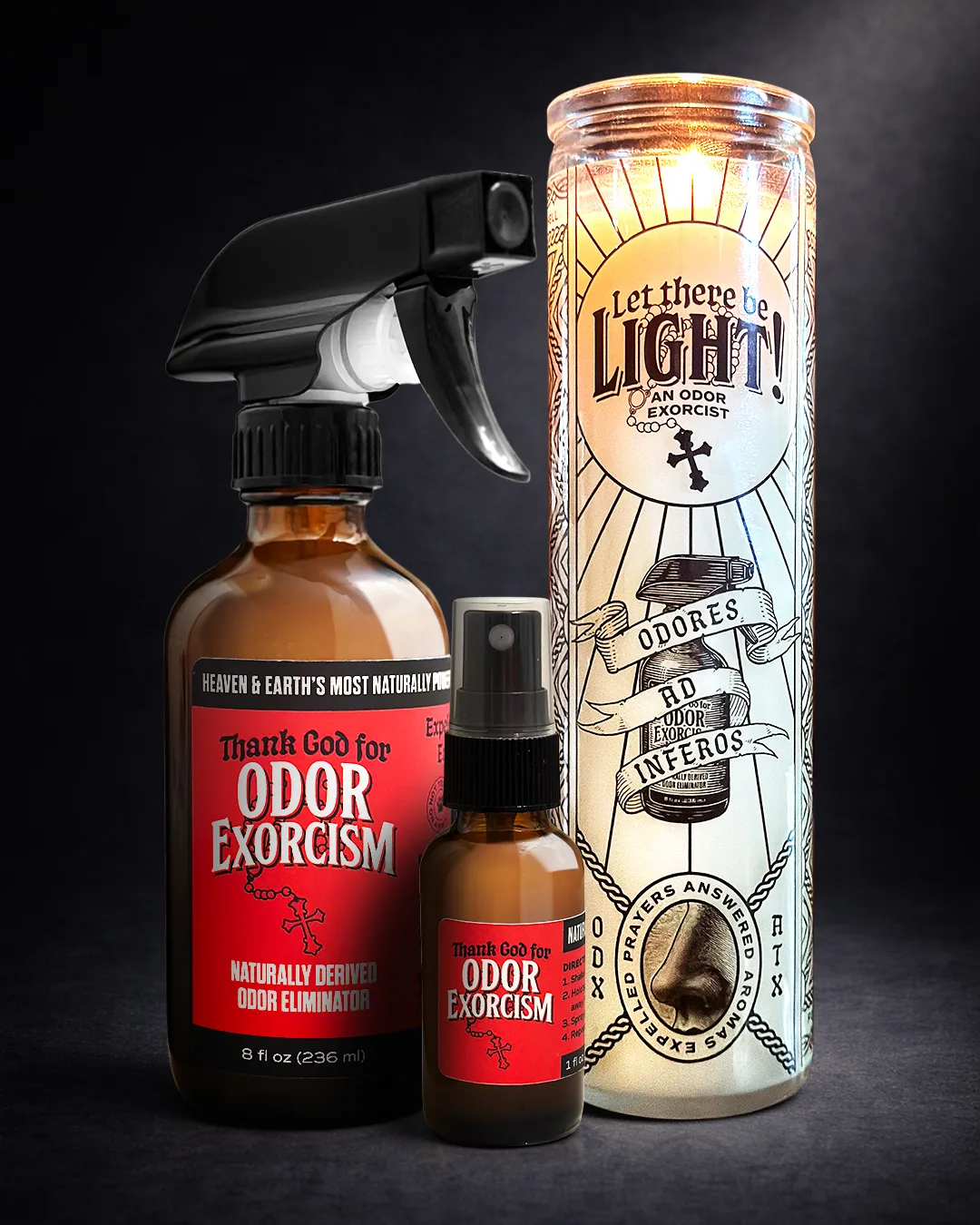
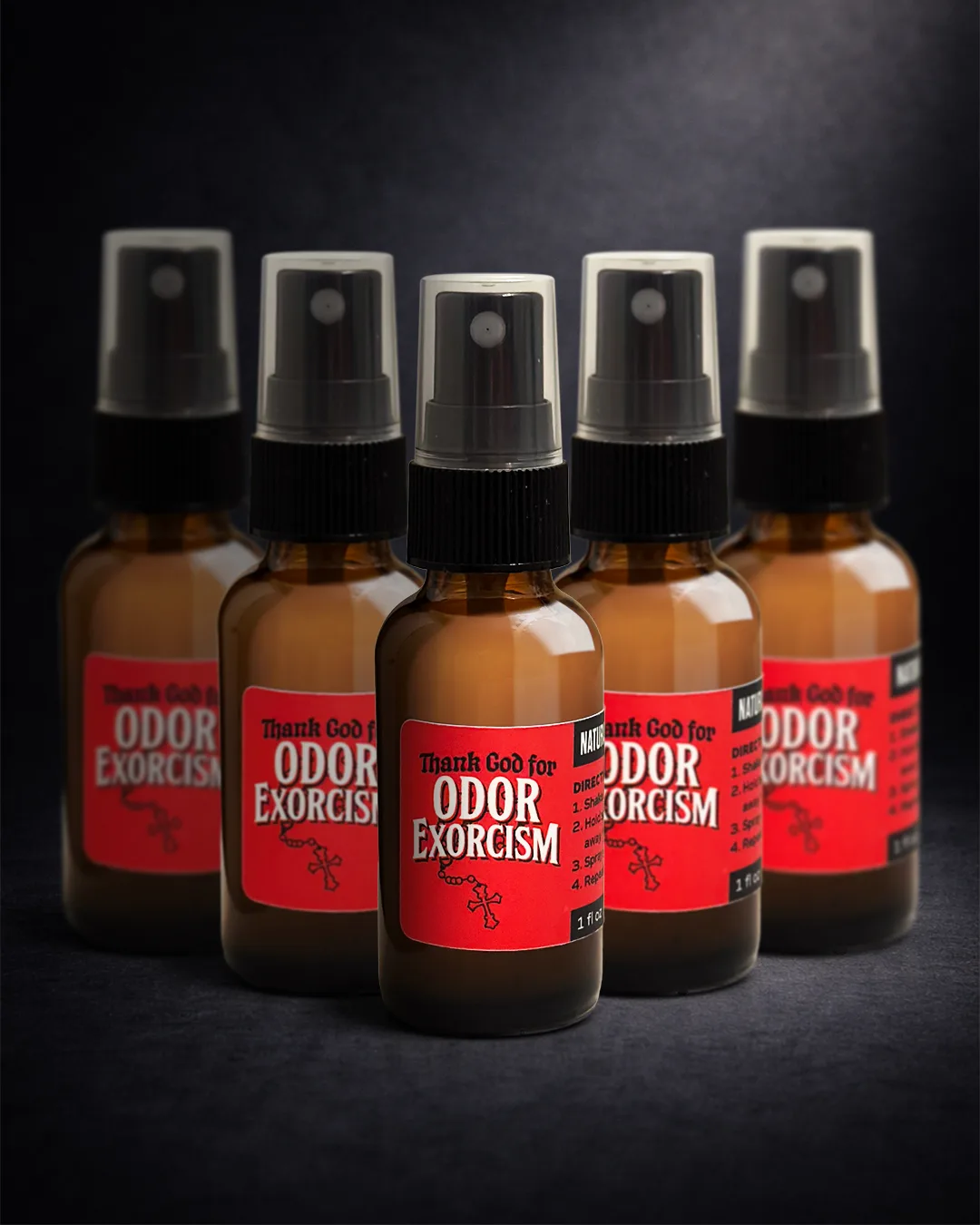
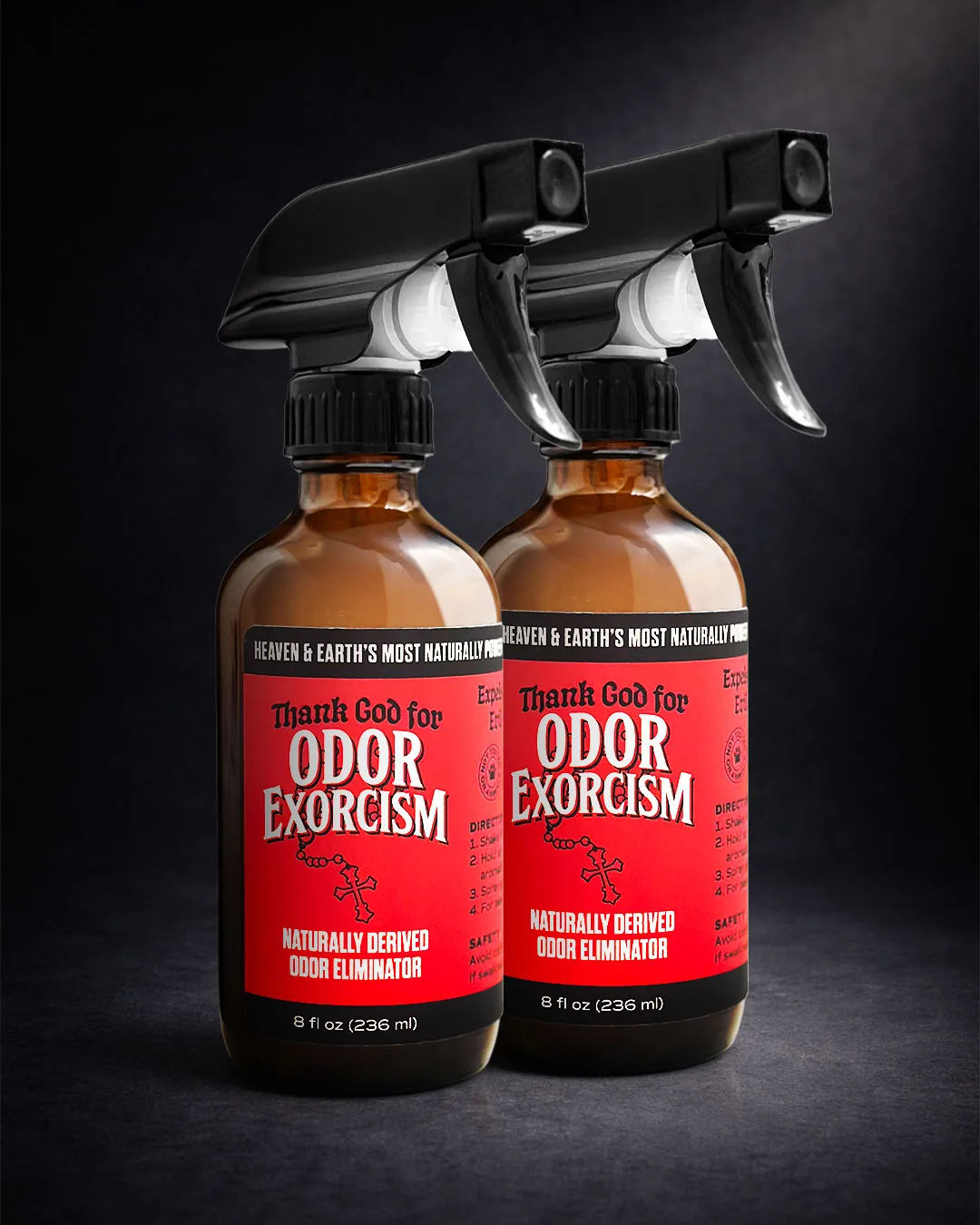
Odor Exorcism is designed around that practical mission: naturally derived, essential-oil-based odor elimination for the everyday smells that settle into real homes. Think bedding, upholstery, carpets, clothing, shoes, wood, and plastic – the earthly objects most likely to collect a little household darkness.
Room Spray Is Not Always Set-It-and-Forget-It
Room sprays do ask more of you. You have to notice the odor, reach for the bottle, and apply it. If you want a constant signature scent in a guest bathroom, a plug-in may be more convenient.
Sprays also vary wildly. Some are essentially perfume in a bottle. Others are designed to neutralize odors. Read the label, check recommended surfaces, and test a small hidden area before spraying fabrics, finished wood, or delicate materials. Natural ingredients are not a free pass to skip directions, and essential oils can still be too intense for some people, pets, or environments.
For homes with cats, birds, babies, allergies, or scent-sensitive residents, restraint is holy. Use any fragranced product thoughtfully, ventilate when appropriate, and prioritize removing the actual odor source whenever possible.
The Best Choice Depends on the Smell
If your home is generally clean and you simply like a steady scent in one zone, a plugin air freshener may be perfectly reasonable. It is the background music of home fragrance: consistent, easy, and not particularly dramatic.
If you are dealing with odors tied to everyday life – pets, cooking, damp towels, workout gear, trash, shoes, stale upholstery, or bedding – a targeted room spray is usually the more useful tool. It puts you in control of where, when, and how much product you use.
For persistent odors, neither product should replace basic cleanup. Empty the trash. Wash the pet bedding. Dry damp towels. Clean spills. Air out musty rooms. A room spray can help finish the job, but no fragrance product can permanently defeat a problem that is still actively brewing in the hamper.
Can You Use Both?
Absolutely. This is not a blood feud between a wall plug and a spray bottle.
A plug-in can provide light ambient fragrance in a room you keep clean and want to feel welcoming. A room spray can handle the targeted messes that show up between cleanings. The key is not layering strong scents until your home smells like a candle store lost a fight with a fruit punch factory.
Keep the plug-in setting modest. Reserve the spray for actual odor events and surfaces where smells settle. If you find yourself spraying constantly in the same place, investigate the source instead of declaring war on the air.
A Smarter Way to Choose
Ask one plain question: do you want to scent a room, or do you want to deal with a smell?
Choose a plug-in when convenience and continuous fragrance are the priority. Choose a room spray when you need speed, precision, and the ability to address odors where they live. Choose an odor-neutralizing formula when you are tired of pretending a synthetic lavender cloud has defeated the demon in the couch.
Your home does not need to smell aggressively like anything. It just needs to smell clean, comfortable, and like the people who live there have banished the funk before it became a legend.