Pet Safe Scents: What Belongs in Your Home
Evangelize


August 21, 2026
Your dog has claimed the couch, your cat is conducting a suspicious inspection of the laundry pile, and the room smells like yesterday’s wet towel fought a losing battle with kibble. Naturally, you want it gone. But pet safe scents are not simply any fragrance with a leaf on the label and a calming beige bottle.
For homes with animals, fragrance deserves more skepticism than the average plug-in aisle inspires. Pets live closer to the floor, groom themselves constantly, and have noses capable of detecting a snack wrapper from three rooms away. What smells faintly pleasant to you can be overwhelming, irritating, or unsafe for them. The goal is not to live in a scentless monastery. It is to evict bad odors without inviting a different kind of household demon.
Pet Safe Scents Start With Odor Removal
The cleanest-smelling home is not necessarily the most fragranced one. That distinction matters.
Traditional air fresheners often cover an odor with a stronger perfume. It is the olfactory equivalent of putting a fancy hat on a garbage can. You may notice lavender, linen, or tropical thunderstorm for a while, but the source of the smell is still lurking in the upholstery like a minor demon with a lease.
A better approach begins with cleaning and neutralizing the odor itself. Wash pet bedding regularly, address accidents quickly, vacuum dander and hair, and clean the hard-to-reach places where smells settle: crate trays, litter box surroundings, rugs, couch cushions, and the tragic interior of a teenager’s sneaker.
Once the underlying odor is handled, use fragrance lightly and deliberately. A home should smell clean, not like a candle store held a séance in it.
Why Pets Need a Different Fragrance Rulebook
Dogs, cats, birds, and small animals do not experience household scents the way people do. Their size, respiratory systems, habits, and sensitivity vary wildly.
Cats are especially worth treating with caution. They are meticulous groomers, so oils or fragrance residue on fur, floors, blankets, or surfaces can become an ingestion issue. Their bodies also process certain compounds differently than ours. Dogs can be sensitive too, particularly puppies, seniors, brachycephalic breeds with short noses, and pets with allergies or respiratory conditions.
Birds are the high-alert members of the household. Their respiratory systems are exceptionally sensitive to airborne pollutants, fumes, aerosols, and concentrated fragrance. If you share your home with a bird, err on the side of minimal fragrance, excellent ventilation, and direct guidance from an avian veterinarian. The same cautious mindset applies to rabbits, guinea pigs, ferrets, and other small pets.
This does not mean every scented product is automatically cursed. It means the phrase “pet safe” should never be accepted as a magic spell. Ingredients, concentration, application method, ventilation, species, and individual health all matter.
What to Look for in Pet Safe Scents
Start by reading the label like your pet’s comfort depends on it. Because it does.
Seek products that clearly explain what they are made with and how they should be used. Vague claims such as “fresh,” “clean,” or “natural-inspired” do not tell you much. A brand should offer meaningful ingredient transparency, straightforward directions, and cautions that do not require a magnifying glass or a chemistry degree to decode.
Naturally derived ingredients can be a better fit than synthetic fragrance-heavy formulas, but natural does not automatically equal safe. Essential oils, for example, are highly concentrated plant compounds. Some can create problems for pets when diffused heavily, applied directly, ingested, or left on surfaces they lick or sleep on. “It came from a plant” is not a free pass. Poison ivy is also from a plant. Nature has range.
For everyday home use, favor products that are intended for household surfaces rather than pet bodies, and use them according to the directions. Let treated fabrics or surfaces dry fully before allowing pets back onto them. Keep bottles out of reach, avoid spraying near food and water bowls, and do not use scent products inside crates, carriers, aquariums, or enclosed pet spaces.
Ventilation is not glamorous, but it is saintly. Open a window, run an exhaust fan, and give the room a few minutes to clear after using any scented product. If a scent is loud enough to announce itself from the hallway, it is probably too much for a creature whose nose is already working overtime.
Fragrance Formats Have Different Risks
A brief, targeted spray on a washable throw blanket is not the same thing as an always-on plug-in pumping fragrance into a tiny apartment all day. Candles, wax melts, diffusers, room sprays, and aerosol products all behave differently.
Open flames bring their own trouble, from burned whiskers to knocked-over candles. Diffusers can disperse concentrated oils into the air for hours, and spilled oils can end up on paws or fur. Aerosols create fine airborne particles that can be especially irritating around sensitive lungs. A surface spray used sparingly in a ventilated room may be easier to control, but it still needs to be used responsibly.
In other words, pet-safe living is less about finding one blessed format and more about choosing the lowest-drama option for your household.
A Smarter Way to Make a Pet Home Smell Good
Your first line of defense is boring, effective housekeeping. That is not an insult. Boring is beautiful when it prevents your home from smelling like a haunted kennel.
Wash pet blankets, beds, and washable toys on a routine that matches your animal’s talent for producing funk. Vacuum upholstery and rugs, including under furniture where fur forms little dust-bunny covens. Clean litter boxes frequently, scoop daily, and replace soiled bedding before odor embeds itself in fabric or flooring.
For accidents, act fast. Blot the area, clean it with a product suited to the surface and the type of mess, and make sure the odor is actually gone before adding fragrance. If a pet can still smell an old accident, they may treat that spot as an invitation to repeat the crime.
Then add scent only where it makes sense. A lightly treated entry rug, a fully dried throw, or a freshly cleaned shoe area can benefit from controlled odor elimination. The pet’s bed, toys, food area, and favorite licking surfaces are not where you conduct fragrance experiments.
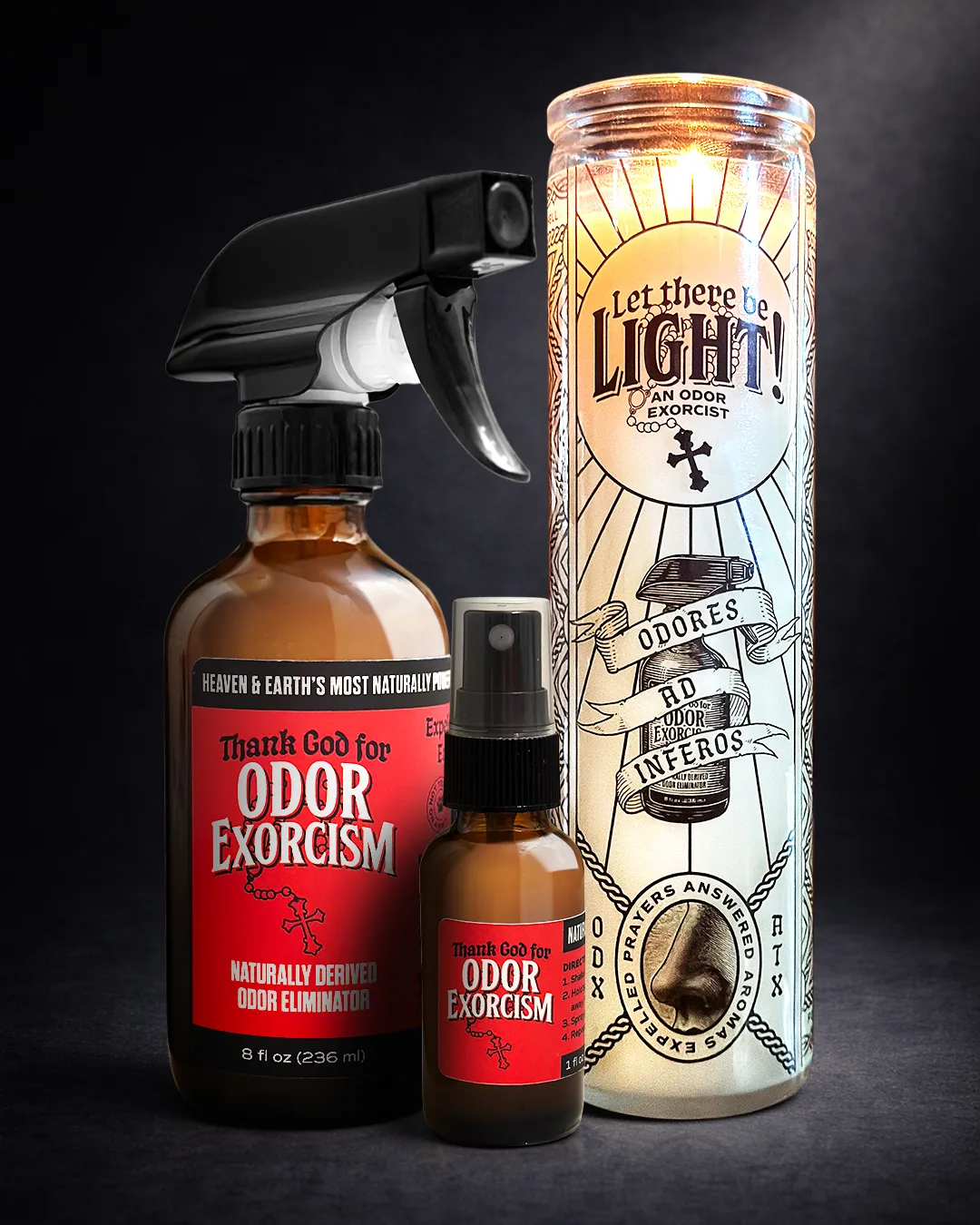
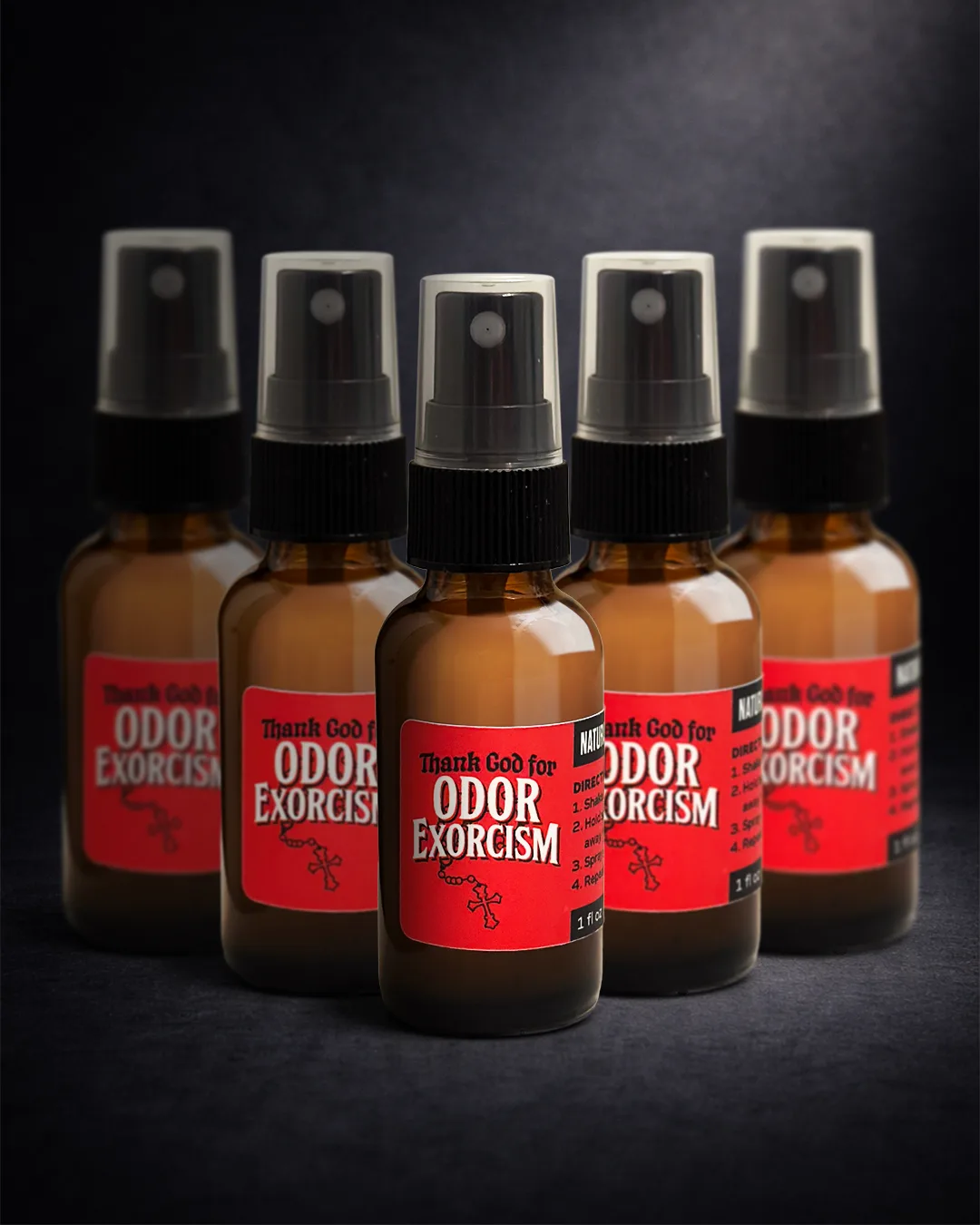
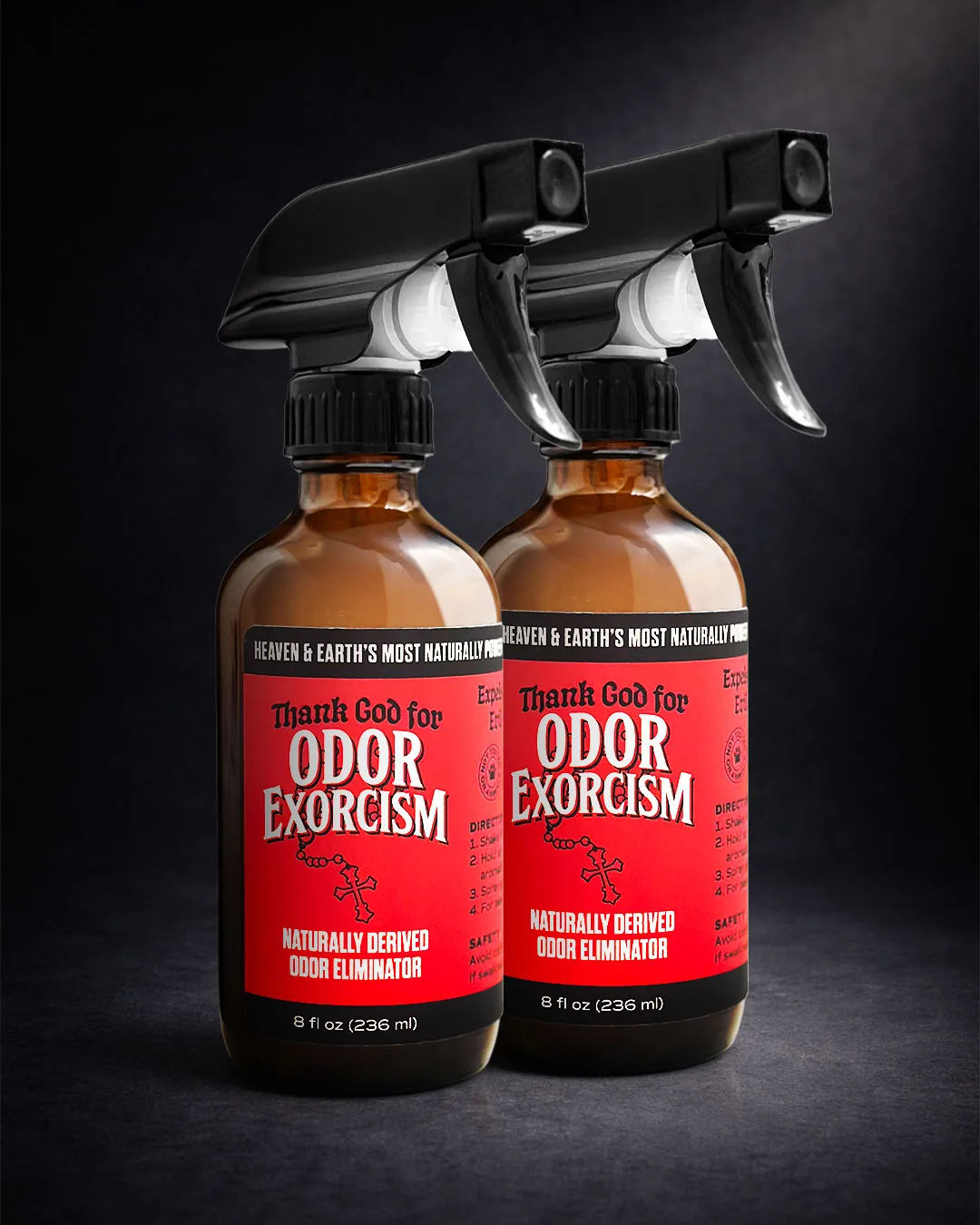
Odor Exorcism is built around the more sensible idea: deal with the bad smell rather than trying to perfume it into submission. Still, every household is different. Follow the product label, keep pets out of the immediate application area, and let surfaces dry before inviting the furry congregation back in.
Signs a Scent Is Not Working for Your Pet
Pets cannot leave a one-star review, but they can make their opinion painfully clear. Sneezing, coughing, watery eyes, drooling, vomiting, unusual lethargy, skin irritation, agitation, or avoiding a recently scented room are all reasons to stop using the product and get fresh air moving through the space.
If you suspect your pet has licked, swallowed, or had direct skin contact with a fragrance product or essential oil, contact your veterinarian or an animal poison resource promptly. Bring the product packaging or ingredient list with you if possible. Do not wait around hoping the spirit of peppermint handles the situation.
Pay attention to subtler signals, too. A pet that consistently leaves when the diffuser starts or refuses to settle on a treated blanket is communicating. You do not need to prove a product is dangerous before deciding it is not worth making your animal uncomfortable.
Common Questions About Pet Safe Scents
Are essential oils safe around pets?
It depends on the oil, the amount, the way it is used, the pet, and the environment. Concentrated oils should never be applied directly to pets unless a qualified veterinarian specifically instructs you to do so. Diffusion and topical use carry more risk than many people realize, especially for cats, birds, and pets with respiratory issues. When in doubt, choose less fragrance, more ventilation, and veterinary advice tailored to your animal.
Can I use a scented candle if I have a dog or cat?
Possibly, but use caution. Keep flames inaccessible, burn candles for short periods in a ventilated room, and never force a pet to remain nearby. If your pet has asthma, breathing concerns, or reacts to scented products, skip the candle. A flame-free, lightly used odor-neutralizing option may be the less chaotic choice.
Is fragrance-free always the best option?
For pets with sensitivities, respiratory conditions, or uncertain reactions, fragrance-free can be a smart default. But a lightly scented, thoughtfully formulated product used properly may work well in many homes. The standard is not perfection. It is reducing unnecessary exposure while keeping your home comfortable for every species paying rent, emotionally or otherwise.
A fresh home should let you notice the good things: clean sheets, dinner in the oven, the warm sleepy smell of a dog who has finally stopped rolling in something unspeakable. Keep the fragrance restrained, remove odors at their source, and let your pets breathe easy. That is the kind of clean no exorcism can improve.