Air freshener natural alternative that works
Evangelize


May 8, 2026
Your couch has seen things. The dog claimed one corner, last night’s takeout still haunts the throw pillow, and your gym bag is one bad decision away from becoming a biohazard. If you’re shopping for an air freshener natural alternative, you’re probably not looking to fog the room with fake lavender and call it a miracle. You want the smell gone, not dressed up in a synthetic disguise. You want a true odor eliminator, not a fragrance spray.
That’s the real split in this category. Most conventional air fresheners are perfume with a PR team. They cover odors for a while, then leave you with a strange combo platter of “mountain breeze” and whatever evil was already living in the room. A natural alternative should do better than that. It should make your space smell cleaner because it is cleaner, not because a chemical choir started singing over the problem.
What people actually want from an air freshener natural alternative
Most people are not on a spiritual quest for a prettier scent cloud. They want a product that handles real-life odor crimes without making the house smell like a mall bathroom. That usually means three things: better ingredients, less synthetic fragrance, and actual odor control.
This is where the term “natural” gets slippery. Some products use naturally derived ingredients and essential oils. Others slap a leaf on the label and still lean hard on mystery fragrance blends. If you care about what you breathe, it’s worth reading past the front of the bottle. The label drama is often on the back.
A good natural option also needs to fit normal life. It has to work in homes with pets, kids, roommates, shoes, laundry piles, upholstered furniture, and that one closet that smells like old regret. If it only performs in an untouched minimalist apartment with two chairs and a fiddle leaf fig, it is not a household product. It is performance art.
Why traditional air fresheners fall short
The biggest problem with old-school air fresheners is that many are built to mask, not eliminate. That sounds fine until you spray “fresh linen” over cat litter, burnt popcorn, or mildew and create an odor chimera no one asked for.
Synthetic fragrance-heavy formulas can also be too much for people who are ingredient-conscious or sensitive to overpowering scents. For some households, the issue is not just preference. It’s comfort. A product that lingers like a haunted candle aisle can make a room feel less livable, not more.
Then there’s the surface problem. Air-only sprays may temporarily scent the room, but household odors often cling to fabric, carpet, bedding, shoes, and upholstery. If the smell source is living in soft surfaces, freshening the air alone is like blessing the church while ignoring the basement demon.
What actually makes a natural alternative better
The best air freshener natural alternative is usually not trying to be an “air freshener” in the old sense at all. It acts more like an odor eliminator. That distinction matters.
When a product is designed to neutralize odors instead of just covering them, the room changes differently. You do not get hit with a wall of fragrance. You notice that the bad smell is no longer staging a coup. Any scent that remains should feel lighter, cleaner, and more believable.
Naturally derived formulas often use essential oils for scent, but scent alone is not the whole game. A natural product still has to perform. If it smells lovely for five minutes and then the dog bed starts preaching sulfur again, it failed the ritual.
That’s why ingredient philosophy and effectiveness have to live in the same house. Cleaner formulas matter. Results matter too. One without the other is either marketing fluff or crunchy disappointment.
How to choose the right air freshener natural alternative
Start by asking what kind of stink you’re dealing with. Airborne odors from cooking are different from odors trapped in fabric. Bathroom funk is different from stale closet smell. Pet odor is its own dark ministry.
If the smell is sitting on surfaces, choose a product made for both soft and hard materials. That gives you a better shot at treating the source instead of perfuming the room around it. Fabrics, rugs, bedding, sneakers, car interiors, and upholstery tend to hold onto smells long after the air seems fine.
Next, check the scent profile. Essential-oil-based products can be a huge upgrade if you want something that smells cleaner and less artificial. But there’s a trade-off: natural scents are often subtler than conventional fragrance bombs. For many people, that’s the whole appeal. If you expect your house to smell like a casino lobby for 48 hours, you may need to reset your standards and possibly your relationship with indoor air.
It also helps to think about your tolerance for residue and routine. Some products are best for quick room refreshes. Others are better for direct odor treatment. If your home has recurring trouble spots, a targeted spray you can use on fabrics and surfaces is usually more useful than a passive scent product alone.
Natural doesn’t mean weak
This is where a lot of shoppers get burned. They want cleaner ingredients, but they assume they have to accept weaker performance. That idea deserves to be buried with garlic and a wooden stake.
A well-made natural odor eliminator can absolutely handle everyday household smells. The trick is choosing one that is built for neutralization, not just ambiance. There is a huge difference between “this room smells like lemon now” and “the old odor is gone, and the room happens to smell fresh.”
That said, it depends on the situation. Deep mildew, heavy smoke, or long-neglected pet accidents may need more than a spray. Sometimes you need laundering, surface cleaning, ventilation, or replacing the offending item entirely. No bottle should promise holy-water-level miracles on top of zero housekeeping. The honest answer is that great products work best when paired with basic odor source control.
Where natural alternatives make the biggest difference
Bedrooms, living rooms, and closets are obvious wins, especially if you hate sleeping in a cloud of fake fragrance. Natural alternatives also shine in homes where scent matters but subtlety matters more. Think pet households, kids’ rooms, dorms, entryways, laundry zones, and cars that have absorbed one too many drive-thru confessions.
They are especially useful on soft surfaces, because that is where so many smells go to hide. Bedding collects body odor. Upholstery traps food smell. Carpets hold onto pet funk. Shoes become tiny portals to hell. If your product can safely target the places where odor lives, you get better results with less theatrical over-spraying.
For people trying to create a cleaner-feeling home, this matters as much as the scent itself. A room that smells neutral and genuinely fresh feels calmer than one that is aggressively perfumed. It’s the difference between a clean sanctuary and a floral cover-up.
The ingredient question people should ask more often
A lot of shoppers ask, “Does it smell good?” Fair. But the better question is, “What is making it smell that way?”
If you’re specifically looking for an air freshener natural alternative, ingredient transparency should be part of the deal. You want to know whether the formula leans on naturally derived components, whether it uses essential oils, and whether it avoids the heavy synthetic fragrance approach common in mainstream air care.
That doesn’t mean every natural formula is automatically perfect for every person or every home. Essential oils have their own considerations, especially around personal sensitivities, scent preferences, and how a product is used. The point is not purity theater. The point is choosing a product that aligns with your standards and your space.
Brands that are serious about natural odor control tend to talk clearly about what the product does. They focus on neutralizing odors, supporting cleaner indoor environments, and avoiding the cheap trick of drowning your house in fake “clean” fragrance. That’s a better sign than any label covered in botanical clip art.
So what should you buy?
Look for a spray that is naturally derived, uses essential oils thoughtfully, and is made to tackle odors on contact across both air and surfaces. That gives you more flexibility and a better chance of dealing with the source. If the brand also admits that odor elimination beats odor masking every time, congratulations – you have found people who understand the assignment.
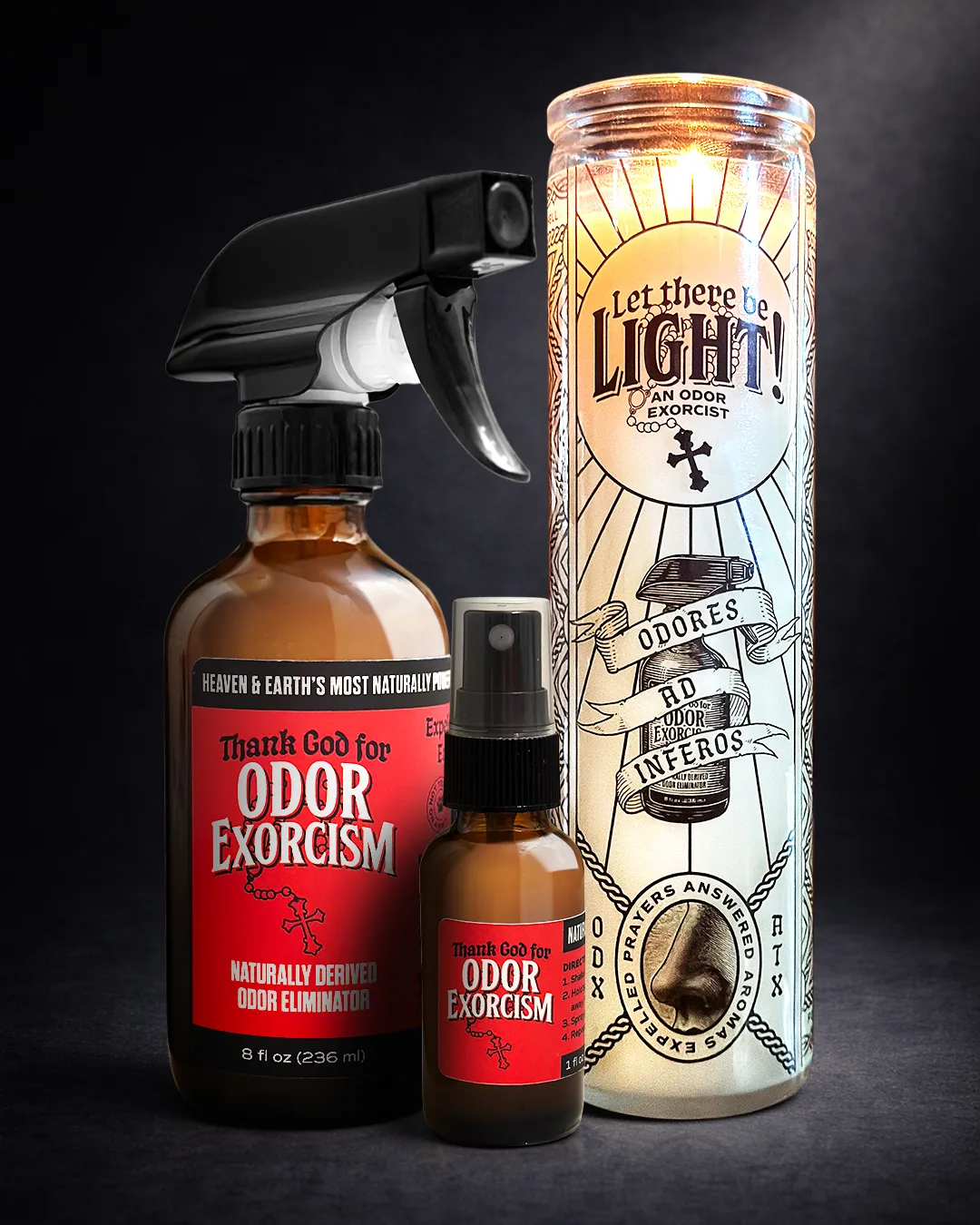
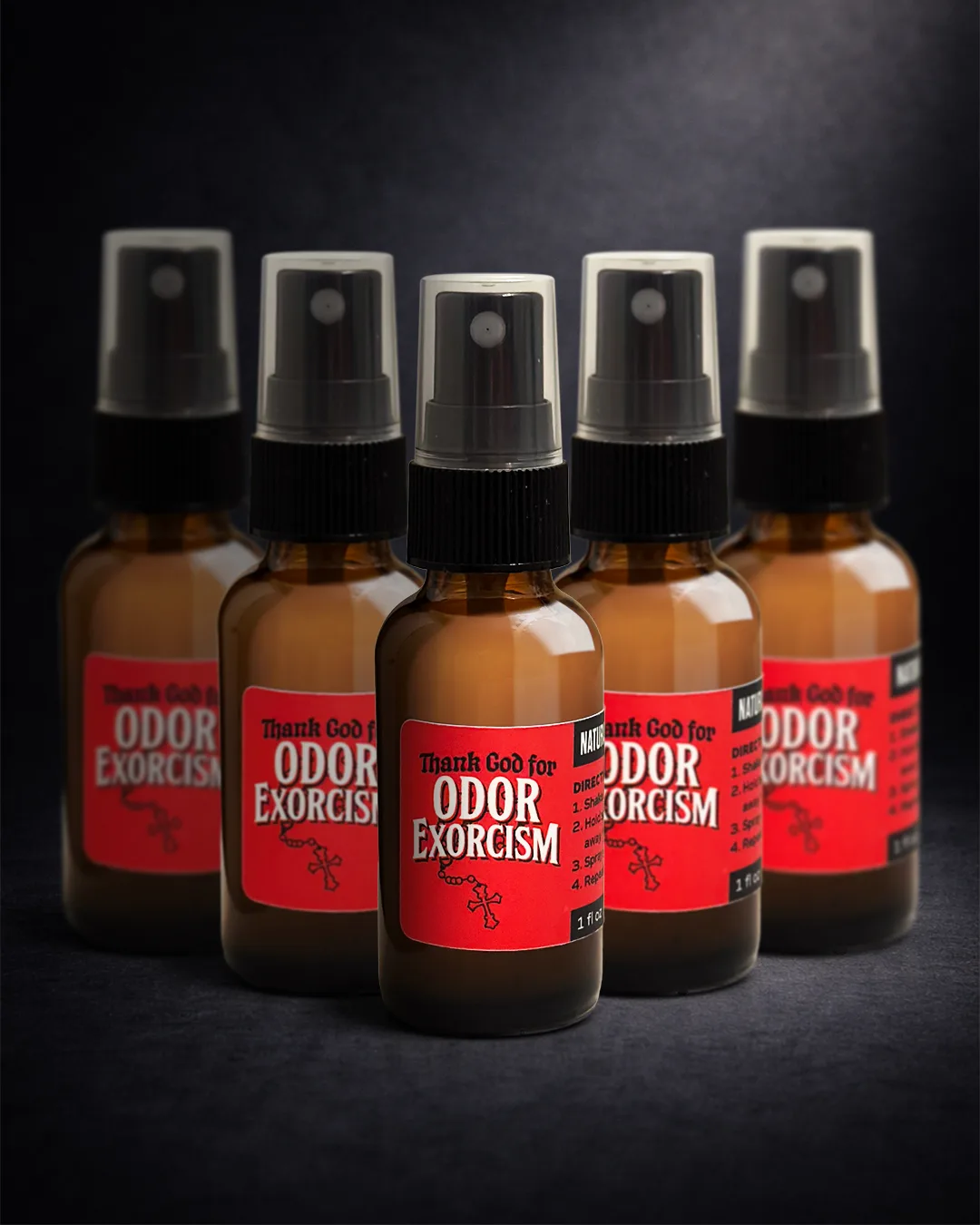
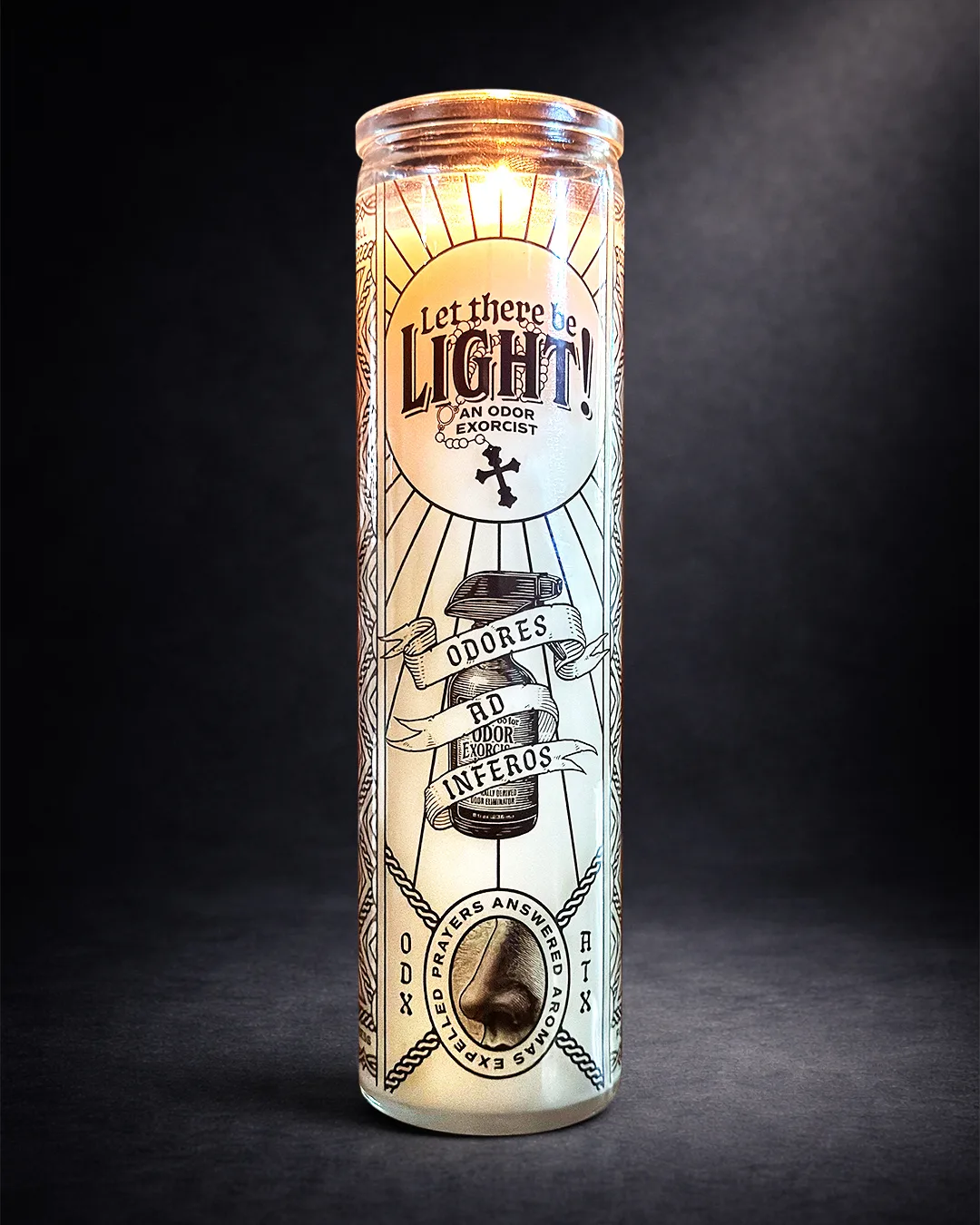
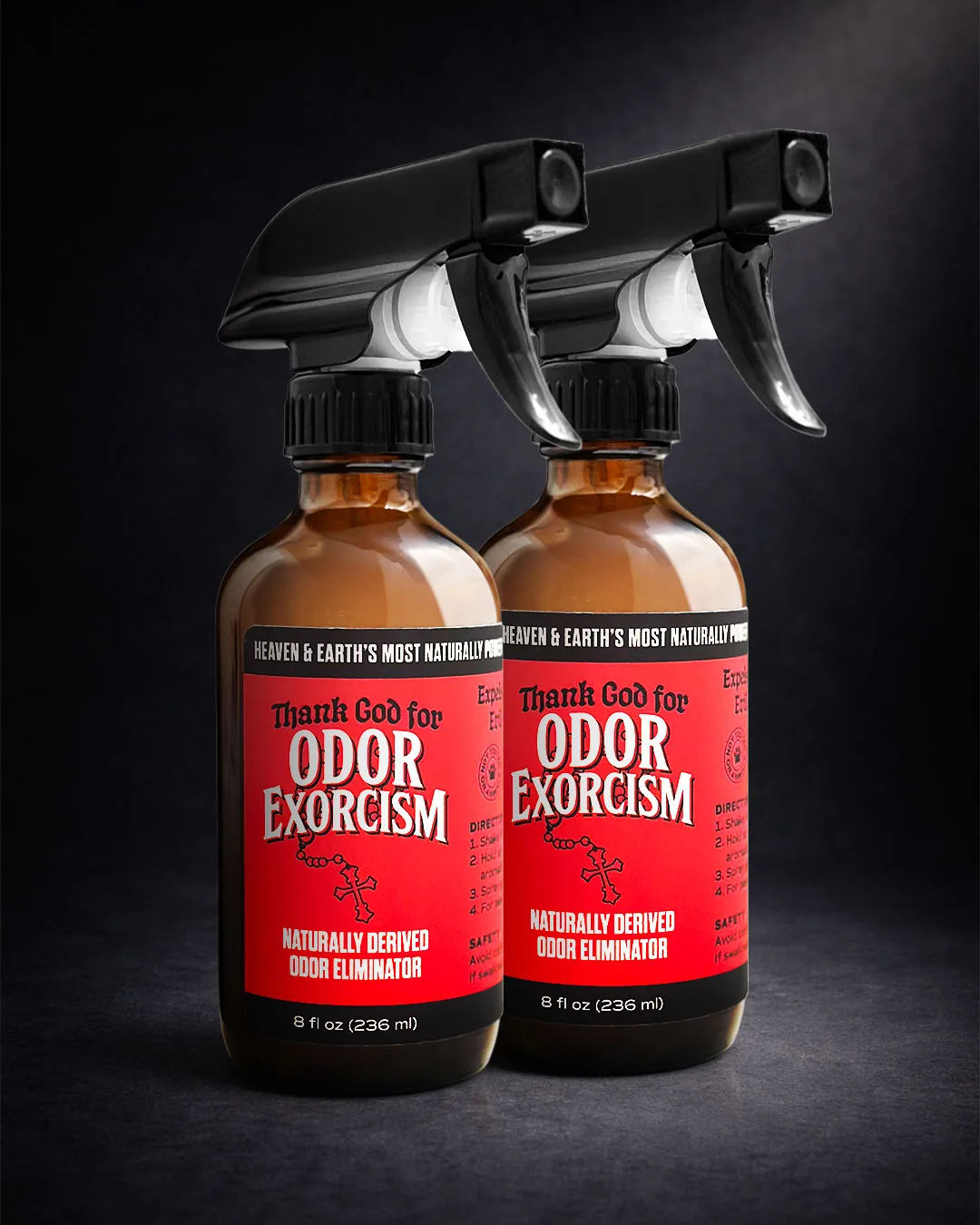
That is the lane Odor Exorcism lives in, with naturally derived odor eliminator sprays built for the everyday possession cases: couches, bedding, carpets, clothes, shoes, upholstery, wood, and all the other places nasty smells like to hide.
If your current routine is just layering one fake scent over another, there’s a better way to live. A home does not need to smell like a perfume ambush to feel fresh. Sometimes the holiest result is also the simplest one: the stink is gone, the air feels clean, and no one has to wonder what died under the couch.