Is Febreze Bad for Indoor Air?
Evangelize


June 23, 2026
That “just sprayed” smell is doing a lot of acting. If you’ve ever wondered, is Febreze bad for indoor air, the honest answer is less dramatic than a horror movie – but not exactly angelic either. For many households, it’s probably tolerable when used lightly. For others, especially people sensitive to fragrance, asthma triggers, or stale chemical perfume hanging in a closed room, it can absolutely make indoor air feel worse.
The real issue is that most people use air fresheners to solve one problem and accidentally invite another. They want the couch to stop smelling like dog, the bedroom to stop smelling musty, or the entryway to stop smelling like sneakers and regret. Instead, they get a cloud of fragrance layered over the original funk. The demon is still in the house. It’s just wearing cologne now.
Is Febreze bad for indoor air, or just annoying?
That depends on what you mean by bad. If you mean “is every spray a toxic catastrophe,” no. If you mean “can it add compounds to your indoor air that some people would rather not breathe,” yes. Those are two very different questions, and the gap between them is where most of the confusion lives.
Indoor air quality is not just about whether a product is legally allowed on a shelf. It’s about what lingers in your home after use, how your body reacts to it, and whether the product is removing odors or mostly covering them up. Febreze products vary by format, but many rely on fragrance as a major part of the experience. That matters, because fragrance-heavy products can contribute to indoor air irritation even when they smell “clean.”
For people with migraines, allergies, asthma, chemical sensitivity, or just a low tolerance for fake freshness, the aftermath can be rough. Headaches, throat irritation, coughing, watery eyes, and that weird sensation that the room smells louder instead of cleaner – those are common complaints with fragranced products in general.
What Febreze actually does in the air
Febreze has long marketed itself as more than a basic air freshener, and to be fair, some products in the category do more than simply spray perfume into a room. Certain formulas are designed to help trap or reduce odor molecules. That sounds useful, and sometimes it is.
But here’s the catch. A lot of people use these products as if they are cleaning the air itself, when what they’re often doing is changing how the air smells. Those are not the same thing. If the source of the odor is still there – pet bedding, damp upholstery, gym shoes, old spills, bacteria, mildew, or smoke residue – the smell usually comes back once the fragrance settles down.
That means your indoor air can end up with a mix of leftover odor and added scent compounds floating around together like two tiny villains forced to share a studio apartment.
Why fragrance is the part people side-eye
When consumers ask whether Febreze is bad for indoor air, they’re usually not asking about one mythical cursed ingredient. They’re reacting to synthetic fragrance blends and aerosolized chemicals that make the air feel artificial, heavy, or irritating.
Fragrance formulas can contain many components, and brands do not always spell out every last detail in plain language that makes label readers feel warm and blessed. That’s a problem for ingredient-conscious shoppers. If you’re trying to reduce unnecessary airborne irritants at home, mystery perfume cocktails are not exactly a comforting spiritual presence.
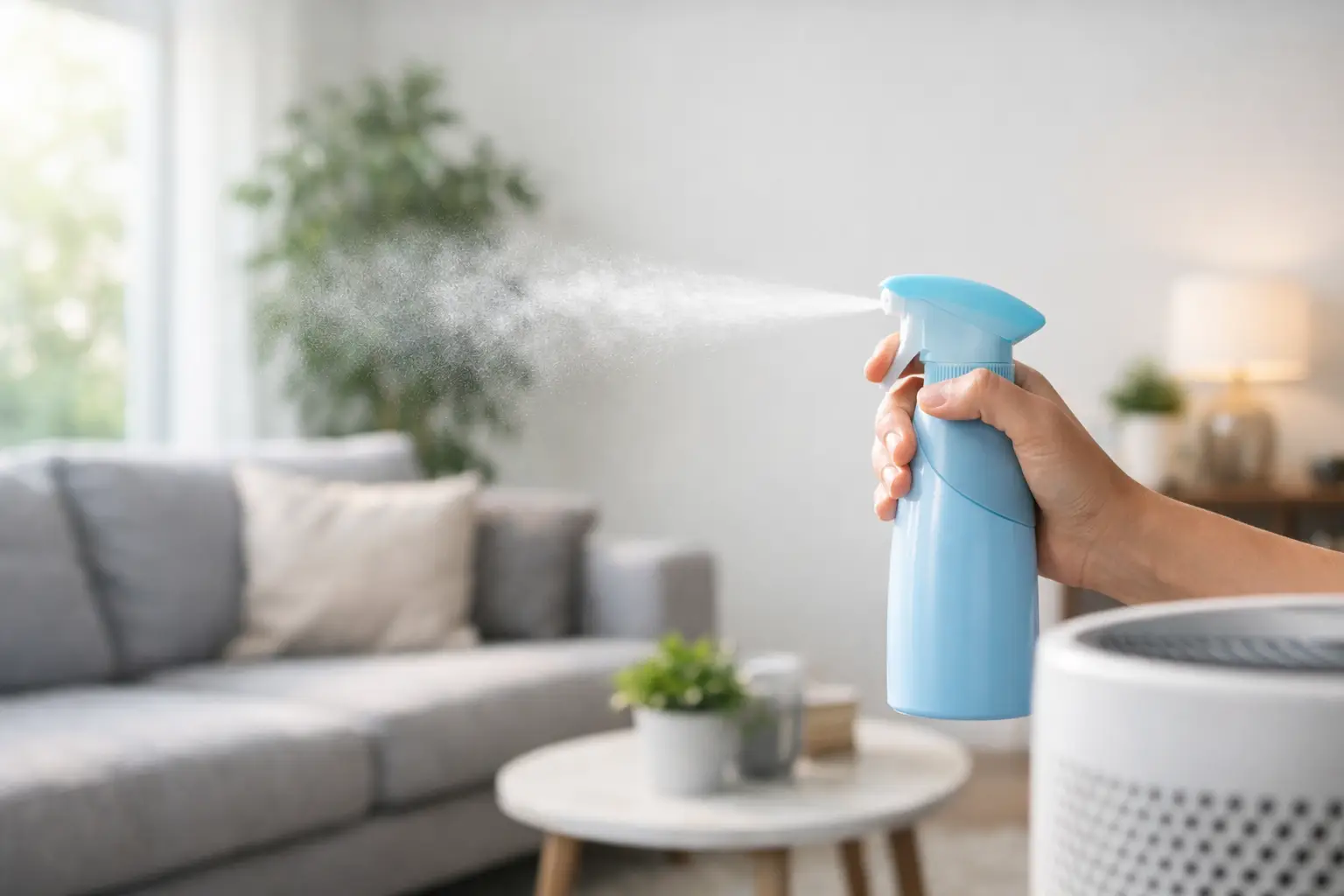
There’s also the ventilation factor. Spray a heavily fragranced product in a small bathroom, a closed bedroom, or a dorm room with stale airflow, and the effect gets amplified fast. A product that feels fine in a breezy living room may feel oppressive in tight quarters.
This is where the “it depends” answer becomes real. The product, the room size, the amount used, your personal sensitivity, and the frequency of use all matter.
When Febreze may be more of a problem
If nobody in your home has scent sensitivity and you use a light amount occasionally, you may never notice an issue beyond personal preference. But some situations make fragrance-based sprays much more likely to feel like a bad bargain.
Homes with pets are one. People often spray more because the odors are stronger and more frequent. That can lead to repeated fragrance buildup on soft surfaces and in the air. Kids’ rooms are another, especially if you’re spraying around bedding, stuffed fabrics, or closed spaces. Small apartments and dorms can also become scent traps, where the product lingers longer than anyone asked it to.
Then there’s the classic mistake: using air freshener instead of dealing with the source. If a rug smells because something soaked into it, or a couch smells musty because moisture is trapped deep in the fabric, fragrance won’t save the day. It just puts a scented curtain over the haunting.
A better question: does it improve indoor air?
This is the question that cuts through the marketing fog. Not “is it allowed?” Not “does it smell nice for ten minutes?” But does it actually improve your indoor air?
If your definition of better air is fewer synthetic fragrance compounds, less irritation, and less dependence on scent masking, then a conventional air freshener may not be your best ally. Even if it makes the room smell more pleasant at first, that doesn’t necessarily mean the air is cleaner, fresher, or healthier to breathe.
For a lot of households, the smarter move is to remove or neutralize the odor at the source. Wash the fabrics. Vent the room. Clean the surface. Treat the upholstery, shoes, pet areas, or bedding with something designed to tackle odor itself rather than baptize it in perfume.
That’s why naturally derived odor eliminators appeal to so many ingredient-aware shoppers. The goal is different. You’re not trying to stage a fragrance exorcism where one ghost fights another. You’re trying to get the bad smell out and leave the air feeling less busy.
What to use if you want cleaner-feeling indoor air
If synthetic air fresheners leave your home smelling like a department store candle had a nervous breakdown, it may be time to switch tactics. Look for products that focus on odor elimination over masking and are transparent about what’s in the bottle.
A naturally derived spray with essential-oil-based scent can still smell pleasant, but the experience is usually less aggressive than the standard chemical-fragrance blast. More important, it should support the bigger goal: reducing odor without turning your living room into a perfumed fog bank.
This is also where surface use matters. A good odor eliminator should help with the actual problem zones – bedding, upholstery, carpets, shoes, clothes, pet areas, and other soft surfaces where smells love to nest like tiny goblins. If you only scent the air and ignore the source, you’ll keep fighting the same battle.
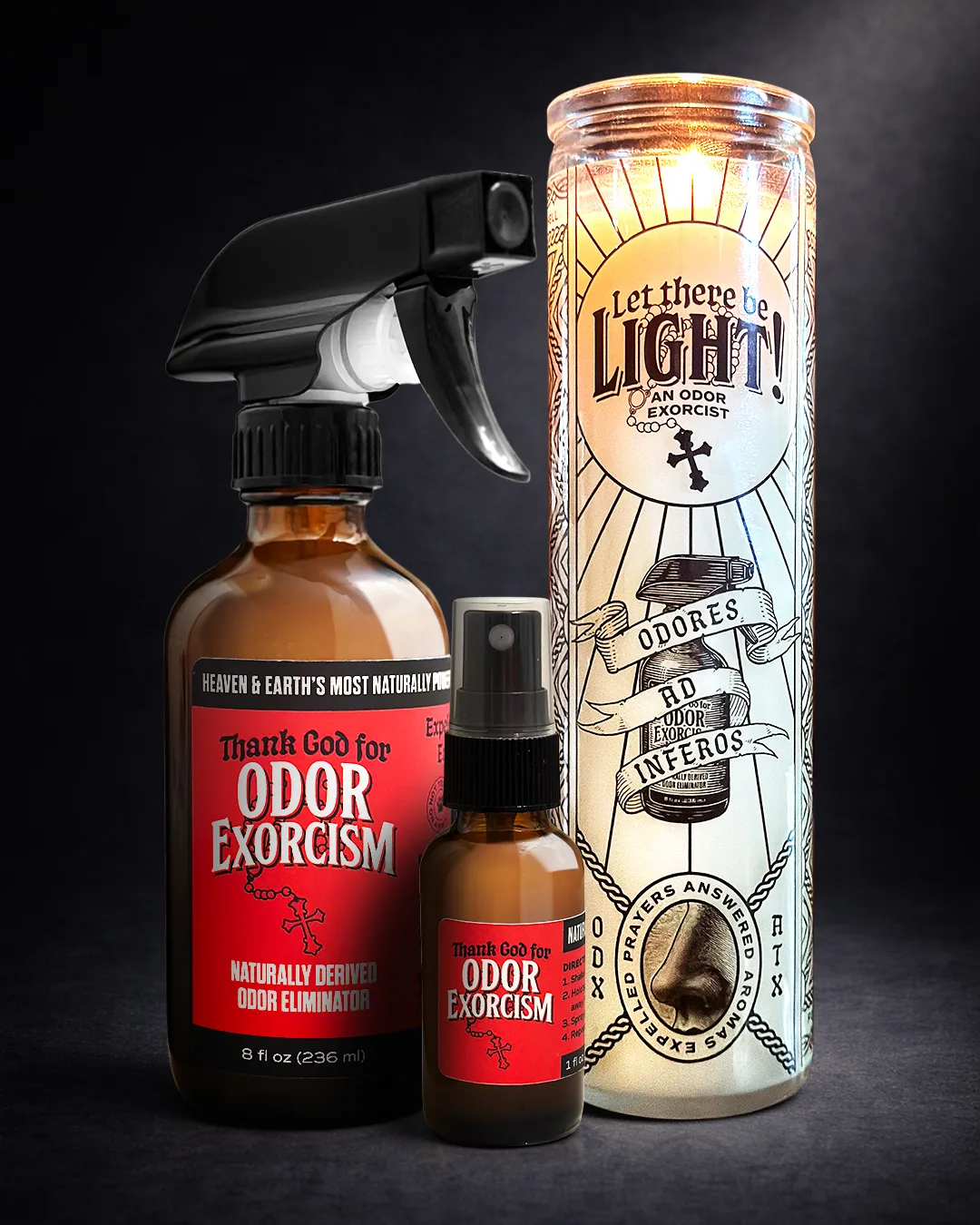
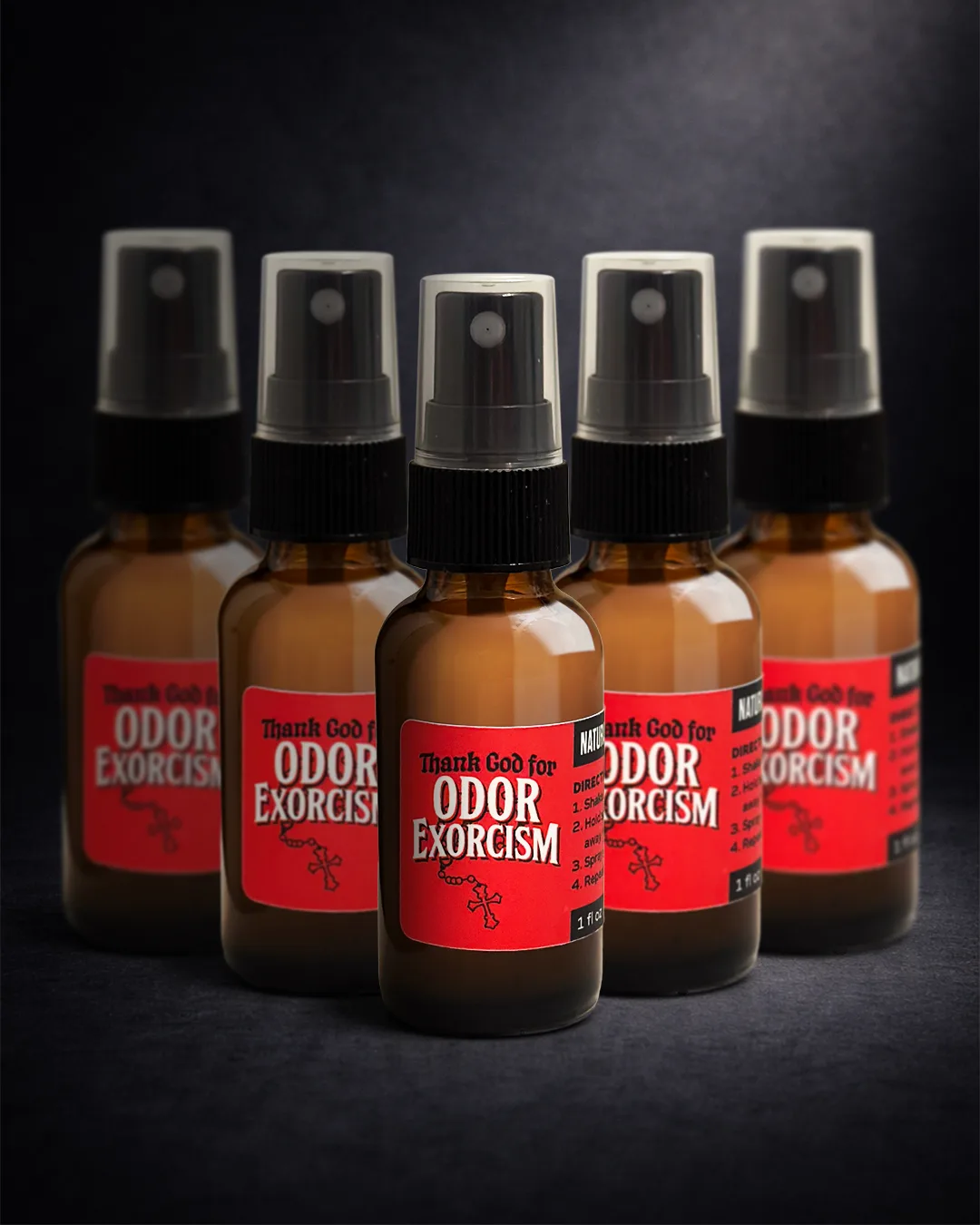
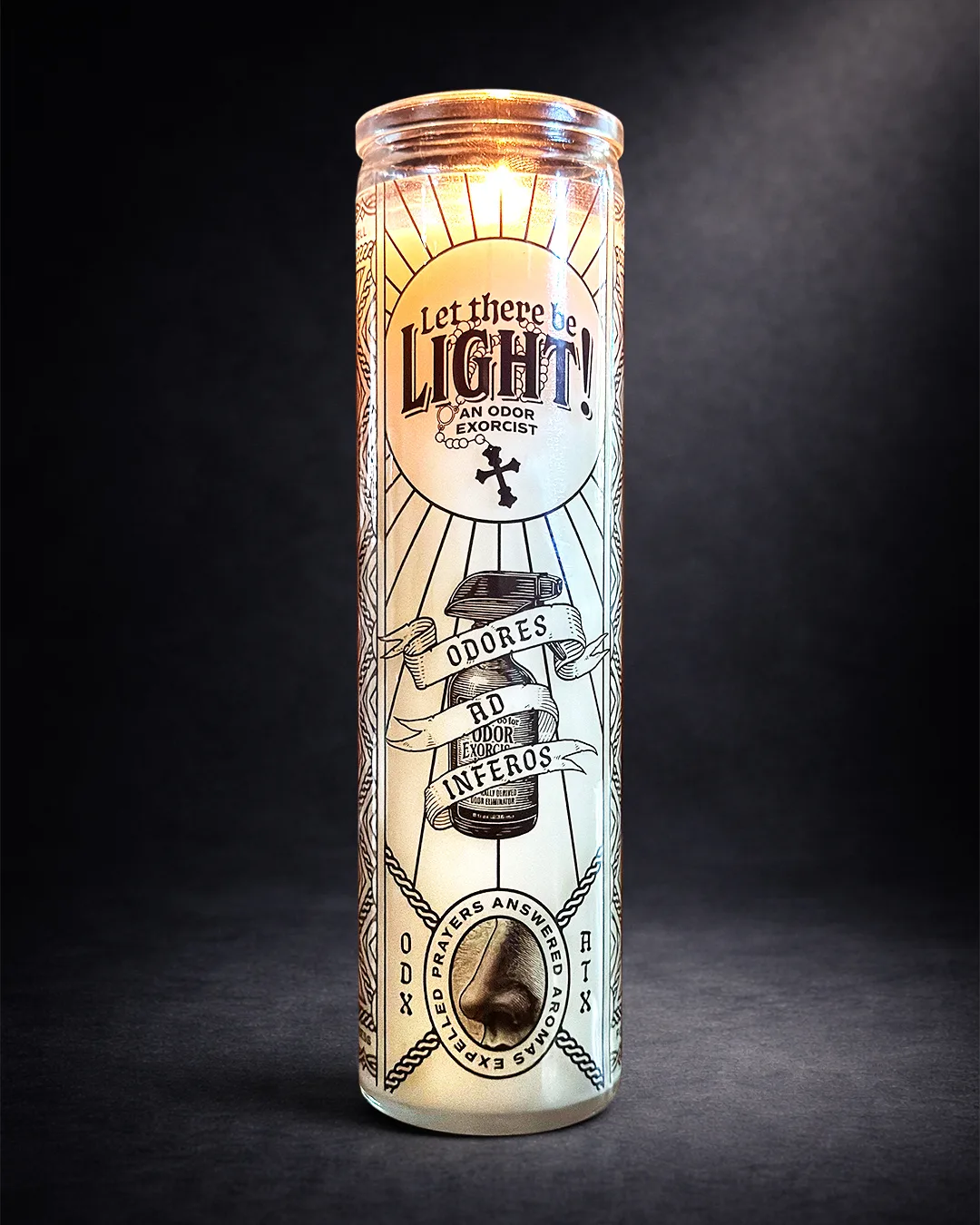
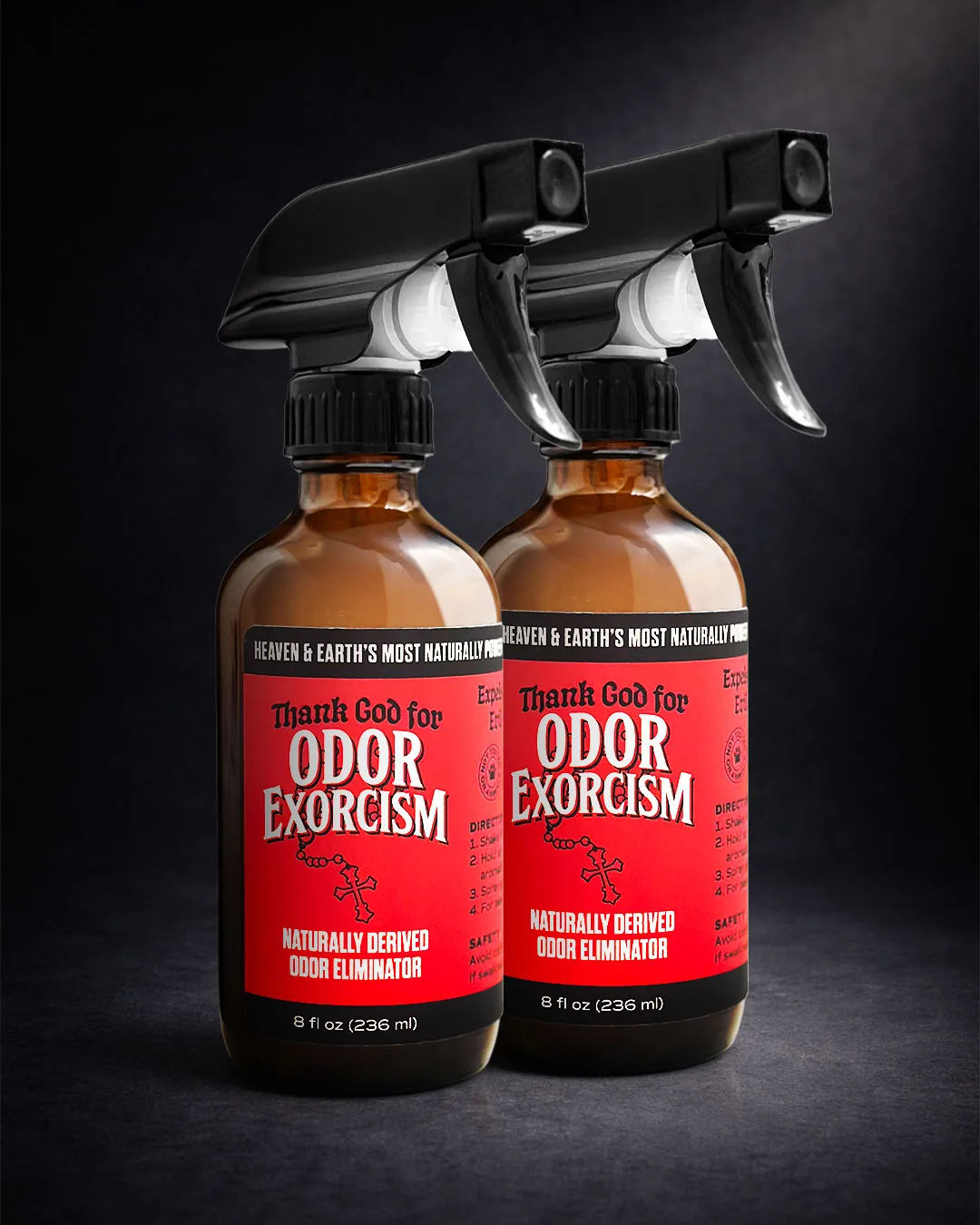
Brands like Odor Exorcism lean into that distinction for a reason. The point is not to perfume your demons. The point is to cast them out.
So, is Febreze bad for indoor air?
Sometimes, yes – especially if you’re sensitive to fragrance, use a lot of it, or rely on it instead of removing odor at the source. Sometimes, not especially – if you use it sparingly, tolerate fragrance well, and are just looking for a temporary scent fix. That’s the honest answer.
But if your standard is higher than “probably fine,” the conversation changes. Plenty of people no longer want indoor air products that leave behind a synthetic scent cloud and call it cleanliness. They want their home to smell fresh because the odor is gone, not because it got dressed up.
That’s a reasonable standard. Frankly, it’s a smarter one.
If your air freshener makes the room feel heavier, sharper, or fake-clean, trust your nose. It’s not being dramatic. It’s telling you the house doesn’t need a prettier haunting – it needs less stink and less nonsense.