How to remove odor from upholstery
Evangelize


May 24, 2026
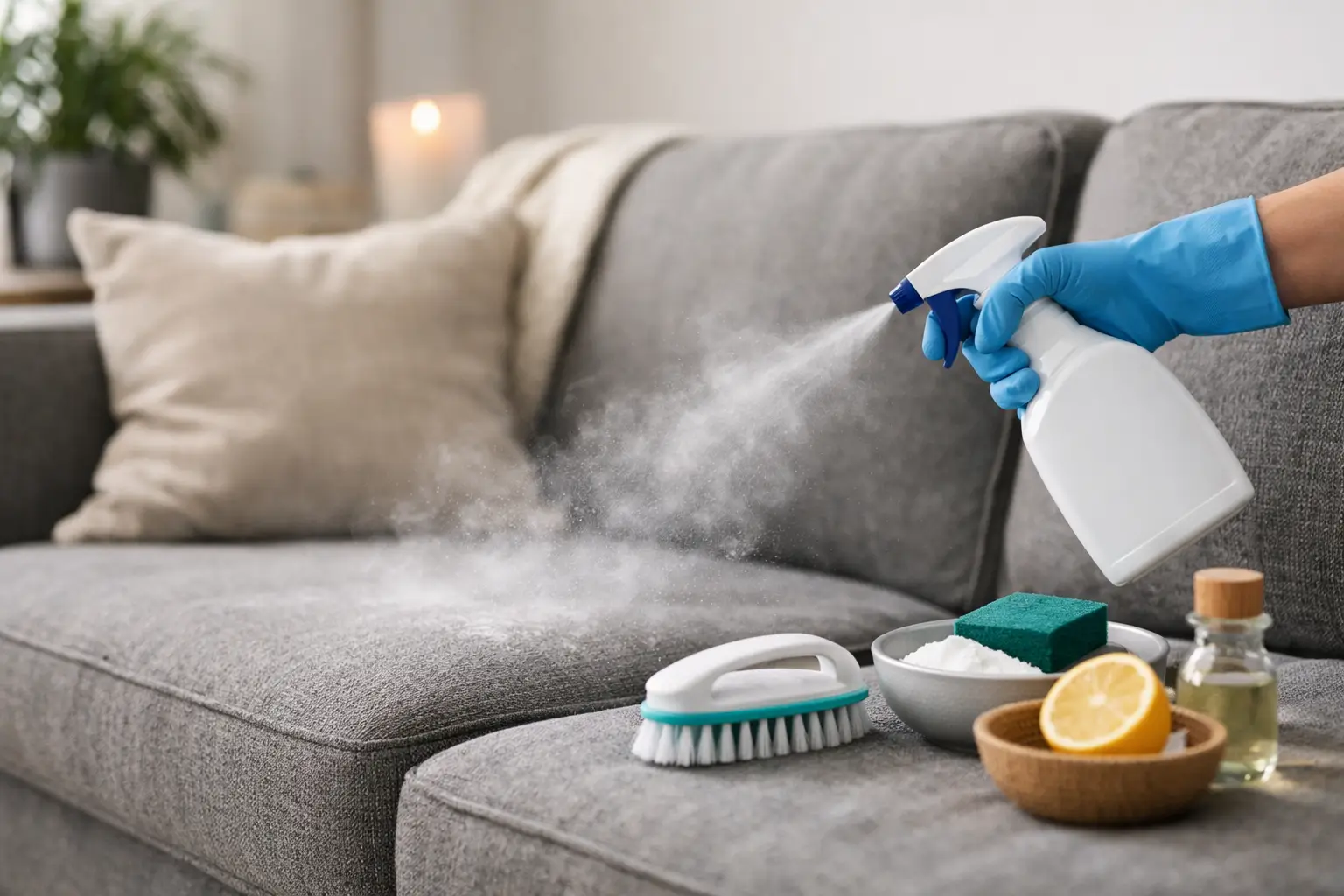
Your couch knows too much. It has absorbed takeout night, wet dog zoomies, mystery spills, gym clothes, and that one guest who thought “just a little smoke” didn’t count. If you’re wondering how to remove odor from upholstery, the fix is usually less about covering the smell and more about kicking out whatever is living in the fabric, foam, or both.
That distinction matters. A scented spray can make a sofa smell like lavender-coated doom for 20 minutes, but if the odor source is still hanging around in the fibers, the stink comes back like a low-budget demon sequel. Real odor removal means dealing with what caused it in the first place.
How to remove odor from upholstery without making it worse
The first rule is simple: don’t soak the furniture in random potions and hope for a miracle. Upholstery can trap moisture deep in the padding, and too much liquid often trades one smell for another. Now you don’t have pet odor. You have pet odor plus mildew. Congratulations.
Start by checking the cleaning tag if your furniture still has one. A W code usually means water-based cleaners are allowed. S means use a solvent-based cleaner. WS means either one may work. X means vacuum only or use professional cleaning. It’s not glamorous, but this tiny tag can save you from turning a stain into a haunting.
Before you use any cleaner, vacuum the upholstery thoroughly. Get into seams, under cushions, and along the back panel. A lot of smells cling to dust, hair, crumbs, and skin oils. Removing that layer first gives any deodorizing method a better shot at actually working.
Then spot test. Always. Even if the label says fabric-safe. Even if your cousin swears it worked on her sectional. Even if you feel chosen by the cleaning gods. Test a hidden area and let it dry fully before treating the whole piece.
What actually causes upholstery odor
Bad smells in upholstery usually come from one of four villains: organic messes, moisture, smoke, or everyday body funk. Food spills, pet accidents, sweat, drool, and oils sink into fabric and foam and start breaking down. That breakdown creates odor. Moisture adds another layer because damp upholstery can breed bacteria and mildew. Smoke is especially clingy and can settle into every soft surface in a room.
That’s why the right method depends on the smell. A musty couch needs a different approach than a chair that smells like old fries and Labrador feet. If you treat everything the same way, you may get mediocre results and a lot of frustration.
For pet odors
Pet smells are usually part surface issue, part deep-fiber issue. If there was an accident, blot first – never rub. Then clean according to the fabric code. Once the area is clean and mostly dry, use an odor-neutralizing spray made for soft surfaces. The goal is not to perfume the crime scene. The goal is to neutralize the odor compounds so your nose – and your pet’s nose – stop getting dragged back to the same spot.
If the smell has been there a while, the cushion insert may be involved too. In that case, treat both the upholstery surface and the inner cushion if it’s removable and safe to clean. Otherwise, you may freshen the outside while the foam keeps summoning the stench from within.
For musty odors
Musty upholstery usually means trapped humidity. Maybe the furniture sat in storage, maybe it’s in a damp basement, or maybe someone overcleaned it and it never dried properly. Start with ventilation. Open windows, run fans, and if needed use a dehumidifier in the room.
A light application of baking soda can help absorb surface odor if the fabric allows it. Let it sit for several hours, then vacuum thoroughly. This works best for mild stale smells, not severe mildew. If the upholstery is truly moldy, that’s a different beast, and depending on how deep it goes, professional help or replacement may be smarter than playing home exorcist.
For smoke odors
Smoke is stubborn because it sticks to both the fabric and the air around it. Vacuum first, then treat the upholstery with a deodorizing spray that neutralizes rather than masks. You may need more than one round. Smoke doesn’t leave politely.
It also helps to treat the whole room. If the curtains, rugs, and walls still smell like a dive bar in 2007, your couch can reabsorb that odor. Upholstery cleaning works better when the surrounding space stops feeding the problem.
For food and body odors
These are common on sofas, dining chairs, and headboards because fabric loves to collect oils. Vacuuming, spot cleaning, and a fabric-safe odor eliminator usually do the trick if the smell hasn’t had months to marinate. If the odor is concentrated in headrests or armrests, target those zones. That’s where body oils and hair products tend to build up.
The best method is usually layered
People love a one-step fix, but upholstery odor often needs a sequence. First remove loose debris. Then address any stain or residue. Then neutralize the odor. Then dry the piece well. Skip one of those steps and you may be stuck in an endless loop of sniffing the cushion, spraying it again, and wondering why your living room still smells cursed.
For most everyday odors, this order works well:
- Vacuum thoroughly.
- Spot clean visible grime based on the fabric code.
- Apply a fabric-safe odor eliminator evenly but lightly.
- Let the upholstery dry completely.
- Repeat once if the odor was deep or long-standing.
Notice what is not on that list: drowning the sofa in heavily perfumed spray. Synthetic fragrance can hide a smell for a minute, but it often mixes with the original odor and creates a new horror entirely. If you’re ingredient-conscious, that approach is especially annoying because now you have stale couch plus a cloud of fake “clean” hanging over it.
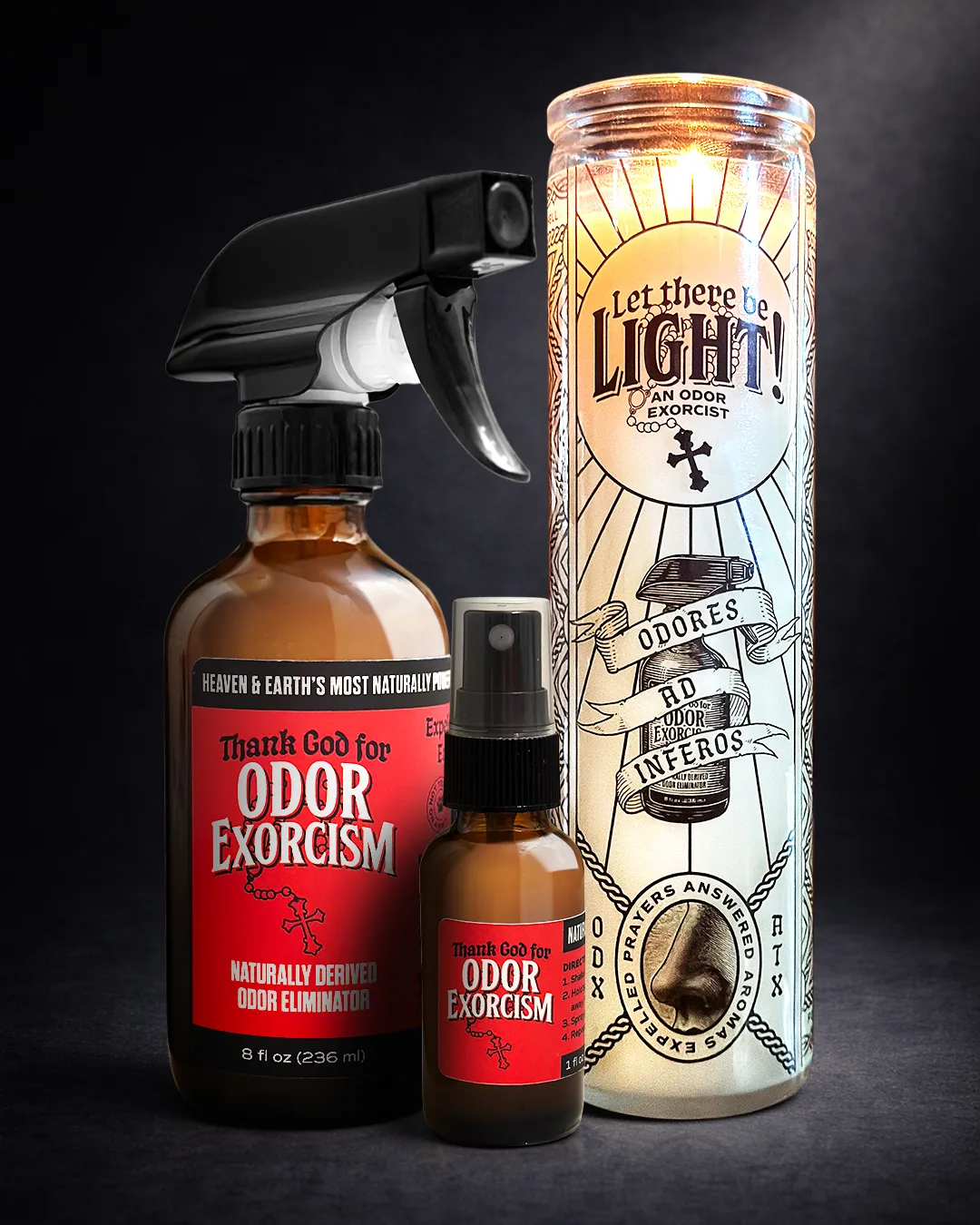
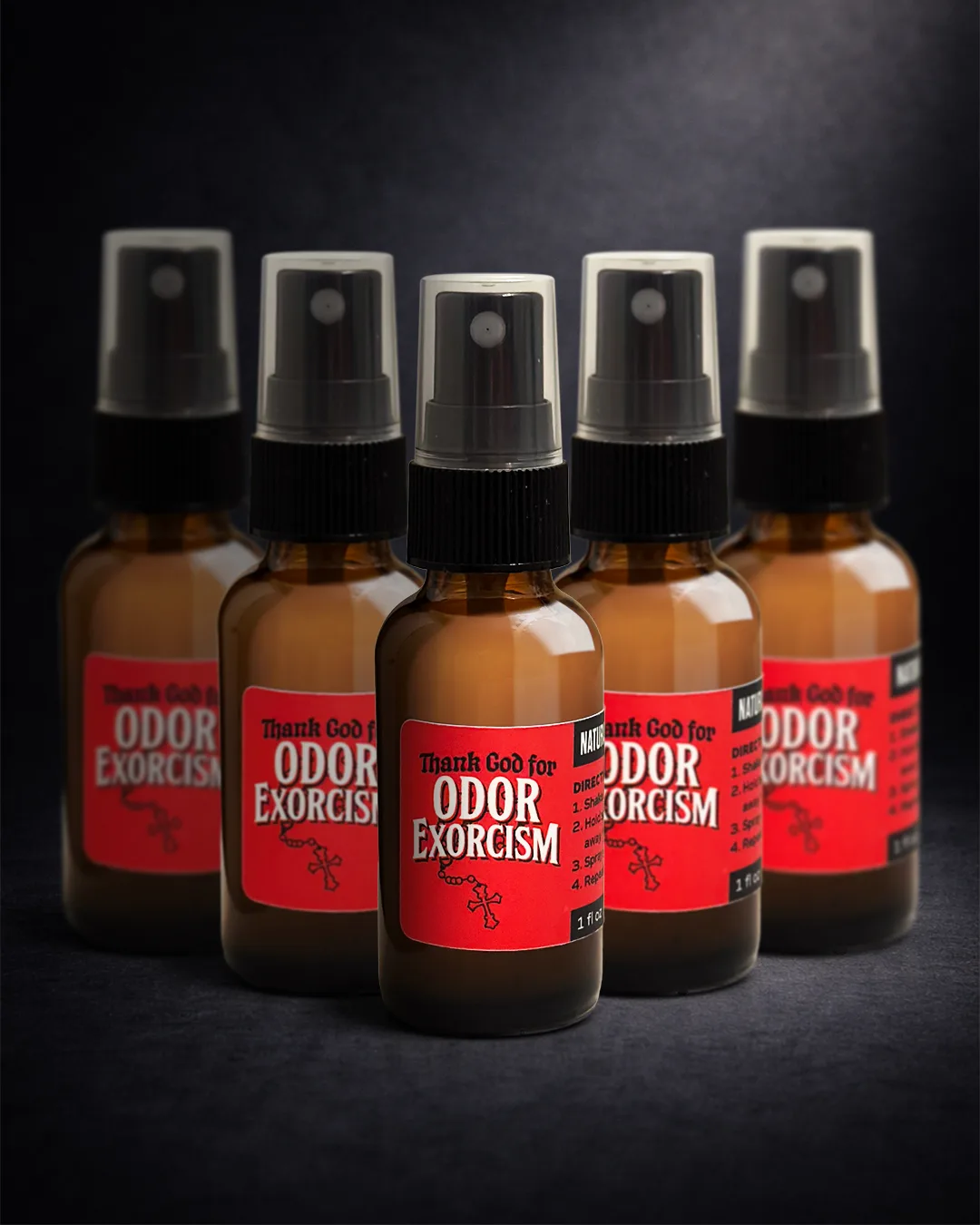
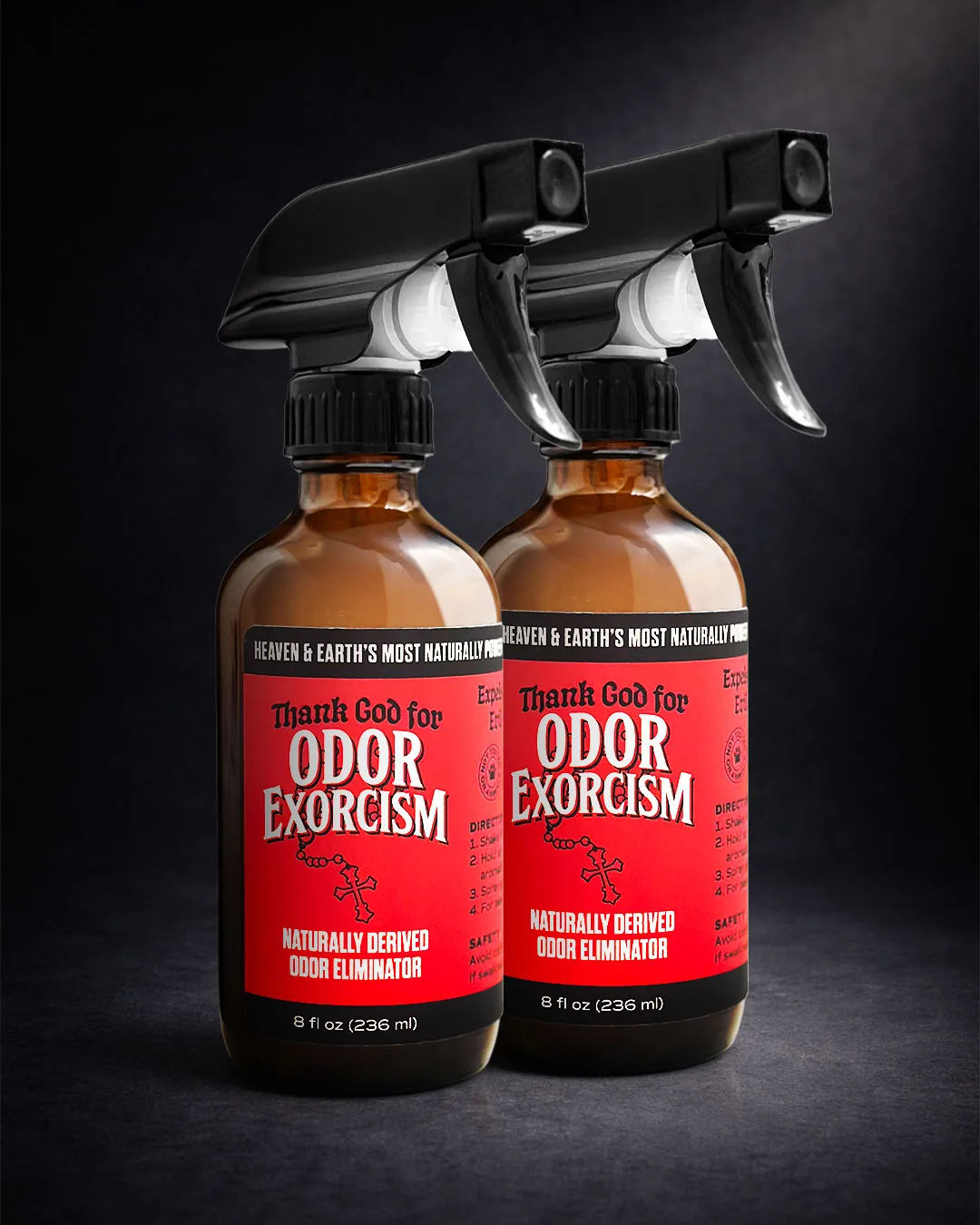
That’s why a naturally derived odor eliminator can make more sense in regular household use. You want something that works on soft surfaces, doesn’t leave your furniture feeling sticky, and doesn’t force everyone in the room to inhale a department-store perfume counter. Odor Exorcism leans into that lane hard – neutralizing funk instead of just dressing it up in a floral disguise.
Common mistakes when removing odor from upholstery
One of the biggest mistakes is using too much water. Upholstery fabric may dry faster than the cushion underneath, which means the inside stays damp long after the surface feels fine. That can create a sour or musty smell that is worse than what you started with.
Another mistake is scrubbing aggressively. Hard rubbing can push spills deeper into the fabric, distort the texture, or spread the problem wider. Blotting and light passes work better than rage-cleaning.
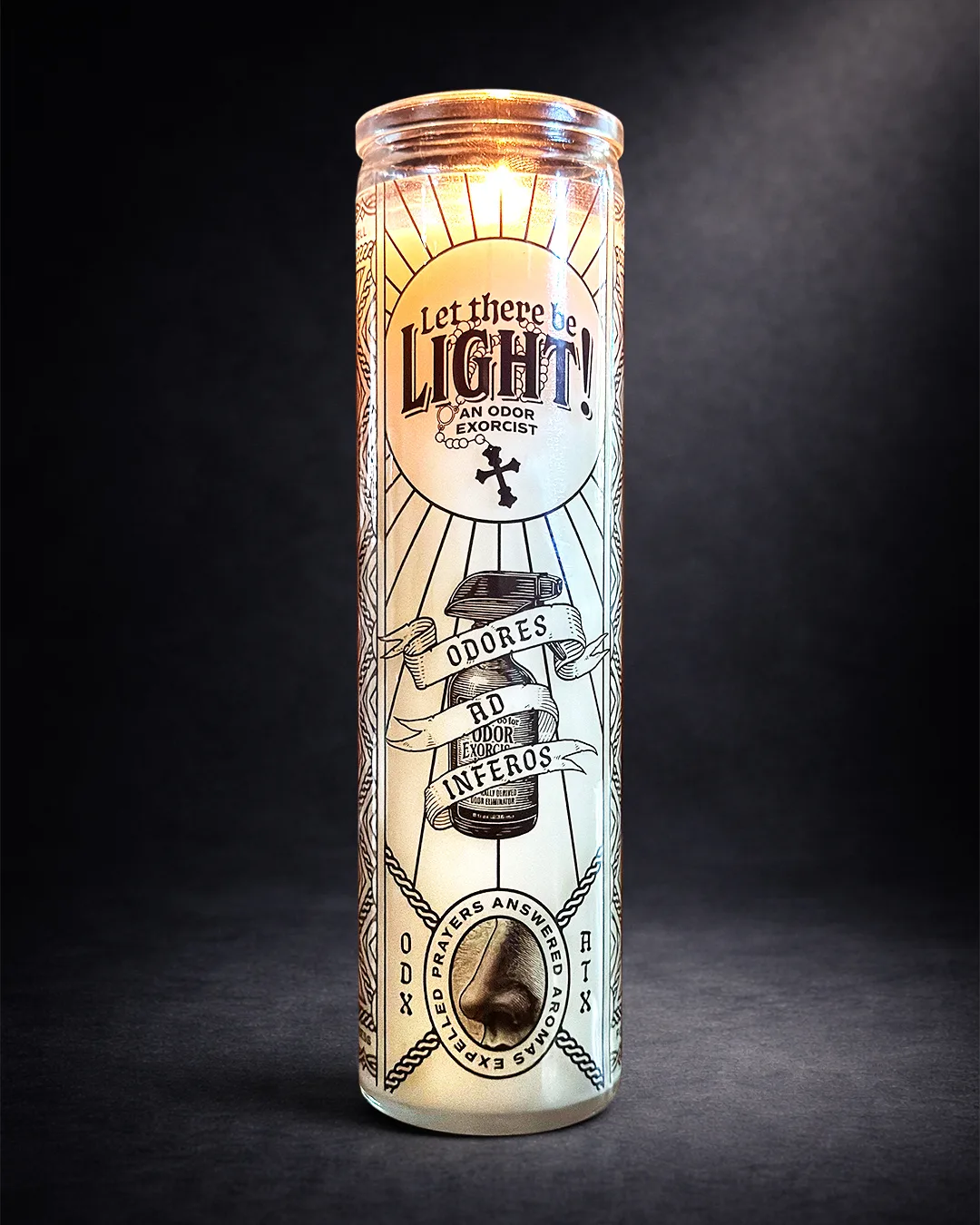
There’s also the classic error of treating odor like a purely air problem. If a room smells bad and your couch is the source, candles alone won’t save you. They’re mood lighting, not a cleanup plan. If you like scent products, use them after the odor source is handled, not instead of it.
When DIY works and when it doesn’t
If the odor is recent, localized, and coming from normal life – pets, snacks, sweat, stale air – DIY methods usually work well. You can often get solid results with patient cleaning and a good odor-neutralizing spray.
If the smell is old, widespread, or tied to mold, heavy smoke, or repeated pet saturation into the foam frame, it depends. You may still improve it, but full removal can be tougher. Sometimes the internal materials are so loaded with odor that professional upholstery cleaning is the practical move. And sometimes, let’s be honest, the furniture has crossed over and should be allowed to rest.
How to keep upholstery from smelling haunted again
Prevention is less dramatic, but it saves money and your nostrils. Vacuum upholstery regularly, especially if you have pets. Clean spills quickly. Let damp items dry before they touch furniture. If your house runs humid, control moisture before soft surfaces start collecting that basement-chic aroma.
It also helps to use an odor eliminator as maintenance instead of waiting for a full-blown stink uprising. A light refresh on sofas, chairs, and fabric headboards can keep everyday smells from setting up camp. That’s especially useful in homes with kids, pets, frequent guests, or anyone who believes the couch is an acceptable dinner plate.
Knowing how to remove odor from upholstery comes down to one unglamorous truth: smell is evidence. Treat the evidence, not just the air around it, and your furniture has a much better chance of smelling like nothing at all – which, frankly, is the holiest outcome.