How to deodorize rental apartment air fast
Evangelize


June 15, 2026
You open the door, step into your apartment, and get hit with that strange rental aroma – part old cooking, part trapped humidity, part previous tenant’s questionable life choices. If you’re wondering how to deodorize rental apartment air without repainting walls, replacing carpets, or losing your security deposit, good news: most apartment funk can be exorcised with the right approach. The trick is not covering the smell with fake perfume fog. The trick is finding the source and dealing with it like the little odor demon it is.
Why rental apartment air gets so nasty
Rental air has a special talent for holding onto history. Apartments are smaller, airflow is often lousy, and odors get trapped in soft surfaces, HVAC filters, cabinets, and corners nobody cleaned properly before move-in. Add cooking smells, pets, damp bathrooms, shoes by the door, and synthetic air fresheners trying to cosplay as cleanliness, and now the place smells like a haunted candle aisle.
A lot of renters make the same mistake first. They plug in a heavy fragrance product and hope the issue disappears. It doesn’t. Now you just have lavender fighting bacon grease in a one-bedroom arena match.
Real deodorizing starts with understanding whether the smell is coming from the air itself or from surfaces releasing odor back into the air. Usually, it’s both.
How to deodorize rental apartment air without violating your lease
The safest renter strategy is simple: clean what holds odor, improve airflow, reduce moisture, and use odor eliminators instead of scent masks. You do not need demolition. You need precision.
Start with the soft surfaces. Curtains, rugs, bedding, the couch, throw pillows, and even the mattress can hold onto stale air like they signed a blood pact with it. Wash what you can. For what you can’t toss in the machine, use a fabric-safe odor eliminator that actually neutralizes smells instead of drowning them in synthetic fragrance.
Next, go after hard surfaces people forget. Cabinet interiors, baseboards, window sills, closet shelves, trash can lids, and the area around the stove all collect odor residue. In small apartments, that residue keeps releasing funk into the room long after the original crime scene is gone.
If the place still smells weird after cleaning surfaces, check your filter situation. Many rental apartments have HVAC filters that should have been replaced several tenants ago. If your unit has a replaceable filter, ask your landlord if they handle it or if you can swap it out. A dirty filter won’t just make the air smell stale – it can push dust and old odors through the whole apartment like an evil little fan club.
The fastest fixes for the worst apartment smells
Some odors need diplomacy. Others need immediate banishment.
Cooking smells
Grease and spice odors are clingy. They stick to fabrics, float into hallways, and settle on cabinets. After cooking, open windows if you can, run the exhaust fan, wipe nearby surfaces, and treat fabric surfaces that absorbed the smell. If your apartment has poor ventilation, even one big dinner can make the living room smell like fried regret for two days.
Musty air
Mustiness usually points to moisture. Bathrooms, closets, under-sink cabinets, and rooms with poor sunlight are common offenders. Dry the area first. If you only spray over dampness, the odor will keep crawling back from the grave. Once the source is dry, clean the surfaces and deodorize the fabrics and air-contact surfaces nearby.
Pet odor
Pet smells rarely live only in the air. They settle into rugs, upholstery, bedding, and the mysterious zone around the dog bed. Wash pet textiles often, vacuum regularly, and use an odor eliminator on soft surfaces between deep cleans. If litter boxes are involved, scoop often and clean the box itself. No spray on earth can redeem a neglected litter box.
Smoke residue
If you moved into a place with lingering smoke odor, the battle is tougher. Smoke gets into walls, vents, blinds, and every porous thing in the room. Start with washable surfaces, then fabric surfaces, then ventilation. If the smell is baked into paint or carpet from a previous tenant, document it and notify management. Some odors are bigger than renter DIY, and that is not a personal failure. That is building management’s demon.
Room-by-room deodorizing that actually works
Living room
The living room is a trap for stale air because it’s packed with soft surfaces. Vacuum rugs and upholstery, wash blankets and pillow covers, and clean under furniture where dust and pet hair form their own dark kingdom. If the room smells stale despite looking clean, the couch is often the guilty party.
Bedroom
Bedrooms get stuffy fast because we spend hours in them with doors closed and windows shut. Wash bedding regularly, including comforters and mattress covers. Don’t forget curtains, laundry hampers, and shoes. If your closet smells musty, the air in the whole room can start smelling off.
Kitchen
This room deserves suspicion. Empty the trash, scrub the can, clean the sink drain, wipe cabinet fronts, and degrease around the stove. Check the fridge for expired food and wipe seals where spills hide and rot in peace.
Bathroom
Humidity is the villain here. Run the fan during and after showers, wash bath mats and towels often, and check for damp corners, mildew, or leaks under the sink. A bathroom that smells swampy will bless the rest of your apartment with that same cursed energy.
What to avoid when learning how to deodorize rental apartment air
First, don’t confuse fragrance with clean air. If the product’s main talent is smelling loud, it may be doing more theater than actual odor removal. Some renters are also trying to avoid harsh chemical fragrances, especially in small spaces where air doesn’t move much.
Second, don’t ignore repeat odors. If a smell keeps returning, it usually means there’s an untreated source – moisture, trash residue, dirty fabrics, old food, pet accidents, or a ventilation issue.
Third, don’t go wild with unauthorized fixes. Painting over odors, replacing fixtures, or using aggressive chemicals without approval can create bigger problems with your landlord and with your lungs.
Natural-smelling air beats fake-clean air
There’s a reason so many people are done with the old-school air freshener routine. Synthetic perfume clouds don’t make a rental feel fresher. They make it smell like something is being covered up, because something usually is.
A better approach is using products designed to neutralize odor while keeping ingredients gentler and more home-friendly. That matters even more in apartments, where kids, pets, fabrics, and your own face are all sharing close quarters. If you want your place to smell clean, not chemically possessed, choose odor elimination over cover-up every time.
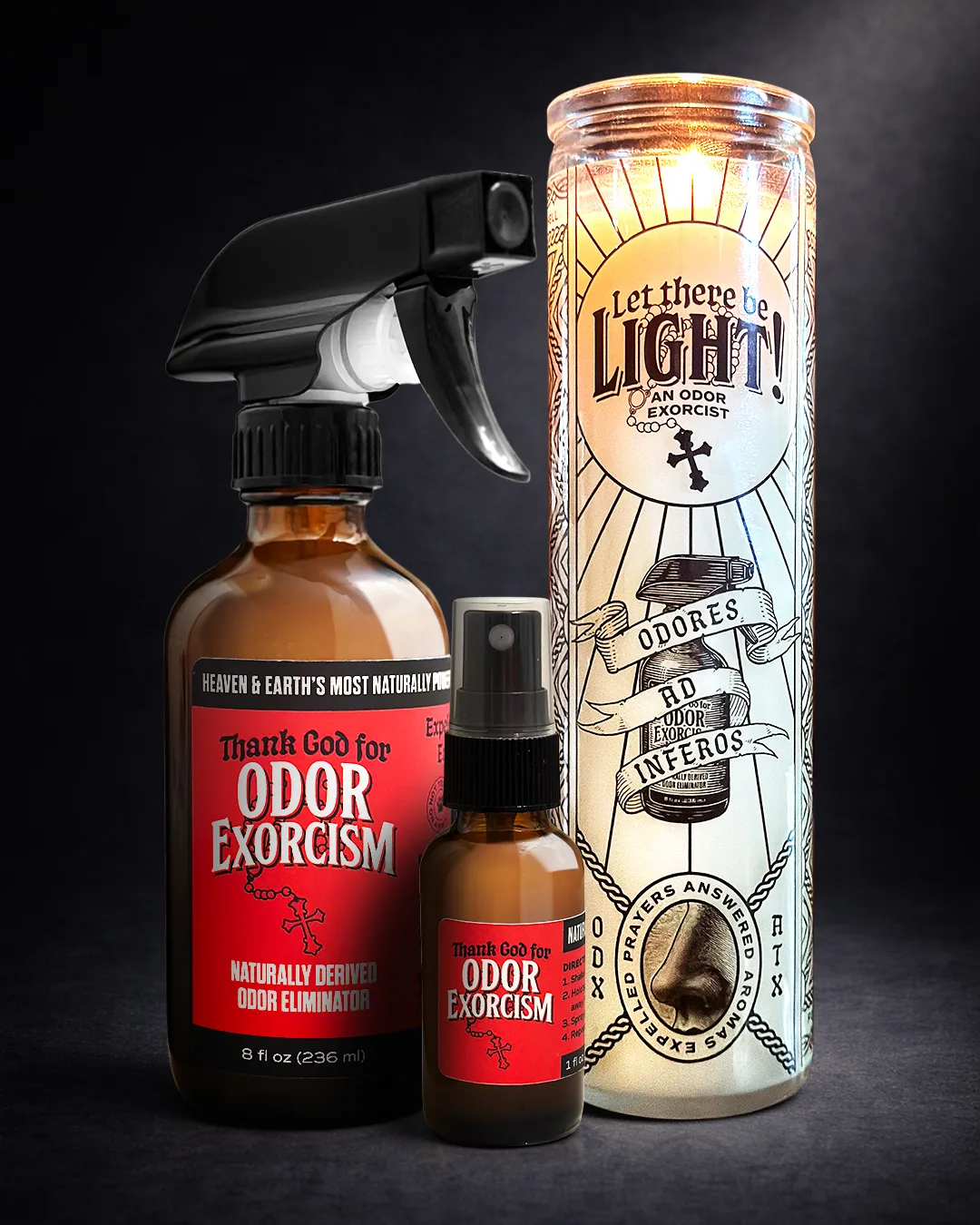
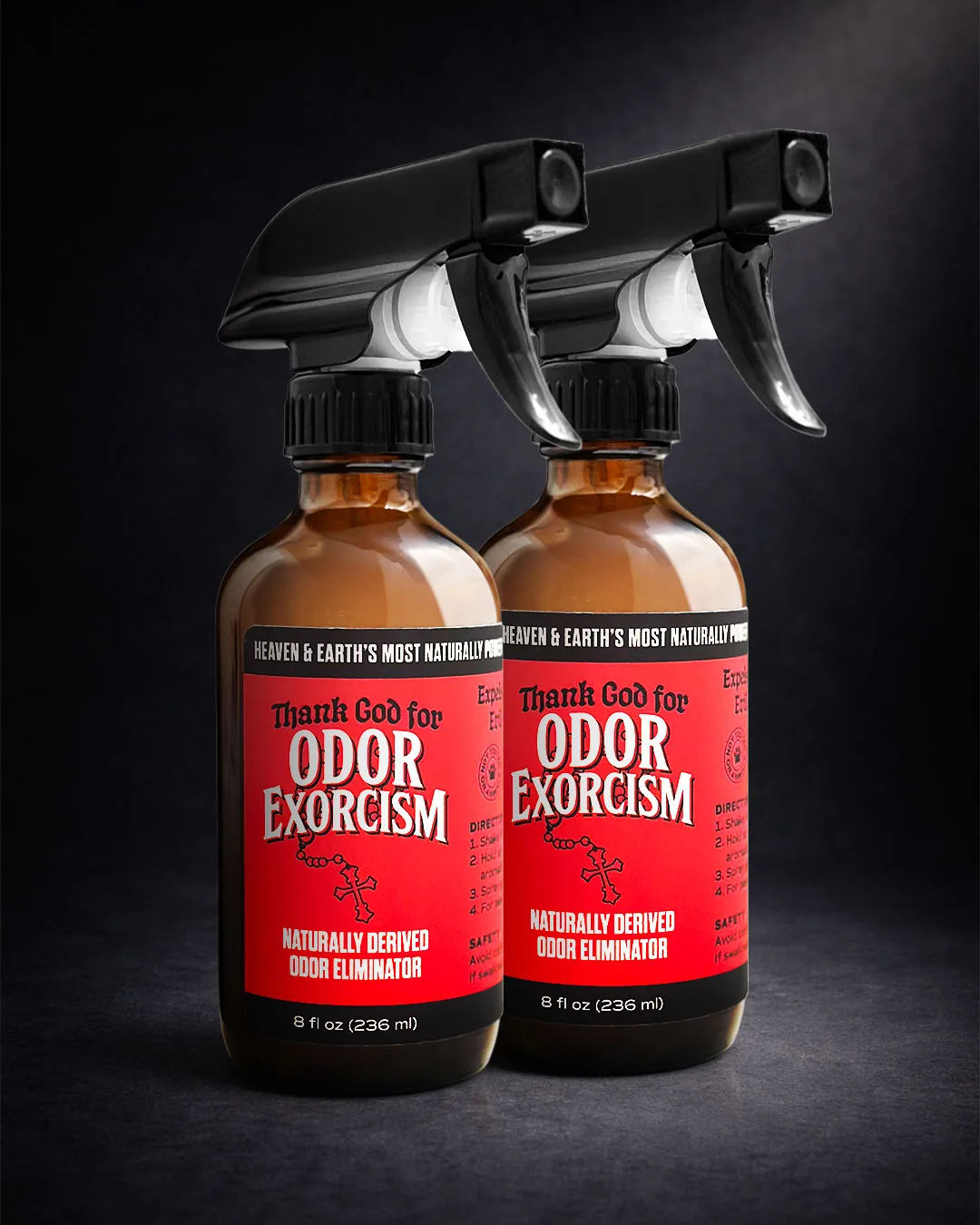
This is where a naturally derived odor eliminator spray can earn its keep. One good formula can handle upholstery, bedding, rugs, closets, shoes, and the weird stale zone near the front door without turning your apartment into a fake-fragrance fog machine. Odor Exorcism, naturally, was built for exactly this sort of household haunting.
When the smell is not your fault
Sometimes you do everything right and the apartment still reeks. That can happen when odors are coming from shared vents, neighboring units, hidden leaks, old carpet padding, or damage inside walls. If you notice sewage smells, strong mildew, persistent smoke, or a musty odor that won’t quit despite cleaning, document it with photos and written notes and contact property management.
That is especially true if the odor comes with water spots, visible mold, or worsening humidity. Renter-safe deodorizing can fix a lot, but it is not a substitute for repairs.
Keeping apartment air fresh after the exorcism
Once you’ve cleared the funk, maintenance is much easier than rescue mode. Open windows when weather allows, wash fabrics on a schedule, clean drains and trash cans before they get sinister, and treat odor-prone surfaces before smells settle in for a long-term lease.
Small-space living rewards consistency. Ten minutes of weekly upkeep beats a full Saturday spent battling the ghost of takeout past.
If you’re figuring out how to deodorize rental apartment air, remember this: the goal isn’t to make your home smell like a fake tropical storm from a grocery-store plug-in. The goal is air that feels clean when you walk in, fabric that smells like nothing weird, and a space that finally feels like yours instead of the last tenant’s unfinished business.