How to Deodorize Gym Bags Without Masking It
Evangelize


October 27, 2026
Your gym bag is not supposed to smell like a crypt after leg day. But when sweaty clothes, damp towels, and well-seasoned sneakers get sealed inside a dark nylon cave, they create a tiny, humid kingdom for odor-causing bacteria. To deodorize gym bags for real, you need to evict the source of the smell, not blast it with enough fake fragrance to give the demon a floral makeover.
The good news: this is fixable. You do not need to burn the bag, abandon your workout routine, or accept that your trunk now smells like a haunted locker room. A few smart cleaning habits can get your gym bag back to neutral and help keep the stink from resurrecting.
Why Gym Bags Get So Foul So Fast
Gym-bag odor is not just “sweat smell.” Fresh sweat is mostly water and salt. The real menace shows up when bacteria feed on the oils, skin cells, and moisture left behind on your clothes, shoes, and towels. Their waste products create the sharp, sour, funky smell that clings to fabric long after your workout playlist has stopped judging you.
Warmth and trapped moisture make the problem worse. A closed bag has poor airflow, especially if it spends hours in a hot car, a gym locker, or under your desk. Add a protein shaker with one suspicious drop at the bottom, and you have assembled the Four Horsemen of Bag Odor.
Synthetic fragrance sprays may cover the smell for a minute, but masking is not removal. Once the perfume fades, the original funk is still there, often now wearing a cheap tropical-coconut disguise. The goal is to clean away grime, dry the bag thoroughly, and use an odor eliminator that neutralizes smells instead of simply overpowering them.
How to Deodorize Gym Bags Step by Step
Empty It Like You Mean It
First, take everything out. Yes, everything. Check the side pockets, shoe compartment, and that small zipper area where old hair ties, receipts, and possibly a forgotten banana have gone to meet their maker.
Separate anything damp from anything dry. Pull out workout clothes, towels, wraps, socks, swim gear, and shoes. Wash fabric items according to their care labels as soon as possible. If you cannot do laundry immediately, at least hang them up so they can air out instead of fermenting in a polyester tomb.
Shake the empty bag upside down outdoors or over a trash can. Crumbs, dirt, loose chalk, pet hair, and spilled pre-workout powder all contribute to the general aura of doom.
Clean the Interior, Not Just the Air Around It
Read the care label before you start. Many gym bags can handle a gentle hand wash, while others should only be spot-cleaned. If the bag is machine washable, use a mild detergent on a gentle cycle and air-dry it completely. High heat can damage coatings, warp hardware, and trap you in a weird plastic-smell subplot.
For bags that should not go in the washer, wipe the inside and outside with a clean cloth lightly dampened with warm water and mild soap. Pay special attention to the bottom panel, zipper seams, straps, and shoe compartment. These are prime crime scenes for sweat residue and moisture.
Do not soak structured bags, leather-trimmed bags, or bags with cardboard inserts. Too much water can damage their shape or create a musty smell that is somehow even more offensive than the original gym funk.
Treat Lingering Odor at the Source
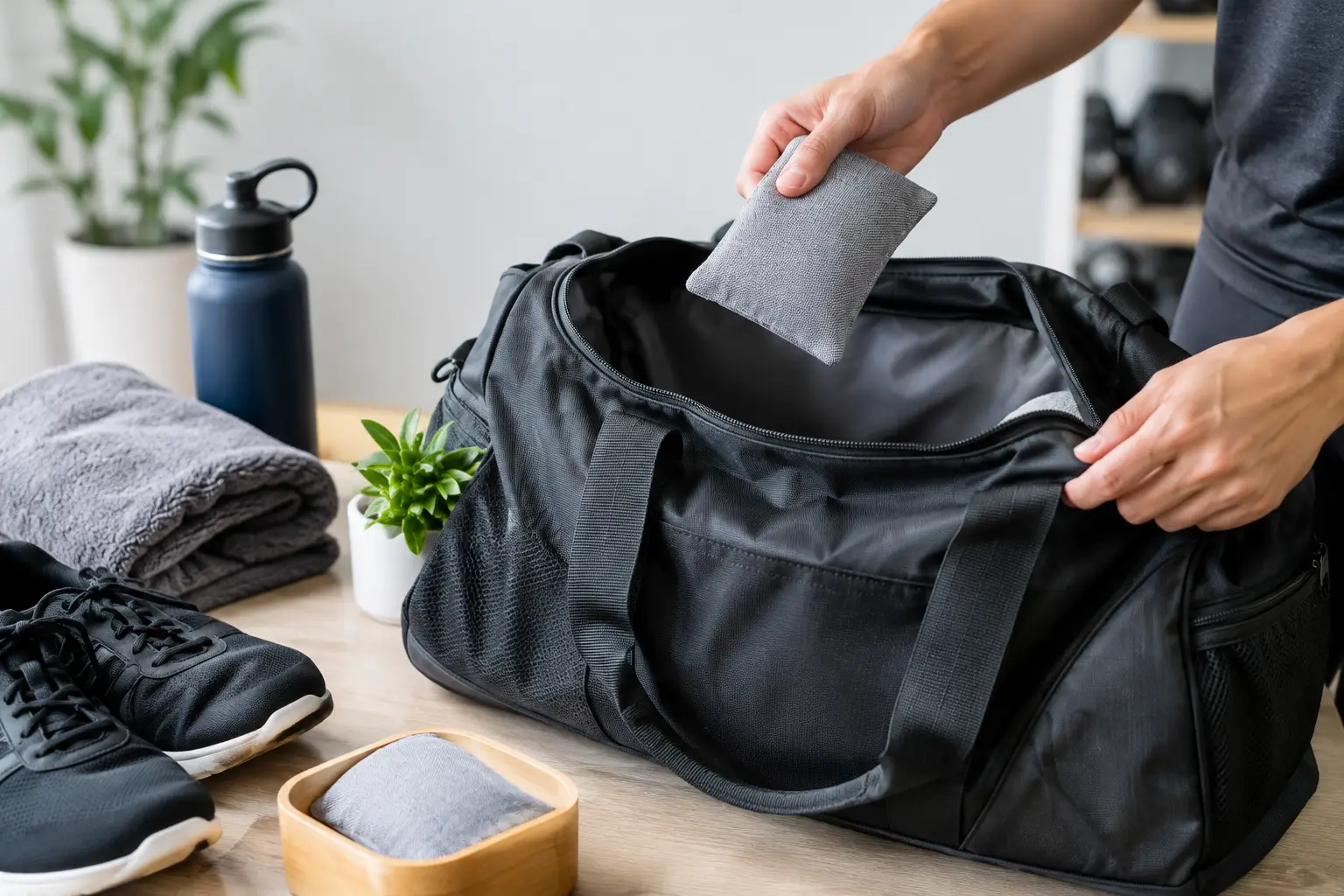
Once the bag is clean or spot-cleaned, use an odor eliminator formulated for soft surfaces. Spray the interior lightly and evenly, including the shoe compartment if it has one. Do not drench it. A light treatment is usually enough, and oversaturating fabric can slow drying time.
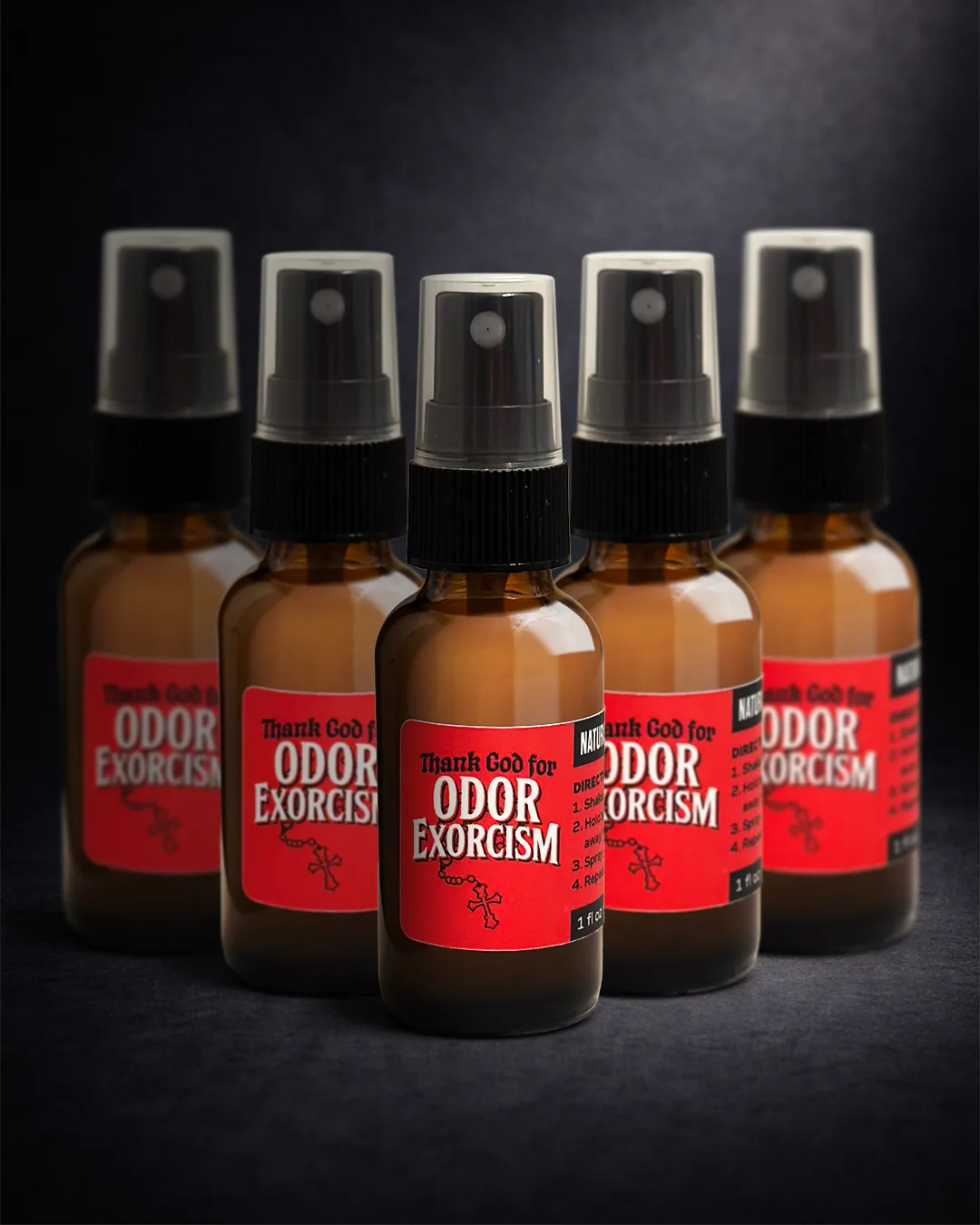
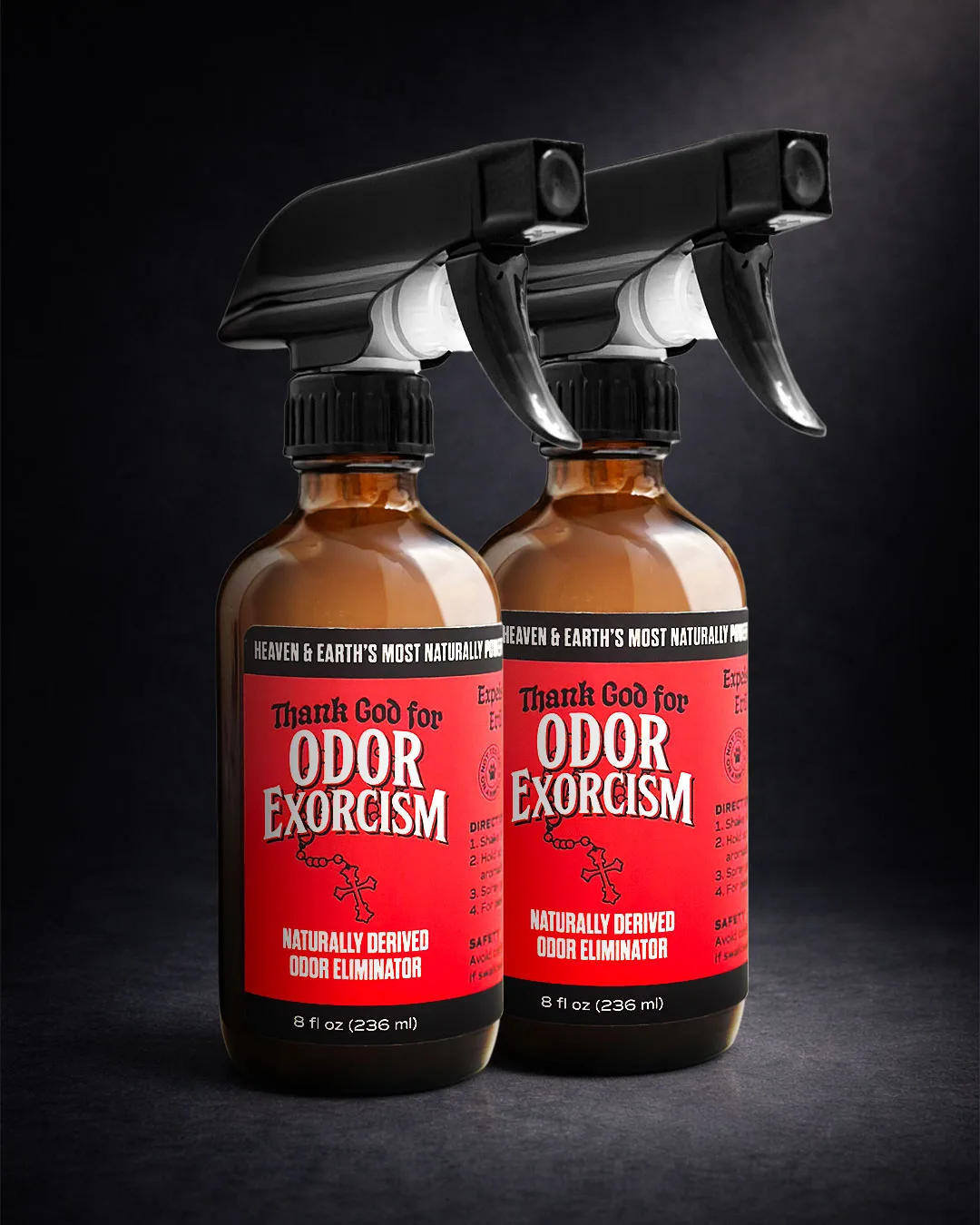
Odor Exorcism is made for exactly this sort of olfactory possession: a naturally derived, essential-oil-based spray that targets unpleasant smells rather than just laying synthetic fragrance over the evidence. It can be used on the fabric lining, straps, and plastic interior details, but always test an inconspicuous spot first, especially on delicate materials or colored fabrics.
If the smell is especially stubborn, let the bag sit open after treatment and repeat once it is fully dry. A bag that has absorbed weeks of damp clothes may need more than one exorcism. Frankly, so might the shoes.
Dry It Until There Is No Doubt
Drying is the step people rush, and it is the step that decides whether odor comes back from the grave. Leave the bag fully open in a well-ventilated area until every pocket, seam, and lining panel feels dry. Turn it inside out if the design allows it.
Direct sunlight can help with drying and can be useful for some durable bags, but do not leave colorful or delicate fabrics baking for hours. Sun can fade material and weaken certain coatings. A breezy indoor spot near a fan is safer when you are unsure.
Never pack clean gear into a bag that is even slightly damp. “Mostly dry” is how the sequel starts.
The Habits That Keep Gym Bag Odor Away
A deep clean rescues the bag. Your post-workout routine keeps it from becoming a recurring supernatural event.
The biggest change is simple: unpack as soon as you get home. Do not let sweaty gear live in your bag overnight. Hang clothes and towels, take out your shoes, rinse your shaker, and leave the bag unzipped so air can circulate. This takes less than two minutes and prevents a remarkable amount of stink.
If you shower at the gym, avoid tossing a wet towel or damp shower sandals into the main compartment without a barrier. Use a washable wet bag or a separate waterproof pouch, then empty it promptly at home. These pouches are useful, but they are not magical. A sealed wet pouch left for three days is just a smaller, angrier gym bag.
Shoes deserve their own strategy. Let them air out between workouts, and do not store them in the bag unless you need to. If your schedule requires it, choose a bag with a ventilated shoe compartment and deodorize the shoes regularly. The bag cannot stay fresh if the footwear inside is running its own biological experiment.
A Quick Weekly Reset
Once a week, give your gym bag a 60-second inspection. Empty crumbs, wipe any spills, check for dampness, and give the lining a light odor-neutralizing spray if it needs one. This is also the moment to remove old wrappers and identify any shaker bottle that has begun to look medically interesting.
A monthly deeper clean works for most regular gym-goers. If you train daily, play team sports, carry wet swim gear, or keep the bag in your car, clean it more often. There is no sacred calendar here. Let the smell, moisture level, and use pattern make the call.
What Not to Do When Your Gym Bag Smells
Do not spray perfume, cologne, or heavy air freshener inside the bag and declare victory. Strong fragrance plus sweat odor is not freshness. It is an argument between two smells, and neither one wins.
Do not use bleach unless the care label specifically allows it. Bleach can discolor fabric, weaken fibers, damage coatings, and create unpleasant fumes. Likewise, do not mix cleaning products. Household chemistry should not require a hazmat suit or a priest.
Baking soda can help absorb some odors in a dry bag, but it is not a substitute for cleaning. If there is sweat residue, spilled drink mix, or dampness trapped in the lining, powder alone will not solve the underlying problem. It can also leave a dusty mess in seams and pockets.
When It Is Time to Replace the Bag
Most gym bags can be saved, even after a fairly grim odor situation. But replacement may be the reasonable move if the lining is moldy, the fabric stays musty after repeated cleaning and complete drying, or the bag has cracks and peeling coatings that trap grime.
Visible mold is not a scent issue. It is a material and moisture issue. Follow the bag maker’s care guidance, clean it carefully if the material can be safely treated, and consider replacing it if mold keeps returning. A fresh bag is cheaper than repeatedly trying to rehabilitate one that has become a permanent swamp.
Your gym bag should carry your gear, not your personal scent legacy. Empty it, clean it, dry it, and give odor nowhere to hide. The demons of deadlift day can stay at the gym where they belong.