Home Fragrance Trends 2026: Less Masking
Evangelize


July 29, 2026
A home can look immaculate and still smell like a tiny crime scene. The throw pillows are fluffed. The countertops gleam. Yet the couch is holding onto wet-dog memories, the laundry basket is planning a rebellion, and somebody’s sneakers have summoned an ancient evil. That is why home fragrance trends 2026 are moving beyond the old spray-and-pray approach.
The big shift is not simply toward prettier scents. It is toward homes that smell intentionally clean, feel personal, and do not require a fog of synthetic perfume to get there. Consumers are reading labels, thinking harder about indoor air, and refusing to let a candle do all the spiritual heavy lifting.
Home Fragrance Trends 2026 Put Odor First
For years, the air-care aisle operated on one questionable premise: if a room smells strongly enough like tropical laundry, nobody will notice the garbage demon underneath. People are increasingly over it.
In 2026, the smarter home-fragrance routine starts with odor removal. This matters because fragrance and odor are not opposites. A sweet scent sprayed over litter-box funk, stale cooking smells, or mildew-prone towels can create a much worse scent situation – one that announces itself before you open the front door.
The emerging standard is simple: neutralize the source first, then add fragrance if you actually want it. That means paying attention to the places where odors settle in and linger: upholstered furniture, bedding, rugs, gym bags, shoes, pet blankets, kitchen trash cans, and car interiors. Hard surfaces can hold residue too, especially plastic bins, wood storage pieces, and the mysterious shelf in the fridge nobody wants to discuss.
This is good news for anyone who wants their home to smell fresh rather than aggressively curated. Clean air is the foundation. A beautiful scent is the finishing touch, not the hazmat suit.
Scent Is Becoming More Personal and Less Perfumey
The era of one-size-fits-all vanilla clouds is losing its grip. Homeowners and renters alike are treating scent more like lighting or music: an atmosphere-setting detail that can change by room, season, and mood.
Expect gentler, more dimensional profiles to keep gaining ground. Think crisp citrus in kitchens, herbaceous notes near entryways, soft woods in bedrooms, and warm, grounding blends in living spaces. These fragrances feel less like a department store ambush and more like a home with a point of view.
That does not mean every house needs to smell like a Scandinavian forest after rain. It depends on the space and the people in it. A small apartment can get overwhelmed quickly, while a larger open-plan home may need a little more presence. Pet owners may prefer fresher, brighter scents that do not compete with the realities of living with a beloved creature who considers puddles a personality trait.
The best rule is restraint. If guests can identify your scent from the driveway, the candle may be doing side quests.
Room-by-Room Fragrance Is Replacing Whole-Home Fog
One of the most practical home fragrance trends is zoning. Instead of using the same fragrance in every square foot, people are choosing scents based on how a room is used.
Bedrooms benefit from quieter, comforting scents because the goal is rest, not sensory combat. Kitchens usually call for clean citrus, green, or herbal notes that feel compatible with food and cleanup. Bathrooms can handle a brighter profile, but the real win is keeping towels, bath mats, and wastebaskets from becoming odor reservoirs. Living rooms tend to suit warmer, more layered scents because they are gathering spaces with textiles, pets, snacks, and an impressive ability to trap yesterday’s life.
Zoning also lets you stop fragrance fatigue. When every room smells identical, your nose adapts and you use more product to compensate. Switching scent families from room to room creates contrast without turning your home into a candle aisle with a mortgage.
Ingredient Scrutiny Is No Longer a Niche Habit
People are asking better questions about what they bring into their homes, especially in rooms where children play, pets nap, and everyone spends a lot more time than expected. The demand for naturally derived ingredients, essential-oil-forward scents, and clearer product information is not a passing aesthetic. It is a response to years of mystery chemicals, overpowering aerosol blasts, and labels that tell shoppers almost nothing.
That said, natural does not automatically mean perfect for every household. Essential oils and fragrance ingredients can be potent, and sensitivities vary. If someone in your home has allergies, asthma, scent sensitivities, or a curious pet with poor life choices, introduce new products gradually and follow use instructions. Ventilation still matters. So does using less than you think you need.
The trend is not about chasing purity points. It is about having enough information to choose products that fit your household, rather than accepting the old rule that stronger scent equals cleaner space. It absolutely does not.
Candles Are Staying, but They Have a New Job
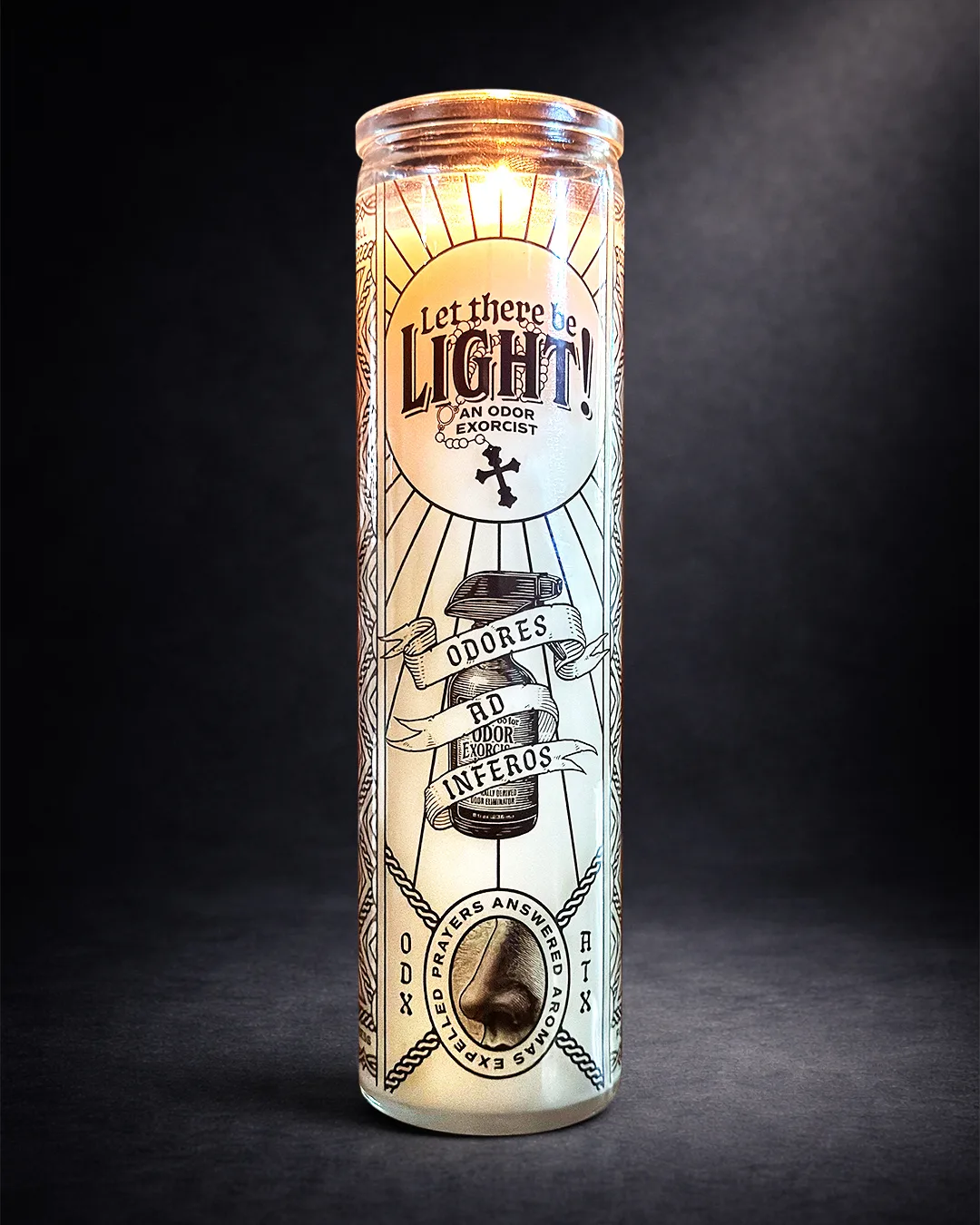
Candles are not going anywhere. A well-made soy wax candle can make a rainy Tuesday feel marginally less cursed, and that is valuable public service. But candles are increasingly being used for ambiance rather than emergency odor response.
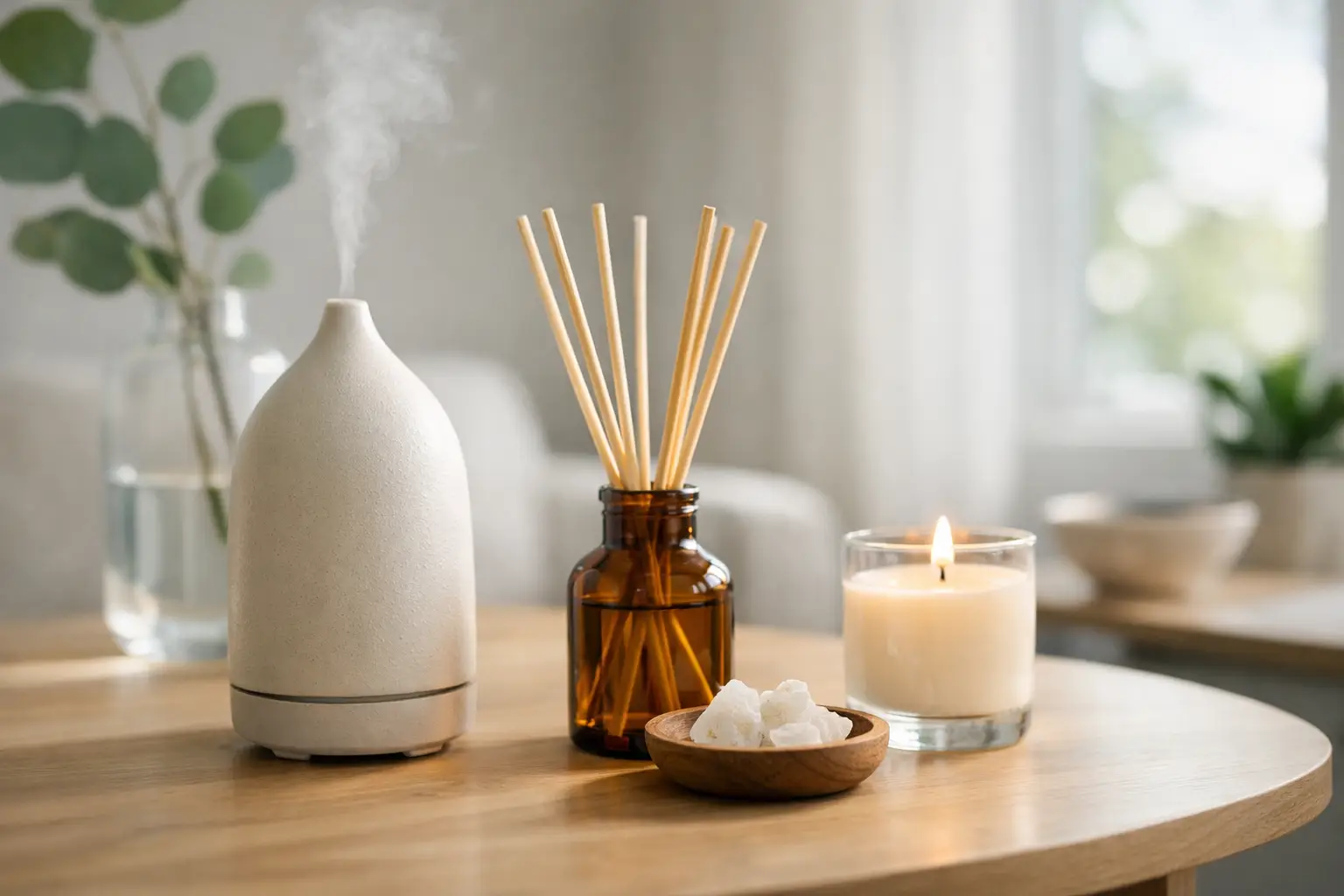
A candle cannot remove the smell trapped in a dog bed or the lingering aftermath of fish tacos. It can create a pleasant fragrance experience, but it is not a substitute for cleaning or odor neutralization. The same goes for diffusers, wax melts, and room sprays. Use them because you enjoy the ritual, not because the laundry room has become spiritually compromised.
In 2026, the most effective setups will combine a practical odor-eliminating product with a complementary scent product. Handle the offensive odor on surfaces and fabrics, then light the candle when you want the room to feel warm, calm, or suspiciously capable of hosting guests on short notice.
The Quiet Luxury Trend Is Reaching the Air
Quiet luxury has invaded closets, kitchens, and now noses. In home fragrance, it looks like subtle scent, clean-looking vessels, fewer products left on display, and a preference for fragrances that feel expensive without shouting their notes through a megaphone.
This trend works especially well for design-conscious homes and rentals. A carefully chosen candle, a discreet fabric spray, and regular odor maintenance can make a space feel cared for without crowding shelves with plastic plug-ins and decorative clutter. The result is not a house that smells fragranced. It is a house that smells like someone has their life together, even if there are three unmatched socks under the sofa.
Quiet fragrance is also more flexible. It will not compete with dinner, your skincare, your laundry detergent, or the collective aroma of a Sunday afternoon. It simply creates a better baseline.
Seasonal Scent Is Getting Smarter
Seasonal fragrance used to mean pumpkin in fall, pine in winter, and a fruit explosion at every other moment. Those classics still have loyal fans, but the 2026 version is more nuanced.
Rather than swapping an entire home into a single seasonal personality, people are leaning into small changes. Spring may bring green herbs and light citrus. Summer may favor salt-air, garden, or sun-warmed wood notes. Autumn can move toward spice, tea, or woods without turning the living room into a pie factory. Winter scents are becoming softer too, with resin, cedar, cardamom, and cozy textures instead of wall-to-wall sugar cookies.
The trade-off is that subtle blends may not deliver the instant nostalgia hit of a familiar seasonal scent. But they are easier to live with every day, especially in smaller spaces. And unlike novelty fragrance overload, they do not make March feel like a holiday clearance aisle.
Build a Fragrance Routine That Does Not Hide the Problem
The home fragrance trend worth keeping is not a product category. It is a routine. Wash the things that can be washed. Air out rooms when weather allows. Treat fabrics and surfaces where odors actually live. Then add scent with intention.
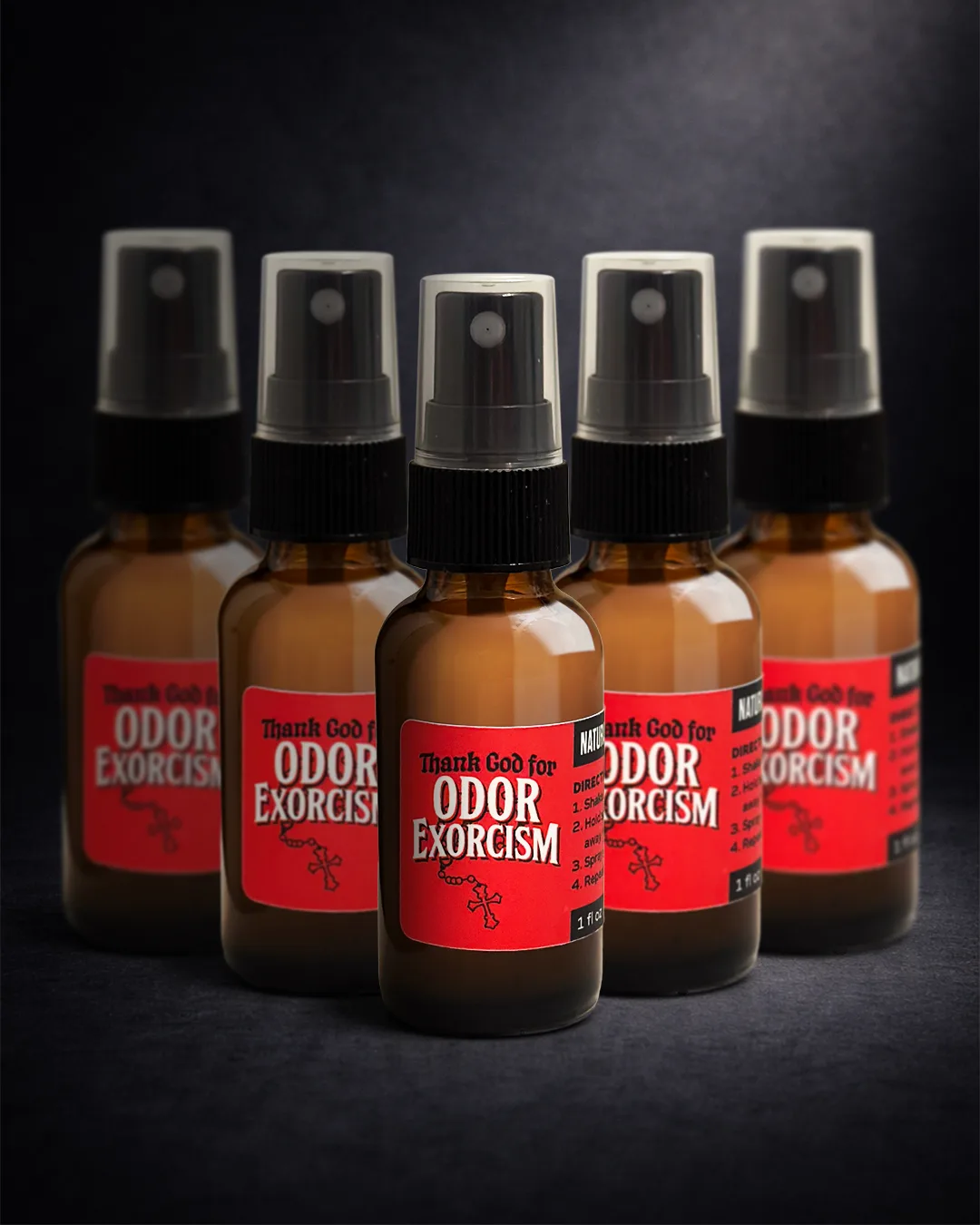
For everyday funk, an odor eliminator such as Odor Exorcism can help handle the demons living in upholstery, bedding, shoes, and other repeat offenders before you reach for a candle. This is particularly useful in homes with pets, kids, roommates, busy schedules, or all four – a combination known to science as the Funk Apocalypse.
Save your favorite scents for the moments when you want atmosphere: the reset after cleaning, a slow evening at home, company coming over, or five peaceful minutes before someone asks what is for dinner. A home that smells good should never feel like it is trying to win an argument with its own odors.
The best 2026 fragrance habit is gloriously unglamorous: deal with the stink, use scent with a lighter hand, and let your home smell like a place people want to stay.