Fabric Spray Versus Odor Absorber: Which Wins?
Evangelize


October 15, 2026
That throw blanket does not smell “lived-in.” It smells like last Tuesday’s takeout, a damp dog, and a minor basement haunting. When comparing fabric spray versus odor absorber, the real question is not which product is better in every situation. It is which one can deal with the particular odor demon squatting in your space.
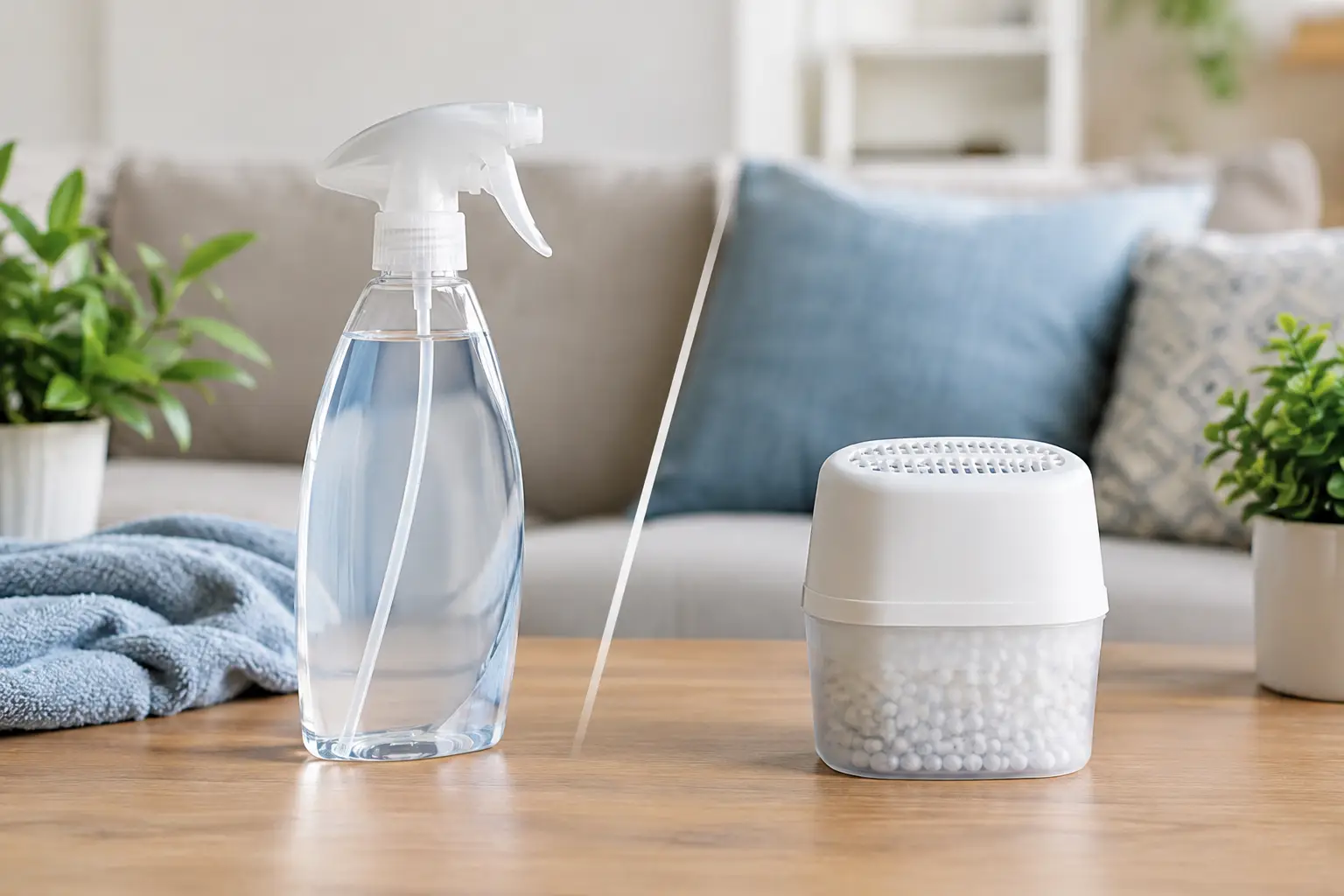
A fabric spray and an odor absorber can both help a room smell less cursed, but they work in very different ways. One is usually an active, targeted treatment. The other is typically a passive cleanup crew. Use the wrong tool, and you may spend days waiting for a little tub of charcoal to handle a sneaker that needs immediate spiritual intervention.
Fabric Spray Versus Odor Absorber: The Core Difference
Fabric spray is applied directly to a surface, usually upholstery, bedding, carpets, curtains, clothes, shoes, and other soft materials that hang onto smells for dear unholy life. Depending on the formula, it may cover odor with fragrance, neutralize odor molecules, or do a bit of both. The best sprays are designed to address the smell at its source instead of simply tossing a floral sheet over the crime scene.
Odor absorbers sit nearby and pull odors from the surrounding air over time. Think activated charcoal bags, baking soda boxes, odor-absorbing gels, or mineral-based tubs. They are often useful in enclosed spaces such as closets, refrigerators, gym lockers, cars, bathrooms, and cabinets. No spraying required. No immediate drama, either.
That difference matters because the odor usually lives somewhere specific. If your couch smells like wet fur, the couch is the problem. If a coat closet gets stale because it stays closed all week, the air inside the closet is part of the problem.
When a Fabric Spray Is the Better Weapon
Reach for a fabric spray when the odor is attached to something you can identify and treat directly. A spritz on the dog bed, mattress, throw pillows, area rug, or favorite jacket gets the product where the funk actually resides.
This is especially helpful for odors that need a quick response. Guests are coming. Your teenager left soccer cleats by the door. The upholstery absorbed the aftermath of movie night. You do not have time to place an odor absorber in the room and hope it develops supernatural powers by dinner.
A well-made odor-eliminating fabric spray also has range. It can be useful on soft surfaces and, when the label allows, hard household surfaces such as plastic, sealed wood, or trash-can lids. That makes it a practical choice for busy homes where smells move freely between the entryway, couch, laundry basket, and whatever mysterious dimension exists inside the family car.
The catch: not every fabric spray eliminates odors
Some sprays are mainly perfume delivery systems in a trench coat. They may make a room smell like lavender, fresh linen, or “coastal fantasy” for a while, but the underlying odor can reappear the moment the fragrance fades.
Read the label and pay attention to the product’s purpose. If you want actual odor control, look for language about neutralizing or eliminating odors rather than only freshening or scenting. For ingredient-conscious households, it also makes sense to avoid formulas that rely on a heavy cloud of synthetic fragrance to bully your nose into submission.
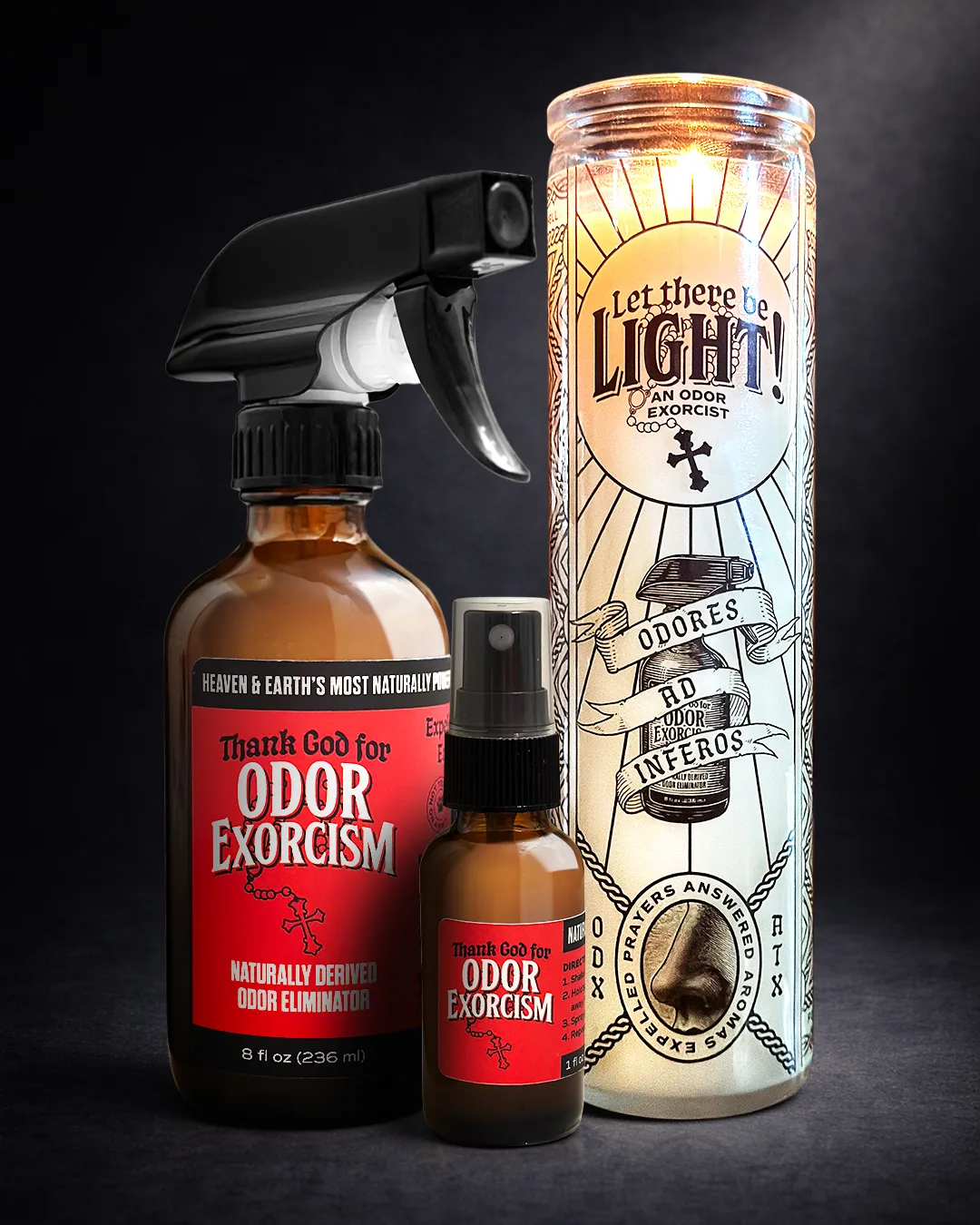
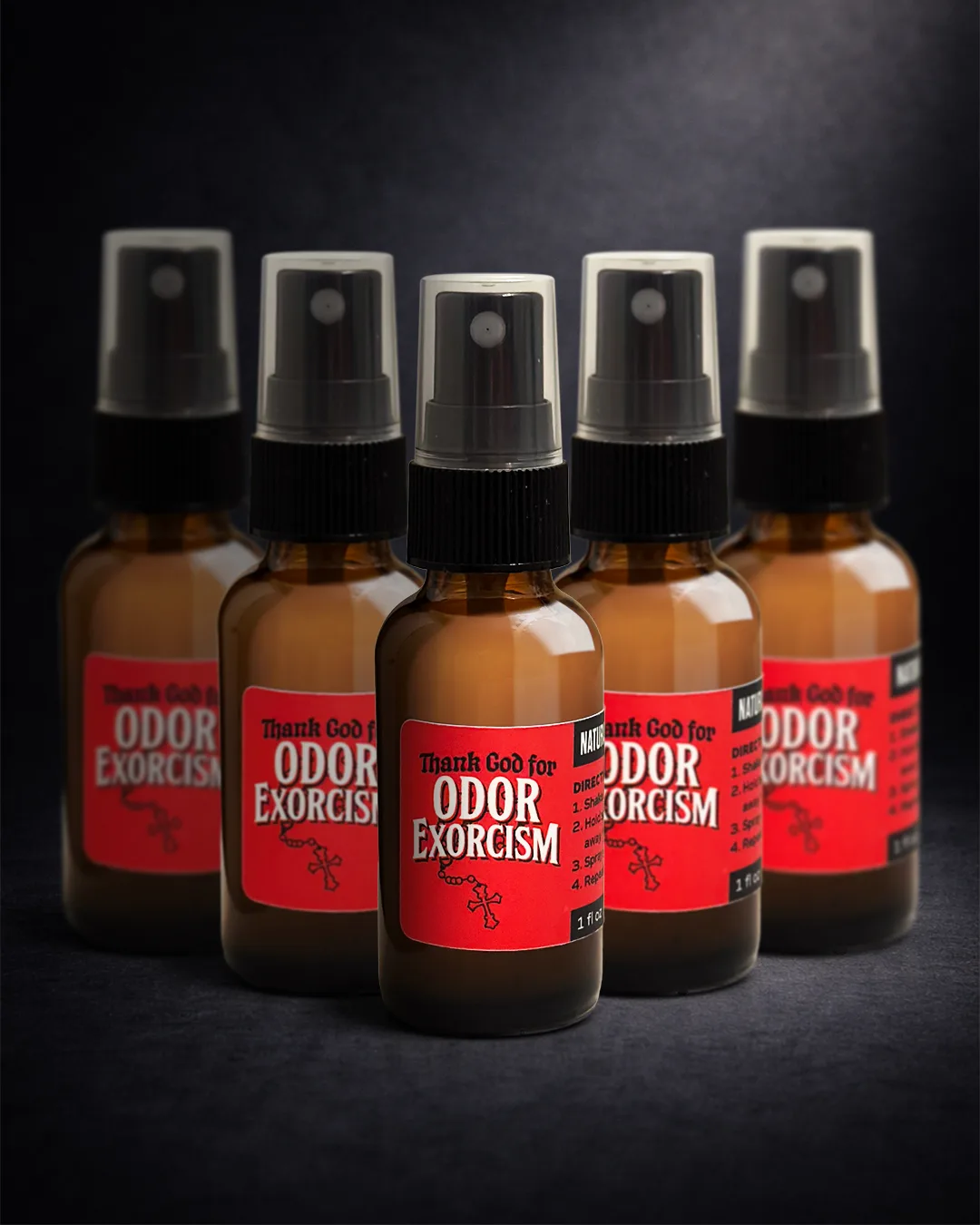
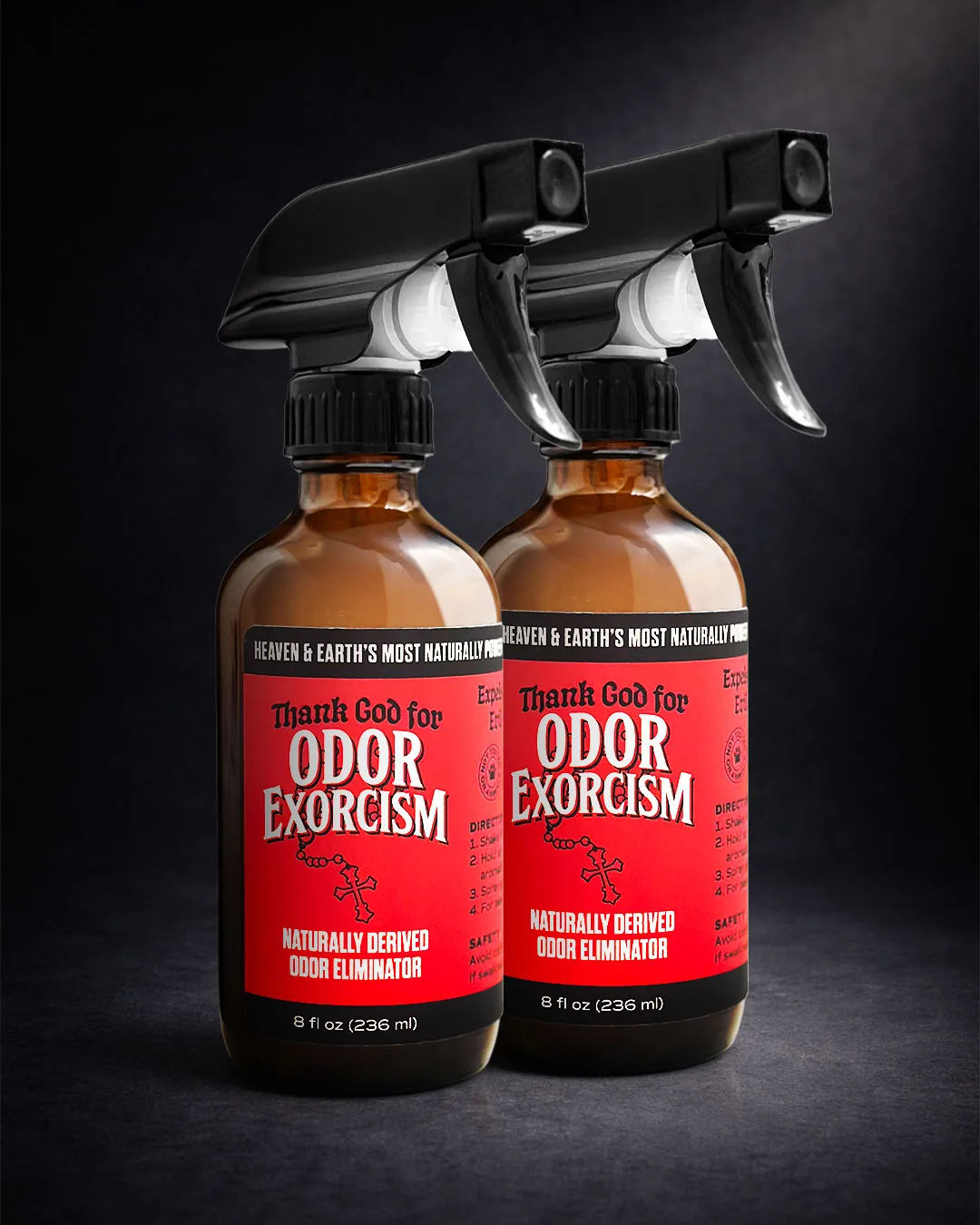
Naturally derived, essential-oil-based options such as Odor Exorcism are built for people who want to treat everyday smells without turning their living room into a perfume counter. The scent should be the victory lap, not the whole battle plan.
When an Odor Absorber Makes More Sense
Odor absorbers earn their keep in small, closed, or low-traffic spaces where odors build gradually. Put one in a closet, pantry, bathroom, shoe cabinet, RV, gym bag compartment, or under-sink cabinet, and let it quietly work while nobody is looking.
They are also useful as prevention. A charcoal bag in a closet can help manage that stale, shut-in smell before it seeps into sweaters. Baking soda in the refrigerator can help with everyday food odors. A gel absorber in a rarely used guest bathroom may keep the air from acquiring that peculiar “nobody has opened this door since spring” aroma.
The trade-off is speed. An absorber does not usually deliver the immediate before-and-after effect of treating a smelly surface directly. It needs air circulation and time. It may reduce ambient odor, but it cannot wash pet oils out of a blanket, remove spoiled food from a garbage can, or undo the fact that damp towels have been fermenting in a hamper.
Absorbers are helpers, not housekeepers
An odor absorber works best after basic cleaning, not instead of it. If there is mildew, pet urine, food residue, smoke buildup, or a leak, deal with the source first. Otherwise, you are asking a modest pouch of charcoal to perform an exorcism on a full-scale plumbing disaster.
Replace or refresh absorbers according to their directions. Some charcoal products can be set in sunlight to refresh. Others, especially gels and baking soda, eventually need to be tossed. Once they are spent, they are just decorative witnesses to your odor problem.
The Best Choice Depends on Where the Smell Lives
For fabric-bound odors, choose a spray. For stale air in an enclosed space, choose an absorber. For a home with pets, kids, cooking, workouts, and actual human existence, use both strategically.
A simple way to think about it: spray treats the surface; an absorber supports the space. Spray the upholstered chair after the dog claims it as a throne. Keep an absorber near the shoe rack so the surrounding area does not become a biohazard zone. Treat bedding after illness, sweaty sleep, or a late-night snack incident, then use an absorber in the linen closet to keep stored textiles from going stale.
Smoke is another situation where pairing tools can help. Wash or clean affected textiles when possible, treat surfaces with a suitable odor-eliminating spray, ventilate the room, and use an absorber in the enclosed area afterward. One product alone may not be enough if the smell has settled into fabrics, walls, and the air.
What to Look for Before You Buy
For a fabric spray, start with surface compatibility. Check whether it is intended for upholstery, carpets, bedding, clothing, or shoes, and test a hidden area first if the fabric is delicate or color-sensitive. You want odor relief, not a pale blotch that looks like a ghost tried to sit down.
Next, consider the ingredient philosophy. If harsh or fragrance-heavy products give you a headache or simply offend your standards, choose a formula that is transparent about what it uses and avoids. The smell of “clean” should not require holding your breath.
For an odor absorber, consider the size of the space and the maintenance involved. A tiny charcoal pouch may be fine for a gym bag but underpowered for a large, damp basement. A tub designed for a closet may not belong in a home with curious pets or toddlers who treat every object as a potential snack.
Neither category is magic. A fabric spray cannot replace laundering, deep cleaning, or repairing water damage. An odor absorber cannot neutralize a problem it cannot reach. But used with a little common sense, they can keep routine smells from becoming permanent residents.
The helpful move is to diagnose before you deodorize. Find the source, clean what needs cleaning, treat the fabric when the funk has taken root, and let an absorber stand guard in the places where stale air likes to plot its return. Your home may still have character. It just does not need to smell possessed.