Essential oil room spray review: worth it?
Evangelize


May 29, 2026
That first blast from a room spray tells you almost everything. If your eyes water, the fragrance punches you in the throat, and the dog leaves the room in protest, you are probably not dealing with clean freshness. You are dealing with a scented smokescreen. This essential oil room spray review is for anyone tired of perfume fog pretending to be odor control.
The category sounds wholesome enough. Put “essential oil” on the label and suddenly every spray looks like it belongs in a wellness drawer next to your linen robe and moral superiority. But some of these products are genuinely useful, while others are just conventional air fresheners wearing a crunchy little disguise. If you want a room spray that actually earns counter space, the details matter.
What an essential oil room spray review should actually judge
A real review should not stop at “smells nice.” That is how people end up paying premium prices for a bottle of botanical theater. The better question is whether the spray handles odors, how long the scent hangs around, what ingredients create that effect, and whether it works in actual homes with actual problems like pet funk, shoe stench, stale upholstery, or that suspicious guest-room mustiness.
Scent quality matters, of course. Essential-oil-based sprays usually smell more grounded and less aggressively sweet than synthetic fragrance-heavy options. You tend to get sharper citrus, greener herbs, cleaner woods, and florals that smell like plants instead of candy. But natural scent is not automatically a win. Some sprays are too oily, too medicinal, or too faint to justify the price. Others smell lovely for 20 seconds and then vanish like a ghost with rent due.
Performance matters more. There are two broad camps here – sprays that mask odor and sprays that try to neutralize it. Masking means layering a stronger scent on top of the bad one and hoping nobody notices the crime scene underneath. Neutralizing means actually targeting the odor so the room smells cleaner, not just louder. If a room spray claims to be ingredient-conscious and home-friendly, it should aim for the second job.
Essential oil room spray review: the good, the bad, the heavily perfumed
The best essential oil room sprays feel clean without feeling weak. They freshen the air, but they also help with fabric-heavy spaces where odor likes to haunt the premises – couches, curtains, bedding, rugs, closets, gym bags. These formulas tend to appeal to ingredient-aware shoppers because they skip the overbuilt department-store scent cloud and go for something more breathable.
That said, the label can be sneaky. “Made with essential oils” is not the same as “primarily scented with essential oils.” Some sprays use a little essential oil for marketing halo and then pad the formula with synthetic fragrance. For shoppers trying to avoid that chemical-candle-shop effect, this is where label reading becomes less hobby and more survival skill.
You also want to watch how the spray behaves on surfaces. A room spray that is marketed for air only is one thing. A multi-use spray that can be used around soft furnishings, bedding, shoes, or upholstery is far more practical, but only if it does not stain, leave residue, or cling with an overpowering scent. This is especially relevant for pet owners, parents, and renters who need one bottle to handle a whole rotation of domestic sins.
What to look for before you buy
Start with ingredients, not branding. If the front of the bottle whispers “botanical serenity” but the back reads like a chemistry midterm, take the hint. Many shoppers looking for essential oil room sprays are trying to reduce exposure to harsh synthetic fragrance, especially in smaller homes, apartments, or kids’ spaces. A shorter, clearer ingredient list usually inspires more trust than vague fragrance language.
Then consider the scent profile. Citrus and eucalyptus blends tend to read as cleaner and brighter, which works well in kitchens, bathrooms, and entryways. Lavender, cedar, and softer herbal blends are better for bedrooms and fabrics. If you want one spray for the whole home, balance matters. You need something fresh enough for odor control but calm enough that it does not smell like a spa exploded in your hallway.
Spray mechanism matters too, and it gets ignored. A fine mist distributes more evenly and feels lighter in the air. A heavy, wet blast can spot fabrics and make the whole experience feel cheap. If you are using a product on furniture, bedding, or car interiors, the nozzle should behave like a civilized adult, not a super soaker.
Where essential oil room sprays really shine
These sprays are at their best in spaces that need quick intervention without a whole production. Think bathroom refreshes before guests arrive, post-cooking air rescue, pet bed touch-ups, closet revivals, and fabric refreshes between washes. They are also useful in homes where plug-ins and heavily scented candles feel like too much commitment.
For people sensitive to overpowering fragrance, a good essential-oil-based spray can feel like a middle path. You get freshness and odor support without turning your living room into a migraine audition. That is part of the appeal. You are not trying to fumigate the place. You are trying to make it smell like a clean home occupied by humans, not a fake meadow generated in a lab.
There is also the emotional side of it. Scent changes how a room feels, and people know that even if they do not say it out loud. A fresher bedroom feels more restful. A less funky couch feels less gross. A revived guest room feels intentional instead of abandoned. This is not magic. It is atmosphere with practical benefits.
Where they fall short
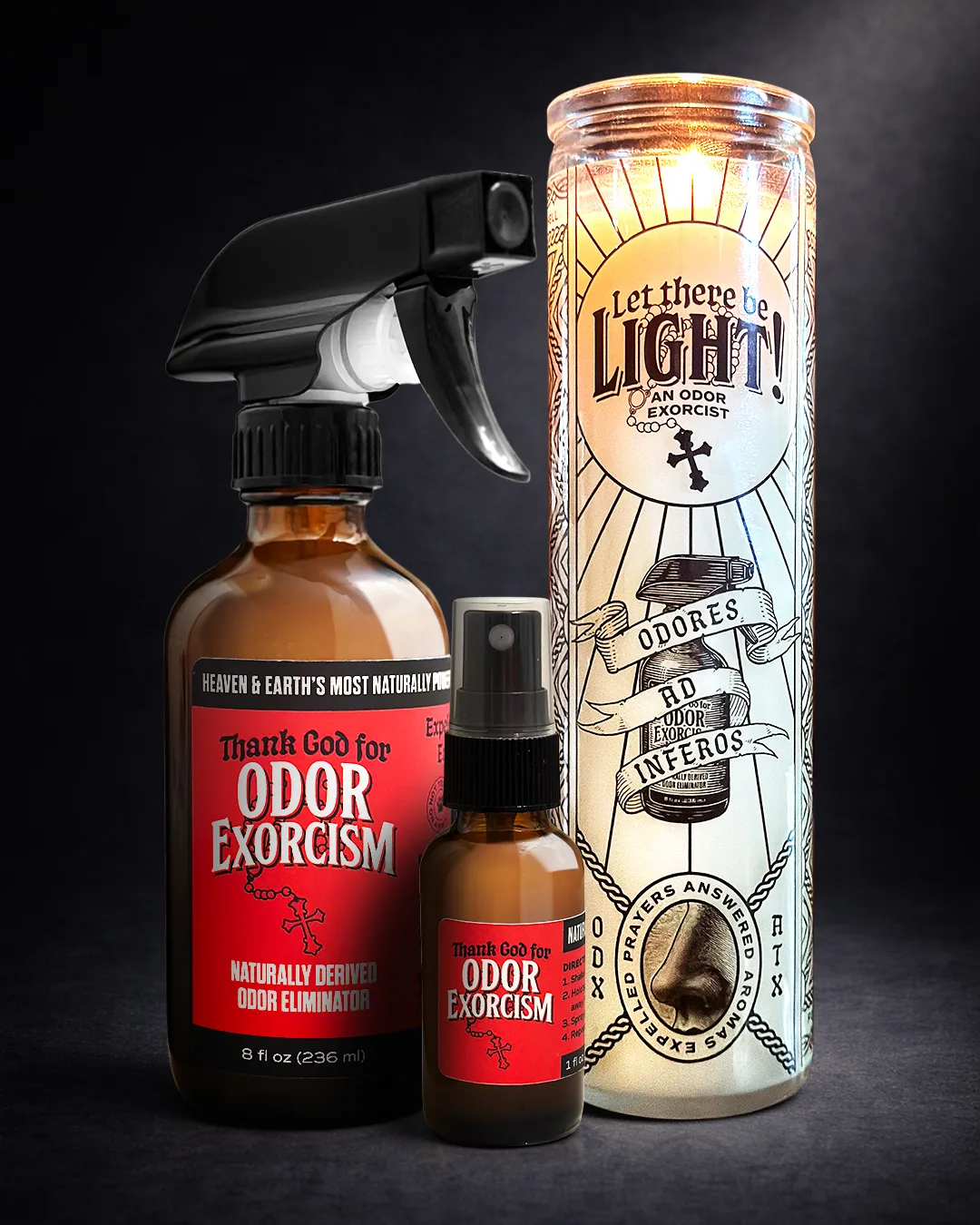
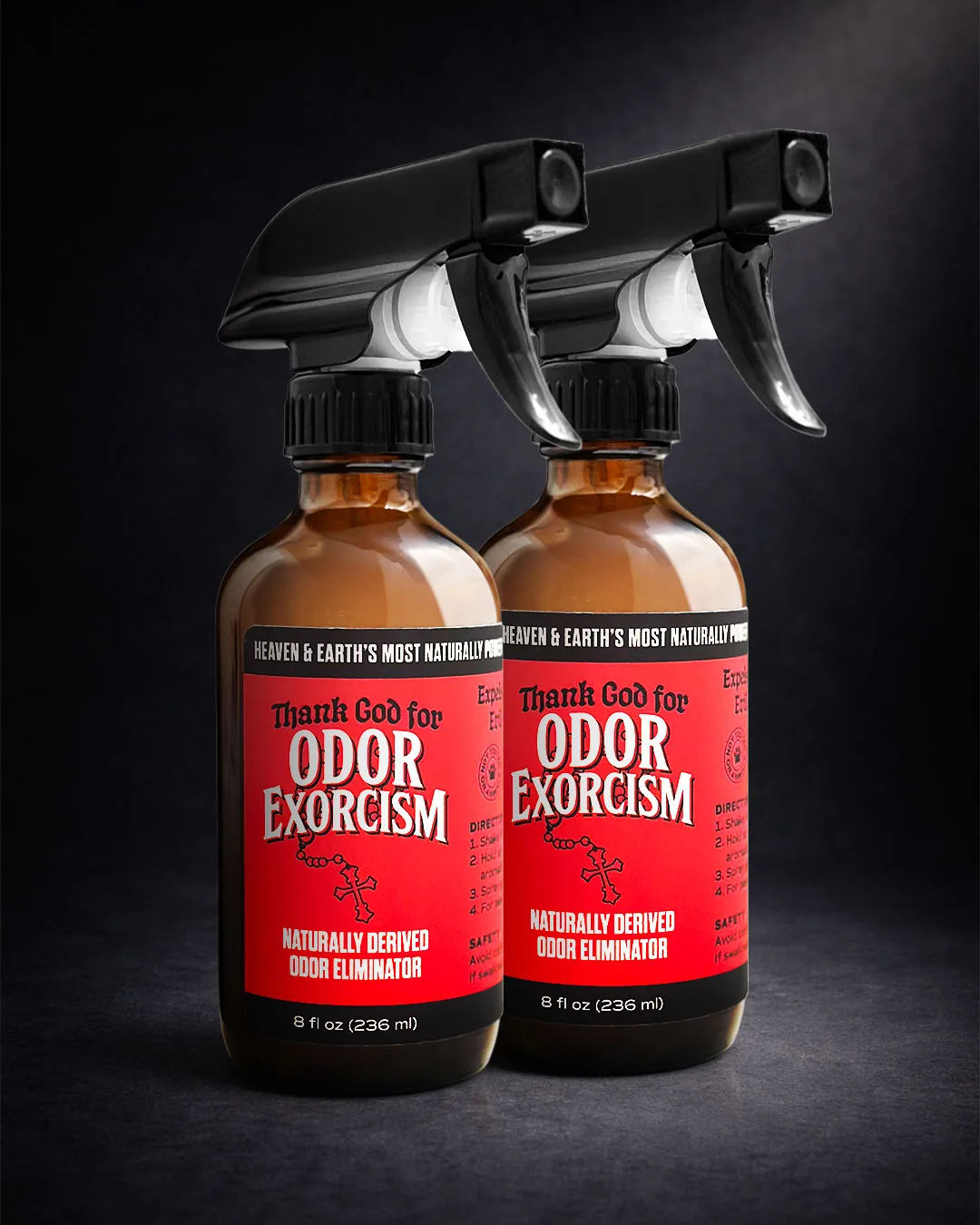
Natural-leaning room sprays do have trade-offs. If you are used to giant synthetic scent projection that lingers for a full day, some essential oil formulas may seem softer. That is not always a flaw. Sometimes it is the price of not smelling like a chemical parade float. But if your main goal is a huge, long-lasting fragrance presence, you may prefer something stronger than Odor Exorcism’s natural odor eliminator spray.
They can also struggle if the underlying odor problem is severe. If mildew, smoke, litter-box buildup, or old fabric funk has fully taken possession of a room, no spray is going to perform a cinematic exorcism in one pass. You may need cleaning, ventilation, laundering, or targeted odor elimination on surfaces before any room spray can do its best work.
Cost can be another sticking point. Essential-oil-based products often cost more than mass-market air fresheners, and shoppers notice. Whether that premium feels justified depends on the formula, scent quality, versatility, and whether it actually neutralizes odor rather than just decorating it.
How essential oil room sprays compare to conventional air fresheners
This is where the whole category either earns respect or gets dragged. Conventional air fresheners are often built to dominate the room instantly. They are loud, obvious, and designed to register as “clean” because the fragrance is impossible to ignore. For some people, that works. For others, it feels like getting mugged by fake linen.
An essential-oil-based spray is usually a better fit if you care about ingredients, prefer a more natural scent profile, or want a product that feels less hostile in shared spaces. The trade-off is that you need to be realistic. Not every natural spray has serious odor-fighting power. The good ones combine cleaner scent design with actual performance. The lazy ones just smell expensive and disappear.
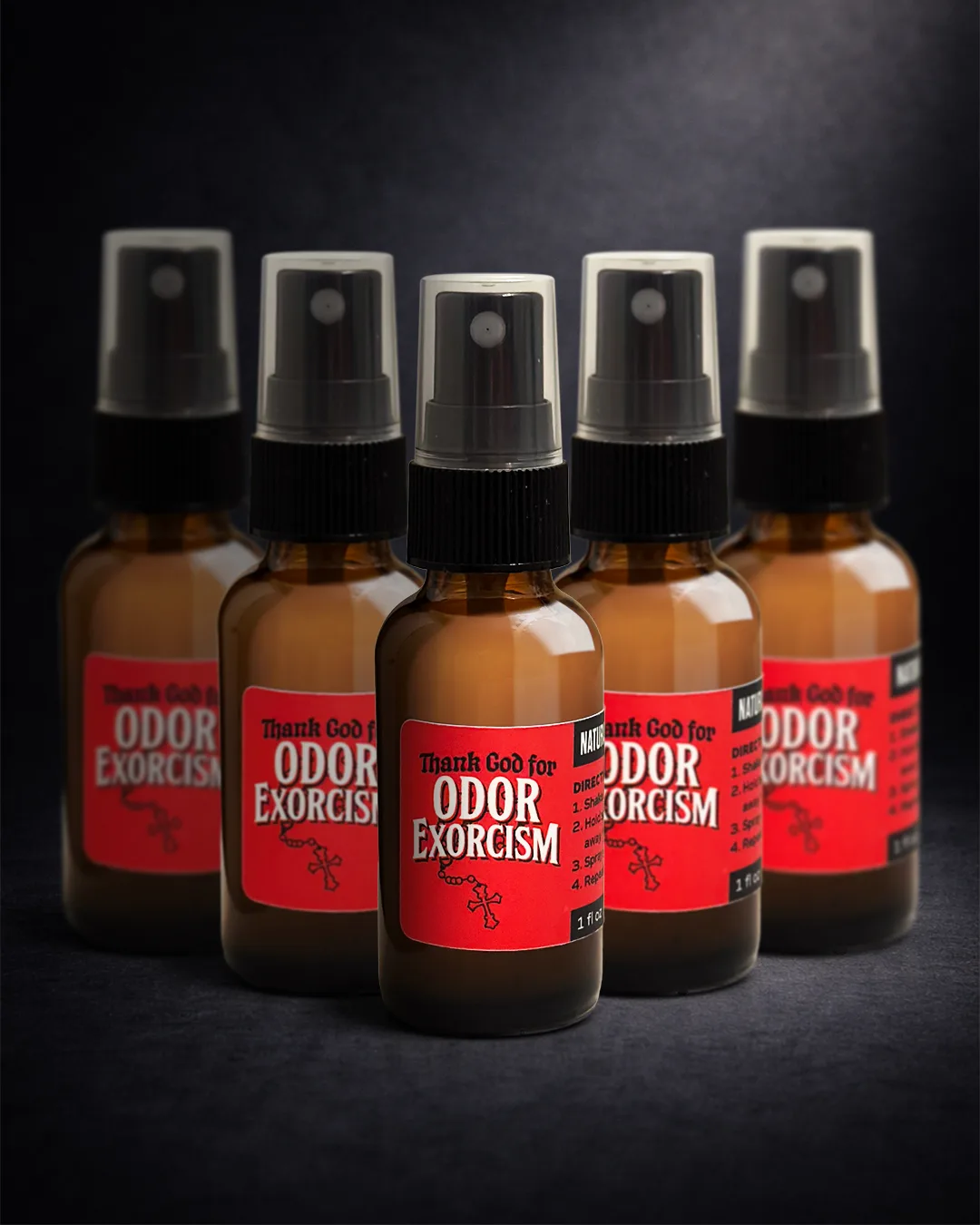
That distinction is where brands with a true odor-elimination focus stand out. One well-made spray can handle air, fabrics, and those weird household corners where smells go to practice witchcraft. Odor Exorcism, for example, leans into the drama but backs it up with a practical promise – tackle stink at the source instead of blessing it with more fragrance and hoping for the best.
So, are they worth it?
If your goal is cleaner-smelling space without the usual synthetic ambush, yes – a good essential oil room spray is absolutely worth it. But “good” is doing a lot of work there. You want a formula that smells natural, sprays evenly, behaves on surfaces, and does more than throw a floral curtain over household funk.
If your goal is maximum scent throw at minimum cost, you may be happier with conventional options, even if they smell more artificial. If your goal is odor control with ingredient awareness and a less fake finish, essential-oil-based sprays are often the smarter buy.
The best test is brutally simple: after the scent settles, does the room smell cleaner or just more crowded? Buy the bottle that clears the air instead of performing fragrance necromancy, and your home will feel fresher without all the chemical theatrics.