Can Room Spray Remove Bad Smells for Good?
Evangelize


November 22, 2026
That suspicious funk on the couch is not going to vanish because you gave the room one heroic blast of lavender fog. So, can room spray remove bad smells? Sometimes. But the answer depends entirely on whether the spray is built to neutralize odor or merely dress it up in a floral disguise.
That distinction matters when you are dealing with pet bedding, damp towels, gym shoes, a trash can with a personal vendetta, or the mysterious scent lingering in a teenage bedroom. A conventional air freshener can make the room smell like artificial ocean breeze mixed with whatever demon was already living there. An odor-eliminating room spray is meant to deal with the source of the stench itself.
Can Room Spray Remove Bad Smells, or Just Mask Them?
Most room sprays fall into one of two camps: fragrance-first sprays and odor-neutralizing sprays. Fragrance-first sprays add a stronger smell over the existing one. They may make a room feel fresher for a while, but they do not necessarily change the odor molecules causing the problem. When the perfume fades, the old funk may rise from the grave.
An odor-neutralizing spray works differently. Depending on its ingredients and formula, it can bind to, absorb, or alter odor-causing compounds so they are less noticeable. That is why a true odor eliminator can be useful on the places where smells actually hang out: upholstery, carpets, bedding, curtains, shoes, clothing, plastic bins, and other porous surfaces.
The catch? No spray can perform a full exorcism on an active odor source that has not been cleaned. If last night’s takeout container is still under the sofa, the issue is not spiritual. It is sanitation. Toss the container, clean the spill, empty the trash, and then use a quality odor-neutralizing spray on the lingering smell.
Why Bad Smells Refuse to Leave
Odors are not just floating clouds of grossness. Many cling to fibers and surfaces. Cooking oils settle into curtains. Pet odor sinks into blankets and rug padding. Mildew feeds on moisture in towels, bathrooms, and laundry. Smoke particles can lodge in fabric, wood, and upholstery like tiny, rude houseguests who never got the hint.
That is why spraying only into the center of the room often has limited results. It treats the air for a moment, not the surfaces holding the odor hostage. For a better result, identify where the smell is strongest and treat that area directly, provided the product label says it is safe for that surface.
Soft surfaces tend to be the biggest repeat offenders because they trap odor particles. Your decorative throw pillows may be charming, but after months of dog naps, popcorn nights, and sweaty movie marathons, they can carry an entire backstory. Hard surfaces matter too, especially plastic trash cans, shoe racks, bathroom bins, and wood furniture near pets or food.
How to Use Room Spray So It Actually Helps
First, remove or clean the obvious source whenever you can. Wash the dog blanket. Dry the damp bath mat. Clean the garbage can. Launder the hoodie that has been living on the floor since Tuesday. Odor spray is powerful backup, not a legal loophole for avoiding chores forever.
Next, test the spray in a hidden spot before using it generously on delicate upholstery, wood, or colored fabrics. This is a small, unglamorous step that can save you from a much larger and more dramatic problem later.
Then spray the affected surface lightly and evenly rather than saturating it. Let it air dry. If the odor is deeply embedded, you may need a second treatment after the surface dries. Heavy odors, especially urine, smoke, mildew, and old food spills, often require both cleaning and targeted odor treatment.
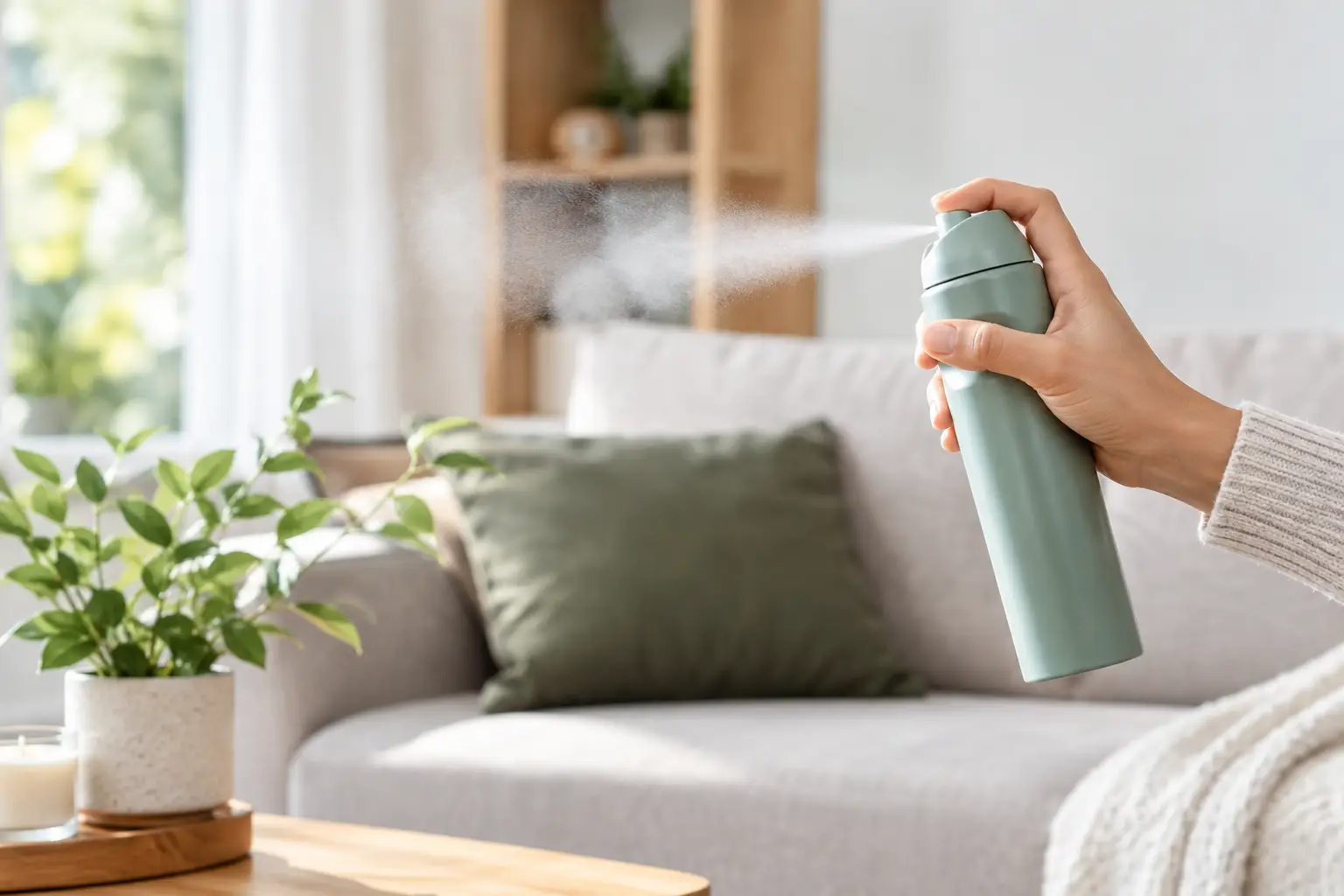
For stale room air, spray lightly into the air after dealing with the source. Think of it as the final blessing, not the whole ceremony. A room that is clean, ventilated, and treated at the source will smell better for longer than one that has simply been carpet-bombed with synthetic fragrance.
The Problem With Smell-On-Smell Air Fresheners
There is nothing wrong with wanting your home to smell pleasant. The trouble begins when a product’s only plan is to overpower bad smells with an even louder fragrance. That can create a weird scent cocktail: vanilla cupcake, wet dog, and industrial cleaner, all fighting for custody of your nostrils.
For ingredient-aware households, synthetic fragrance can be another concern. Some people find heavily perfumed products irritating, headache-inducing, or simply unbearable in small spaces. Renters, parents, pet owners, and anyone sharing close quarters know that a scent does not have to be objectively bad to be too much.
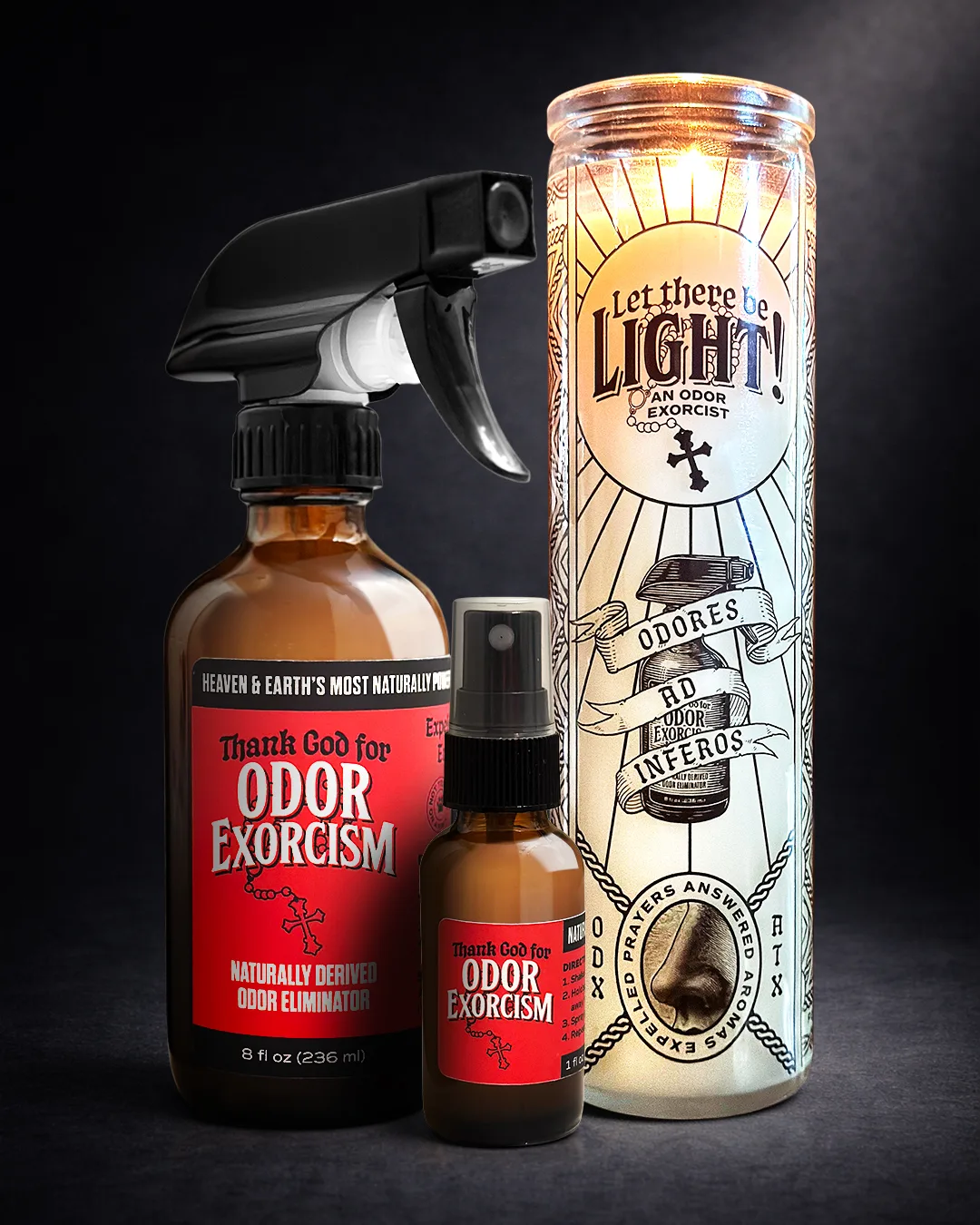
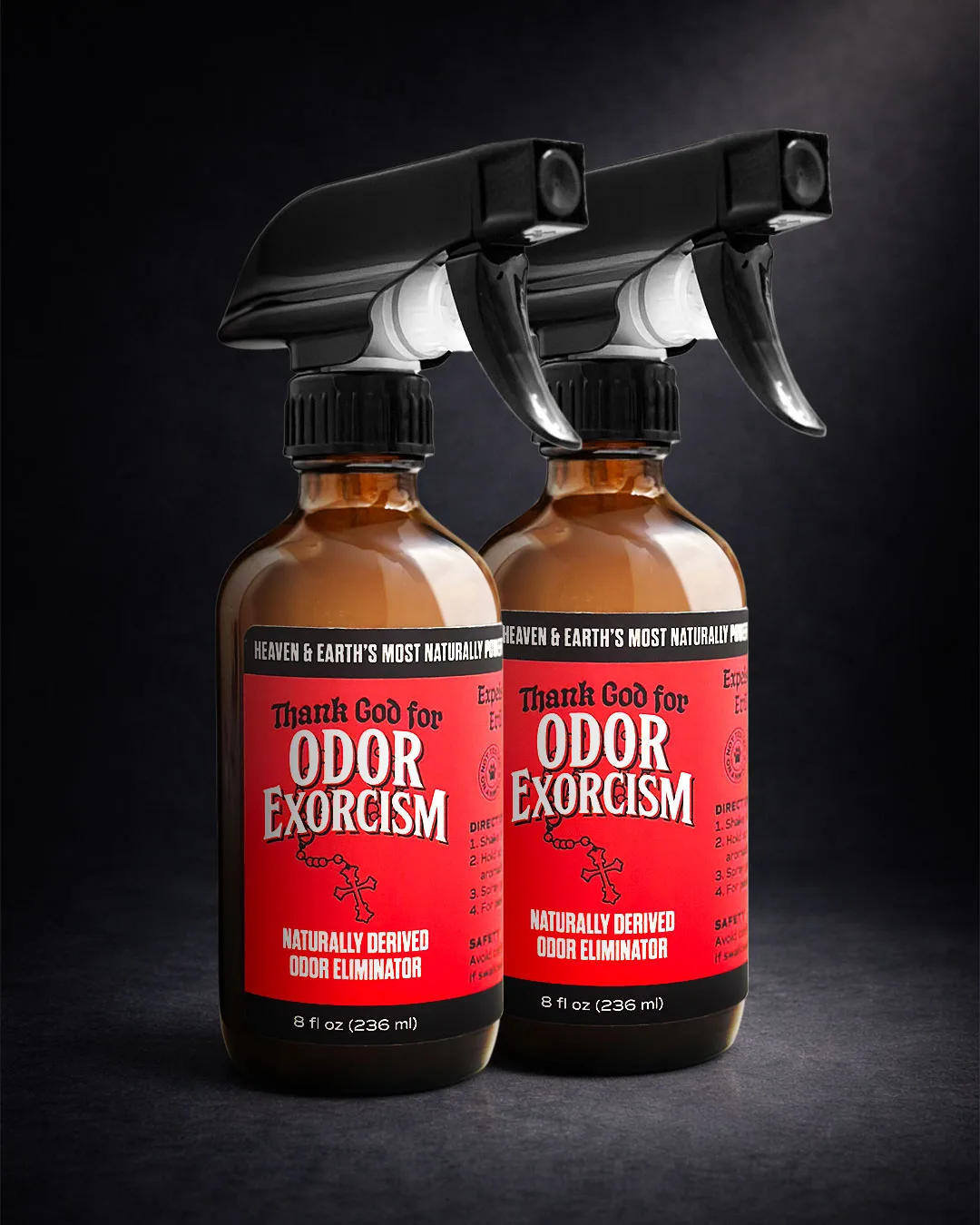
A naturally derived, essential-oil-based odor eliminator offers a different approach. The goal is to neutralize the nasty odor first, then leave behind a lighter, cleaner scent experience rather than a chemical fog bank. Odor Exorcism was made for exactly this sort of domestic possession: everyday household smells that need to go, not get buried beneath a fake tropical storm.
When Room Spray Is Not Enough
There are times when the stink is waving a red flag. If you smell persistent mildew, sewage, gas, burning, or a strong chemical odor, do not keep spraying and hoping for divine intervention. Investigate the cause. A plumbing leak, mold issue, appliance problem, or gas-related smell needs professional attention, not another spritz.
The same goes for recurring pet accidents. A surface spray can help with residual odor, but repeated accidents may require an enzyme cleaner, deep cleaning, replacement of affected padding, or a conversation with a veterinarian. If the smell keeps returning from the same spot, something beneath the surface is probably still feeding it.
Smoke odor can also be stubborn. Fresh smoke in a room may respond well to ventilation and odor treatment, but long-term cigarette or fire damage may be embedded in walls, ceilings, HVAC systems, carpets, and furniture. That is a bigger beast than a room spray should be expected to slay alone.
A Better Standard for a Fresh-Smelling Home
A home does not need to smell like an aggressively scented department store to feel clean. In fact, the best kind of fresh is often quieter: no stale laundry, no pet funk, no sour couch cushions, no suspicious bathroom haze. Just air that feels like it belongs to people who have their lives mostly together.
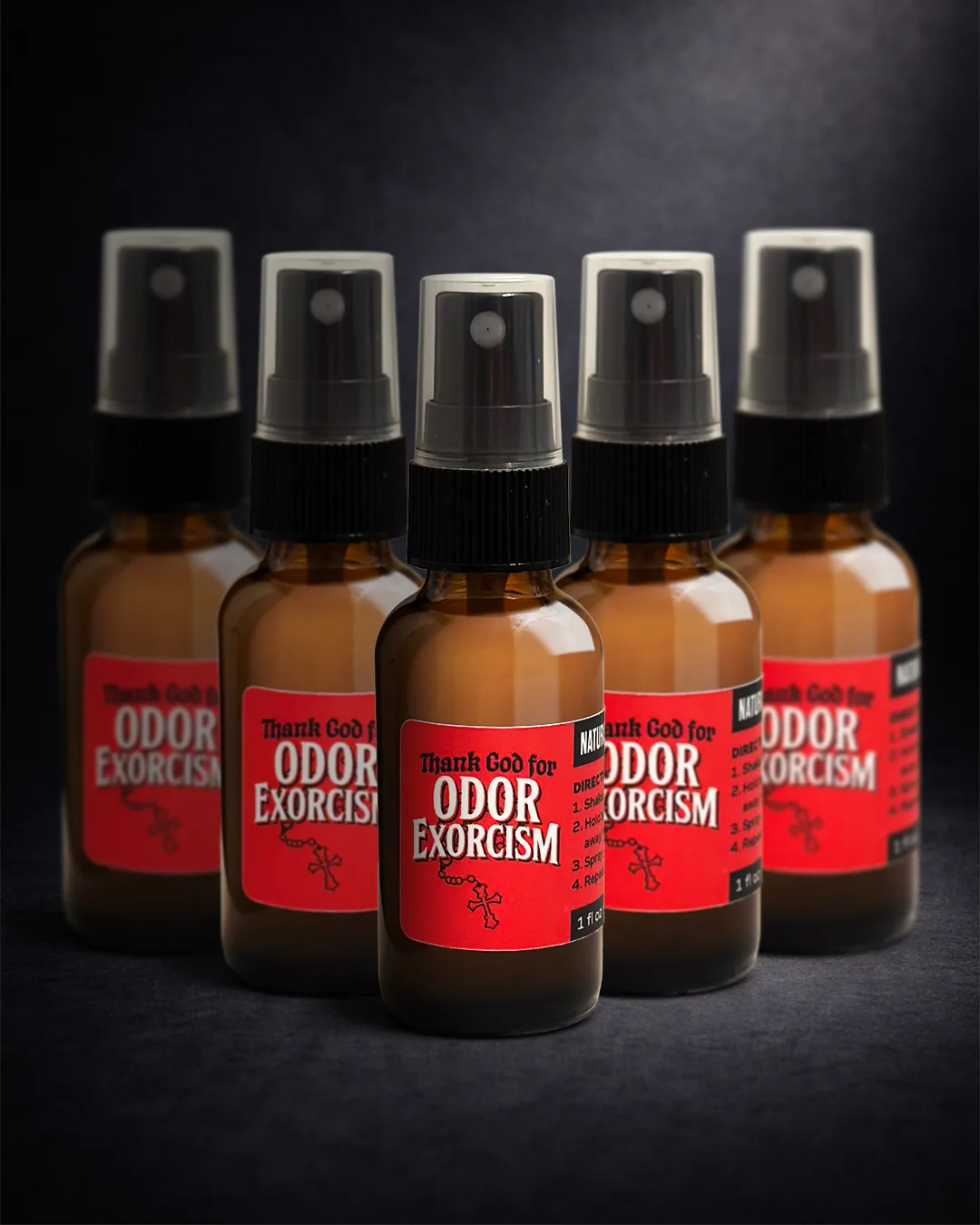
Use room spray as part of a realistic odor routine. Clean the source, ventilate when you can, wash odor-trapping fabrics regularly, and treat surfaces with an odor neutralizer when smells start creeping back. Keep a travel-size spray in the car, gym bag, dorm room, or office drawer for the smaller daily hauntings.
The goal is not to perfume every corner of your life into submission. It is to send bad smells where they belong: out of your home, out of your fabrics, and straight back to the sulfurous pit they crawled out of.