7 Best Odor Removers for Kitchens, Ranked
Evangelize


November 26, 2026
A kitchen can look spotless and still smell like it has been hosting a low-budget demon convention. That mysterious funk is rarely one thing. It is usually a greasy stovetop, a damp sponge, a trash can with ambitions, and a refrigerator quietly fermenting something unholy in the back. The best odor removers for kitchens do not just flood the room with fake lemon fog. They find the source, neutralize the stink, and send it back to the sulfurous pit from whence it came.
Kitchen odor control works best when you match the remover to the mess. A spray that handles greasy cabinet fronts is not necessarily the hero your garbage disposal needs. Here is what actually earns counter space.
The Best Odor Removers for Kitchens
1. A natural odor-eliminating spray for surfaces and fabrics
For everyday kitchen odors, a high-quality odor-eliminating spray is the closest thing to an exorcist in a bottle. Use it on trash can lids, cabinet faces, dining chairs, curtains, washable rugs, and the upholstered barstools that have survived three years of snack-related incidents.
The key word is eliminating. Many conventional air fresheners rely on heavy synthetic fragrance to cover the smell temporarily. That can turn old onion, trash juice, and perfume into a new scent category called “regret.” Look for a naturally derived spray designed to neutralize odors on contact instead of simply masking them.
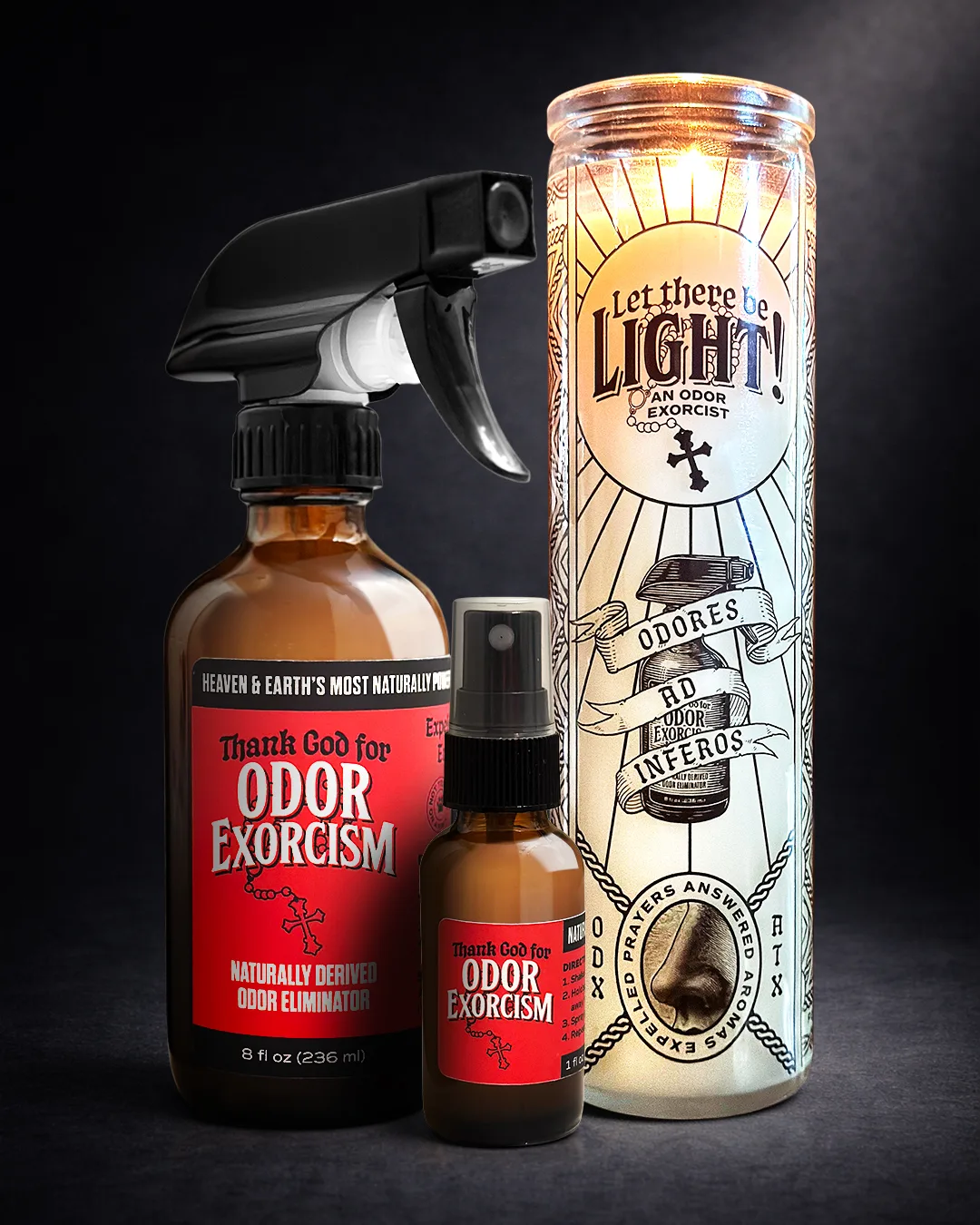
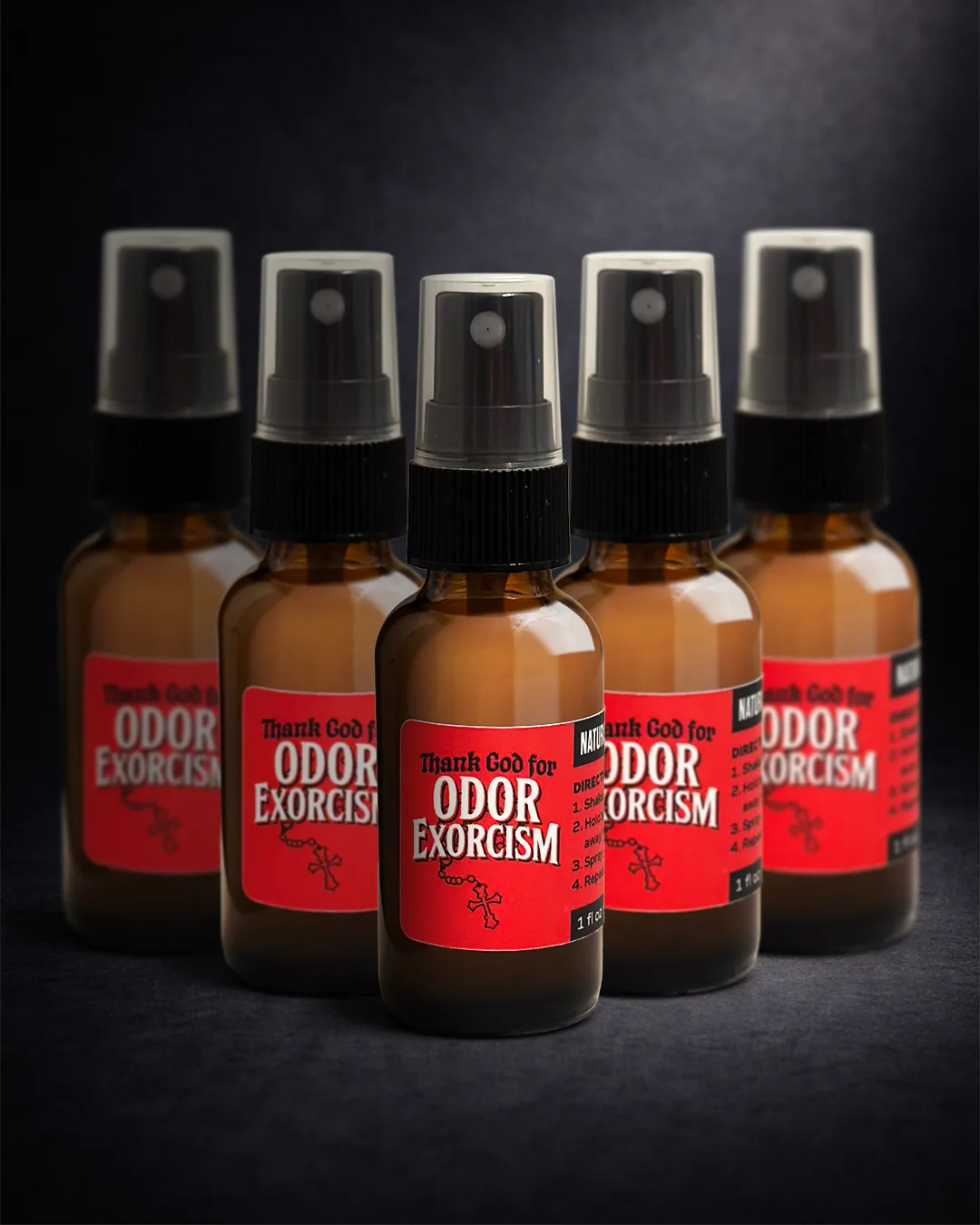
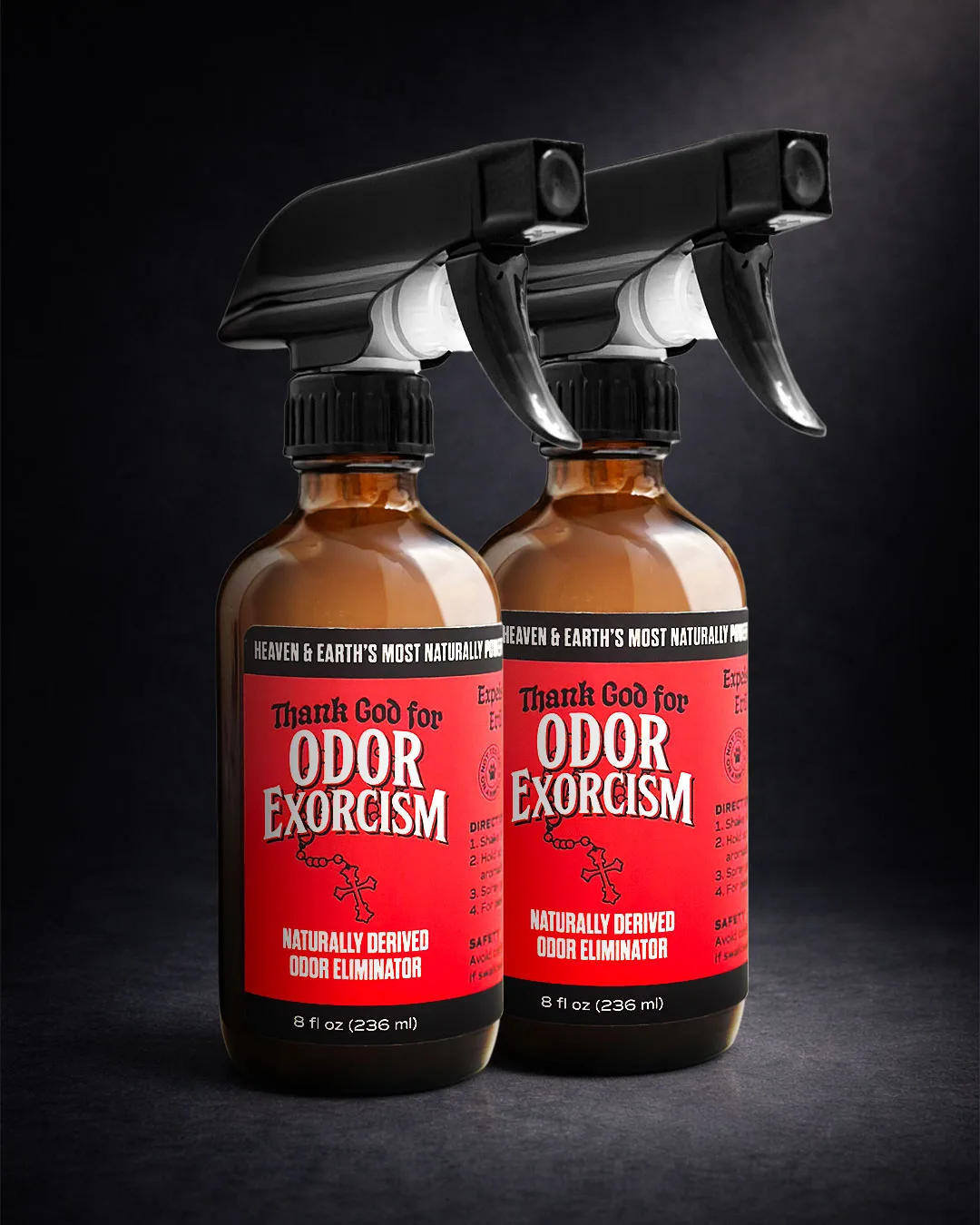
Odor Exorcism is made for this kind of domestic haunting. Its essential-oil-based formula is designed for soft and hard surfaces, so you can treat the places where kitchen smells cling rather than merely spraying the air and hoping for divine intervention. As with any cleaner or spray, test an inconspicuous area first, especially on delicate finishes and fabrics.
2. Baking soda for the refrigerator and dry odor zones
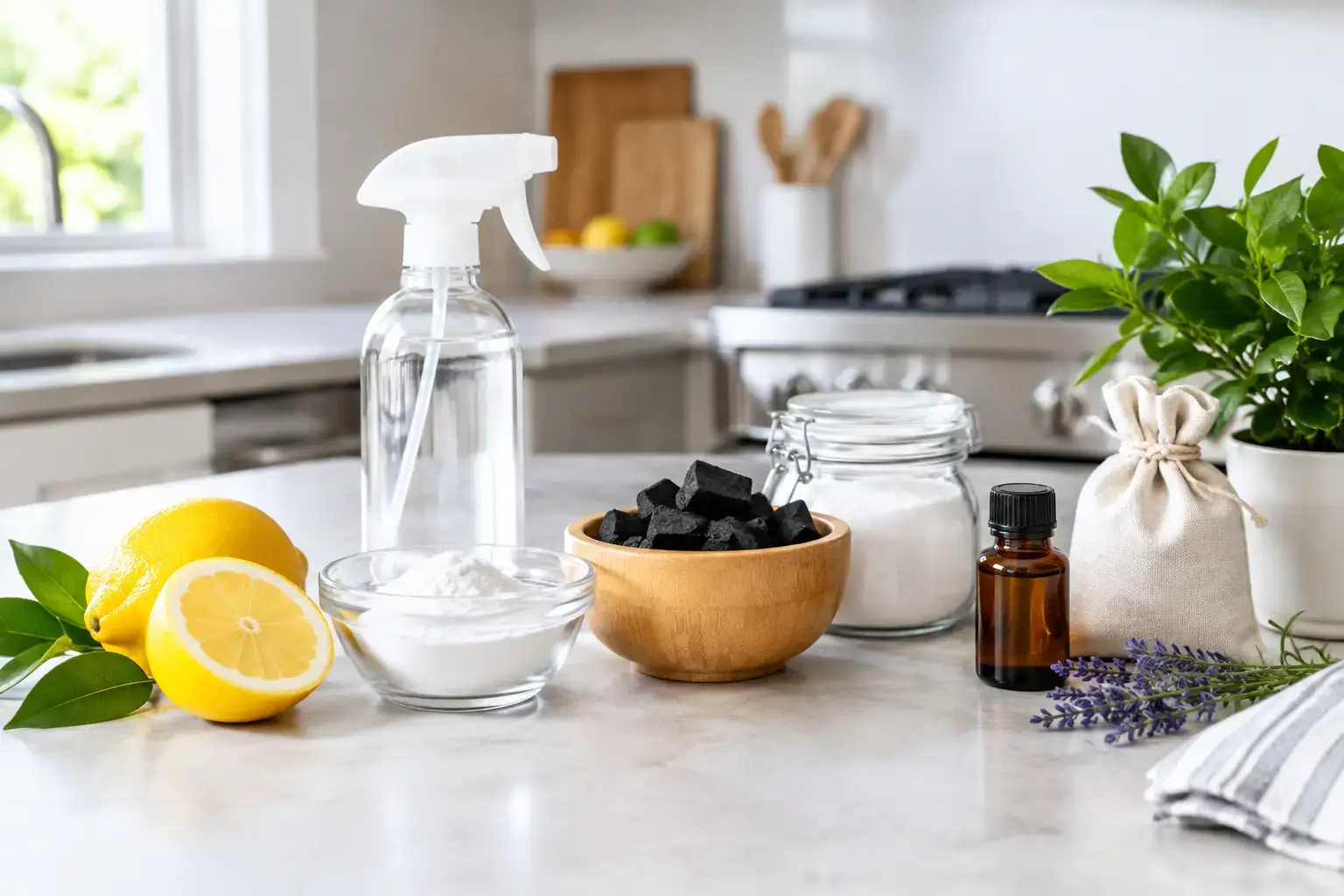
Baking soda remains a kitchen classic because it is cheap, simple, and useful in enclosed spaces. Place an open box in the fridge, freezer, pantry, or near a dry trash area to help absorb lingering odors over time. It is especially handy when a refrigerator smells vaguely like leftovers but you cannot immediately identify the culprit.
That said, baking soda is not a miracle worker. It cannot clean away a sticky spill, remove spoiled food, or fix a refrigerator drip pan that has become a microbial monastery. Replace it regularly, and treat it as backup after cleaning the source. If the smell is intense, empty the fridge, inspect old produce and open containers, then wipe shelves and drawers before adding a fresh box.
3. Enzyme cleaner for food spills and garbage-can grime
Enzyme cleaners are excellent when the odor comes from organic matter: leaked meat packaging, milk spills, pet food, produce rot, or whatever escaped beneath the trash bag and began a new civilization. These formulas use enzymes to break down the organic material feeding the odor.
They are particularly useful for the inside of trash cans, recycling bins, and floor seams around the garbage area. Follow the label directions closely, because enzyme products often need a little dwell time to do their work. Wiping them away instantly is like interrupting the exorcism halfway through the Latin.
Enzymes are not always necessary for light, everyday odors, and they may not be the best fit for every surface. But for a deeply funky bin or a stubborn food spill, they can be more effective than a standard all-purpose cleaner.
4. Degreaser for stovetops, range hoods, and cabinet fronts
If your kitchen smells stale even after the trash goes out, grease may be the demon behind the curtain. Cooking oils travel farther than they should, settling on the range hood, backsplash, cabinet doors, and nearby walls. Over time, that invisible film traps food odors and gives the kitchen a permanent “yesterday’s bacon” atmosphere.
A kitchen-safe degreaser removes the residue that odor sprays cannot clean on their own. Focus on the hood filter, the top of the refrigerator, the area around the stove, and cabinet handles. Warm water and dish soap can handle light buildup, while a dedicated degreaser is better for neglected surfaces that feel tacky.
Always check the manufacturer guidance for stone, unfinished wood, painted cabinets, and specialty finishes. The goal is odor removal, not stripping your cabinets into a new personality.
5. White vinegar for the disposal and dishwasher
White vinegar can help with mineral residue and light food odors in a garbage disposal or dishwasher. For a disposal, run cold water, add a small amount of vinegar, and follow with a thorough rinse. You can also scrub the rubber splash guard – the flexible flap inside the drain – because it loves trapping decomposing food like a tiny, disgusting treasure chest.
For dishwashers, vinegar can be useful in moderation for odor and buildup, but do not treat it as an all-purpose appliance cure. Some manufacturers caution against frequent vinegar use because acidity may affect rubber components over time. Check the appliance manual, clean the filter, and remove trapped food first. A dishwasher that smells bad usually needs less perfume and more filter maintenance.
Never mix vinegar with bleach or other cleaners. That is not a household hack. That is chemistry class with consequences.
6. Activated charcoal for enclosed, persistent smells
Activated charcoal works well in enclosed zones where a passive odor absorber makes sense: under the sink, inside a pantry, near a compost bin, or in a fridge after you have removed the source. It has a larger surface area than standard charcoal, allowing it to adsorb odor molecules rather than broadcasting a competing scent.
Choose charcoal pouches or containers specifically intended for home odor control. They are low-maintenance and often reusable after being refreshed according to package instructions. Still, charcoal is a support act, not the headliner. It will not disinfect a grimy trash can or erase grease from the range hood. Clean first, then let charcoal help keep the peace.
7. Citrus peels and ice for a fresher disposal – with limits
Citrus peels can leave a garbage disposal smelling brighter, and ice can help knock loose light debris from the grinding chamber. Used occasionally, they are a pleasant finishing move after cleaning the splash guard and flushing the disposal with water.
But do not mistake citrus for a full cleaning strategy. It is fragrance-adjacent, not odor elimination. Also, large quantities of peels can be rough on some plumbing systems and disposals. If the drain still smells foul after cleaning, the issue may be trapped food, a dirty splash guard, or a plumbing problem that needs more than a handful of lemon peels and positive thinking.
How to Choose the Right Kitchen Odor Remover
Start with the location of the smell. If it follows you when you open the trash can, clean the bin with an enzyme cleaner and finish with an odor-eliminating spray. If it blooms when the dishwasher opens, inspect the filter and door seal. If the entire kitchen feels stale after cooking, degrease the hood and nearby surfaces, then refresh fabrics and high-touch areas where odor lingers.
Ingredient preferences matter too. If you are sensitive to strong fragrance or simply tired of your home smelling like an artificial orchard exploded, skip products that rely on perfume as their main selling point. A clean scent can be lovely, but it should not be doing all the heavy lifting while the actual smell laughs from inside the garbage disposal.
For homes with kids, pets, or food-prep surfaces, read labels carefully and use each product as directed. Natural does not mean you can abandon common sense. Keep products out of reach, avoid spraying directly onto food, and give treated food-contact surfaces an appropriate wipe-down when needed.
The Kitchen Odor Routine That Actually Works
The most effective routine is boringly powerful: remove spoiled food, empty trash before it becomes sentient, clean grease weekly, wash dishcloths and sponges often, and treat odor-prone surfaces before smells settle in. A quick spray on the trash lid, nearby fabrics, and dining upholstery can stop yesterday’s dinner from haunting tomorrow’s breakfast.
Your kitchen does not need to smell like a fake citrus shrine to feel clean. It should smell like nothing much at all – maybe dinner, briefly, then peace. When a funk starts raising hell, clean its source, choose a remover built for the job, and show that little stink demon the door.