Smoke Removal Results: What Works at Home
Evangelize


October 23, 2026
Smoke does not politely leave when the windows open. It creeps into sofa cushions, curtains, coats, rugs, vents, and that one throw blanket your dog has declared holy ground. Real smoke removal results mean more than replacing the smell with a perfume cloud strong enough to summon a headache. They mean removing the particles and odor compounds that keep making a comeback.
Whether the culprit is cigarette smoke, a kitchen mishap, fireplace residue, cannabis, or wildfire haze, the right approach depends on how much smoke you are dealing with and where it settled. Small odor incidents can often be handled at home. Heavy soot, visible staining, or smoke after a fire is another beast entirely – and sometimes that beast needs a restoration professional.
What Real Smoke Removal Results Look Like
The first sign of success is boring, which is exactly what you want. The room smells neutral when you come back after being away for a few hours. Your nose is not simply getting used to the odor. The curtains, couch, and clothing do not release a smoky little ghost cloud when they warm up, get damp, or move around.
Good results also hold up over time. If the smell returns after you close the windows, turn on the heat, or sit on upholstered furniture, smoke residue is still living somewhere in the space. Airing out a room helps reduce airborne odor, but it does not remove the film that has settled onto surfaces.
That distinction matters because smoke is not just one smell. It is a sticky mix of fine particles, oils, and volatile compounds. Those compounds grab onto porous materials with the enthusiasm of a demon clinging to a lease agreement. Fabric, carpet padding, unfinished wood, paper, and HVAC filters are especially inviting hosts.
Why Smoke Odor Keeps Coming Back
Smoke odor has a nasty habit of hiding in layers. You may clean the coffee table and empty the ashtray, then wonder why the room still smells like last Tuesday’s bad decisions. The answer is often soft surfaces.
Fabric holds odor more stubbornly than sealed hard surfaces. Upholstery, rugs, bedding, pillows, mattresses, and clothing absorb smoke and release it gradually. Heat and humidity can make the problem more obvious because they reactivate odor molecules trapped in the material.
Hard surfaces can carry residue too, especially in a room with regular smoking or after a cooking flare-up. Walls, cabinets, windows, blinds, plastic items, and electronics may collect a nearly invisible film. If you clean only the air and skip these surfaces, the odor source remains on duty.
Your ventilation system can also betray you. A dirty filter can recirculate stale smells through the home, while smoke residue inside ductwork may require professional attention in severe cases. Do not assume every lingering smell calls for duct cleaning, though. Start with the easier, more likely sources first: filters, fabrics, and frequently touched surfaces.
The Home Method That Gets Better Results
Smoke removal is a sequence, not a single dramatic spray-and-pray ritual. Start by removing the source. Toss cold ashes and burnt food, empty smoking containers, and take smoke-exposed trash outside. If an item is heavily charred or permanently scorched, cleaning may not be realistic. No household product is ordained to reverse physical damage.
Next, get fresh air moving. Open windows on opposite sides of the room if weather and air quality allow, and run fans to push indoor air outward. After a wildfire, check local air-quality guidance before opening everything up. During poor outdoor air conditions, keep windows closed and use appropriately rated air filtration instead.
Then clean the residue. Wipe sealed hard surfaces with a suitable household cleaner, working from higher surfaces down so you are not redecorating freshly cleaned floors with dusty fallout. Wash washable textiles according to their care labels. For upholstery, rugs, and mattresses, vacuum thoroughly before treating odor. Vacuuming removes particles, while an odor eliminator can address what remains in the fibers.
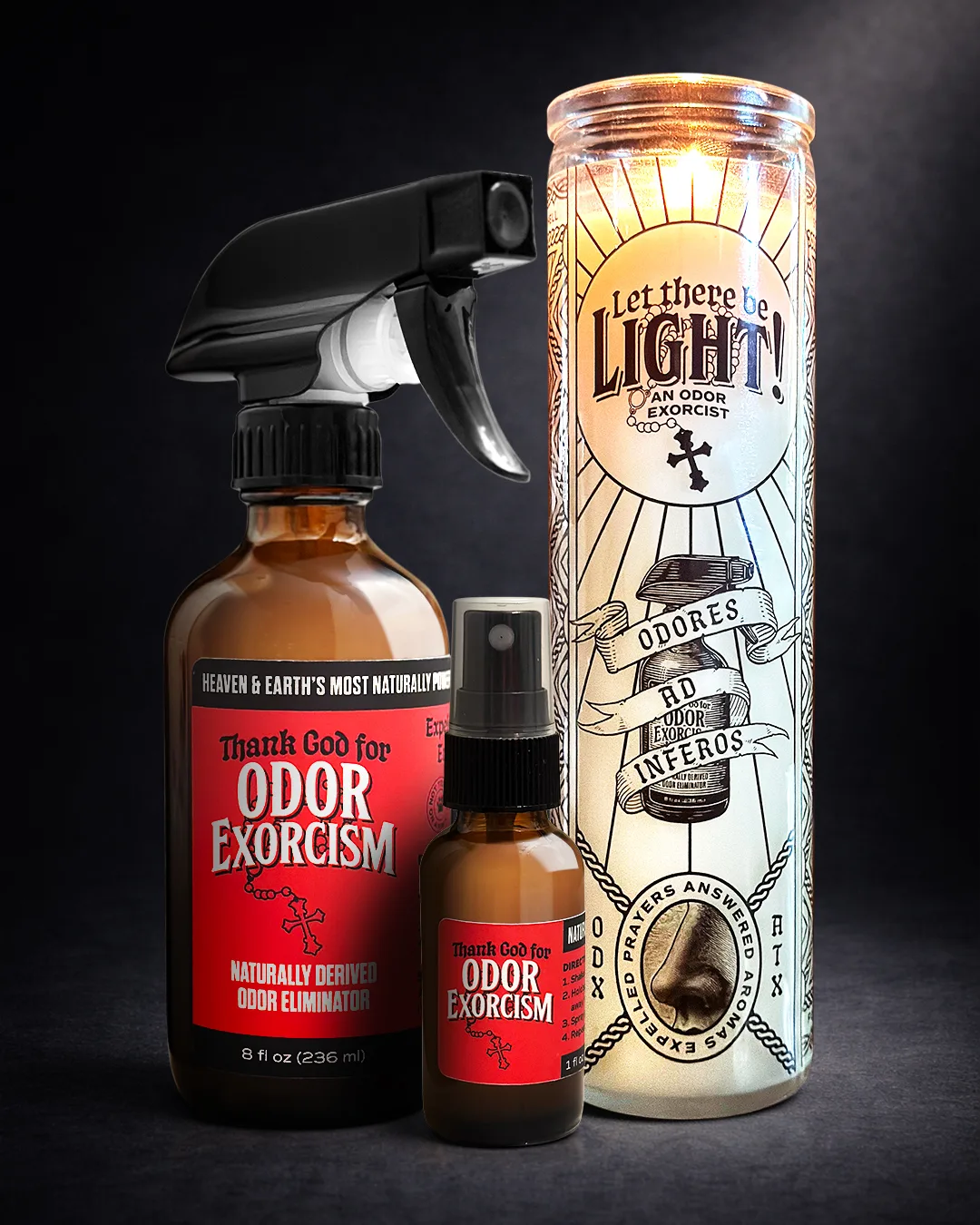
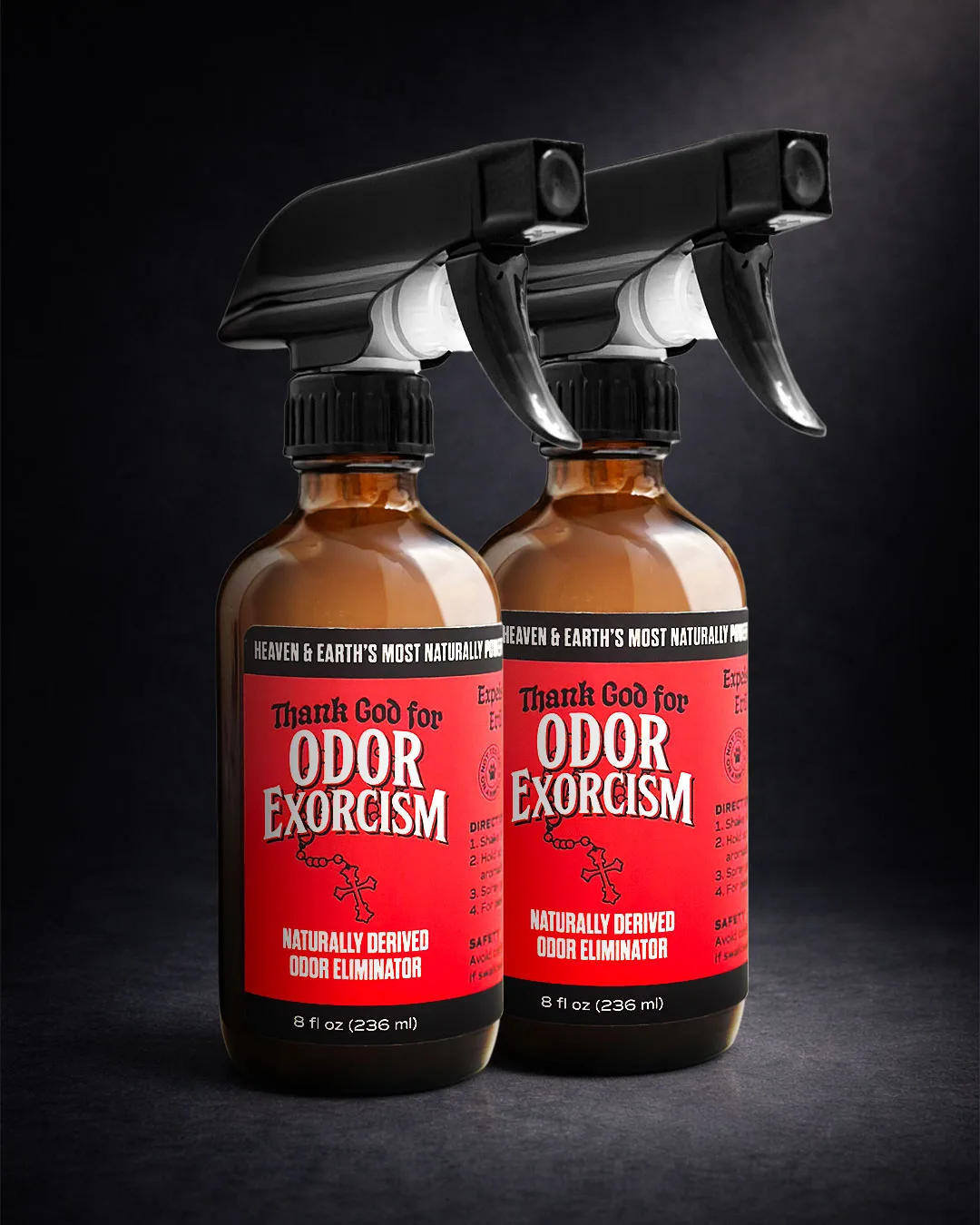
Use an odor-neutralizing spray where smoke actually landed: curtains, upholstery, bedding, carpet, shoes, and washable fabrics as appropriate. Test a hidden area first, particularly on delicate textiles, unfinished wood, leather, silk, or items with special finishes. A natural, essential-oil-based option such as Odor Exorcism is made for everyday household odor battles without turning your home into a synthetic-fragrance haunted house.
Finally, replace or clean HVAC filters if they were exposed. In a car, do not forget the cabin air filter, fabric seats, floor mats, headliner, and trunk. Cars are tiny odor crypts with terrible ventilation, so they often need a more thorough reset than a room.
Give Each Surface the Treatment It Deserves
Do not treat every material the same way. Machine-washable blankets and clothing may improve dramatically after laundering, while dry-clean-only items need professional care. Rugs can benefit from vacuuming, odor treatment, and adequate drying time, but a deeply smoke-saturated rug pad may be the real offender.
For walls and cabinets, cleaning the residue is usually more useful than adding fragrance. For fabric-covered furniture, avoid soaking cushions unless the manufacturer says it is safe. Too much moisture can invite mildew, which is a different odor demon and an even worse roommate.
If smoke settled after a candle accident or a burnt dinner, you can usually focus on the affected room. If people smoked indoors for months or years, expect a larger project. Walls, ceilings, blinds, carpet padding, and filters may all need attention. The trade-off is simple: the more complete the cleaning, the more durable the result.
Smoke Removal Results That Are Actually Possible
For a light, recent smoke smell, you may notice a major difference after cleaning, laundering, ventilating, and treating the affected fabrics. For moderate odor that has lived in upholstery or a vehicle for weeks, expect several rounds. Repeating the process is not failure. It is what happens when residue has moved into multiple surfaces.
Heavy cigarette smoke in a rental, smoke after a house fire, or visible soot is a different category. Smoke damage can involve hidden residues, contaminated insulation, and health concerns that go beyond household odor control. Bring in qualified restoration help, especially when there is extensive soot, damaged drywall, electrical concerns, or anyone in the home has respiratory sensitivities.
Be suspicious of instant miracles. A spray that merely floods the room with fragrance may create a smoke-and-perfume cocktail, not clean air. The goal is a room that smells like itself again – your coffee, your clean laundry, your dinner that was not incinerated. Nothing more theatrical is required, though we fully support dramatic hand gestures while cleaning.
A Few Mistakes That Keep the Smell Alive
The most common mistake is treating only the air. Air freshener can make the first ten minutes more pleasant, but smoke residue on textiles does not care about your floral mist. Another mistake is scrubbing visible surfaces while ignoring curtains, bedding, and HVAC filters.
Avoid mixing cleaning products, especially bleach with ammonia or other cleaners. That is not odor removal. That is chemistry class with cursed consequences. Follow product directions, ventilate the area, and keep cleaners out of reach of children and pets.
Also, give treated items time to dry and the room time to air out before judging the result. Wet fabric can smell different temporarily, and a room that has been closed up for months will not transform into a mountain meadow in five minutes. Progress is usually obvious in stages: less odor in the air, then less odor in fabric, then no unpleasant surprise when the heat kicks on.
The most satisfying finish is not a room that smells aggressively scented. It is walking in the next morning, taking a full breath, and realizing the smoke has finally been sent back to the underworld where it belongs.