Best Home Fragrance for Pet Owners That Works
Evangelize


October 11, 2026
A wet dog shakes off in the hallway. The litter box has entered its villain era. The couch contains enough fur to knit a second pet. Finding the best home fragrance for pet owners is not about turning your living room into a perfume counter. It is about making your home smell clean without simply shoving a floral cloud over the evidence.
Pets make a house feel like home. They also make smells. That is the deal, and frankly, the deal is worth it. But you deserve an odor plan that handles the real mess while respecting the fact that animals have far more sensitive noses than we do.
The best home fragrance for pet owners starts with odor removal
Here is the unpleasant little truth that air freshener commercials tend to avoid: fragrance is not the same thing as clean air. A heavy spray may make the room smell like tropical linen for ten minutes, but if urine residue is still in the rug or damp dog funk is living in the upholstery, the odor demon is merely wearing a coconut-scented disguise.
Pet odors cling to porous materials. Fabrics, carpet padding, blankets, pet beds, curtains, sneakers, and the backseat of your car can all hold onto odor-causing compounds. The longer those compounds sit, the more likely they are to reappear when humidity rises or someone settles onto the couch.
The smarter order of operations is simple: clean the source, neutralize lingering odor, then add a light scent only if you want one. This is why an odor-eliminating fabric and surface spray earns its keep. It addresses the stinky aftermath rather than asking lavender to perform an exorcism it was never hired to do.
What kind of home fragrance actually works around pets?
There is no single winner for every pet household. A cat-only apartment with one well-maintained litter box has different needs than a home with two shedding dogs, a muddy yard, and a sofa that has seen things. Still, the best options share one trait: they are used with restraint.
Odor-neutralizing sprays for the daily haunting
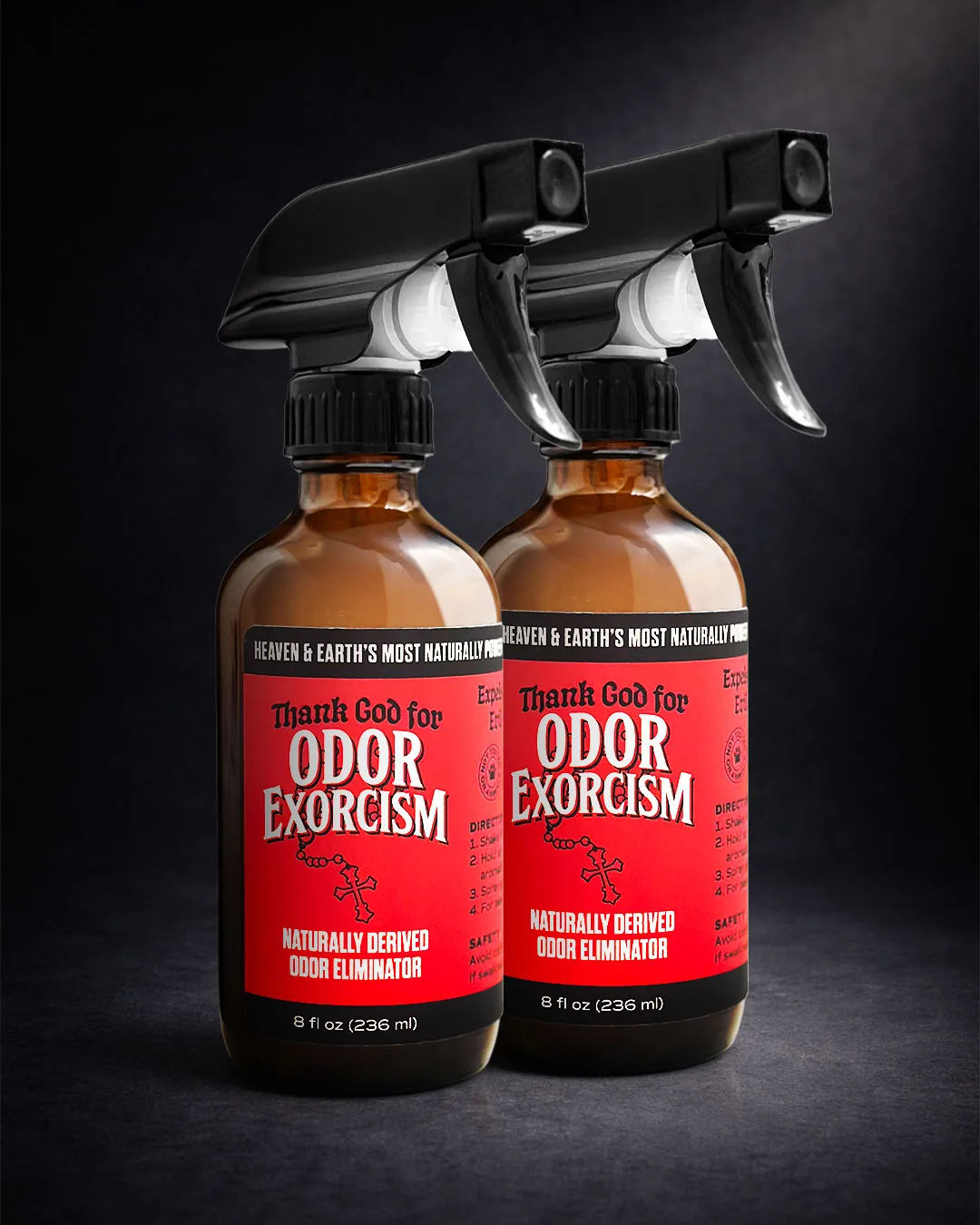
A naturally derived odor eliminator spray is one of the most useful tools in a pet household because it can target the places smells actually live. Use it on washable and non-washable fabrics as directed: pet bedding, upholstered furniture, rugs, blankets, jackets, shoes, and car interiors. It is especially handy after a rainy walk, a dog nap on the sectional, or a surprise visit from Eau de Litter Box.
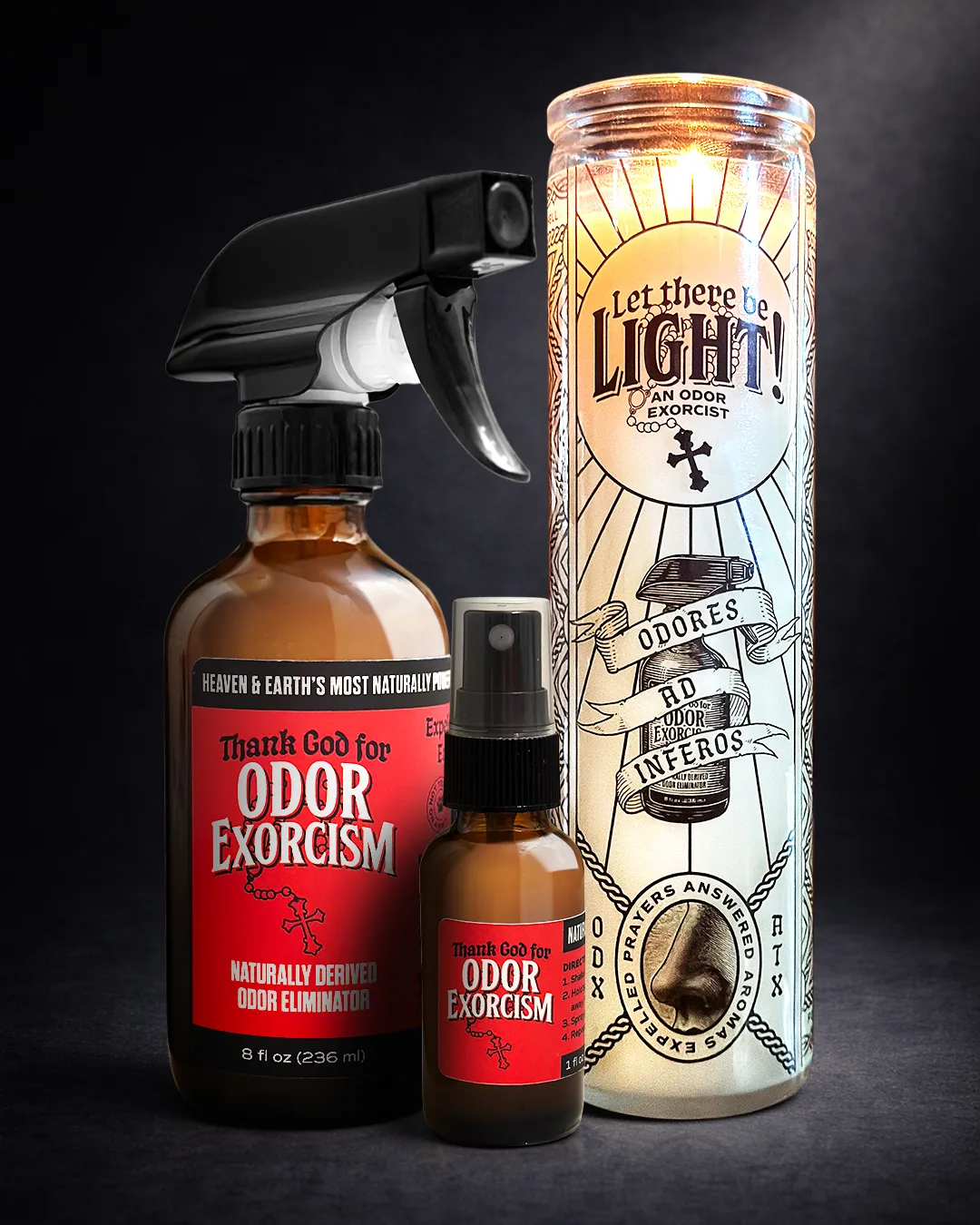
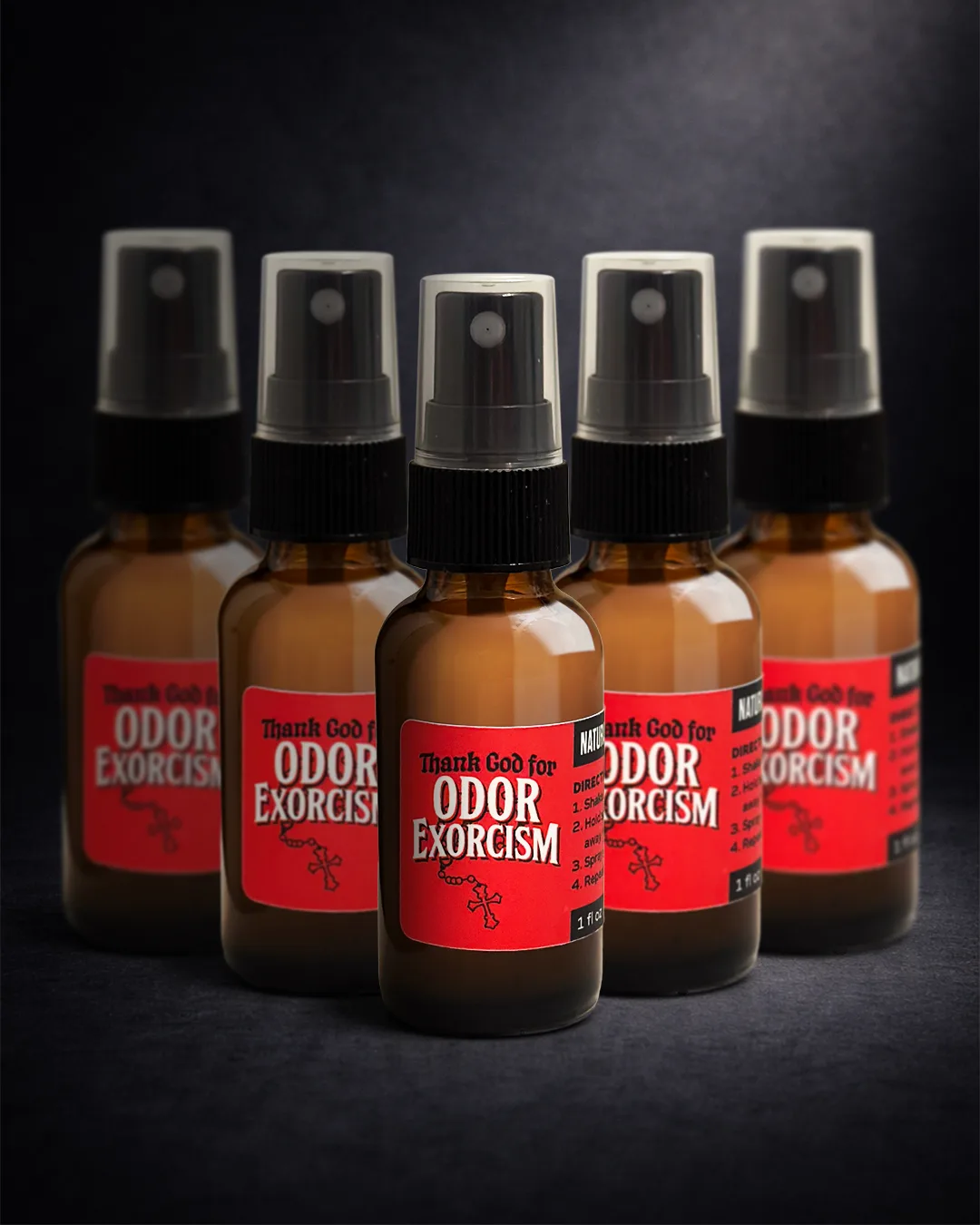
Choose a product intended to neutralize odors instead of simply masking them with a dense synthetic fragrance. Odor Exorcism is built for exactly this kind of household haunting, with an essential-oil-based formula designed for everyday soft and hard surfaces. As with any home product, follow the label directions, test a small hidden area first, and allow treated areas to dry before your pet gets cozy there.
Candles for controlled, occasional atmosphere
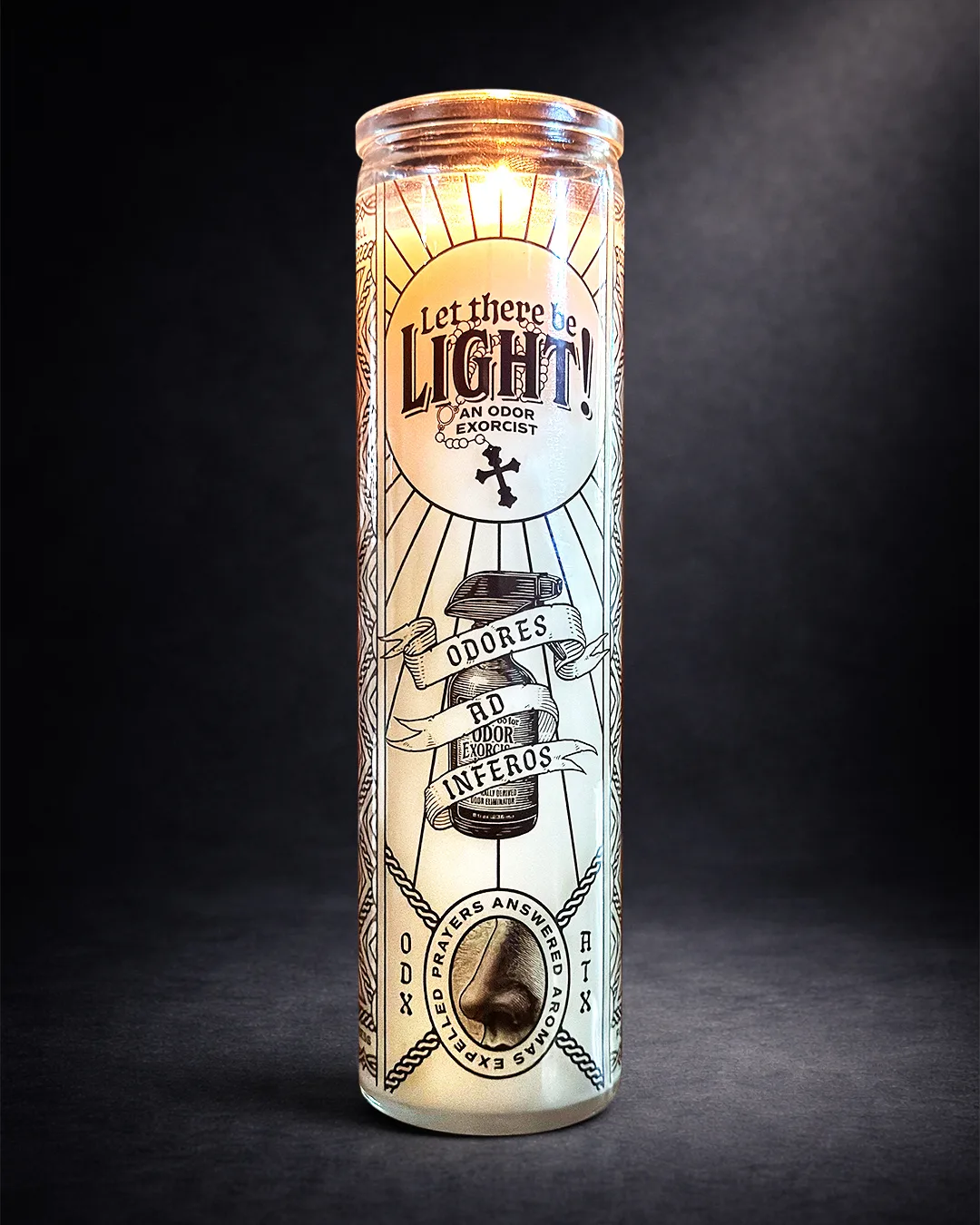
A candle can make a room feel warm, intentional, and less like a wrestling arena for squeaky toys. Soy wax candles are often a better starting point than heavily fragranced paraffin options, particularly for people who want a cleaner-feeling burn.
But a candle is ambiance, not odor cleanup. Never use one as a response to an active litter box smell or a fresh accident. Clean first. Then, if you want the room to smell inviting during dinner or a quiet night in, burn the candle in a well-ventilated space, keep it out of reach, and extinguish it before leaving the room. Open flames and curious tails are a comedy sketch with a bad ending.
Passive scents for low-drama rooms
Scented sachets, lightly fragranced closet products, and subtle passive options can work in spaces your pet does not regularly occupy. They are useful for a linen closet, entryway cabinet, or guest room. In the main living areas, however, they are rarely enough to manage pet odor on their own.
Avoid using fragrance devices as though more scent equals more clean. Plug-ins, automatic aerosol dispensers, and overpowering diffusers can create a constant wall of smell. For sensitive humans, that can mean headaches. For pets, it can be an unnecessary sensory assault from a machine that never shuts up.
Be careful with essential oils and pet claims
“Natural” is not a magic force field. Essential oils are potent botanical compounds, and what is pleasant for one person may not be appropriate for every animal, especially when concentrated, diffused heavily, applied directly, or ingested.
Cats deserve extra caution because they process certain compounds differently than dogs and can be particularly sensitive to airborne substances. Birds and small animals also have delicate respiratory systems. A product that is fine for your friend’s golden retriever may not be the right call for your senior cat, parakeet, rabbit, or asthmatic household member.
Use fragrance products in ventilated areas and give pets the ability to leave the room. Do not spray any fragrance or odor product directly onto an animal, their face, their toys, their food bowls, or their bedding while they are lying on it. Never add essential oils to a pet’s collar, fur, bath, or water without veterinary guidance. That is not home fragrance. That is amateur potion-making.
Watch for signs that a scent is bothering your pet, including coughing, sneezing, watery eyes, drooling, vomiting, unusual lethargy, or a sudden effort to escape the room. Stop using the product, move the pet to fresh air, and call your veterinarian or a pet poison resource if symptoms are significant. “Pet-safe” is not a regulated promise that means every product is safe for every pet in every amount.
Build a scent routine that does not fight the problem
A fresh-smelling home is usually the result of boringly effective habits, with a little fragrance as the finishing touch. Scoop litter daily. Wash pet blankets and beds regularly. Vacuum upholstery and rugs often enough to capture fur, dander, and tracked-in debris before they ferment into a masterpiece of funk.
For accidents, act fast. Blot up moisture, use an appropriate cleaner for the mess, and let the area dry completely. For recurring urine spots, a cleaner designed to break down the residue is usually more useful than perfume. If the same area keeps smelling or attracting repeat accidents, inspect the rug pad, subfloor, or furniture stuffing. Some odors have moved downstairs and are refusing to pay rent.
Ventilation matters too. Crack windows when weather allows, run bathroom and kitchen exhaust fans, and avoid sealing a wet dog, damp towels, and a full hamper into one tiny room. Fresh air is not glamorous, but neither is trying to cover mildew with vanilla.
How to choose the right product for your household
Read labels with a little healthy suspicion. Look for clear directions about where the product can be used, whether it is intended for fabrics or hard surfaces, and what to do around pets and children. If a brand only promises a “long-lasting luxury scent” but says nothing about odor removal, it may be selling a costume rather than a solution.
Consider your pet’s habits. A couch-surfing dog calls for fabric-friendly odor control. A cat household may need a strong litter routine plus targeted treatment around mats, carriers, and washable textiles. Multi-pet homes often benefit from keeping a spray near the entryway, laundry area, and living room instead of relying on one giant blast of fragrance from across the house.
The best home fragrance should be noticeable because your space feels fresher, not because it announces itself from the driveway. Start light, clean the source, ventilate well, and let your pet keep being the beloved little gremlin they are. Your nose, your guests, and your couch will all sleep better.