Candle Wax Ingredients Review for Cleaner Burns
Evangelize


September 2, 2026
That cute candle on the coffee table may smell like vanilla orchard, coastal rain, or a haunted pumpkin patch. But before you light the wick and invite the fragrance demon into your living room, read the label. This candle wax ingredients review breaks down what common waxes are, what they do, and which trade-offs matter when you want your home to smell good without turning every cozy night into a chemistry séance.
Wax is not a trivial filler. It determines how a candle burns, how strongly it throws scent, how much care it needs, and what may end up in the air around you. No wax is holy, flawless, and descended from the clouds on a beam of clean light. Still, some options make more sense than others depending on your priorities.
Candle Wax Ingredients Review: What Is Actually in the Jar?
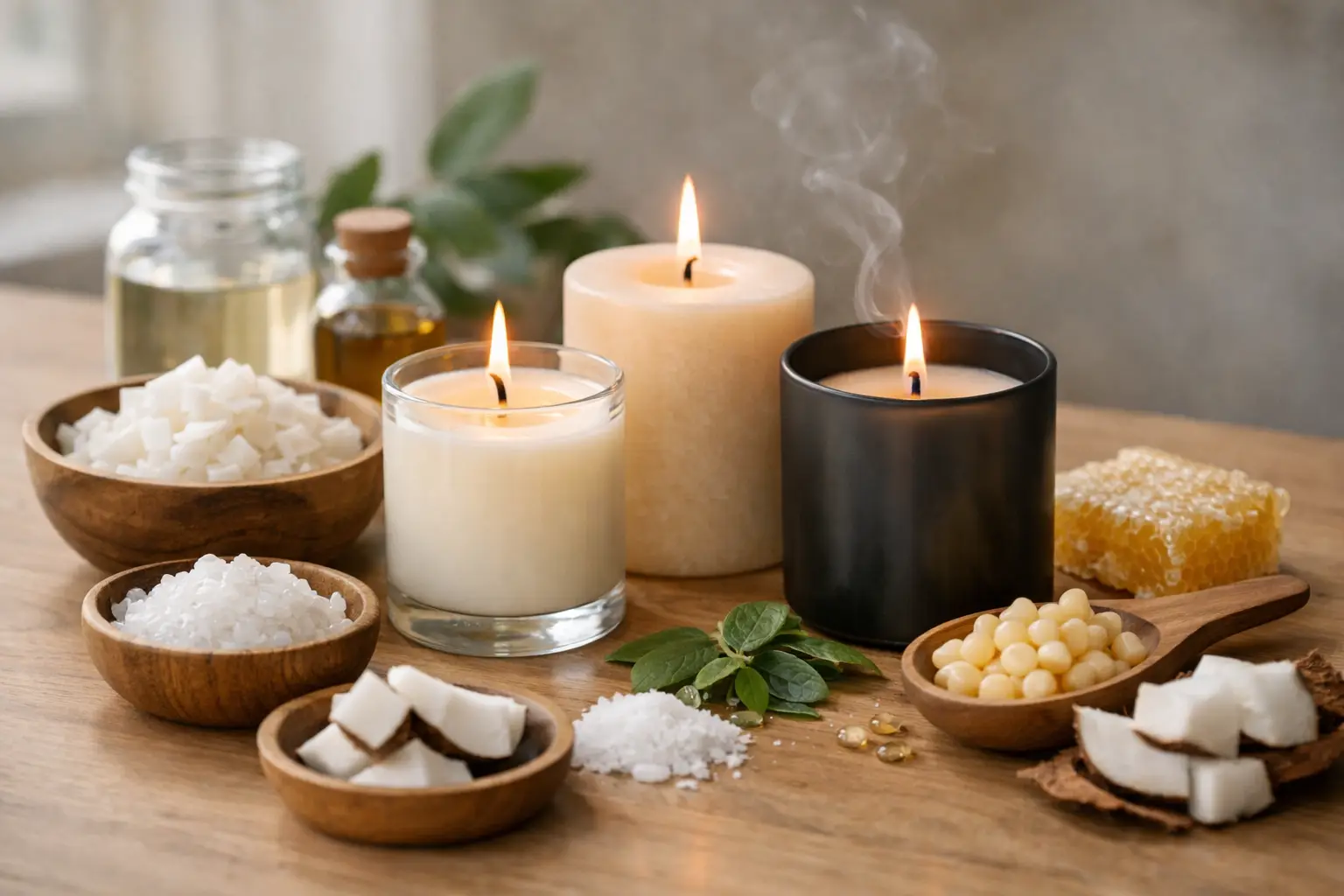
Most container candles are made from one of four wax families: paraffin, soy, beeswax, or a blend. The ingredient list may also include fragrance, essential oils, dye, stabilizers, and a wick. That is why a label that says natural or clean is not a full exorcism of questionable ingredients. Look beyond the front-of-package poetry.
A well-made candle should identify its wax type clearly. If it says proprietary wax blend without further detail, you are allowed to raise one suspicious eyebrow. A blend is not automatically bad, but transparency is better than vague smoke and mirrors.
Paraffin wax
Paraffin is a petroleum-derived wax. It is widely used because it is inexpensive, holds color well, and often produces a strong fragrance throw. If you have ever walked past a candle display and been punched in the face by Cinnamon Nuclear Bakery from six feet away, paraffin may be part of the plot.
The downside is its fossil-fuel origin and the fact that some shoppers prefer to avoid petroleum-based materials in home fragrance products. When paraffin burns poorly, especially with an overlong wick or drafty placement, it can produce visible soot. That black ring around a candle jar is not gothic decor. It is a sign the candle needs better burning conditions, a trimmed wick, or perhaps a different formulation.
Paraffin is not a guaranteed villain in every candle, and a responsibly made paraffin candle can burn acceptably when used correctly. But for people building a more ingredient-conscious home, it is usually not the first wax they seek out.
Soy wax
Soy wax is made from soybean oil that has been processed into a solid wax. It has become a popular plant-based option, especially for container candles. Soy generally burns at a lower temperature than paraffin, which can support a slower burn and a gentler scent release.
It also comes with quirks. Pure soy can frost, which looks like a white crystalline film on the surface or sides of a candle. It can also have a softer scent throw than paraffin, particularly in large rooms. Frosting does not mean the candle is cursed, old, or unsafe. It is often simply a natural characteristic of soy.
Soy is a sensible choice for shoppers who want a plant-based wax and do not need their candle to perfume an entire open-concept house with the force of a medieval trumpet. Check whether the product is 100% soy or a soy blend, because those are different beasts.
Beeswax
Beeswax is a natural wax produced by honeybees. It has a warm, faintly honey-like aroma and a naturally golden color when it is not heavily refined. It is prized for its dense structure, long burn time, and minimal processing compared with many other candle waxes.
There are trade-offs here, too. Beeswax is typically more expensive, its natural scent may compete with delicate fragrance blends, and it is not vegan. Responsible sourcing matters because bees and beekeepers deserve better than a vague, feel-good label slapped on a jar.
For fragrance-sensitive households, unscented beeswax can be an appealing option. But if your goal is a lush, complex scented candle, beeswax may not deliver the same fragrance performance as a carefully formulated soy or coconut blend.
Coconut wax and plant-based blends
Coconut wax is often blended with soy or other plant-derived waxes because it is soft, creamy, and excellent at carrying fragrance. It can create a smooth-looking candle surface and a luxurious burn, but it is rarely used alone. The word coconut on a label can sound like a tropical halo, yet you still need to know what else is in the blend.
Plant-based blends may include soy, coconut, palm-derived components, or other vegetable waxes. Some blends are designed to improve scent throw, reduce frosting, or help the candle burn more evenly. That is not inherently sinister. In fact, a transparent blend can perform better than a technically pure wax that tunnels, smokes, or barely smells like anything.
The question is not whether blends are allowed into the chapel. It is whether the maker tells you what they are and why they are there.
Wax Matters, but It Is Not the Whole Candle
A candle can use soy wax and still contain an aggressive synthetic fragrance that gives you a headache faster than a group chat argument. It can use paraffin and be made with a high-quality wick and a thoughtfully measured fragrance load. Ingredient-conscious shopping works best when you evaluate the whole formula rather than treating one buzzword as a sacred protection spell.
Pay special attention to fragrance. Essential-oil-based scents and fragrance oils behave differently in wax, and neither term automatically tells you whether a candle will be pleasant for you. Essential oils are natural extracts, but natural does not mean irritation-proof. Citrus, spice, floral, and resinous oils can be intense for some people, pets, or households with sensitivities.
Fragrance oils can create complex, long-lasting scents that essential oils alone may not achieve. The more useful question is whether the brand is clear about its standards, avoids ingredients you personally do not want in your space, and provides sensible burn guidance.
Wicks deserve a quick inspection as well. Cotton wicks and wood wicks are common choices. Wood wicks can create that charming fireplace crackle, but they can be fussier to light and may need a careful trim. Cotton wicks are dependable, though their performance depends on the wick size, wax, vessel, and fragrance formula working together. A bad wick can make even premium wax behave like it has unfinished business.
How to Read a Candle Label Without Summoning Confusion
When comparing candles, use the label and product details to answer a few practical questions. You do not need a laboratory coat or a minor in wax theology.
- What is the primary wax: soy, paraffin, beeswax, coconut, or a named blend?
- Is the blend disclosed, or is the wax description frustratingly vague?
- Does the brand explain its fragrance approach and flag common exclusions?
- What wick material is used, and are there burn-care instructions?
- Is the candle designed for a small bedroom, a bathroom, or a larger shared space?
Those details tell you more than a label that promises luxury, artisan vibes, or a scent journey through an enchanted forest. Marketing can be fun. Ingredient clarity is better.
Cleaner Burning Is Also a Ritual
Even a thoughtfully made candle needs proper use. Trim the wick to about one-quarter inch before lighting. Let the first burn last long enough for the melted wax pool to reach close to the edge of the container, usually within the maker’s recommended time. Keep candles away from vents, fans, pets, curtains, and the one person who thinks moving a burning candle around is an acceptable hobby.
Do not burn a candle all day to fight a stubborn odor. Candles add scent, but they do not remove the source of funk from upholstery, shoes, trash cans, or damp towels. Handle the odor itself first, then use a candle for atmosphere. Odor Exorcism candles fit best as part of that clean-home ritual: banish the offending smell, then light something pleasant without pretending perfume alone solved the haunting.
A small amount of soot can happen, but frequent heavy soot, mushrooming on the wick, or a flame that is unusually tall usually means something is off. Extinguish it, let it cool, trim the wick, and check the burn instructions. Your walls should not have to absorb the evidence.
The Best Wax Depends on Your Household
If you want a petroleum-free option and a softer, cozy burn, soy or a transparent soy-coconut blend is often a strong place to start. If you prefer a minimally processed, naturally scented wax and do not mind paying more, beeswax may earn its halo. If fragrance strength and price are your top priorities, paraffin may be tempting, though it is worth weighing that performance against your ingredient preferences.
The best candle is not the one with the most dramatic label claims. It is the one whose wax, fragrance approach, wick, and burn behavior make sense for your home. Read the ingredients, trim the wick, and let your living room smell intentional, not like it lost a fight with a department-store perfume counter.