Fragrance Allergies: Why Your Home Spray Matters
Evangelize


September 29, 2026
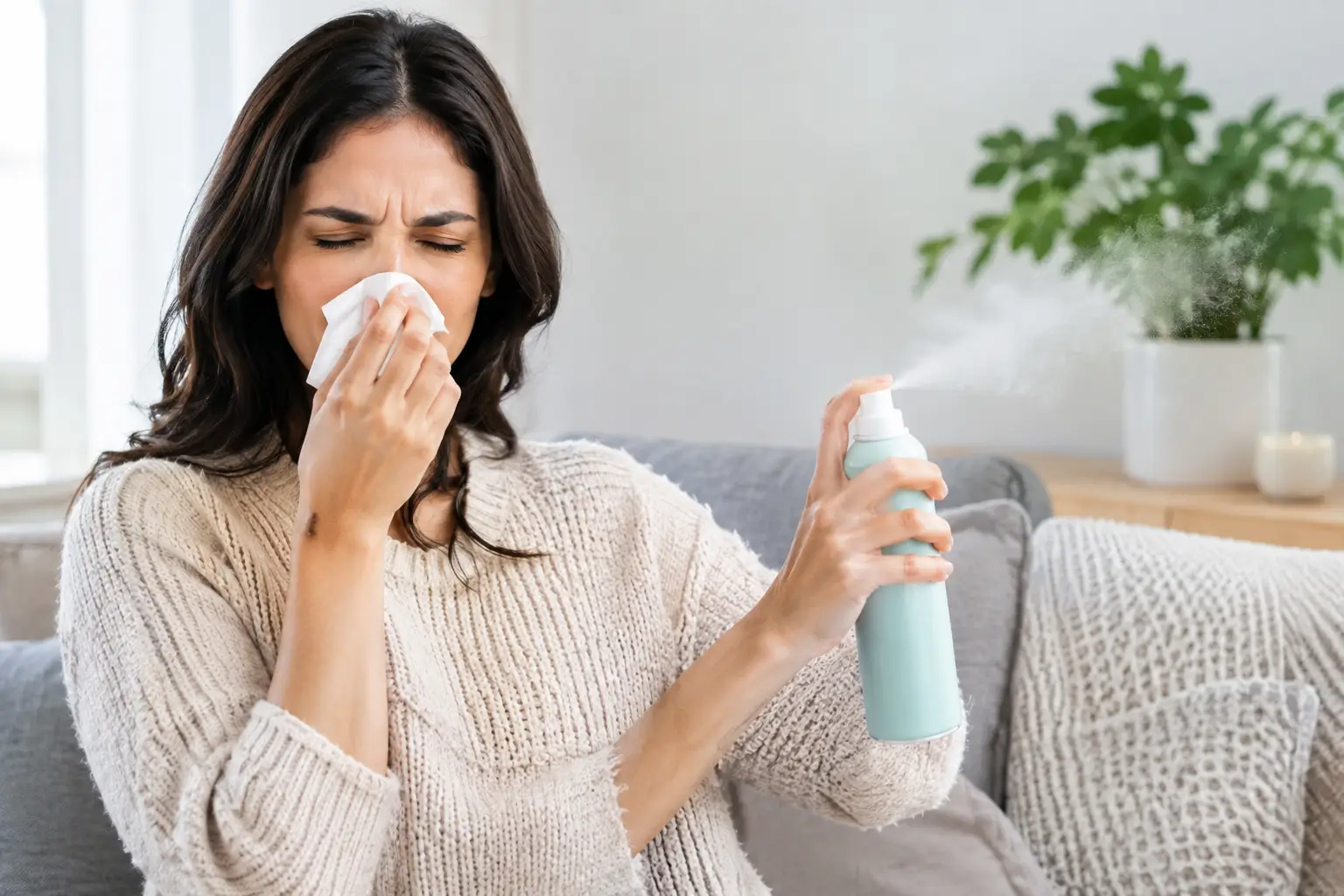
That “fresh linen” spray might be the reason your skin is staging a tiny rebellion. Fragrance allergies can turn a supposedly clean home into an itchy, rashy, sneezy little haunted house, especially when scented products are sprayed onto the fabrics and surfaces you touch every day.
The irritating part, beyond the actual irritation, is that fragrance is everywhere. It hangs out in laundry products, candles, plug-ins, cleaners, hand soap, room sprays, body wash, and the mysterious cloud drifting through the elevator. When symptoms keep appearing, your home fragrance routine is a reasonable suspect.
What Are Fragrance Allergies?
A fragrance allergy is usually a form of allergic contact dermatitis. In plain English: your immune system decides that a fragrance ingredient is an enemy and reacts when it touches your skin. The result can be redness, itching, burning, scaling, hives, or a rash that shows up hours or even days after exposure. Very dramatic behavior from the immune system, frankly.
Fragrance compounds are not always one single ingredient. The word “fragrance” or “parfum” on a label can represent a blend of many aroma chemicals. That makes it difficult to know precisely what caused a reaction, particularly when a product does not disclose its individual fragrance ingredients.
Not every unpleasant response is technically an allergy. Some people have irritant contact dermatitis, where an ingredient bothers the skin without triggering an immune allergy. Others notice headaches, nausea, watery eyes, or asthma symptoms around strong scents. Those experiences are real, but they may have different causes and need different medical guidance.
That distinction matters because it changes the fix. An allergy calls for strict avoidance of the trigger. An irritation may improve when you reduce concentration, ventilation problems, or repeated exposure. Either way, blasting more perfume at the situation is rarely the move.
Common signs to watch for
Skin symptoms often show up on the hands, face, neck, underarms, or anywhere a scented product touches. But household fragrance can make the pattern harder to spot. A scented detergent or fabric spray can leave a trigger on sheets, couch cushions, towels, shirts, pet bedding, and car upholstery long after the bottle is put away.
Look for recurring itchiness, eczema flares, burning skin, unexplained rashes, or hives that seem worse after laundry day, cleaning day, or a candle-heavy evening. If scent exposure seems to trigger coughing, chest tightness, wheezing, migraines, or severe eye and nose irritation, talk with a healthcare professional. Trouble breathing, facial swelling, or widespread hives needs urgent care, not a heroic round of DIY detective work.
Why Fragrance Allergies Often Start at Home
Your home should not feel like a department-store perfume counter with upholstery. Yet fragrance exposure can pile up there fast. A plug-in runs all day. A scented cleaner hits the counters. Laundry beads cling to blankets. Then a room spray arrives to “freshen” the air while the original odor is still lurking in the rug like a stubborn basement demon.
The problem is not that every scented product is automatically bad. It is cumulative exposure, close contact, and lack of transparency. A product used once in a while may be tolerable, while the same scent misted over bedding every morning can become a problem. Sensitivity also varies wildly from person to person. Your friend may burn a heavily scented candle for six hours and feel fine. Your skin may send a cease-and-desist letter after one pillowcase.
Children, people with eczema, people with asthma, and anyone with a known fragrance sensitivity may need to be especially careful. Pets can also be more sensitive to airborne products than their humans. The goal is not to live in a joyless, unscented bunker. It is to make deliberate choices about what you bring into the air and onto the surfaces you live on.
The “Natural” Question: Essential Oils Need Honesty Too
Here is where clean-living conversations can get a little possessed. Synthetic fragrance blends can be a concern for people with fragrance sensitivity, particularly when labels are vague. But “natural” is not a magical force field against reactions.
Essential oils and botanical extracts contain naturally occurring aromatic compounds. Some of those compounds can cause allergic contact dermatitis in susceptible people, especially when oils are concentrated, oxidized, or used repeatedly. Citrus, lavender, tea tree, peppermint, and many other plant-derived scents can smell heavenly to one person and be a skin villain to another.
This does not mean you must banish every candle, soap, or aromatic spray from the premises. It means ingredient-aware shoppers should resist the lazy equation of natural with universally hypoallergenic. A better question is: What is in this product, how is it used, and how does my body respond?
If you have a diagnosed fragrance allergy, your safest choice may be fragrance-free products for anything that touches skin or stays on fabric. For others with mild sensitivity, using lightly scented products less often, with good ventilation and thoughtful placement, may be enough. It depends on the trigger and the severity of the reaction.
How to Reduce Fragrance Exposure Without Living With Funk
Giving up heavy fragrance does not mean accepting a home that smells like wet dog, old sneakers, and a refrigerator crime scene. The smarter approach is to remove or neutralize odors at their source instead of trying to perfume them into submission.
Start with the obvious culprits: wash bedding and throw blankets, clean trash cans, dry damp towels promptly, air out shoes, vacuum upholstery, and address moisture in rugs, bathrooms, or basements. Musty smells deserve attention because they can point to dampness or mold, neither of which is a scent problem you can solve with a candle.
For routine odor control, choose products with clear ingredient information and avoid treating every room as a fragrance delivery system. Use sprays sparingly rather than fogging the whole house. Open windows when weather allows. Wash hands after using cleaning products. If you are testing a new item, introduce one product at a time so you can identify what does not agree with you.
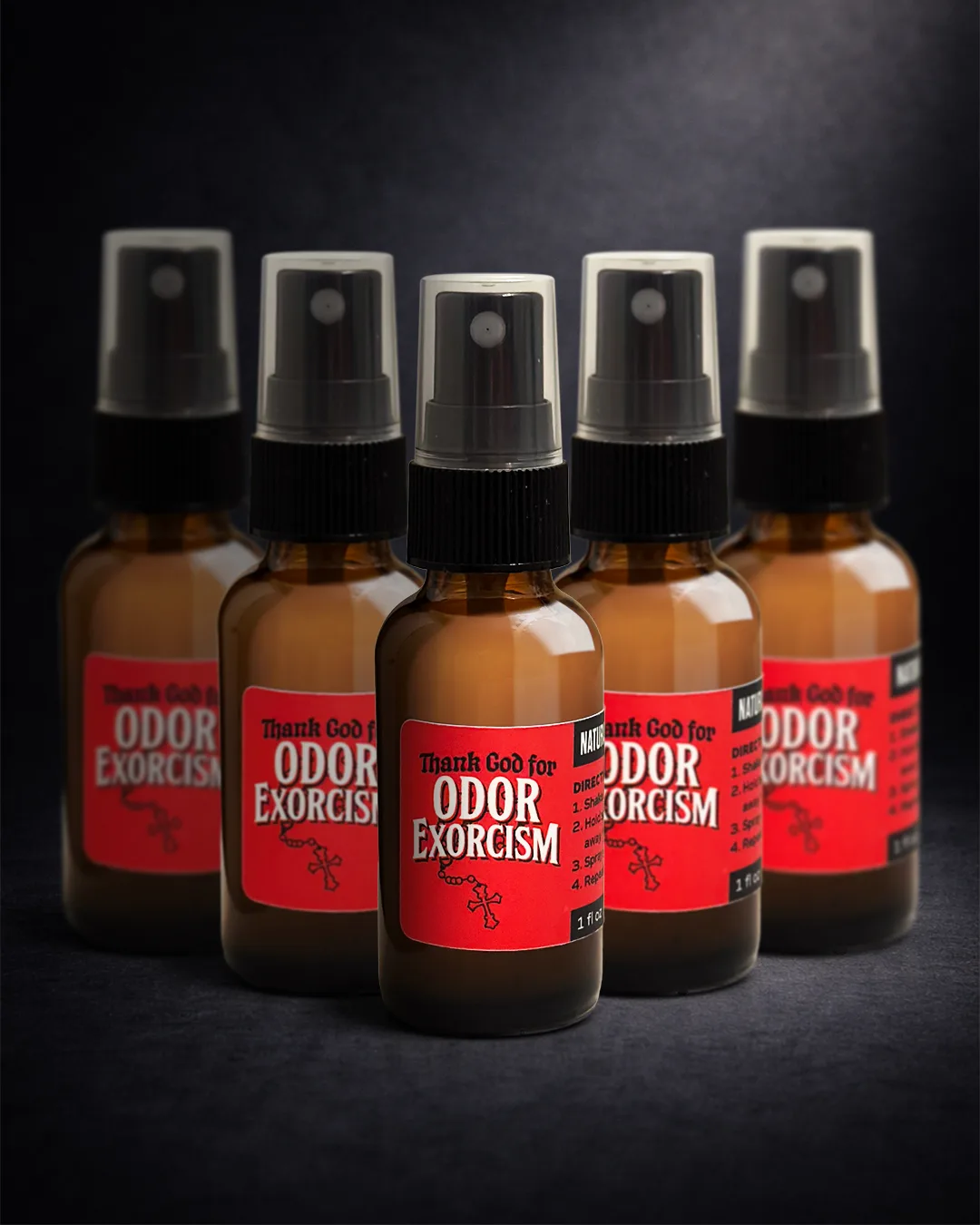
Odor Exorcism is built around the more sensible mission: neutralize the nasty smell instead of covering it with a synthetic-fragrance séance. Still, the same rule applies to any scented product, including naturally derived ones: if you know you react to fragrance or essential oils, read the label, use caution, and choose fragrance-free when that is what your body requires.
Patch testing is useful, but it is not a medical diagnosis
For a new leave-on personal product, a small patch test may help reveal irritation before you use it broadly. Household sprays are trickier because they are not meant to be applied to skin. Do not spray them on yourself to test them. Instead, follow the product directions, use a small amount in a ventilated area, and avoid treating items that will sit directly against sensitive skin until you know how you respond.
If rashes keep returning, a dermatologist can perform formal patch testing. This process can help identify specific fragrance allergens and other common triggers, such as preservatives or ingredients in cleaning products. That knowledge is far more useful than playing ingredient roulette with twenty bottles under the sink.
Read Labels Like the Household Witch Hunter You Are
A few label habits can save a lot of grief. “Unscented” does not always mean fragrance-free. Some unscented products use fragrance ingredients to cover up a base odor, so look specifically for “fragrance-free” if avoiding fragrance is the goal.
Be wary of vague claims that promise a product is “clean,” “green,” or “non-toxic” without explaining the ingredients. Those words can be helpful signals, but they are not a personal guarantee of safety or compatibility. Ingredient lists, usage directions, and transparent disclosure tell you more.
Also consider the product’s job. A laundry detergent lives in your clothing and sheets. A candle changes the air in an enclosed room. A deodorizing spray may land on a rug, shoes, or a trash can. The closer and longer the contact, the more cautious a fragrance-sensitive person may want to be.
When to Call in a Professional
See a dermatologist or allergist when a rash is frequent, severe, widespread, infected-looking, or not improving after you stop suspected products. Professional testing is especially worthwhile if you have eczema, work around fragranced products, or cannot figure out why symptoms keep returning.
For respiratory symptoms, talk with a clinician rather than assuming the issue is “just allergies.” Fragrance can aggravate asthma or other conditions, and breathing problems deserve a less theatrical response than most household odor battles.
A home can smell clean without smelling like it was blessed by twelve competing perfume ghosts. Start with the odor source, keep fragrance choices intentional, and let your own skin and breathing be the final judges. Your nose may enjoy the drama. Your body usually prefers fewer demons in the bottle.