How Allergy Friendly Sprays Can Clear the Air
Evangelize


September 19, 2026
Your couch does not need to smell like a department-store perfume counter to smell clean. Neither does your bedroom, your kid’s backpack, the dog bed, or that one pair of sneakers currently harboring a demonic presence by the door.
For people sensitive to strong scents, allergy friendly sprays can feel like a safer path through the haunted house of household odor control. But the phrase itself is not a magic spell. A bottle can say “natural,” “clean,” or “gentle” and still contain ingredients that irritate someone’s nose, skin, lungs, or head. The trick is knowing what the label means, what it leaves out, and what kind of freshening job you actually need done.
What “Allergy Friendly Sprays” Should Mean
There is no single universal standard for “allergy friendly.” In practical terms, it should mean a spray is formulated with sensitivity in mind: fewer unnecessary ingredients, clear labeling, and no attempt to bludgeon a room into submission with a wall of synthetic perfume.
That does not mean every person will react the same way. Allergies and sensitivities are gloriously inconvenient. One person can love lavender while another gets a headache from it. Essential oils are naturally derived, but natural does not automatically mean non-allergenic. Pollen is natural too, and it has ruined many a pleasant spring afternoon.
A genuinely thoughtful spray gives you enough information to make your own call. It should not hide behind vague words like “fresh scent” while keeping its fragrance ingredients locked in a crypt somewhere.
Why Fragrance Fog Is a Bad Houseguest
Traditional air fresheners often work by adding more smell to the smell. The trash can reeks, so the can releases a tropical breeze. The upholstery is musty, so now it is musty with notes of artificial melon. Nothing has been banished. The odor has simply put on a fake mustache.
For scent-sensitive households, that approach can be especially miserable. Heavy fragrance may linger in the air and cling to fabrics long after the original odor has faded. It can turn a small apartment, dorm, or closed-up bedroom into a place where opening a window feels less like a preference and more like an emergency procedure.
Odor elimination is a better goal than odor camouflage. Look for sprays designed to neutralize odor molecules at the source, particularly on the fabrics and surfaces where smells settle in: bedding, rugs, upholstery, gym bags, shoes, curtains, plastic bins, and pet zones. If the source is handled, you do not need a fake ocean breeze standing guard over the crime scene.
How to Read a Spray Label Without Summoning Confusion
Ingredient labels are not always thrilling bedtime reading, but they can save you from buying a bottle that does not fit your home. When comparing allergy friendly sprays, pay attention to four things:
- Fragrance disclosure: If a product uses fragrance, does it explain whether that means synthetic fragrance, essential oils, or a proprietary mystery blend?
- Ingredient simplicity: A shorter, understandable ingredient list is not a guarantee of compatibility, but it makes informed choices far easier.
- Intended surfaces: A room spray, fabric refresher, and multipurpose odor eliminator are not necessarily the same creature.
- Use instructions and warnings: Directions for ventilation, fabric testing, and avoiding eyes or skin are signs that the brand expects you to use the product thoughtfully, not recklessly.
Be skeptical of blanket promises such as “chemical-free.” Everything is made of chemicals, including water and the tears you shed after discovering an old lunch container in the backseat. A more useful question is whether the formula avoids ingredients you personally prefer not to have around, especially synthetic fragrance-heavy blends.
Essential Oils: Cleaner Feel, Real Trade-Offs
Essential-oil-based sprays appeal to shoppers who want a more naturally derived alternative to conventional air care. Used well, they can provide a lighter scent experience than the aggressive perfume clouds found in many mass-market products.
Still, essential oils deserve common sense, not sainthood. Their aroma can be intense in a small room, and some people have sensitivities to specific botanicals. Households with asthma, known fragrance allergies, very young children, or pets should read labels closely and use any scented product carefully. If you know a particular oil bothers you, skip it. No amount of gothic packaging is worth a miserable afternoon.
Before spraying a large area, test a small, inconspicuous spot of fabric or upholstery. Start with a light mist, not a full-scale cleansing ritual. Let the space air out and see how both the surface and the humans in the room respond. This is especially useful for bedding, throw pillows, and clothing, where scent can sit close to skin.
A Smarter Way to Freshen Each Room
The best allergy-aware routine begins before the spray bottle enters the picture. Remove the actual source when possible. Empty the trash, wash the pet blanket, dry damp towels, clean the spill, and give shoes time to air out. A spray is an excellent supporting actor, but it cannot exorcise a mildew problem or replace laundering a blanket that has seen three months of dog naps.
Soft Surfaces Need the Most Attention
Fabric is where stale odors tend to settle and squat. Lightly misting washable and non-washable textiles according to label directions can help refresh the places that carry the most daily life: sofas, bedding, rugs, car seats, coats, and sneakers.
Avoid soaking fabrics. A fine, even mist is usually the move. Too much moisture can create its own musty little sequel, especially in humid rooms or thick carpets.
Hard Surfaces Can Hold Odor Too
Plastic storage bins, wood furniture, trash can lids, and other hard surfaces can hang onto cooking smells, pet odors, and general closed-room funk. Wipe visible dirt first, then use an odor eliminator as directed. Spraying grime without cleaning it is like putting a tiny hat on a goblin and calling it decor.
Ventilation Still Has a Role
Even the most carefully chosen spray should not replace fresh air. Open windows when weather allows, run bathroom and kitchen fans, and avoid overspraying enclosed spaces. A clean-air home is built from several small habits, not one miracle bottle with a cape.
When to Skip the Spray Entirely
There are situations where odor is a warning, not a nuisance. If you smell gas, burning, sewage, persistent mold, or an unexplained chemical odor, do not try to cover it up. Investigate the source or call the appropriate professional. Those are not household demons. They are real problems wearing odor as a name tag.
Likewise, if someone in your household has a diagnosed allergy or reacts strongly to scents, ask a medical professional for guidance rather than relying on marketing language. The most allergy-friendly option for that individual may be an unscented product, a low-scent formula, or no spray at all in certain rooms.
Choosing a Spray That Fits Your Home
The right product depends on what “friendly” means in your household. For some, it means avoiding synthetic fragrance. For others, it means choosing transparent ingredients, a lighter aroma, or an odor-neutralizing formula that does not linger like an unwanted ghost. A pet household may prioritize fabric performance. A dorm resident may need something portable. A family with scent-sensitive members may prefer minimal fragrance and disciplined spot use.
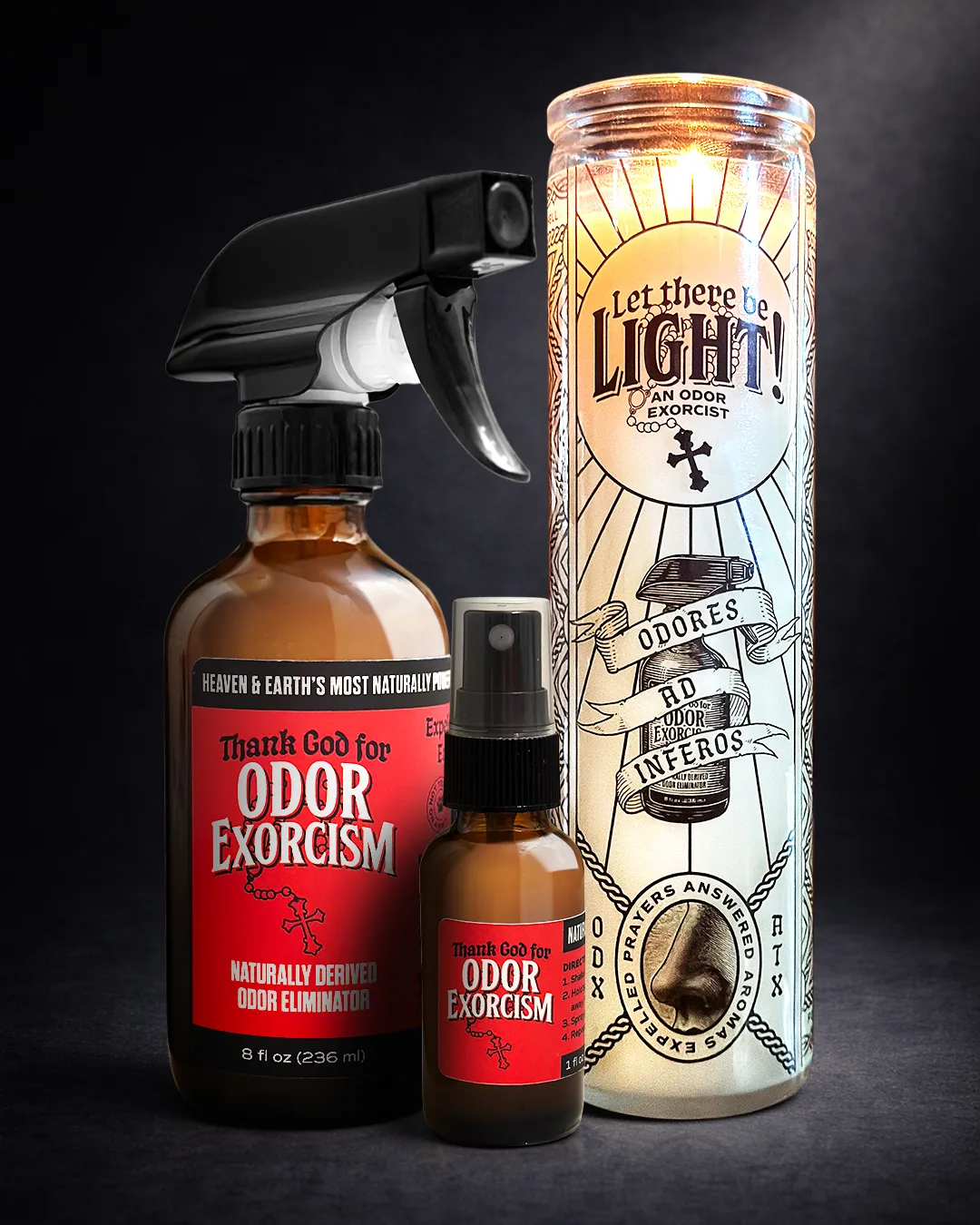
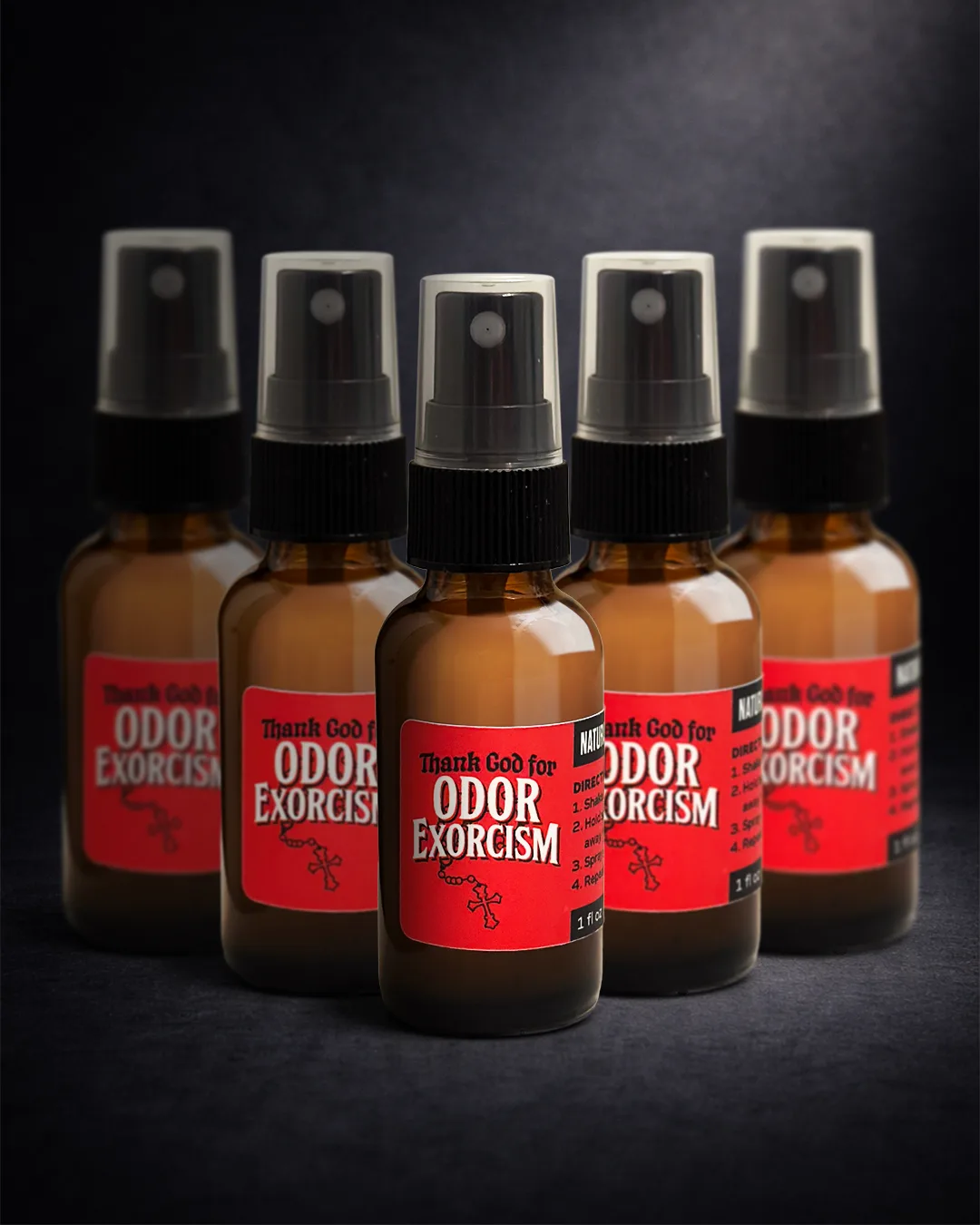
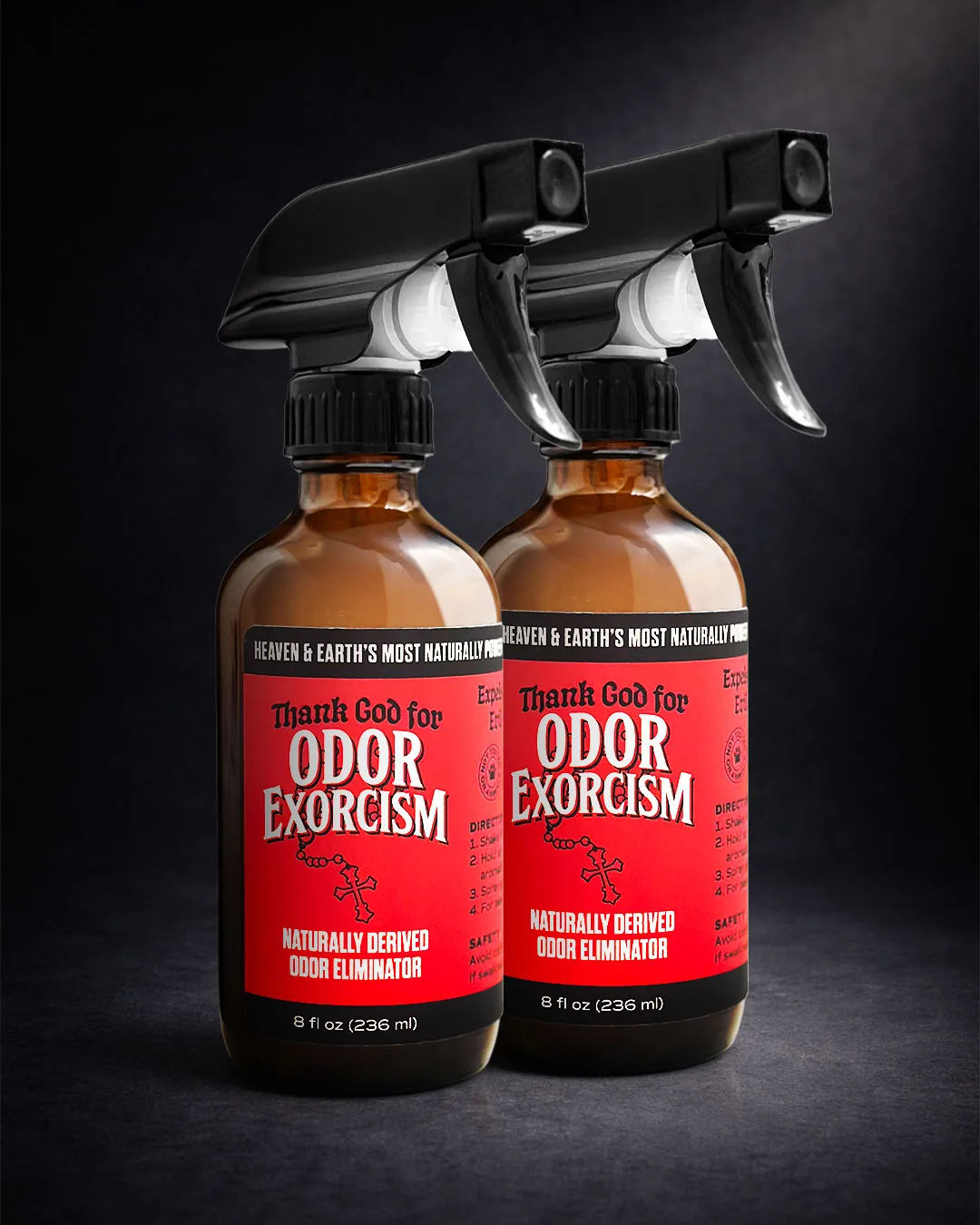
Odor Exorcism sits firmly in the odor-neutralizing camp, using naturally derived, essential-oil-based formulas to tackle funk on household surfaces instead of merely perfuming the evidence. That distinction matters when you want your space to smell less like “air freshener” and more like itself, only without the suspicious couch aroma.
A good spray should earn its place under the sink, in the laundry room, or by the shoe rack. Choose one with a formula you can understand, use it lightly, and let clean habits do their share of the holy work. Your home can feel fresh without turning every room into a fragrance séance.