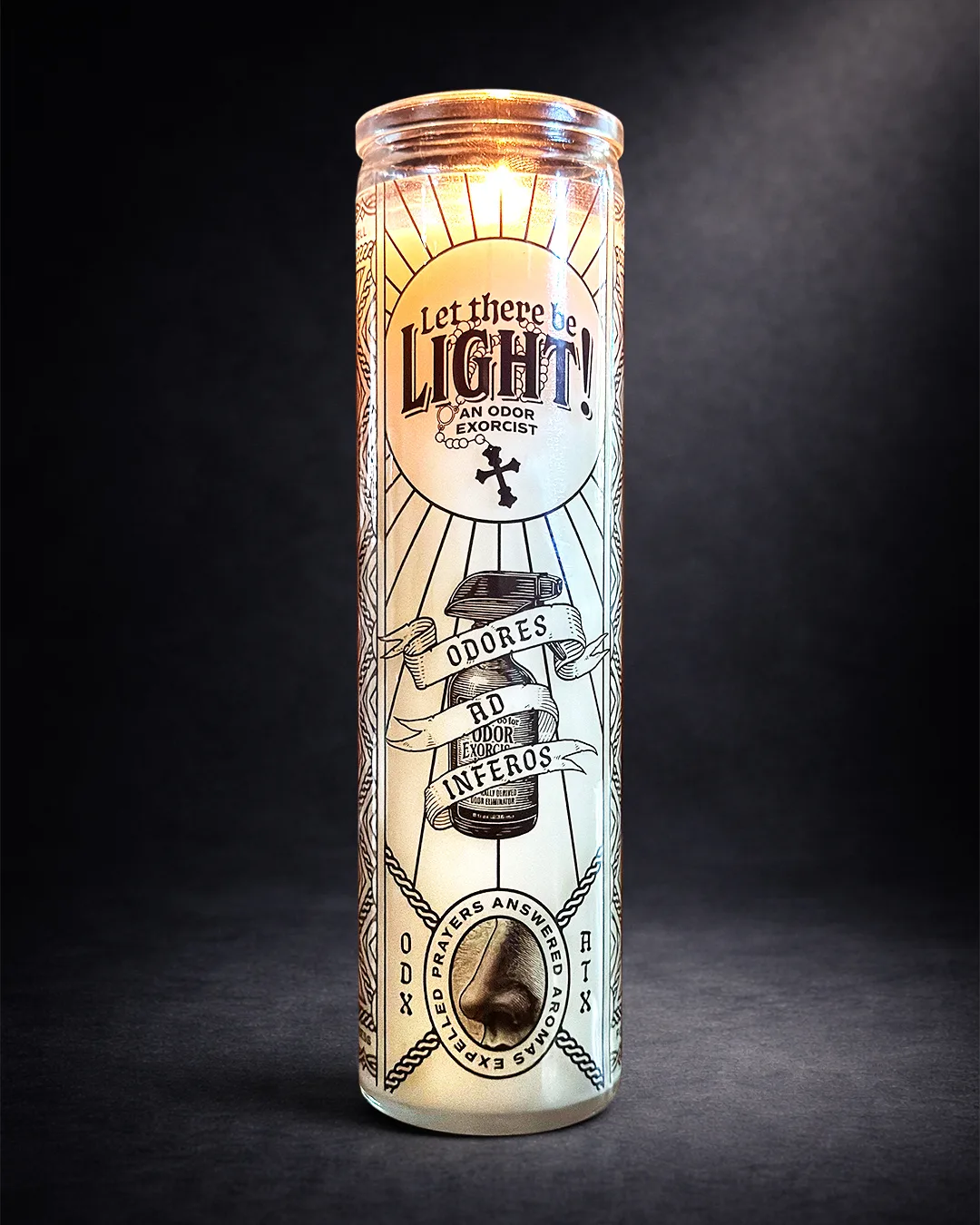
Candle Safety Without the House Fire Drama
Evangelize


September 17, 2026
A candle can turn a questionable Tuesday into a cozy little ritual in about 30 seconds. It can also turn a forgotten coffee table into a scene from a cautionary horror movie. That is why candle safety deserves more respect than the average “I’ll only be gone for a minute” mindset.
A good candle should make your space feel warm, calm, and pleasantly haunted by a nice scent – not leave soot on the walls, wax on the furniture, or your smoke alarm screaming like it has seen the devil himself. The rules are simple, but the details matter. Here is how to burn smarter without sacrificing the mood.
Candle Safety Starts Before You Light It
Where you place a candle matters as much as what is inside it. Set it on a stable, heat-resistant surface where it cannot be bumped by a dog tail, a toddler with big plans, or your own sleeve while reaching for the remote. Coffee tables, countertops, and shelves can work well if they are level and clear.
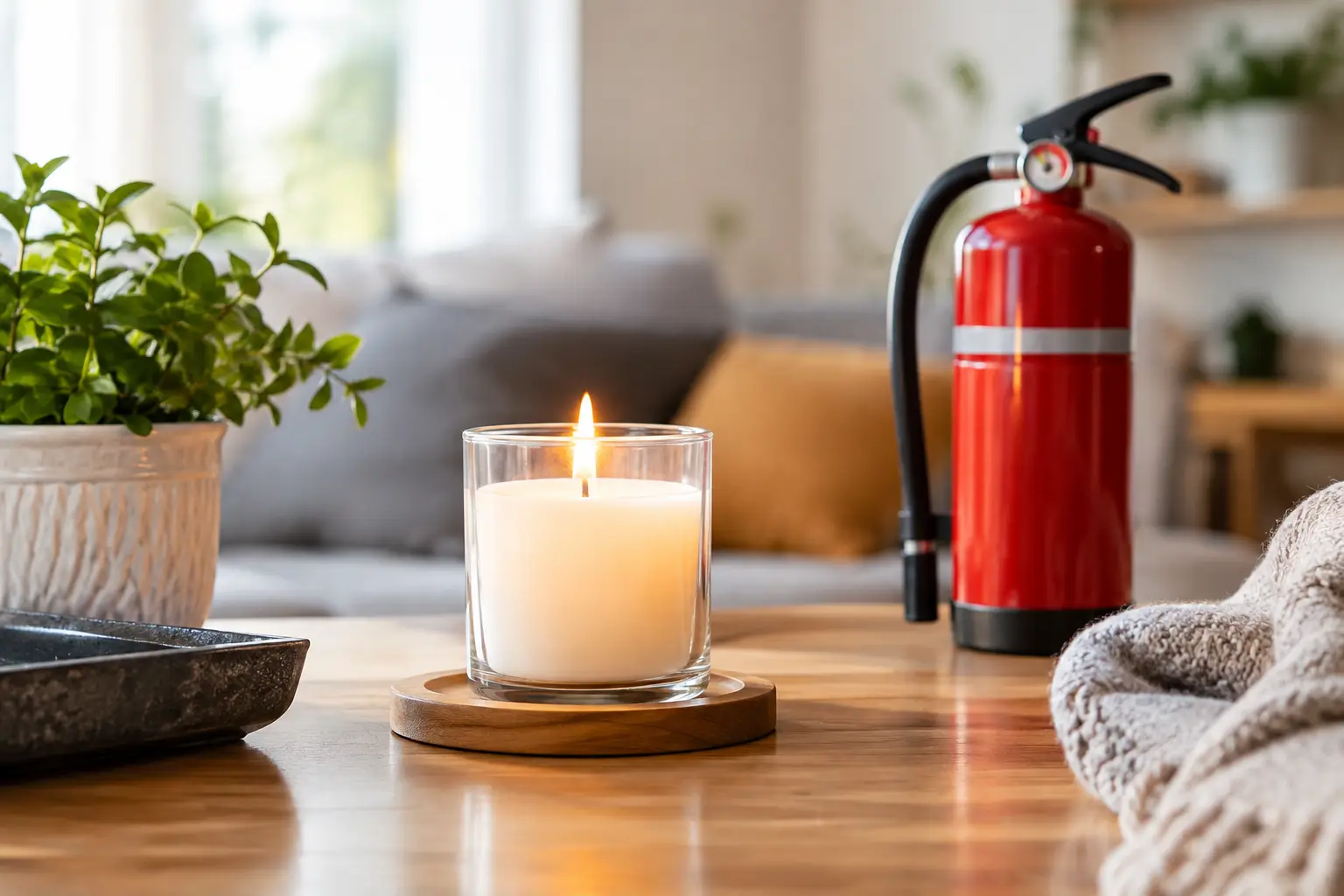
Keep at least 12 inches of space around the candle. That means no curtains, books, blankets, paper towels, dried flowers, fake greenery, or decorative clutter crowding the flame. A candle surrounded by flammable “cozy decor” is not a vibe. It is kindling with better branding.
Avoid burning candles in drafty spots. Open windows, ceiling fans, air vents, and heavy foot traffic can make a flame flicker wildly, burn unevenly, and send soot climbing up the container. Drafts can also push the flame too close to one side of the vessel, creating excess heat where you do not want it.
If you live with pets or young kids, placement needs an extra layer of common sense. A high, secure surface is better than a low table. Never assume an animal will ignore a candle because it ignored it yesterday. Cats, especially, are tiny acrobats with zero respect for your home fragrance ritual.
The Wick Is Small but Extremely Dramatic
Before every burn, trim the wick to about one-quarter inch. Yes, every time. A long wick creates a taller flame, more smoke, more soot, and a hotter burn. That black mushroom-shaped buildup on the wick is not candle character. It is a sign the wick needs attention.
Use a wick trimmer if you have one, or carefully use scissors once the wax has cooled and hardened. Remove any trimmed wick debris from the wax before relighting. Leaving bits in the wax can give the flame extra material to burn, which is a ridiculous way to add chaos to a relaxing evening.
The first burn matters, too. Let the melted wax pool spread close to the edge of the container, usually within the burn-time guidance on the label. This helps prevent tunneling, when the candle burns a deep hole down the middle and leaves a thick ring of unused wax at the sides. But do not try to force a perfect wax pool by burning the candle for six straight hours. A candle is not a marathon runner.
Most container candles should not burn longer than three to four hours at a time, unless the label specifically says otherwise. Long burns overheat the jar, stress the wick, and can make the flame grow too large. Extinguish it, let it cool completely, trim the wick, and resume your scented séance later.
Watch for a Flame That Is Acting Possessed
A calm candle flame is generally steady and modest. If it is flickering aggressively, smoking, popping, or producing a flame taller than about an inch, put it out. Let the wax cool, trim the wick, check for drafts, and make sure no debris has fallen into the wax.
A little scent throw is lovely. A room filling with smoke is not proof your candle is “working harder.” It is a warning that something needs to change.
Never Leave a Burning Candle Unattended
This is the part everyone knows and people still gamble with. Do not leave a burning candle unattended – not for a quick shower, a grocery run, bedtime, a phone call downstairs, or a trip to check the laundry. The laundry will survive without ambiance.
Extinguish candles before leaving the room, even if you expect to be back quickly. If you are sleepy, extinguish it. If you have had wine, extinguish it. If the dog suddenly starts barking at an invisible enemy in the hallway, definitely extinguish it.
Use a candle snuffer when possible. Blowing out a candle works, but it can splash melted wax or send a little smoke plume into the room. A snuffer puts out the flame more cleanly. Once extinguished, leave the candle alone until the wax is fully solid. Moving a hot candle is how wax ends up on furniture, fingers, and every surface you had hoped to keep un-haunted.
Candle Safety and Clean Ingredients Are Different Things
Ingredient-conscious shoppers are right to read labels. The kind of wax, fragrance, dye, and wick used in a candle can affect scent experience and indoor air preferences. Many people choose soy wax candles because soy is a renewable, plant-based wax that generally burns more slowly than paraffin. Others prefer candles made without heavy dyes or overpowering synthetic fragrance blends.
But here is the non-negotiable truth: a naturally derived candle is still an open flame. “Clean,” “natural,” and “soy” are not fire-safety force fields. Every candle needs the same responsible handling, no matter how wholesome its ingredient list looks.
Scent also deserves moderation. If a candle fragrance gives you a headache, feels irritating, or overwhelms a small room, put it out and air out the space. More scent is not always better. For homes with asthma, fragrance sensitivities, babies, or pets, it depends on the individual household and product. Choose thoughtfully, burn in a ventilated area, and pay attention to how everyone in the space responds.
Keep Containers, Wax, and Heat in Their Lane
Burn candles only in containers designed for candles. Never pour wax into a random glass, vintage teacup, thin jar, or mystery vessel and assume it can handle heat. Glass can crack or shatter when it is not made for high temperatures, especially if the container has a chip, crack, or uneven thickness.
Do not burn a container candle all the way down. Stop when about one-half inch of wax remains at the bottom, or follow the label if it gives a different instruction. Once wax gets too low, the flame sits closer to the base and the container can overheat. There is no prize for extracting the final teaspoon of wax.
Keep burning candles separated by at least three inches. Candles placed too close together create extra heat and can cause flames to lean, merge, or burn too hot. It may look dramatic, but your living room does not need a multi-candle summoning circle.
If wax spills, let it cool before cleaning it up. Do not pour water on melted wax, and do not use water to extinguish a candle. Water can splatter hot wax and create a much nastier mess. For a small wax spill on a hard surface, let it harden, gently lift it away, then clean the remaining residue according to the surface material.
What to Do If Something Goes Wrong
If a candle flame gets too large, starts smoking heavily, or appears to be burning outside its normal wick area, extinguish it safely if you can do so without risk. A snuffer or a metal lid that fits the container can deprive the flame of oxygen. Do not use the lid if it is not designed for that purpose or if placing it on the candle would put you in danger.
For a small candle fire, use a fire extinguisher rated for household fires if needed. Never use water on a wax fire. If the fire is spreading, leave immediately, get others out, close doors behind you if possible, and call 911. No candle, no matter how heavenly it smells, is worth playing amateur exorcist with a real fire.
It also helps to keep smoke alarms working and tested. That may not feel glamorous, but neither does explaining to your insurance company that the seasonal centerpiece had an uprising.
Make the Ritual Worth Repeating
The best candle routine is boring in exactly the right ways: clear surface, trimmed wick, sensible burn time, and a full extinguish before you leave or sleep. Those tiny habits protect your home while letting the candle do what it was hired to do – make the room smell better and feel more like yours.
Light the candle with intention, keep an eye on the flame, and save the real demons for your odor problems.