Essential Oil Spray Performance Review
Evangelize


September 15, 2026
A room can smell like a lavender field and still harbor the unmistakable ghost of wet dog, gym shoes, or last Tuesday’s takeout. That is the first test in any essential oil spray performance review: did the bad smell actually leave, or did it just get dressed up for church in a floral perfume cloud?
For homes that see pets, people, cooking, laundry piles, and the occasional suspicious closet, a good spray has a job bigger than making the air smell pleasant. It needs to address odor at its source without filling your space with a synthetic-fragrance fog that announces itself from three rooms away.
What “Performance” Really Means for an Essential Oil Spray
Performance is not one dramatic mist followed by angelic choirs. It is a practical question of whether a spray can noticeably reduce unpleasant odor on the surfaces and fabrics where that odor settles.
Odors cling to porous materials. Upholstery soaks up pet funk. Bedding holds onto body odor. Carpet remembers spills with the dedication of an ancient curse. Shoes collect sweat, bacteria, and whatever happened during that rainy walk. A spray that only perfumes the air may make the room smell different for a few minutes, but the source is still lurking below.
A stronger evaluation looks at four things: how quickly the odor changes, whether the smell returns after the scent fades, how the formula behaves on common household surfaces, and whether the fragrance itself is pleasant without becoming a new household problem.
Essential oils bring real aromatic character to a spray, but they are not automatically proof of odor elimination. “Natural” is not a magic spell. A formula has to be made to neutralize odors, not simply scatter a nice scent over them and hope nobody notices.
Essential Oil Spray Performance Review: The Real-Home Test
The most useful review does not happen in a pristine showroom. It happens where life gets a little feral: the dog bed, the bathroom hamper, the upholstered chair everyone loves, and the shoe pile by the door.
Start with a sniff test before spraying. Then use the product as directed, applying a light, even mist rather than soaking the item like it is being baptized against its will. Give the spray time to dry, especially on fabric. The immediate fragrance can be misleading, so check the area again after 15 to 30 minutes and once more a few hours later.
For stale air after cooking, spraying the room may provide a quick improvement. For a stubborn couch cushion or musty comforter, the result matters most after the surface has dried. If the original odor is still clawing through once the essential-oil scent settles down, the spray is acting more like a cover-up than an exorcist.
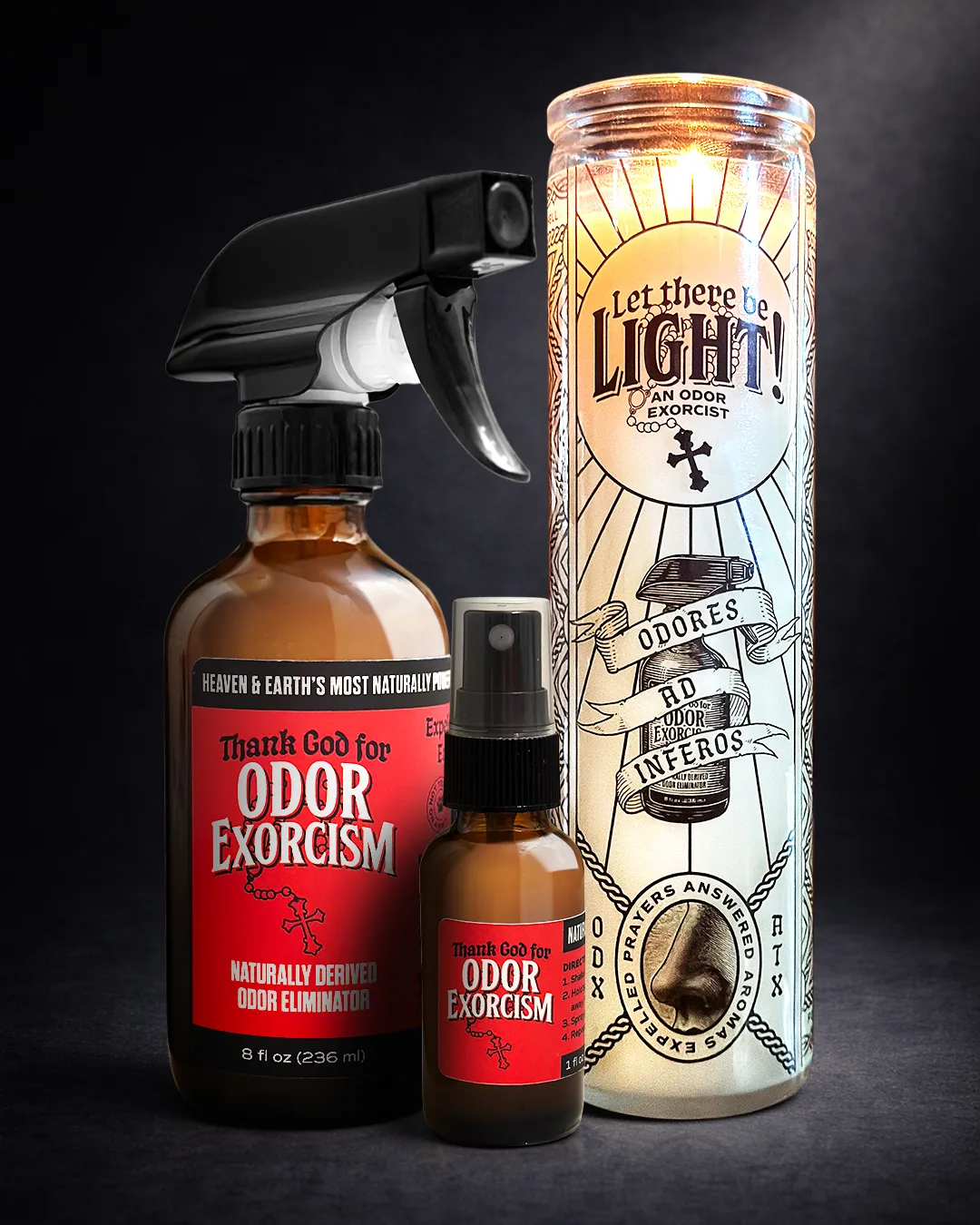
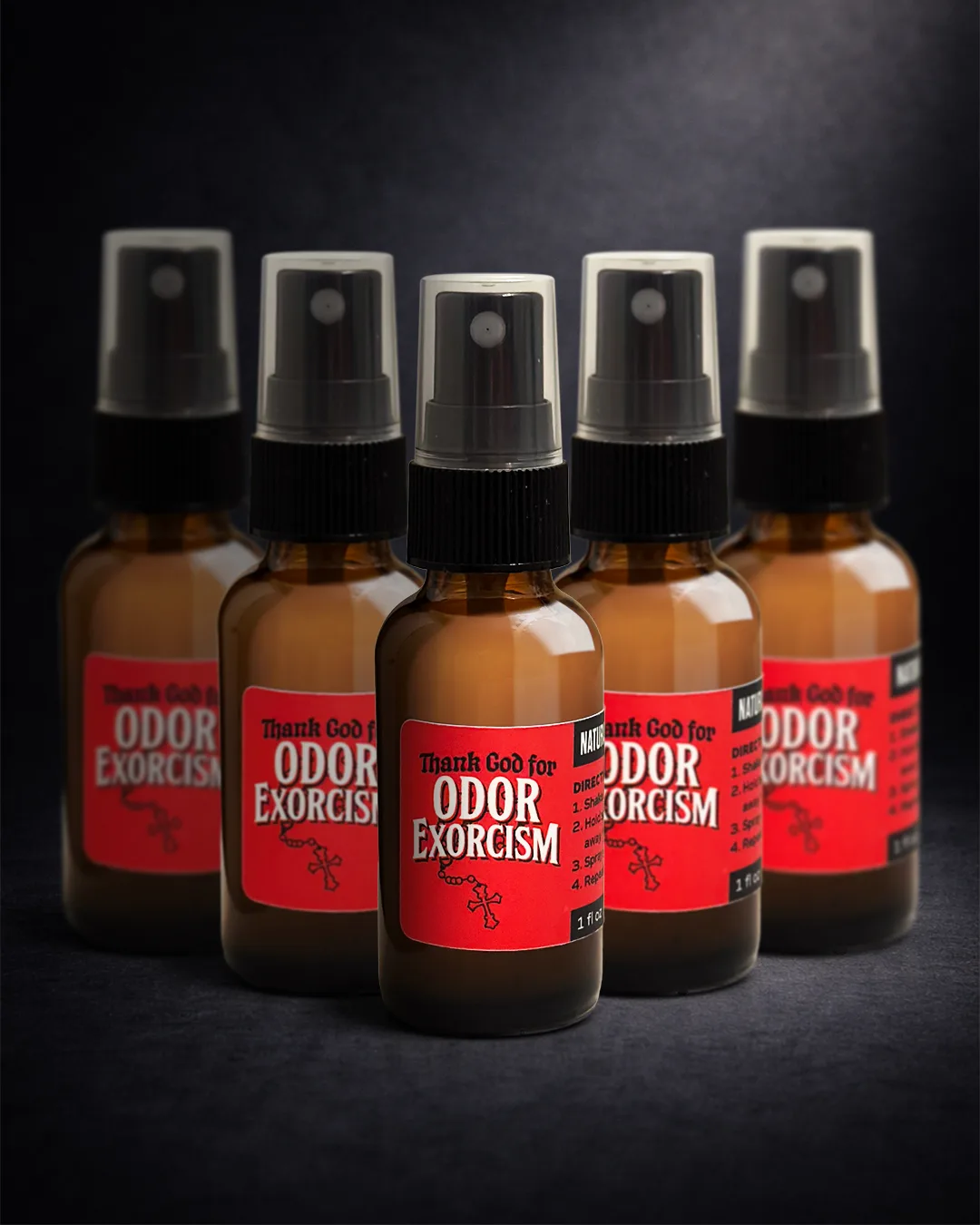
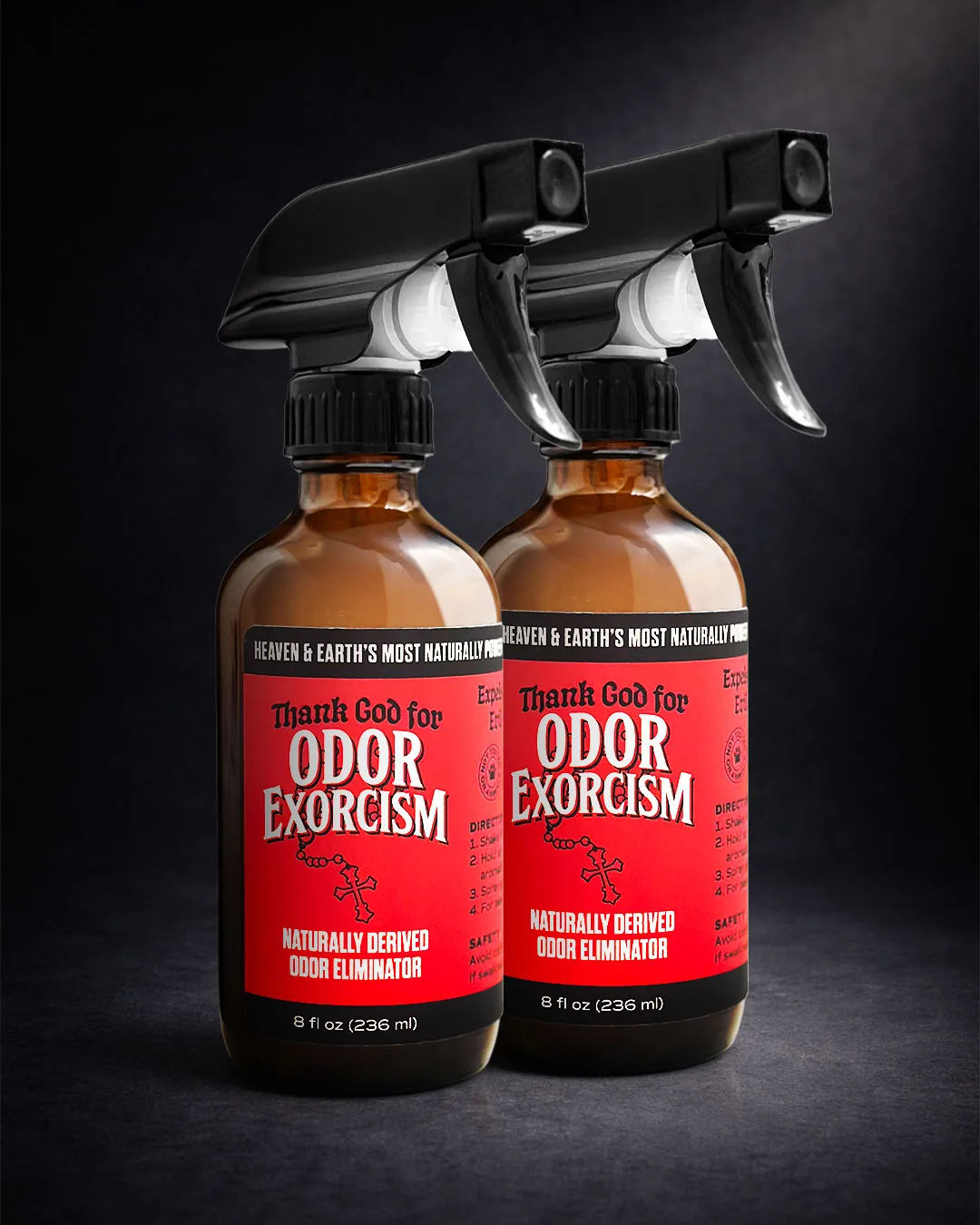
Odor Exorcism is built around the more demanding standard: naturally derived spray made to neutralize bad smells on contact, rather than merely fragrance-bombing the scene. That distinction matters most in tight spaces, where heavy conventional air fresheners can make the air feel less clean, not more.
Fabrics: Where the Stakes Get Smelly
Fabric is the place many sprays either earn their halo or go straight to the basement. Bedding, curtains, upholstery, clothing, and carpet fibers trap odor because they provide plenty of surface area for it to settle into.
A well-performing essential oil spray should leave fabric smelling fresher without a sticky residue or a damp, perfumed heaviness. Fine mist distribution helps. So does restraint: more product is not always better, particularly on delicate textiles. Test a hidden area first if you are spraying light-colored, vintage, silk, leather, or otherwise temperamental material. Even the holiest formula cannot guarantee every fabric will react the same way.
For pet bedding and throw blankets, the right expectation is meaningful odor reduction between washes, not a replacement for washing. If a blanket is deeply soiled, no spray is going to perform a miracle worthy of stained glass. Clean the source first, then use spray maintenance to keep the returning funk in check.
Shoes, Plastic, and Hard Surfaces
Shoes are odor’s favorite tiny apartment. Their enclosed structure, moisture, and regular contact with feet create a hostile little kingdom. A light spray inside after wear can help refresh them, but letting shoes air out is part of the process. Spraying directly into a closed shoe and immediately stuffing it in a dark closet is basically giving the demon privacy.
On hard, nonporous surfaces such as sealed wood and plastic, sprays tend to show quicker results because odors do not penetrate as deeply. Still, use a light application and wipe excess moisture when appropriate. Unsealed wood, unfinished surfaces, and specialty finishes deserve a spot test. “Works on wood” should never be interpreted as “pour it onto your antique dining table with fearless abandon.”
The Fragrance Test: Fresh Is Not the Same as Loud
People avoiding conventional air fresheners often have one complaint in common: the fragrance is the problem. Artificially sweet scents can cling for hours, trigger annoyance, or compete with every meal, candle, and person in the room. A home should not smell like a mall candle aisle fought a chemical factory and won.
Essential-oil-based scent has its own trade-off. It can smell brighter, more botanical, and less plasticky than a synthetic perfume blast, but it may not project as aggressively or last as long in the air. That is not necessarily a weakness. For many ingredient-aware households, a scent that does its work and then backs off is exactly the point.
The best performance is balance. You want to notice a clean, pleasant aroma after spraying, then notice that the original odor is gone. You do not want to keep noticing the spray for the rest of the day because it has taken over the lease.
When a Spray Cannot Save the Day
No honest review should pretend every odor has the same cause. Surface odors are good candidates for a quality odor eliminator spray. Deep mold, plumbing problems, a soaked subfloor, old pet urine in padding, smoke damage, or a dirty HVAC system are different beasts entirely.
If an odor keeps returning from the same location, investigate before repeatedly spraying. Remove contaminated materials, wash fabrics, clean drains, dry wet areas thoroughly, or call a professional when the issue is structural. A natural spray is household maintenance, not a tiny bottle of paranormal property restoration.
This is also where expectations matter. A spray can refresh a couch after a dog nap. It cannot make a couch that has endured years of accidents, moisture, and neglect smell factory-new without deeper cleaning. Anyone promising otherwise may be selling holy water with a barcode.
How to Get Better Results From Any Odor Spray
Technique changes the outcome more than most people think. Use enough product to lightly cover the affected area, but do not saturate it. Give fabrics airflow and drying time. Target the actual source instead of spraying randomly into the center of the room like you are trying to ward off a smoke alarm.
For recurring odors, build the spray into your routine. Freshen bedding between laundry days, mist the dog bed after use, treat shoes after workouts, and give upholstery attention before guests arrive. Small, regular interventions are less dramatic than an emergency scent ritual, but they work better.
Keep in mind that essential oils are concentrated aromatic ingredients. Follow label directions, avoid spraying near eyes or food-prep areas, and be thoughtful around children, pets, and anyone with known sensitivities. Natural ingredients deserve sensible use, not blind faith.
A spray earns a place in your cleaning cabinet when it leaves the space smelling like itself again – not like a suspicious perfume cover-up. Find the source, treat it well, let the area dry, and send that household funk back to whatever sulfurous realm it crawled out of.