Do essential oils remove odors or mask them?
Evangelize


July 1, 2026
That funky couch cushion, the dog bed with a dark past, the sneakers plotting chemical warfare by the door – this is where the question shows up fast: do essential oils remove odors, or do they just perfume the crime scene?
The honest answer is less magical than a grocery-store air freshener ad and more useful in real life. Essential oils can help with odor control. Some have properties that make a space smell cleaner, fresher, or less hostile to your nostrils. But on their own, they usually do not erase odor molecules at the source. Most of the time, they improve the smell experience rather than fully neutralizing the odor itself.
That distinction matters if you’re trying to banish actual household stink instead of dressing it in lavender robes and pretending the demon has left.
Do essential oils remove odors on their own?
Usually, no – not completely.
Essential oils are highly concentrated plant compounds. They smell strong because they contain volatile aromatic molecules, and those molecules can overpower milder bad smells for a while. In some cases, certain oils may also help reduce odor-causing bacteria on a surface, which can indirectly help with smell. Tea tree, eucalyptus, lemon, and lavender often get talked about for that reason.
But there is a catch, and it’s a big one. Odors come from actual compounds hanging around in the air, trapped in fabrics, or clinging to hard surfaces. Smoke residue, pet accidents, musty textiles, old food funk, body odor, mildew, and shoe stink all have different chemical causes. A pleasant scent does not automatically break those compounds down.
So if you drip a few drops of essential oil into a diffuser while your rug smells like wet dog and regret, the room may smell prettier for a while. The rug will still be possessed.
Why essential oils seem like they work
This is where people get fooled by the incense and theatrics.
Your nose experiences scent as a blend. If you add a stronger, nicer-smelling aroma into a space, the offensive smell can seem less obvious. That can feel like removal, especially at first. Citrus oils are famous for this because they create an immediate clean-smelling effect. Peppermint can make a room feel sharper. Lavender can soften a stale smell enough that you stop noticing the original offense.
That is not useless. Perception matters. If a room smells better, your home feels better. But there is a difference between improving the atmosphere and solving the odor problem. If the source remains, the smell often comes back as soon as the essential oil fades.
That is why some people swear by oils while others think they are nonsense. Both are reacting to different parts of the same truth.
When essential oils can help with odor control
Essential oils are not total frauds. They just get cast in the wrong role.
They can help in mild odor situations, especially when the smell is light, recent, or tied to a surface that has already been cleaned. For example, if you have freshly washed laundry that still feels a little flat, or a guest room that smells stale after being closed up, essential oils can add freshness. They can also work well as part of a broader odor-control formula where other ingredients are doing the actual neutralizing.
Some oils may also help in spots where microbes contribute to odor. Think gym bags, shoes, or bathroom textiles. Even then, the result depends on concentration, contact time, surface type, and whether the stink has penetrated deep into fabric or padding.
In other words, essential oils can support the ritual. They are rarely the whole exorcism.
Best uses for essential oils in smelly spaces
The smartest use is as a finishing layer after cleaning or neutralizing. Once the offending mess is removed, essential oils can make the room smell intentionally fresh instead of vaguely damp and emotionally defeated.
They also make sense in low-level maintenance. Linen sprays, closet refreshers, entryway touch-ups, and lightly funky upholstery can all benefit from a well-made essential-oil-based product. The keyword there is well-made. Tossing straight oil on a problem is not the same thing as using a formula designed to deal with odor.
Where essential oils fall short
This is the part the crunchy internet sometimes skips.
If the smell is strong, old, oily, biological, or soaked into porous material, essential oils alone are rarely enough. Pet urine in carpet padding, smoke in upholstery, mildew in towels, cooking grease in fabric, and deep shoe odor all tend to outlast simple scenting methods.
There are practical reasons for that. First, oils do not clean away residue by default. Second, many bad smells live below the surface. Third, adding oil to fabric without the right formula can leave spots, buildup, or an even stranger scent combination. Nothing says domestic failure quite like lemon oil layered over mystery couch musk.
There is also a safety angle. Essential oils are potent. Some can irritate skin, trigger headaches, or be risky around pets if used incorrectly or in high concentration. Natural does not mean use-with-abandon. If you have kids, animals, or sensitivities in the house, the method matters just as much as the ingredient.
What actually removes odors
Real odor removal happens when the offending compounds are cleaned up, broken down, trapped, or chemically neutralized.
Sometimes that means washing the fabric. Sometimes it means using baking soda, vinegar, enzymatic cleaners, or a purpose-built odor eliminator spray. The right option depends on what caused the smell in the first place. Pet messes usually need enzyme-based help. Mustiness may require drying and cleaning. Smoke often needs more serious surface treatment. General household funk responds well to products that are designed to neutralize odor molecules instead of blasting your home with a synthetic perfume cloud.
That is the key difference consumers should care about. A traditional air freshener often masks. A true odor eliminator is formulated to address the smell itself.
Do essential oils remove odors in a spray formula?
Now we are getting somewhere.
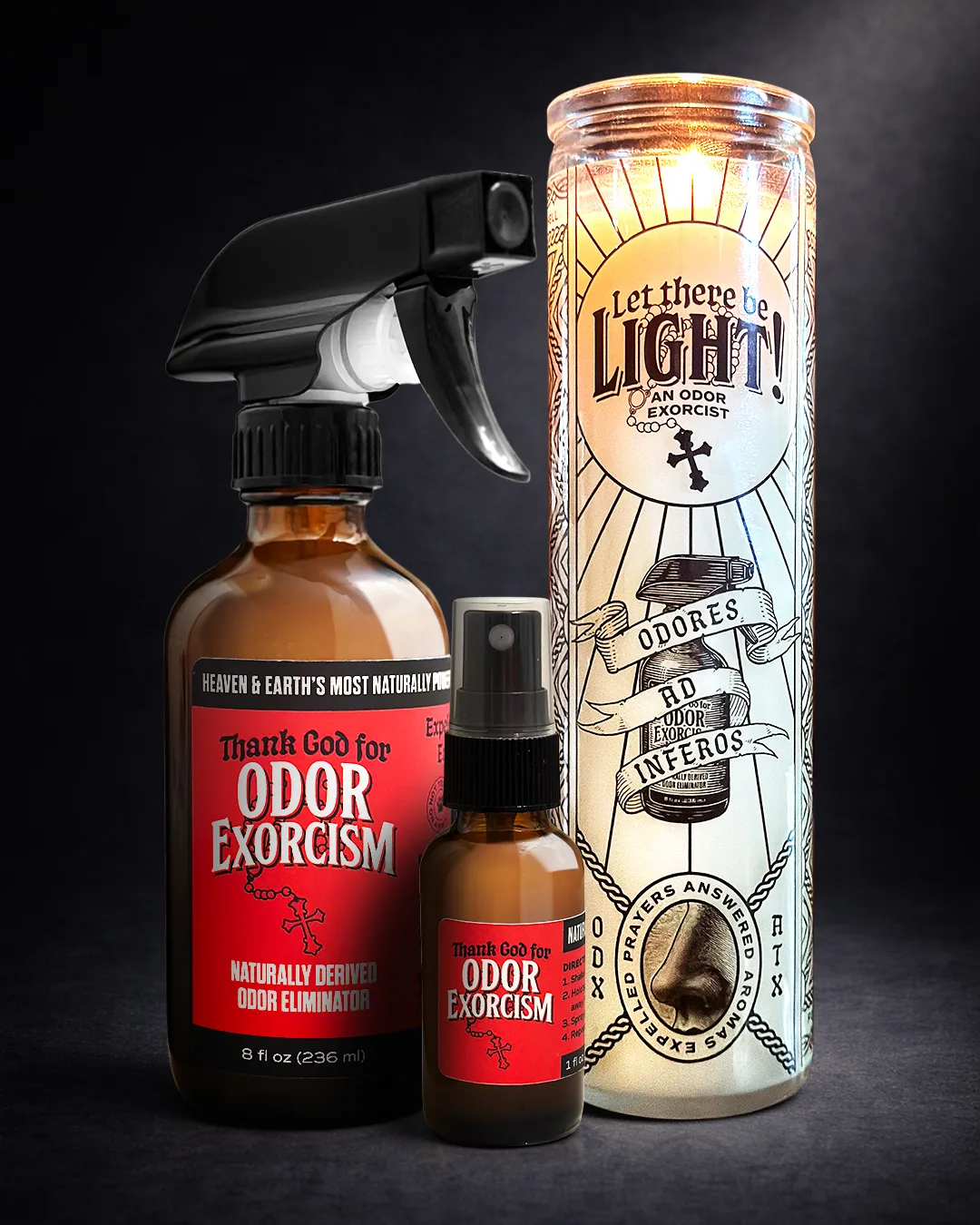
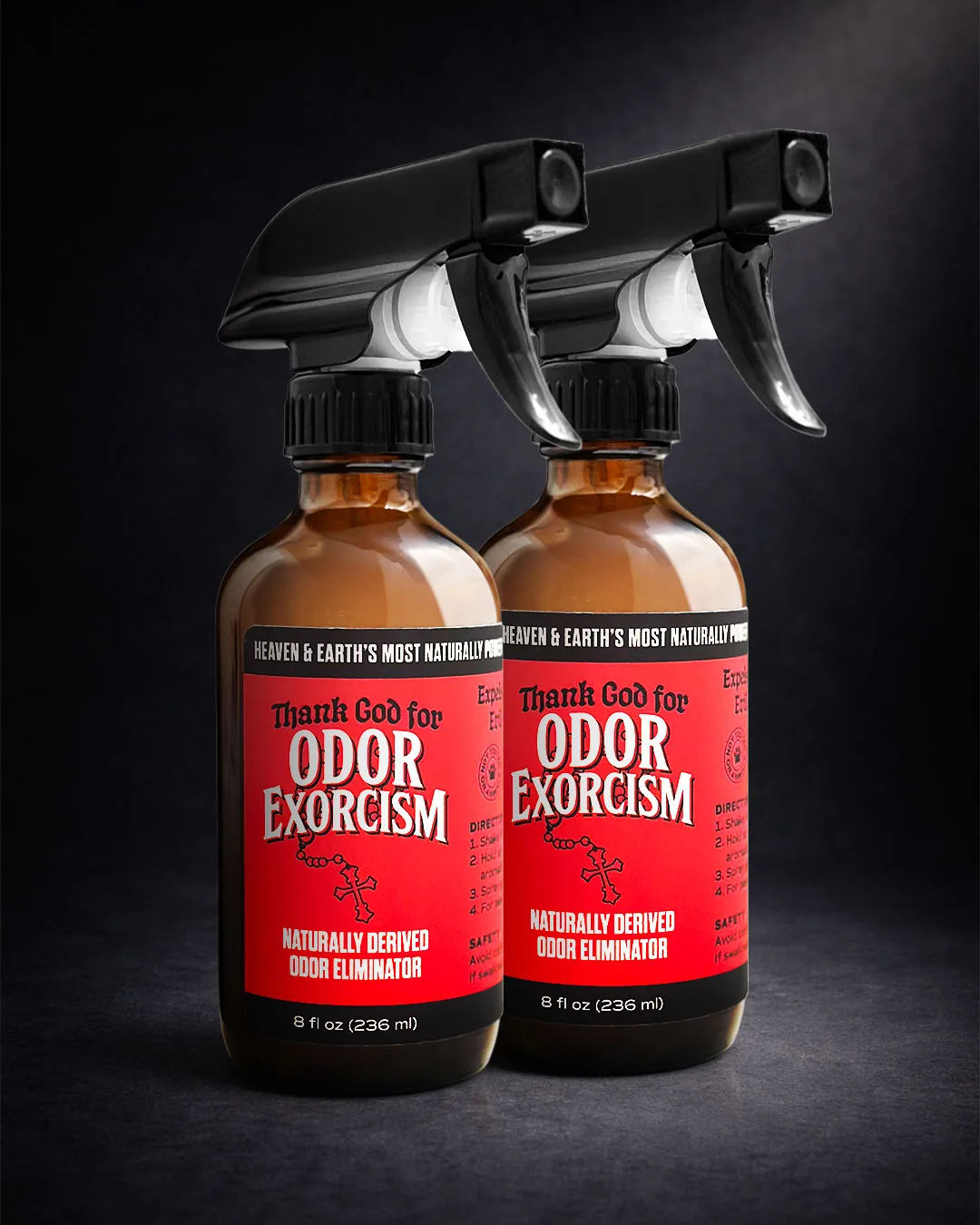
Essential oils can be part of an odor-removing spray, but they are not always the ingredient doing the heavy lifting. In a well-designed formula, they often play two roles. First, they provide a naturally derived scent profile that makes the product smell clean and pleasant. Second, depending on the oil and formulation, they may contribute some supportive odor-control benefits.
But the best formulas pair essential oils with ingredients chosen specifically for neutralization. That is how you get beyond masking. It is also how you avoid the depressing cycle of spray, sniff, hope, and betrayal.
This is why a product built around odor elimination tends to perform better than DIY oil-and-water mixtures. Homemade sprays can smell lovely for a minute, but they are often unstable, weak, or ineffective on real household odors. A professionally formulated spray can be safer on more surfaces, more consistent, and much better at handling the smells that actually make people panic before guests come over.
How to tell whether a product masks or neutralizes
Ignore the halo effect of words like fresh, clean, botanical, and breezy meadow nonsense. Look at what the product claims to do.
If it mostly talks about fragrance, scent experience, or room aroma, it is probably in the masking business. If it talks about neutralizing odors on contact, working on soft and hard surfaces, and tackling pet, fabric, shoe, or upholstery smells, that is a better sign it was made for actual odor elimination.
You can also test it in the wild. If the smell disappears briefly and then creeps back once the fragrance fades, you have a masker. If the odor is reduced even after the scent settles, that is closer to real removal.
For people who want a cleaner-feeling home without getting blasted by artificial fragrance, this distinction is huge. You should not have to choose between breathing a synthetic perfume storm and living with a haunted hamper.
So, do essential oils remove odors?
Sometimes they help. Rarely do they solve the whole problem by themselves.
If your goal is to lightly freshen a room, essential oils can do that beautifully. If your goal is to tackle embedded household odor, they work best as part of a true odor-elimination formula, not as the lone hero wearing a cape made of eucalyptus.
That is the sweet spot for ingredient-aware shoppers. You can want naturally derived scent and still expect performance. You can reject fake-fragrance overload and still demand that your home smell genuinely clean. And if you find a spray that uses essential oils while actually neutralizing stink instead of blessing it theatrically, congratulations – you have found the rare holy water that does more than smell nice.
Your nose deserves better than a cover-up.