Green Cleaning Trends That Actually Clear the Air
Evangelize


September 13, 2026
Your couch does not need to smell like a synthetic lavender ambush to be clean. The most useful green cleaning trends are pushing households away from cover-up fragrance and toward products that do the actual dirty work: cleaning surfaces, reducing waste, and neutralizing the odors haunting the place.
That shift matters because a clean-looking kitchen can still carry last night’s fish, a gym-bag stench can survive three laundry cycles, and a candle can only distract from litter-box funk for so long. Green cleaning is getting less interested in performing purity for the label and more interested in practical results. About time.
Green Cleaning Trends Are Getting More Honest
For years, “green” could mean nearly anything. A leaf on a bottle. A soothing shade of sage. A suspiciously vague promise that a product was “natural-inspired,” which sounds less like ingredient transparency and more like a séance conducted by a marketing department.
Consumers are getting sharper about this. They want to know what is in a cleaner, why it is there, and whether they can use it around kids, pets, bedding, and the small, poorly ventilated apartments where every smell throws a house party. That does not mean every ingredient with a scientific name is automatically evil. Water has a scientific name, too. It means shoppers are asking better questions than “Does this package look like it belongs next to a fern?”
The better brands are responding with clearer ingredient information and more specific claims. Instead of implying that a room will smell “fresh,” they explain whether a formula cleans grease, tackles mineral buildup, lifts stains, or neutralizes odor molecules. Specificity is not boring. It is how you avoid buying a bottle of perfumed wishful thinking.
The fragrance conversation is getting louder
One major shift is the move away from fragrance-heavy products that treat every household smell with a stronger smell. Traditional air fresheners can be especially guilty here. They may turn stale air into a tropical fruit parade, but the source of the odor is still lurking beneath the confetti.
Ingredient-aware households are increasingly choosing naturally derived scents, essential-oil-based options, or fragrance-free formulas depending on their needs. There is no universal winner. Some people love a subtle botanical scent after cleaning; others have sensitivities and want no scent at all. The common thread is control. People want to decide what goes into their air, rather than getting steamrolled by “Mountain Breeze Explosion.”
Odor Neutralization Is Replacing Odor Masking
This may be the green cleaning trend with the most day-to-day payoff. People are learning the difference between making a room smell stronger and making it smell cleaner.
Odor masking adds another scent to the situation. It can be fine for a brief mood boost, but it is not a cure for the dog bed, the damp towel pile, the thrifted chair with a mysterious past, or the sneakers that should probably be tried at The Hague. Neutralization targets odor at its source rather than asking a floral fragrance to fight for its life.
That distinction matters on soft surfaces. Fabrics, carpet, upholstery, bedding, and shoes hold onto odor because their fibers trap the compounds that create it. Opening a window helps. Washing what can be washed helps more. But for the surfaces that cannot take a spin through the laundry, an odor-eliminating spray designed for soft and hard household surfaces is a useful supporting player.
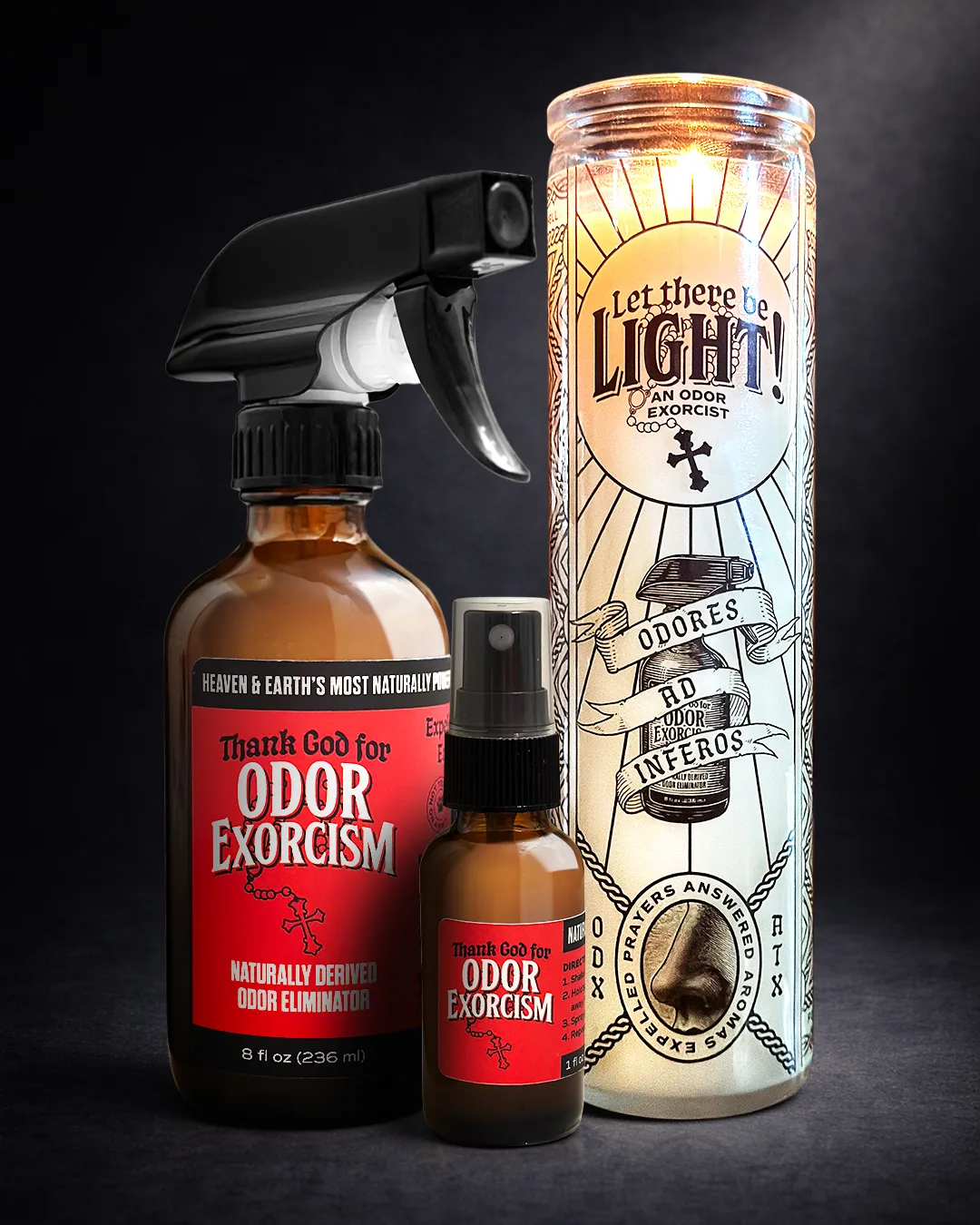
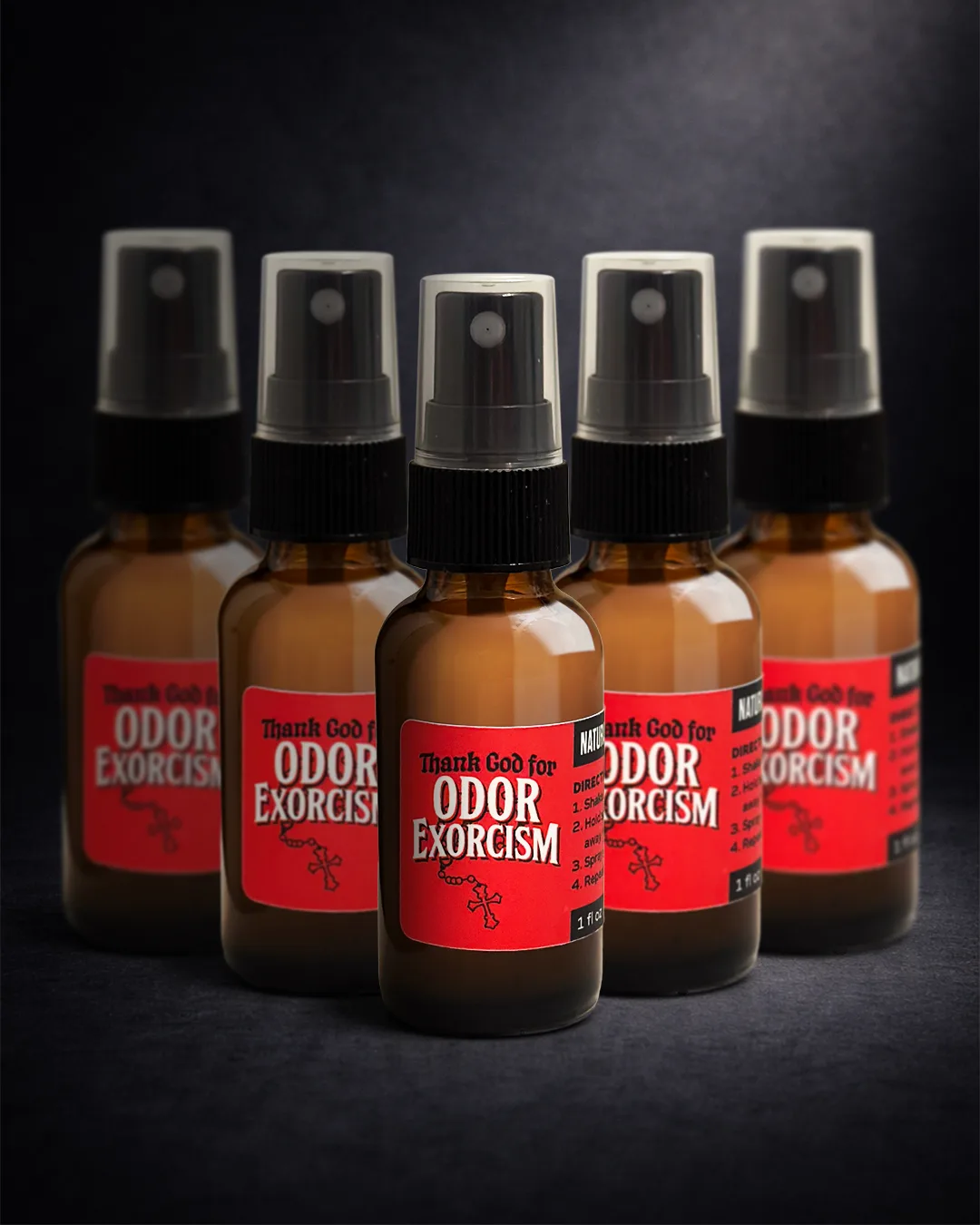
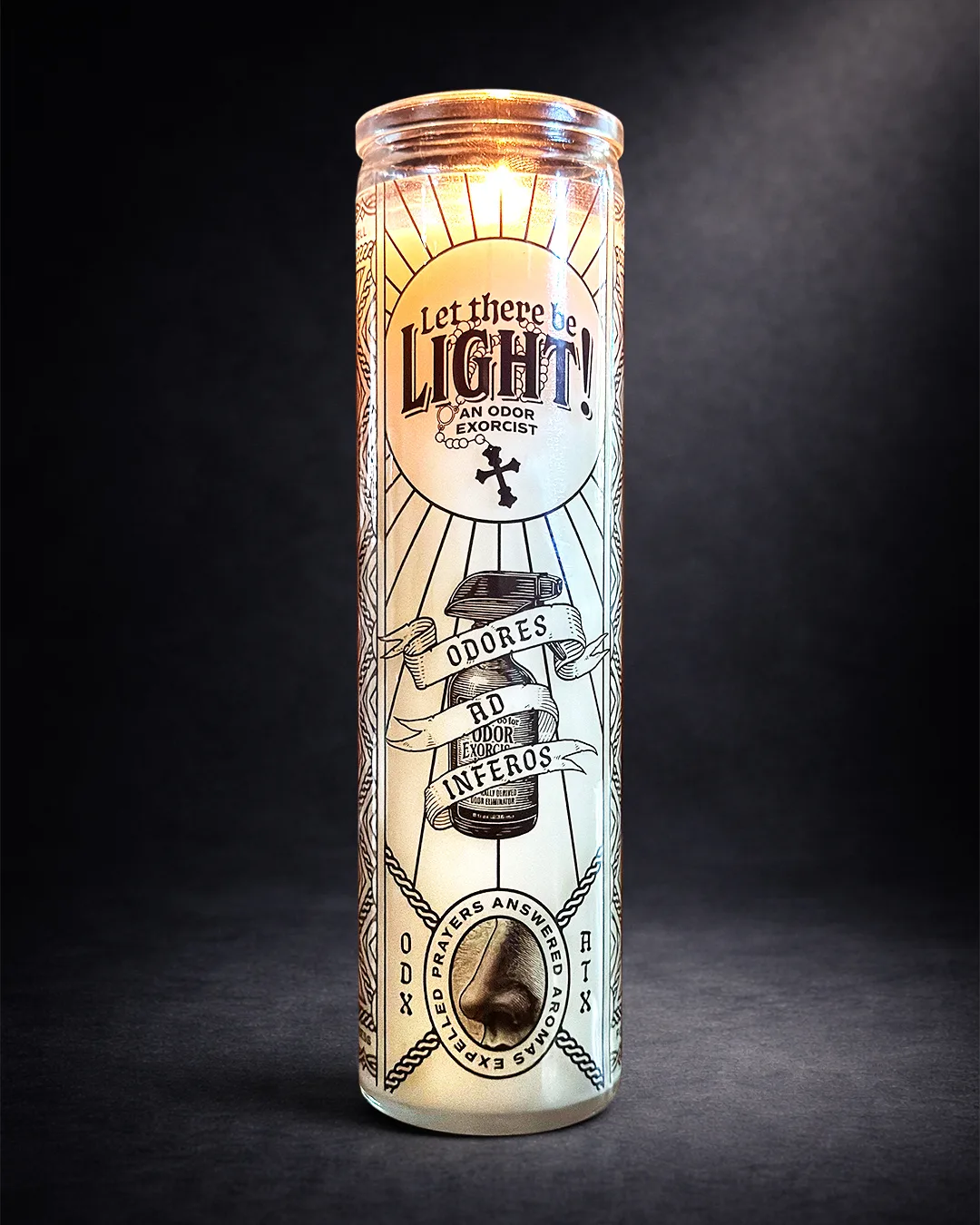
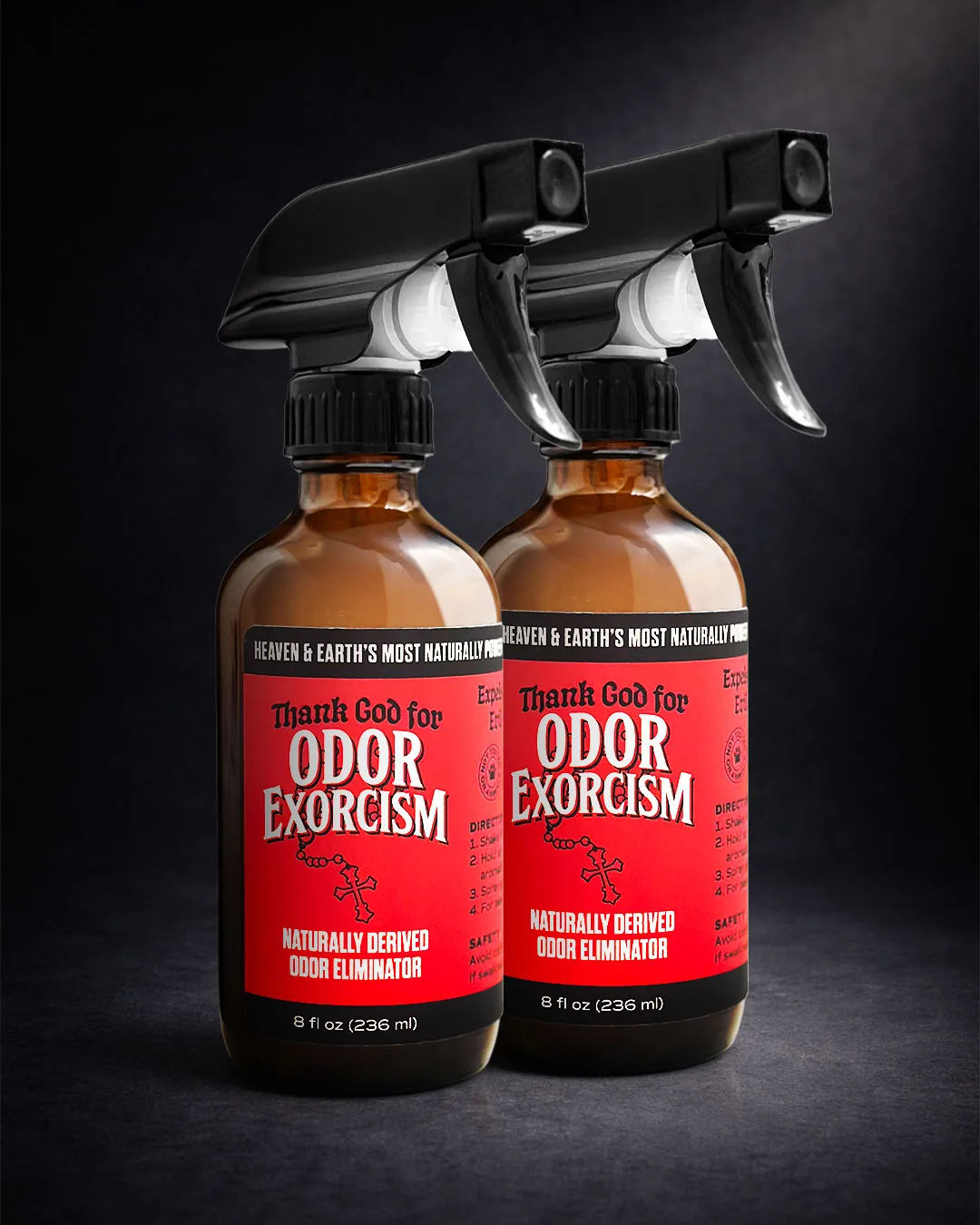
Odor Exorcism fits this newer approach: naturally derived, essential-oil-based odor elimination meant to neutralize bad smells instead of simply baptizing them in synthetic perfume. Use a product according to its directions, test an inconspicuous spot first, and remember that no spray can fix a mold problem, a leak, or trash that has achieved sentience under the sink.
Refill Systems Are Becoming the Less Glamorous Hero
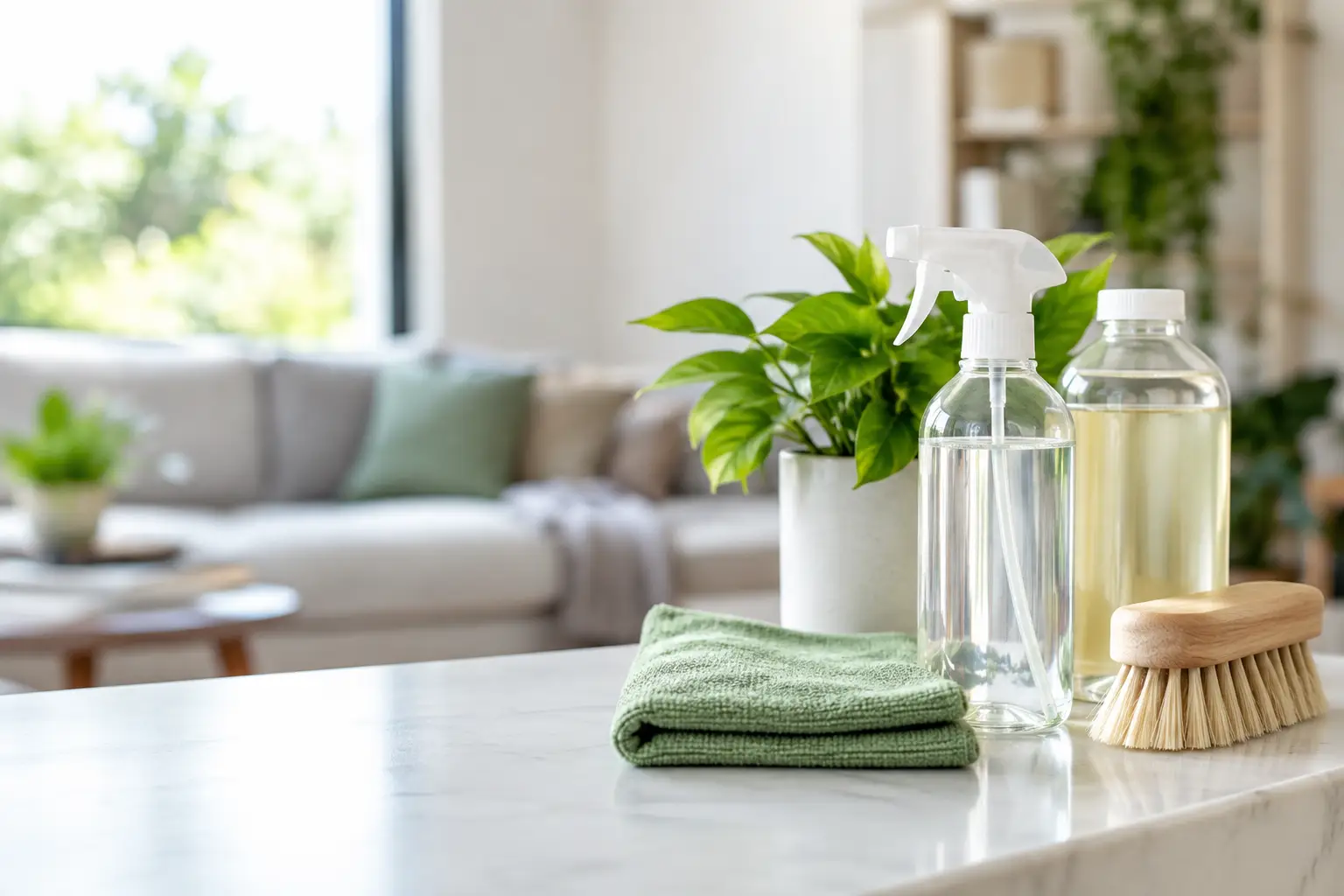
Plastic waste is not a sexy topic, which is exactly why it deserves attention. The cleaning aisle has long been packed with single-use bottles that get tossed after a few weeks of wiping counters and arguing with soap scum. Refill systems aim to cut down on that cycle by letting shoppers reuse a durable spray bottle and replenish the formula with concentrates, tablets, or bulk refills.
The environmental benefit depends on the system. A tiny concentrate shipped in minimal packaging can make a meaningful difference compared with repeatedly shipping mostly water in heavy plastic. But not every refill model is automatically saintly. If a product requires special accessories, complicated mixing, or constant replacement parts, it may create more friction than it removes.
For most homes, the best refill system is the one people will actually use. Keep a clearly labeled bottle where you need it, follow dilution instructions precisely, and do not turn every cleaner into a chemistry experiment. More concentrate is not always better. It can leave residue, waste product, or create an unnecessarily harsh formula.
Multipurpose Products Are Winning Shelf Space
The average home does not need an armed battalion of 17 specialized sprays for every possible square inch. Multipurpose cleaners are having a moment because they simplify routines, reduce clutter, and help people buy less packaging overall.
Still, “all-purpose” has limits. A gentle everyday cleaner may be excellent for sealed counters, appliance exteriors, and quick wipe-downs, but it may not be the right choice for disinfecting after raw meat, dissolving heavy oven grease, or removing serious mineral scale. Green cleaning works best when it is practical, not dogmatic.
A small, sensible kit can cover most situations: a dependable all-purpose cleaner, a dish soap that cuts grease, a bathroom product suited to mineral deposits, laundry detergent, and an odor neutralizer for fabrics and other smell-trapping surfaces. Add microfiber cloths that can be washed and reused, and you have fewer disposable wipes haunting the landfill.
The return of boring, effective habits
Some of the strongest green cleaning practices are not products at all. They are habits your grandmother might recognize, though she probably did not call them a sustainability framework.
Ventilate bathrooms and kitchens to reduce lingering moisture and cooking odors. Wash towels before they turn into damp little curses. Let shoes air out instead of sealing them in a dark closet. Clean spills promptly. Empty trash before it starts developing a personality. These moves prevent odor and grime from becoming a much bigger problem that demands stronger products later.
Microfiber deserves a measured mention here. High-quality microfiber cloths can clean effectively with less product and can be reused many times. The trade-off is that they are synthetic, so wash them carefully, avoid excessive heat, and use a laundry bag designed to catch shed fibers if you have one. Cotton rags made from retired T-shirts are another perfectly respectable option for messy jobs.
Fewer Antibacterial Claims, Better Cleaning Choices
Another encouraging trend is a more realistic understanding of what cleaning can and cannot do. Not every surface needs to be blasted with antibacterial products every day. For ordinary grime, regular cleaning with an appropriate product and physical wiping is often the point. Save disinfectants for situations where they are genuinely called for, and use them exactly as directed.
This is not an argument against hygiene. It is an argument against treating your coffee table like a biohazard lab while ignoring the damp sponge breeding drama by the sink. Clean the high-touch spots when needed, replace or sanitize sponges, and focus on the sources of mess and odor rather than panic-buying the harshest bottle available.
What to Look for Before You Buy
A greener product is not just one with a leafy label and a sermon on the back. Look for transparent ingredients, clear use instructions, packaging that makes sense for the product, and claims that match the task. If it says it removes odor, ask whether it neutralizes odors or merely perfumes the air. If it is concentrated, make sure you are willing to mix and store it correctly.
Also consider the surfaces in your home. Natural stone, unfinished wood, delicate fabrics, and electronics need different care than sealed laminate and tile. A cleaner can be thoughtfully formulated and still be wrong for a particular material. The label is not sacred scripture, but reading it can prevent a very annoying exorcism involving a stained countertop.
The future of green cleaning is not about making your home smell like an enchanted meadow 24 hours a day. It is about using fewer needless products, choosing cleaner formulas where they make sense, and dealing with odors before they become the uninvited demon in every room. Start with one shelf, one habit, and one smell that has overstayed its welcome.