Air Freshener Toxicity: What’s in Your Air?
Evangelize


August 31, 2026
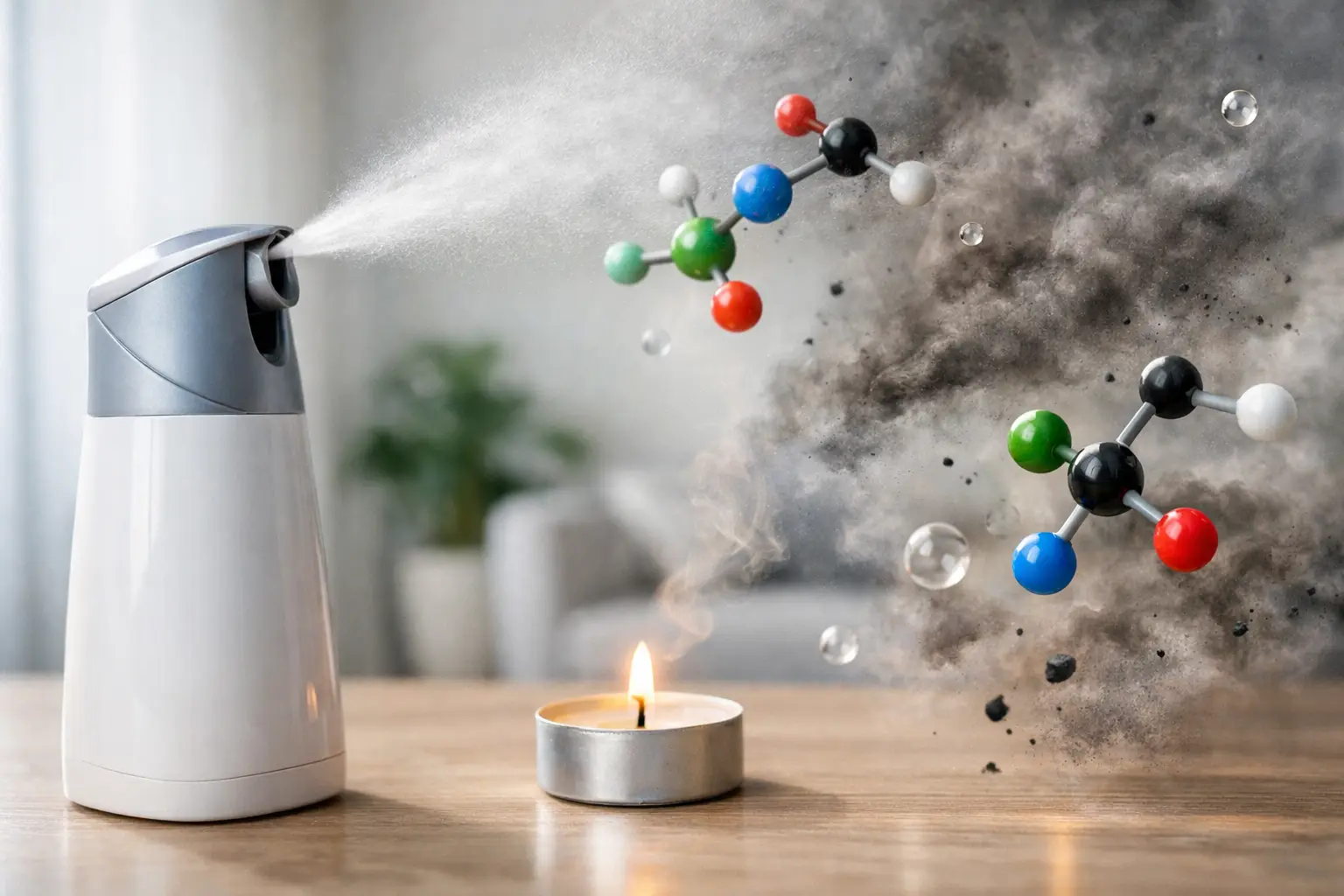
A plug-in puffs out “Fresh Linen,” the bathroom spray declares war on evidence, and suddenly your home smells like a candle aisle wearing a lab coat. But air freshener toxicity is a reasonable thing to question, especially when that scent is hanging around the bedroom, nursery, car, or tiny apartment you cannot exactly escape from.
The goal here is not to turn every scented product into a household demon. It is to understand what different air fresheners do, why some people react badly, and how to deal with actual odors without simply baptizing them in a cloud of mystery fragrance.
Why air freshener toxicity gets complicated
“Air freshener” is a category, not one ingredient. It includes aerosol sprays, plug-ins, gels, candles, wax melts, reed diffusers, scented oils, and products marketed as odor eliminators. Their formulas, delivery systems, and intensity can vary wildly. That means there is no honest one-line verdict that every air freshener is toxic or that every scented product is harmless.
The concern usually comes down to exposure. Many conventional products use fragrance blends that may contain volatile organic compounds, often called VOCs. These are chemicals that can evaporate into indoor air. Some fragrance formulas can also include ingredients that are not individually listed on a consumer label because they fall under the broad word “fragrance.” That lack of detail is frustrating for ingredient-aware shoppers who would rather know what is haunting their living room.
For many people, occasional use in a well-ventilated room may not cause an obvious problem. For others, a heavily fragranced product can trigger headaches, nausea, coughing, eye irritation, or a general feeling that the room has become aggressively perfumed. People with asthma, allergies, migraines, chemical sensitivities, or respiratory conditions may be more likely to notice an issue. Babies and pets also spend a lot of time close to floors, fabrics, and enclosed indoor air, which gives cautious households another reason to read labels carefully.
The problem with masking a smell
A bad odor is often a clue. It can point to damp laundry, a neglected trash can, pet accidents, spoiled food, mildew, dirty upholstery, or shoes that have crossed over to the dark side. Covering that clue with strong fragrance may make a room smell sweeter for a while, but it does not necessarily solve the source.
This is where the difference between masking and odor elimination matters. A masking product adds a stronger scent over the existing odor. An odor-eliminating approach is designed to neutralize the odor itself, ideally alongside cleaning or removing the source. If a couch smells like wet dog, spraying perfume into the air is less of a solution and more of a scented hostage situation.
That does not mean every home must smell like absolutely nothing. Scent can be enjoyable, comforting, and part of how a space feels. The better question is whether the product is adding more to the air than you want, and whether it is doing useful work.
What to watch for in conventional air fresheners
A label does not have to look like a chemistry exam to deserve scrutiny. Start with the product type. Aerosols disperse fine particles and fragrance rapidly into the air, which can be irritating for sensitive people. Plug-ins and automatic sprayers deliver fragrance continuously, so even a small amount becomes a near-constant exposure in a closed room. Strongly scented gels, oils, and wax products can also build up quickly in small spaces.
Then look at the ingredient information. Broad terms such as “fragrance” or “parfum” do not automatically make a product unsafe, but they can make it harder to assess if you are avoiding specific ingredients or trying to identify a trigger. Products that offer clear ingredient disclosures give you more control than products that ask you to trust the fog machine.
Also be wary of vague marketing. “Natural,” “clean,” and “green” can describe a brand’s intent, but they are not guarantees of safety or complete transparency. Essential oils are naturally derived, yet they are still concentrated aromatic compounds. They can be irritating to some people, and certain oils are not appropriate around particular pets, children, or people with sensitivities. Natural is not a magic force field. Dose, ventilation, surface, and individual health needs all matter.
A lower-drama way to freshen your home
The cleanest indoor-air move is often boring but effective: remove the odor source. Empty the trash. Wash the pet bedding. Dry wet towels fully. Clean the fridge spill. Treat the carpet accident. Open a window when outdoor conditions allow. Vacuuming, laundering, and managing humidity can make a bigger difference than any fragrance product trying to perform an exorcism on a moldy hamper.
When you do use a scent or odor-control product, use it with intention. Choose products with transparent ingredient information. Avoid saturating a small, closed room. Spray or diffuse sparingly, then give the space time to air out. Keep scented products away from food-prep surfaces and out of reach of kids and pets. Follow label directions, because more is not fresher. More is just more.
For fabrics, upholstery, shoes, bedding, and other odor-holding surfaces, a targeted odor eliminator can be more practical than blasting the whole room. Odors often live in the material itself, not floating around like a tiny evil spirit waiting for a plug-in refill. Treating the source can reduce the need for continuous fragrance altogether.
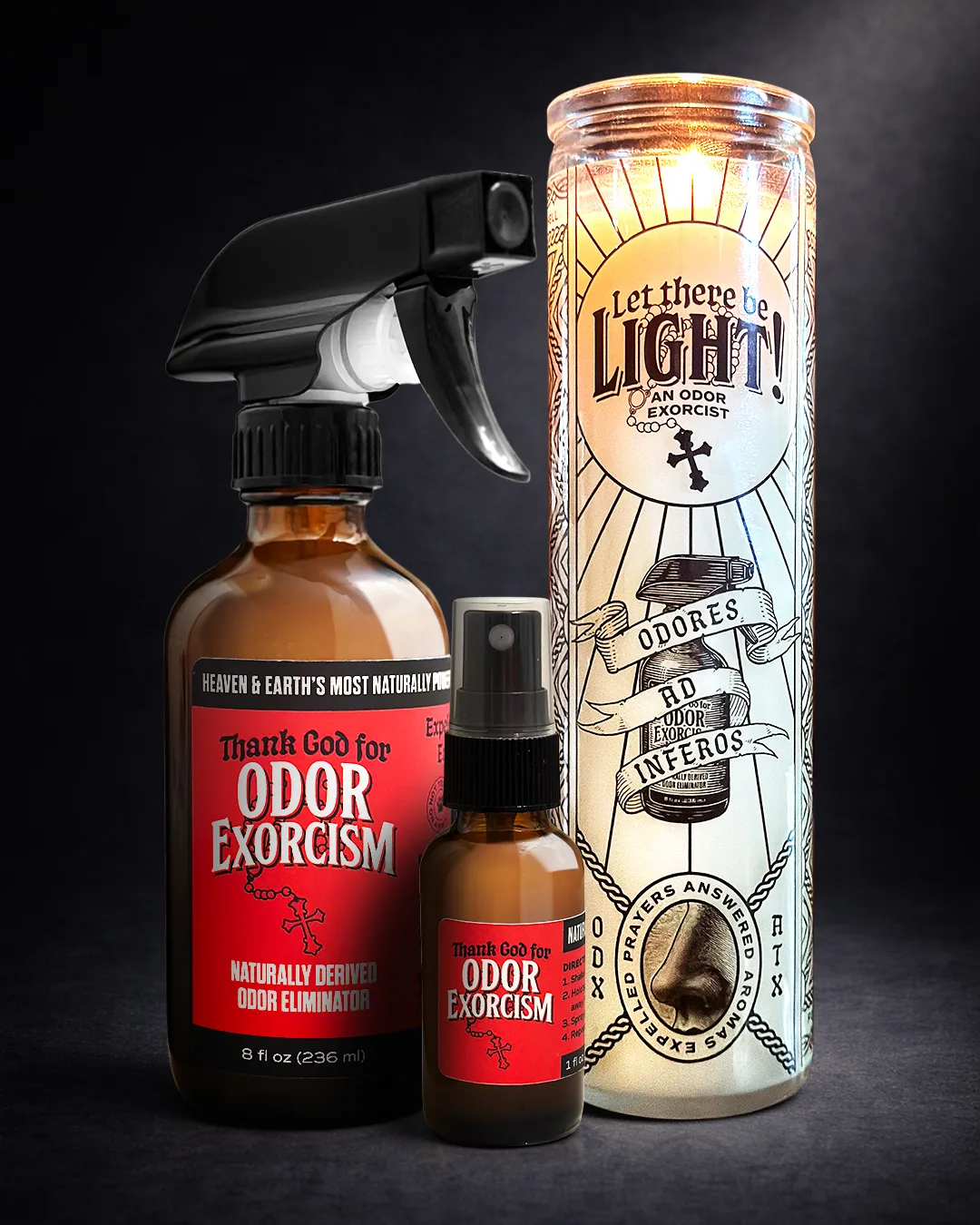
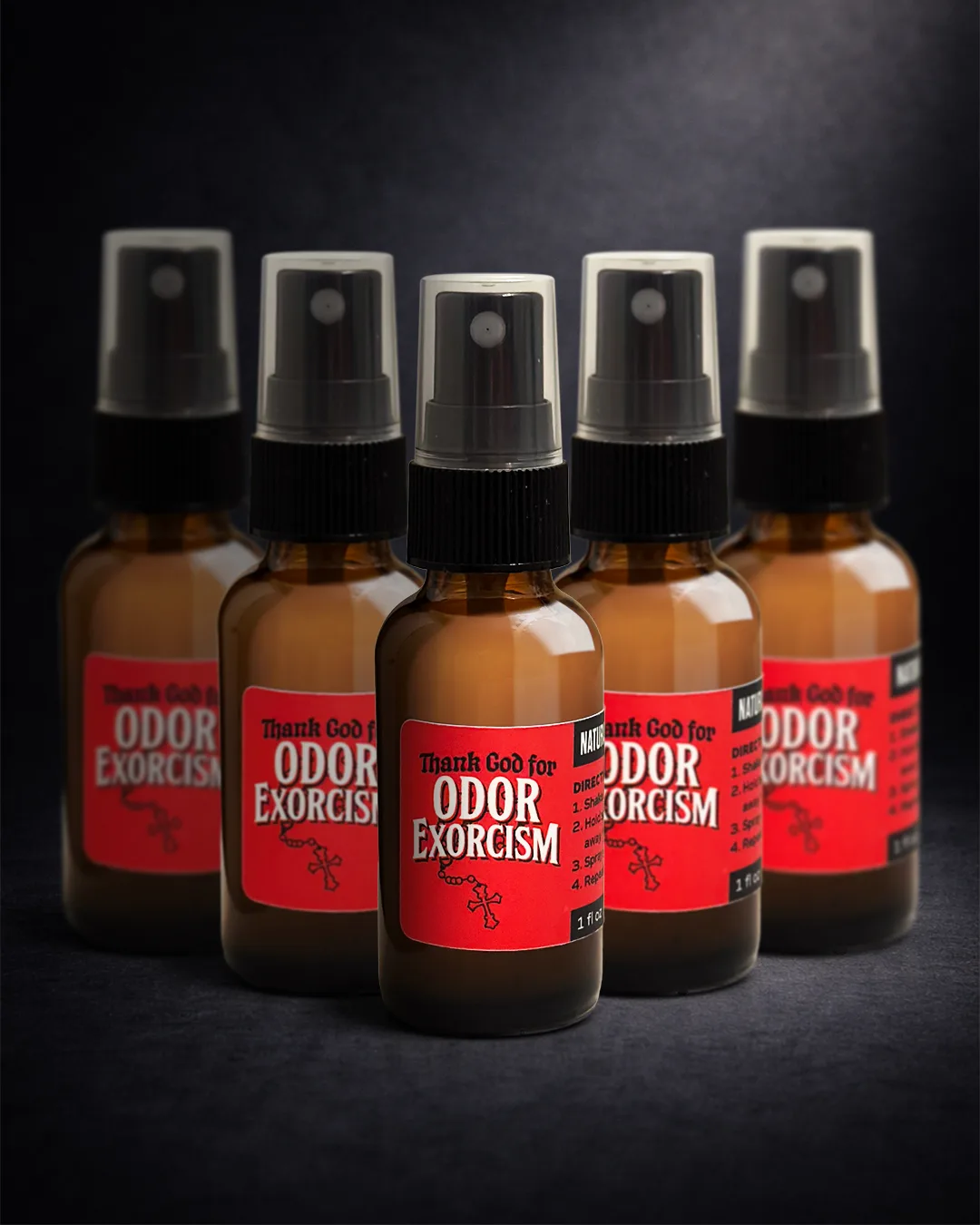
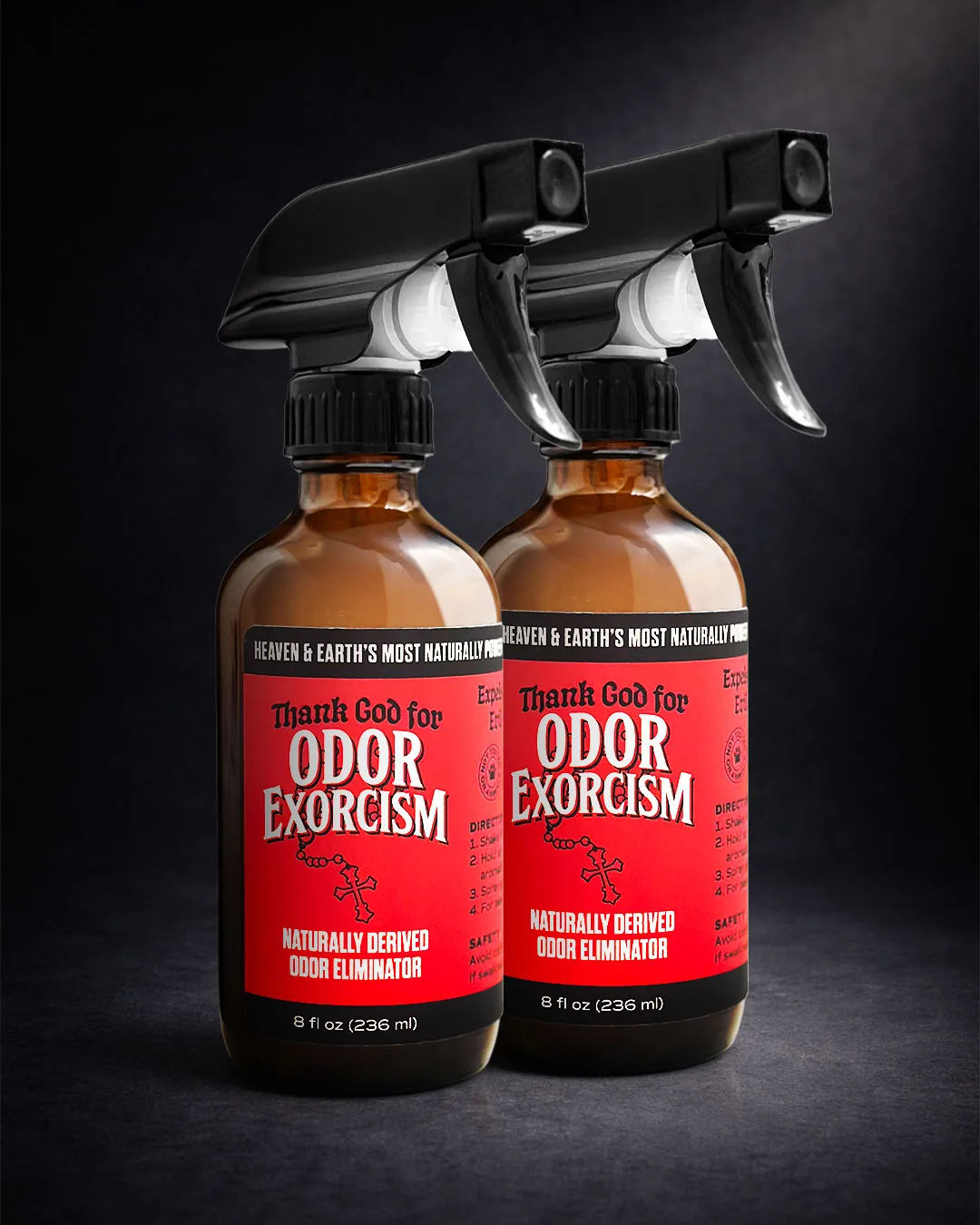
Odor Exorcism takes that route: naturally derived, essential-oil-based odor elimination for the surfaces where everyday smells like to hide. The point is not to turn your bedroom into a synthetic tropical storm. It is to send the funk back where it came from.
Who should be extra cautious?
If someone in your household gets headaches, wheezing, coughing, watery eyes, skin irritation, or nausea around scented products, take the pattern seriously. Stop using the suspected product, ventilate the area, and consider whether a fragrance-free or lower-scent routine works better. Repeated breathing problems, asthma symptoms, or severe reactions deserve guidance from a qualified healthcare professional rather than a heroic amount of room spray.
Pet owners should be selective, too. Birds are especially sensitive to airborne irritants, and cats and dogs can react to certain essential oils and fragranced products. Never assume a product is pet-safe simply because it smells botanical or comes in an earthy-colored bottle. Check the label, avoid direct contact with pets, provide fresh airflow, and ask a veterinarian when you have a specific concern.
Pregnant people, households with infants, and anyone managing respiratory conditions may prefer a more conservative approach: prioritize cleaning, ventilation, and limited use of fragranced products. That is not fearmongering. It is common sense for spaces where people sleep, play, and breathe for hours at a time.
The label-reading test that actually helps
You do not need to memorize every chemical name to make a smarter choice. Ask three practical questions: What is this product meant to do? Does it tell me what is in it? And do I feel good using it in my actual space?
A product designed to eliminate odors at the source may reduce your need for constant ambient fragrance. A company that explains its ingredients gives you a better chance of avoiding known triggers. And if a scent makes your head pound, makes your throat feel scratchy, or turns your peaceful den into a perfume dungeon, believe your nose and your body.
Fresh air should feel like relief, not like you lost a battle with a department-store fragrance counter. Clear the odor source, use scent with restraint, and choose products that earn a place in your home instead of merely covering the evidence.