Candle Versus Odor Spray: What Clears the Air?
Evangelize


August 12, 2026
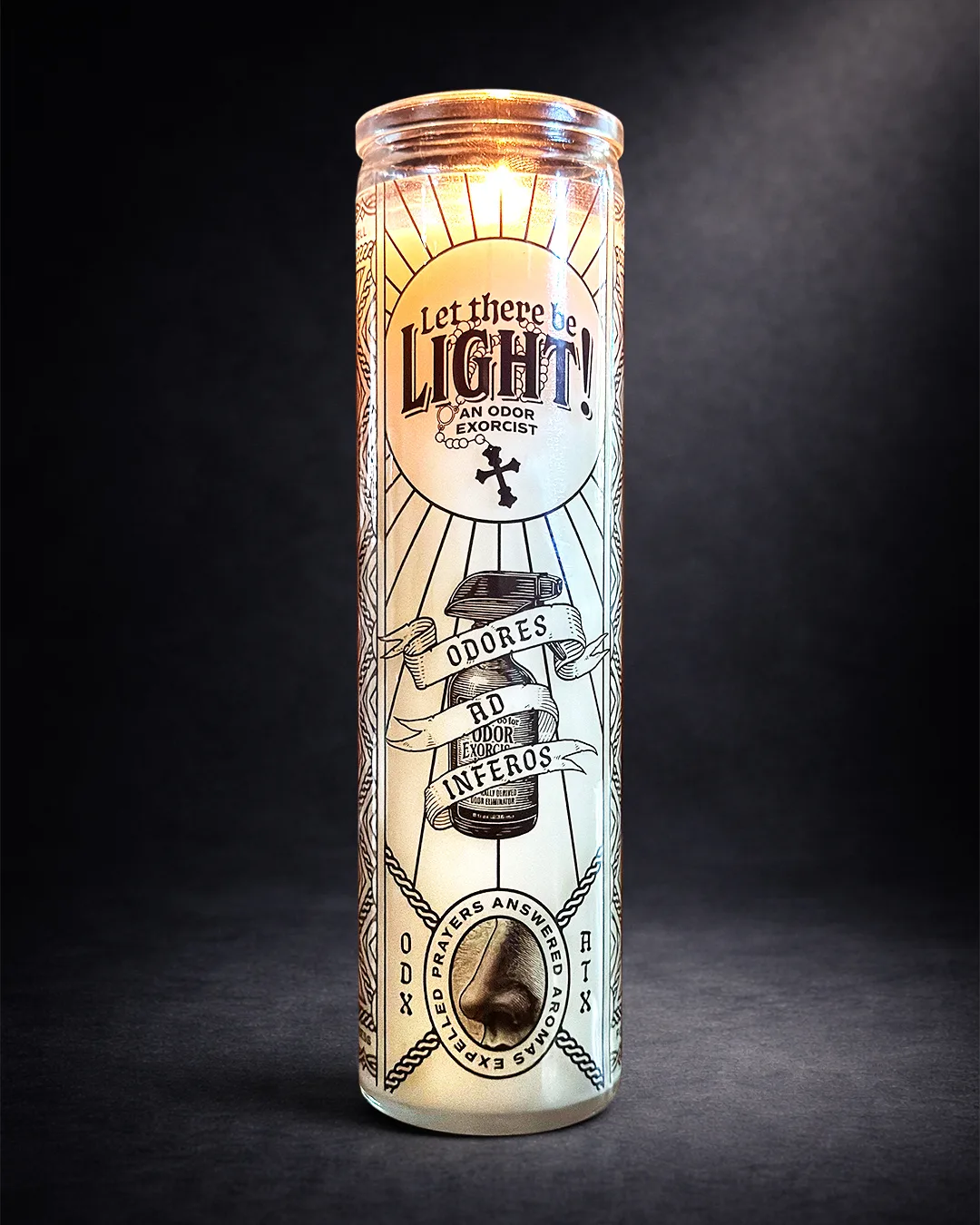
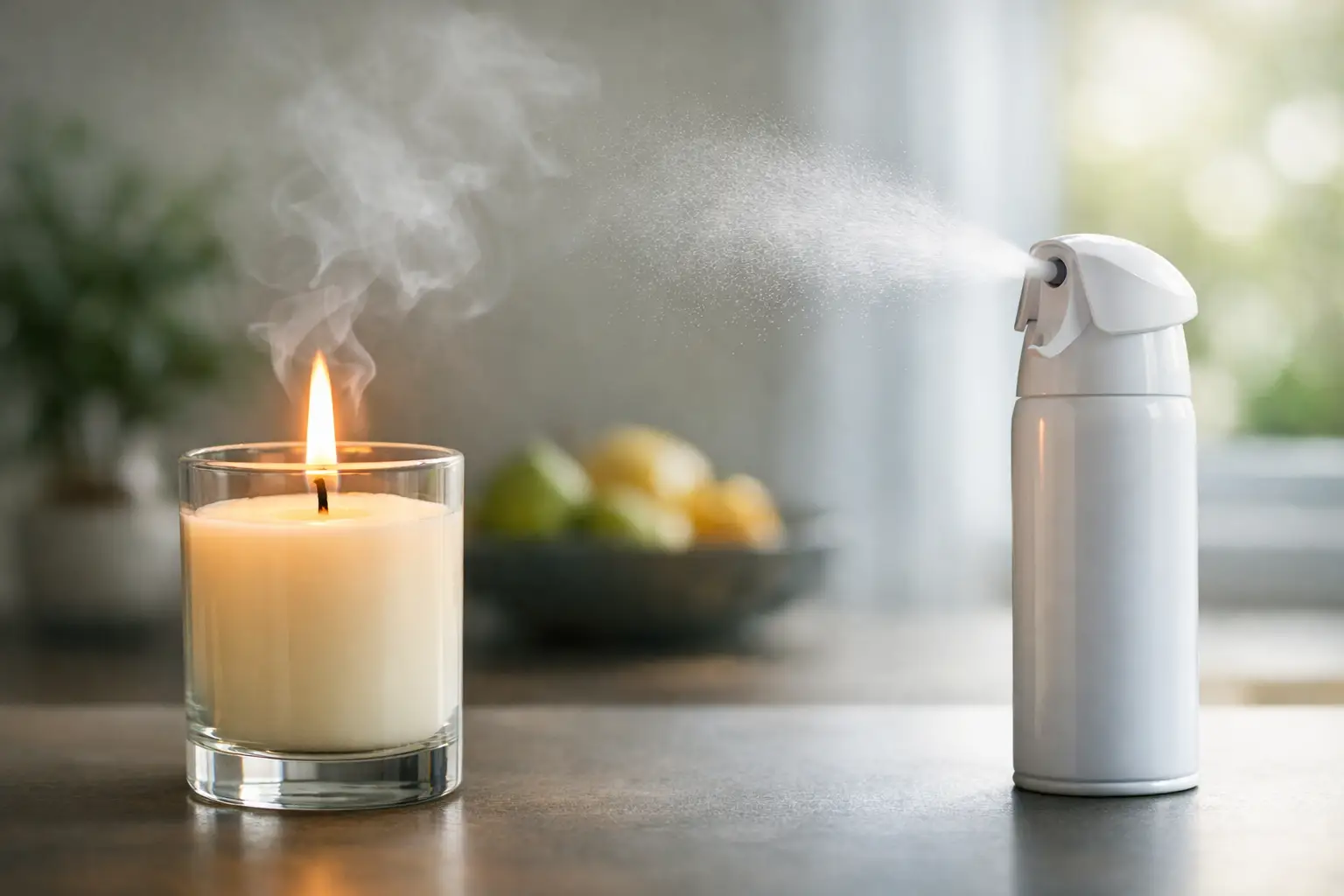
A candle can make a room feel less like a gym bag haunted by last Tuesday’s takeout. But in the candle versus odor spray showdown, ambiance and actual odor removal are not the same holy ritual. One creates a pleasant scent experience. The other can deal directly with the foul little spirit living in your couch, shoes, bedding, or trash can.
That does not mean candles are useless. Far from it. A good candle can set a mood, soften a room, and make folding laundry feel almost cinematic. But if your goal is to banish a specific smell rather than perfume it into hiding, the tool you choose matters.
Candle Versus Odor Spray: The Core Difference
A scented candle releases fragrance into the air as it burns. That fragrance may overpower or distract from odors for a while, especially in a small room. Light vanilla near a faint cooking smell and your nose may decide the problem has been handled. The odor itself, however, can still be hanging around on porous surfaces, waiting for the candle to go out and make its grand demonic return.
An odor-eliminating spray is designed for the source. When used on appropriate hard and soft surfaces, it targets the odor where it lives: in upholstery, carpet fibers, pet beds, bedding, workout clothes, sneakers, plastic bins, and the other household sanctuaries where funk likes to settle in. The goal is not to bury bad smells beneath a giant synthetic-fragrance blanket. It is to neutralize them so the room smells clean, not merely loud.
That distinction is especially useful if you have pets, kids, roommates, a small apartment, or an open-concept home where every odor gets a passport and travels freely.
When a Candle Makes Sense
Candles earn their place in the clean-air congregation. A soy wax candle can add warmth during a dinner party, help signal that your workday is over, or make a bathroom feel less utilitarian and more like a place where you voluntarily drink sparkling water.
Use a candle when the air is already reasonably fresh and you want a scent that supports the moment. Maybe you cleaned the kitchen, washed the dog bed, and opened the windows. Now you want the room to feel cozy. That is candle territory.
A candle can also be a smart choice when you do not need to treat a surface. You cannot spray a fresh scent into an evening ritual the way a flame can change the visual feel of a room. The flicker, the glow, the little act of lighting it – that is part of the product. A spray is practical. A candle is theater.
Still, candles have limits. They need supervision, an open flame is not ideal for every household, and they do not reach into the fabric of a sofa where a wet dog spent the afternoon conducting an unholy nap. They also take time to fill a space and can compete with cooking aromas rather than remove them.
When Odor Spray Is the Better Weapon
Reach for an odor spray when you can identify a smell, a surface, or a problem that needs immediate attention. The faster you treat an odor source, the less time it has to settle in and become a permanent member of the household.
Spray is particularly useful after cooking fish, frying food, or burning something you definitely meant to check sooner. It is also a practical fix for musty throw blankets, stale guest-room bedding, upholstered chairs, car interiors, shoes, gym bags, trash cans, and pet areas. These are not situations that call for a decorative flame and a prayer. They call for contact with the thing that smells.
A naturally derived, essential-oil-based formula can be a better fit for ingredient-conscious homes than conventional products that lean heavily on synthetic fragrance. That does not give any spray a free pass to be used carelessly. Follow the label, test a hidden area before treating delicate materials, and give surfaces time to dry. If anyone in your home is sensitive to scents, including pets, use less product and keep the space ventilated.
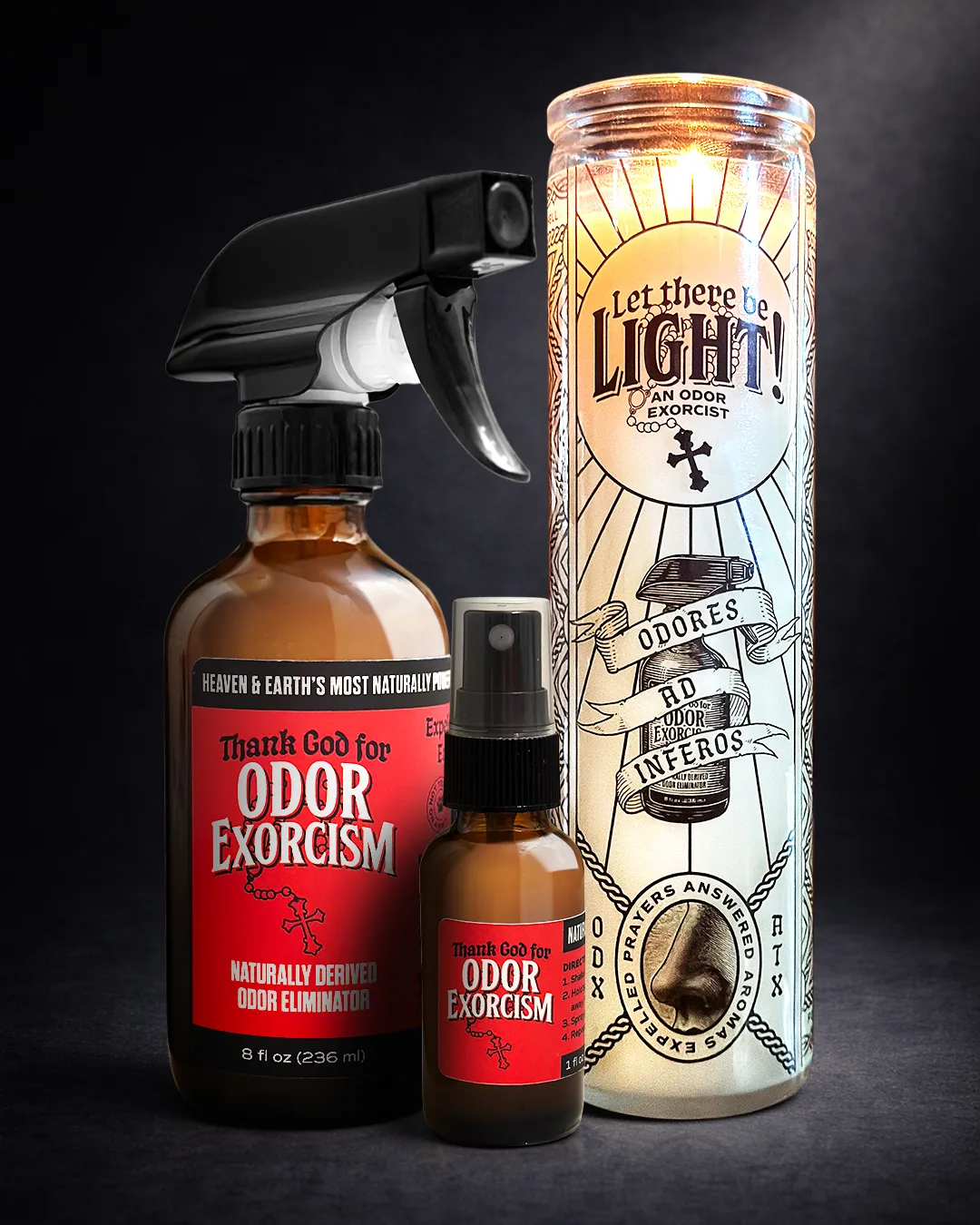
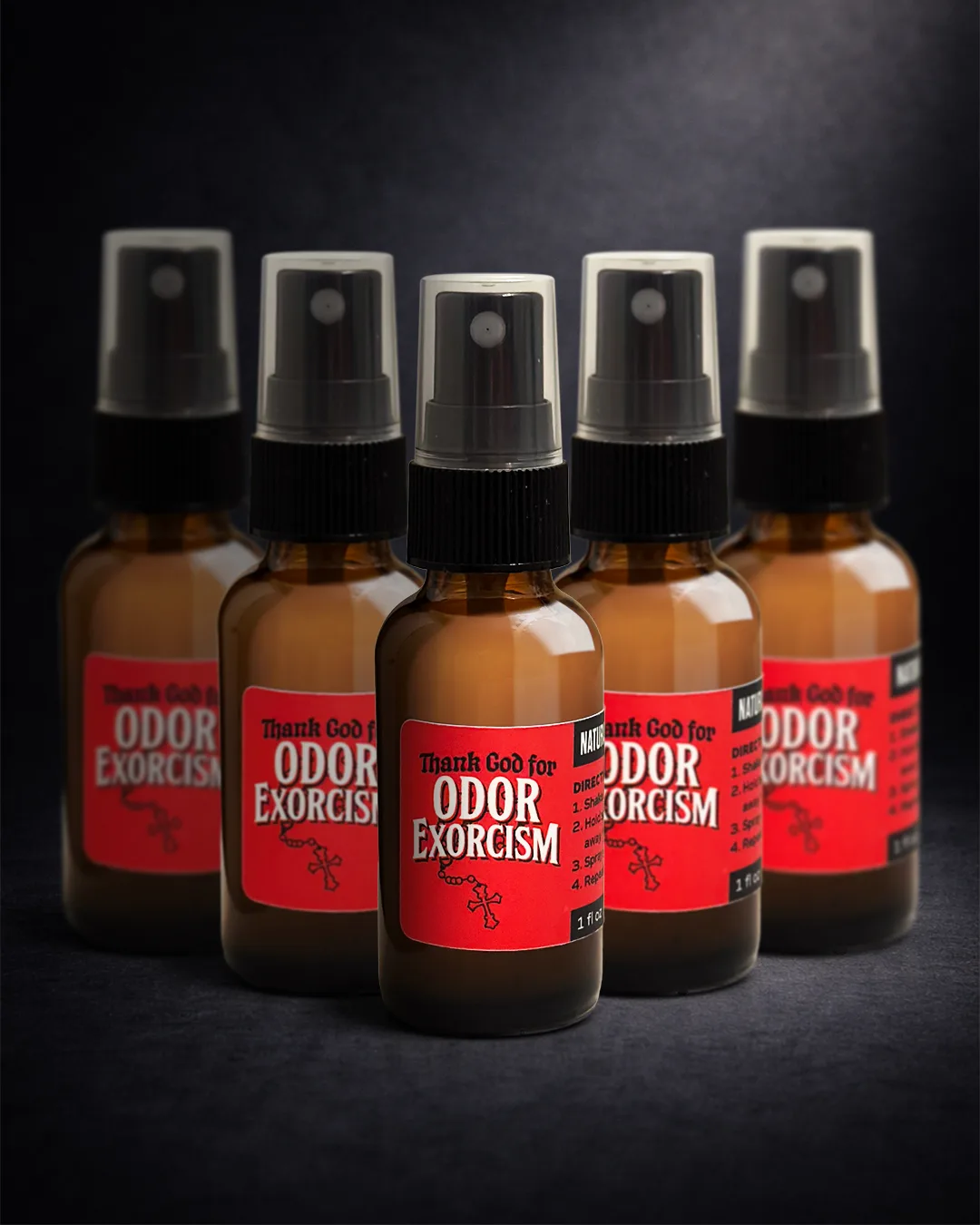
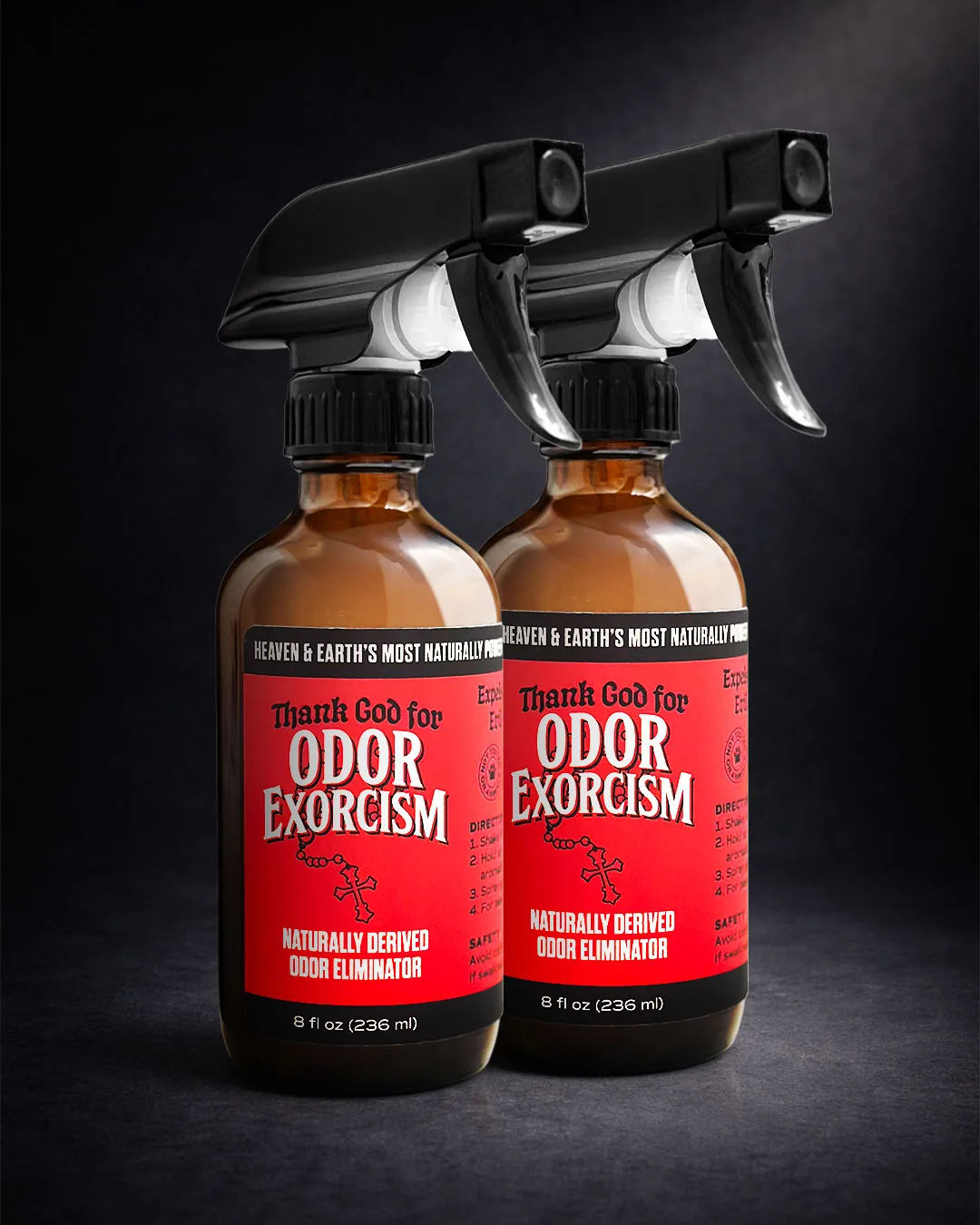
Odor Exorcism is built for exactly this kind of work: neutralizing everyday household odors on contact across soft and hard surfaces, instead of staging a perfume coup over the evidence.
Why Masking Can Make a Bad Smell Worse
There is a special kind of misery created by fake floral fragrance layered over litter box, mildew, or old food. Your brain receives two messages at once: flowers and doom. Neither wins.
Masking is not always bad. It is just temporary by design. A room spray or candle can make a room smell nicer while the odor source is being handled, but it cannot replace cleaning and treating the source. If the garbage has leaked, the dog blanket needs washing, or the dishwasher filter smells like a swamp creature, start there.
Think of it this way: fragrance is the choir. Odor elimination is the exorcist. The choir can make the room feel better. The exorcist is dealing with the possession.
The Best Move Is Often Both
This is not a blood feud between candles and sprays. They work best when each is assigned the job it was summoned to do.
First, clean or remove the source when possible. Take out the trash, wash the blanket, wipe the spill, empty the litter, or air out the room. Then use an odor-eliminating spray on the surfaces that hold onto lingering smells. Once the real funk has been dealt with, light a candle if you want atmosphere, a favorite scent, or a little reward for surviving domestic life.
That order matters. Spraying first and lighting a candle second will not redeem a forgotten onion in the trash. Neither product should be expected to perform miracles while the actual cause sits nearby plotting its next offense.
How to Choose for Your Home
Start by asking one brutally honest question: do you want the room to smell nice, or do you need something to stop smelling bad?
If the answer is “smell nice,” choose a candle. It is ideal for a relaxed evening, a clean bedroom, a dinner table, or a post-cleaning ritual. If the answer is “stop smelling bad,” choose an odor spray made to neutralize odors on the surfaces that carry them.
Your living situation matters, too. Renters may prefer a quick spray for fabric furniture and stale closets. Pet owners often need something that can treat beds, blankets, carpets, and upholstery between deeper cleans. Parents may want to refresh car seats, sports gear, and bedrooms without filling the house with heavy fragrance. In a dorm or tiny apartment, a targeted spray can be more practical than introducing an open flame into a space already packed with laundry, ramen, and questionable ventilation.
There is also the scent question. If you love fragrance but hate that waxy, artificial cloud many air fresheners leave behind, look for thoughtfully formulated scents and use them with restraint. Clean air should not announce itself from three rooms away like it is campaigning for office.
A Few Questions the Smell Demons Always Ask
Can a candle eliminate odors?
Usually, no. A candle can add fragrance that makes an odor less noticeable, but it does not typically treat odor molecules embedded in fabric, carpet, or other surfaces. For a real odor issue, address the source and use a product designed to neutralize it.
Should I use a candle after spraying?
You can, once the sprayed surface has dried and the room is being used according to the product directions. Treat the spray as your cleanup step and the candle as the mood-setting encore. Never leave a burning candle unattended, even if the room now smells blessed.
What if the smell keeps coming back?
A returning odor is usually a clue that the source is still present. Check washable fabrics, hidden spills, trash bins, drains, pet areas, shoe storage, and damp spots. Persistent musty or sewage-like odors may point to a moisture, plumbing, or ventilation issue that needs more than household fragrance.
The right choice is not about declaring one product the winner for every room and every smell. Use a candle when you want comfort and character. Use an odor spray when the air has a problem with a name, a location, and a bad attitude. Deal with the source first, then let your home smell like you live there on purpose.