What causes stale house smell? 8 likely culprits
Evangelize


July 27, 2026
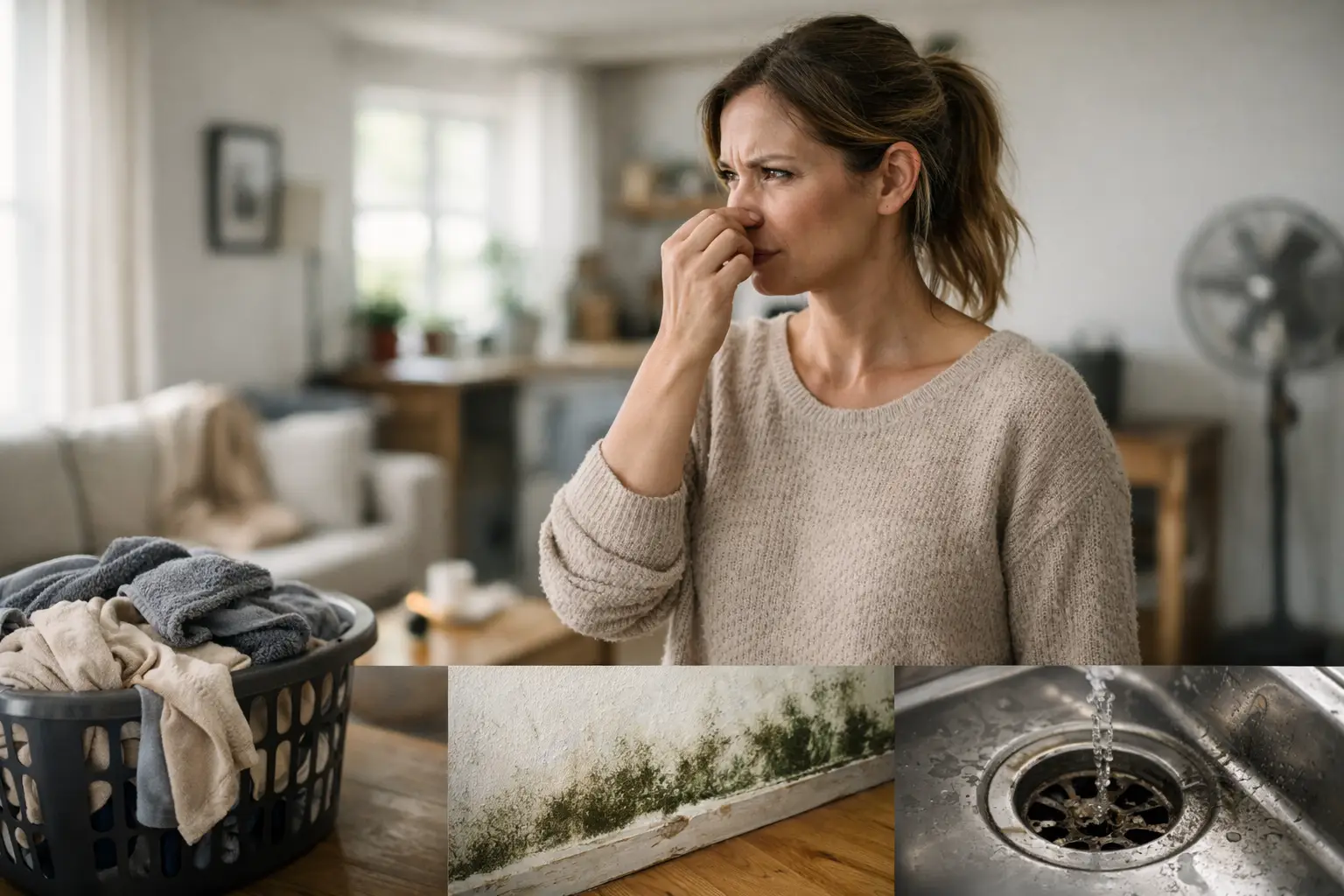
You open the front door after a weekend away and there it is: that flat, dusty, vaguely basement-like breath of a smell. Nothing is visibly rotten. No trash bag is staging a rebellion. Yet the whole place feels like it has been marinating in a closed closet. So, what causes stale house smell? Usually, it is not one dramatic odor demon. It is a pileup of trapped air, lingering particles, moisture, and soft surfaces quietly holding onto yesterday.
A candle can make the room smell like vanilla for a while. A plug-in can blast floral fragrance over the evidence. But if the source is still hanging around, all you have done is put perfume on the poltergeist. Here is where that stale smell comes from and how to send it packing.
What Causes Stale House Smell in the First Place?
A stale smell develops when odor-causing particles have nowhere to go and plenty of places to settle. Homes are especially good at this. We cook, sleep, shower, wear shoes, cuddle pets, dry laundry, and close windows against heat or cold. Every one of those ordinary activities adds moisture, oils, dust, or airborne compounds to the indoor mix.
When ventilation is limited, those particles cycle through the house and land in fabrics, carpeting, upholstery, bedding, and dust. Humidity gives the problem extra muscle. It encourages musty odors and can support mold or mildew growth in hidden spots. The result is not always a sharp, identifiable stink. Often it is simply that old-air smell that makes your home feel less clean than it is.
The fix depends on the cause. A stuffy guest room may need fresh airflow and washed linens. A damp, sour laundry-room smell may be a machine or drain issue. If the odor is suddenly strong, gets worse after rain, or comes with visible discoloration, do not treat it like a minor haunting. Investigate moisture and possible mold promptly.
The Usual Suspects Hiding in Your Home
1. Closed-up, under-ventilated air
The simplest culprit is air that has been sitting around too long. This is common in vacant homes, apartments kept shut during workdays, spare bedrooms, and rooms with windows that never open. Air conditioning and heating help with comfort, but they do not automatically replace stale indoor air with fresh outdoor air.
Open windows when weather and local air quality allow. Run bathroom and kitchen exhaust fans during showers and cooking. If your HVAC system has a fresh-air intake, make sure it is functioning as intended. Even a short daily air-out can make a noticeable difference, especially in bedrooms where bodies, bedding, and closed doors spend eight hours creating their own tiny odor economy.
2. Dust, dander, and neglected soft surfaces
Dust is not just gray fluff with an excellent hiding strategy. It can contain skin cells, pet dander, fibers, outdoor grime, and traces of the odors already in your home. It settles on baseboards, blinds, vents, ceiling fans, rugs, and the upholstered chair everyone loves but nobody remembers to clean.
Soft materials are particularly guilty. Curtains absorb cooking odors. Throw pillows collect hair and body oils. Carpets hang onto pet smells and tracked-in moisture. Mattresses and upholstered furniture can retain sweat and other organic odors long after the room looks tidy.
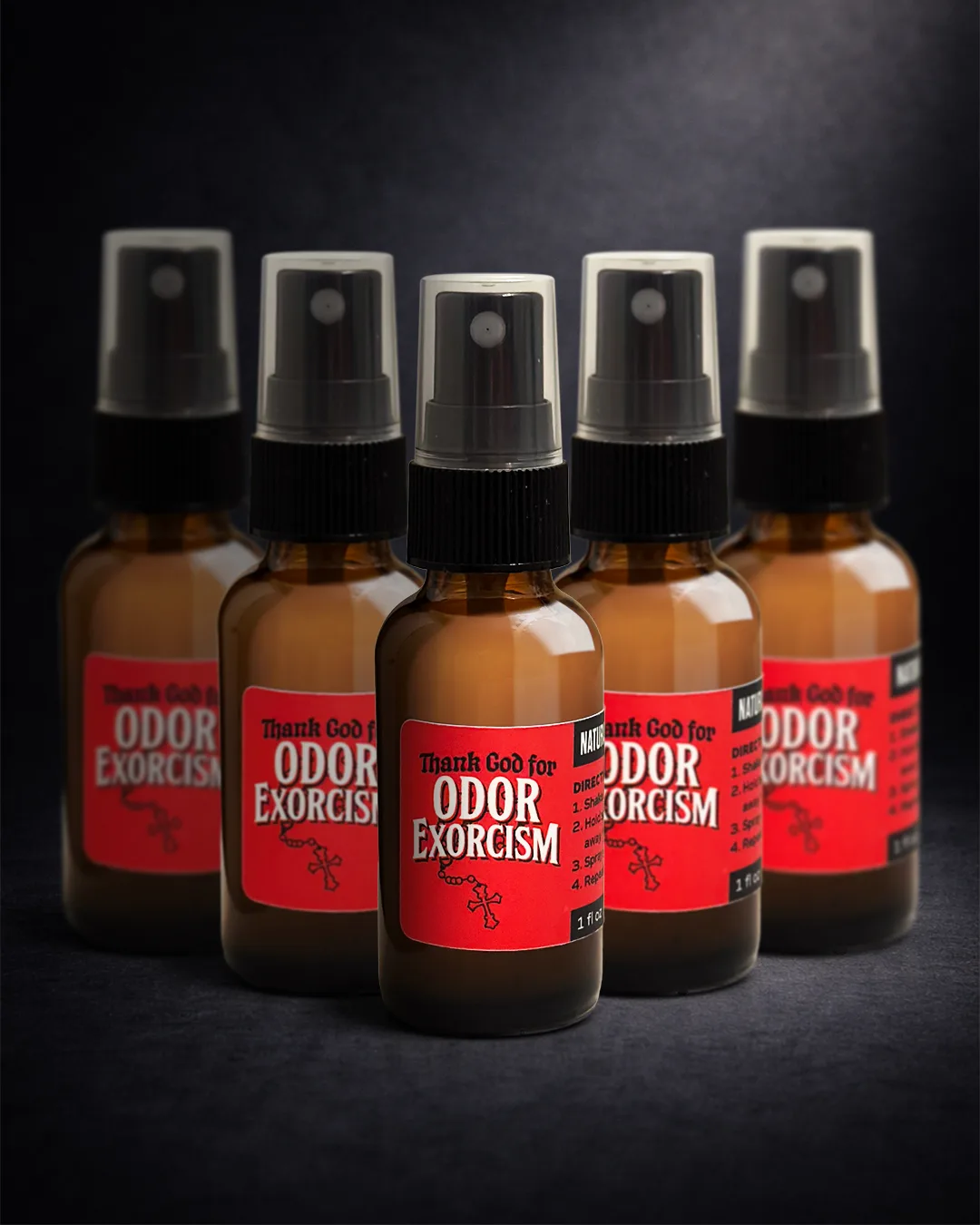
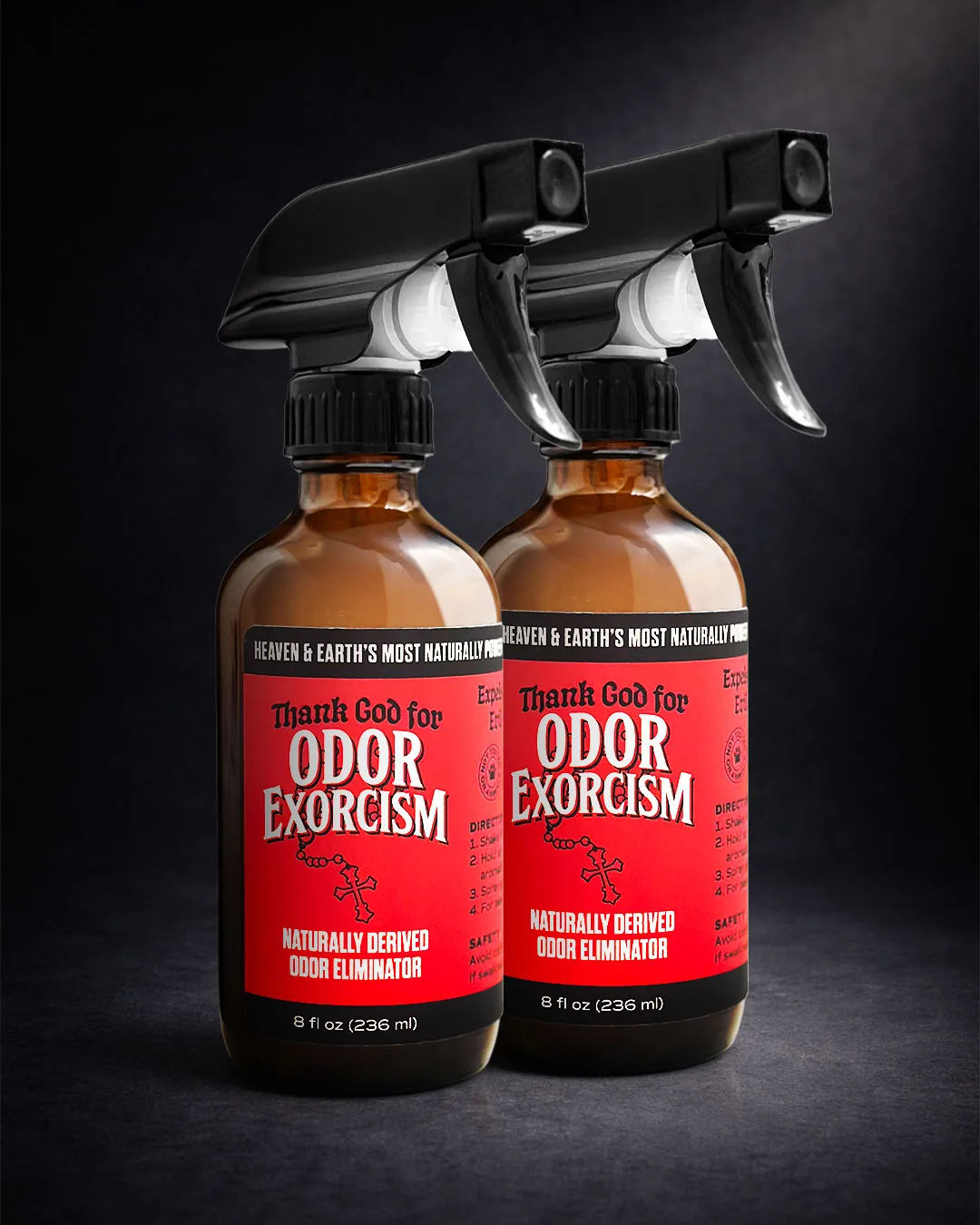
Vacuum slowly with a machine that has a good filter, including under furniture and along edges. Wash washable textiles, and clean upholstery according to its care label. For routine refreshes between deeper cleaning, use an odor eliminator made for fabrics and hard surfaces rather than reaching for a fragrance fogger. Odor Exorcism is designed to neutralize the funk on contact without turning your couch into a synthetic perfume aisle.
3. Humidity, mildew, and hidden moisture
Moisture is the patron saint of stale smells, unfortunately. A bathroom with weak ventilation, a leaky pipe under the sink, a wet bath mat, or condensation around windows can all create damp conditions. Even if you cannot see mold, you may notice a musty, earthy, or wet-cardboard odor.
Check the obvious places first: shower curtains, towels, sink cabinets, basement corners, laundry areas, and around windows. Then look for less theatrical but equally suspicious signs, such as peeling paint, warped flooring, water stains, or a room that smells worse after the HVAC runs.
Keep indoor humidity in a comfortable middle range, often around 30% to 50%. A dehumidifier can help in naturally damp areas, but it is not a magical holy relic. If a leak, drainage problem, or mold issue is feeding the odor, fix that source. Persistent moisture needs more than a scented cover-up.
4. The washing machine and forgotten laundry
A clean laundry room can still smell like a swamp creature’s sock drawer. Front-loading washers are especially prone to lingering moisture around the door seal, detergent drawer, and drum. Too much detergent can leave residue that feeds odor-causing buildup. Leaving wet laundry inside for too long adds another chapter to the saga.
Leave the washer door and detergent drawer open after loads so they can dry. Wipe the rubber gasket, clean the filter if your model has one, and run the manufacturer-recommended cleaning cycle. Wash towels, gym clothes, and dish rags thoroughly, then dry them completely. A towel that looks fresh but smells sour the moment it gets wet is not clean. It is merely waiting for its cue.
5. Kitchen grease, drains, and refrigerator mysteries
Cooking odors do not always leave after dinner. Grease can settle on cabinets, backsplashes, range hoods, and nearby fabrics. Garbage disposals and sink drains can collect food residue, while refrigerator drip pans and forgotten leftovers create their own biohazard subplot.
Clean grease from kitchen surfaces regularly and wash dishcloths more often than feels emotionally necessary. Empty the trash before it becomes a smell monument. If a drain smells foul, remove visible debris and use an approach appropriate for your plumbing and disposal system. For a refrigerator odor, inspect food first, then clean shelves, drawers, seals, and the drip pan if accessible.
6. Shoes, pet beds, and other low-level odor criminals
Some stale-house smells are built one small offense at a time. Shoes dropped by the door, a dog bed in the corner, damp jackets, litter boxes, sports gear, and backpacks can add enough odor to make an entryway or bedroom feel permanently tired.
Do not underestimate the pet bed. It is an upholstered, body-oil-catching, outdoor-dirt-adjacent smell sponge with a tail-wagging tenant. Wash it regularly, vacuum around it, and address accidents quickly. Store shoes where they can air out instead of sealing them wet inside a dark closet.
7. HVAC filters and dirty vents
If the house smells stale only when the heat or air conditioning turns on, your system deserves a cross-examination. A clogged filter can restrict airflow and recirculate dust. Dirty coils, drain pans, or ducts may contribute odors too, particularly if moisture has accumulated.
Replace filters on the schedule recommended for your system, household, and filter type. Homes with pets, allergies, or heavy HVAC use often need more frequent checks. If you smell burning, fuel, sewage, or a powerful musty odor from vents, stop treating it as a cleaning chore and call a qualified HVAC professional. Some demons require licensed backup.
8. Old smoke and previous occupants
Stale odor sometimes comes with the building. Cigarette smoke, cannabis smoke, heavy cooking, pet urine, and mold can linger in paint, flooring, insulation, cabinets, and ducts long after a previous tenant or owner has vanished into the night.
Surface cleaning may reduce the smell, but deeply embedded odors can require more work. Wash walls and trim, clean or replace porous materials when necessary, and have moisture or smoke damage assessed if the problem persists. Renters should document conditions early and communicate with property management, especially when odor is tied to a leak, mold concern, or pre-existing damage.
How to Track Down the Source Without Guessing
Start by turning off competing scents. Skip candles, sprays, incense, and fragrance plugins for a day so your nose can stop receiving mixed messages. Then leave the house for 20 minutes and re-enter. Odors are easier to locate with a reset nose.
Walk room to room and notice where the smell intensifies. Get closer to fabrics, drains, trash areas, closets, laundry, pet zones, and vents. Check whether the odor changes after a shower, rainy weather, cooking, or running the HVAC. Those patterns reveal a lot.
Use this simple order of operations: remove the source, clean the surface holding the odor, dry the area completely, improve airflow, then neutralize what remains. Reverse that order and you may end up buying twelve candles and still wondering why the hallway smells like an antique sock.
When a Stale Smell Is a Bigger Warning
Most stale odors are manageable household buildup. Still, certain smells should not be ignored. A sewage-like odor can point to plumbing or drain-trap issues. A fishy or burning smell may signal an electrical problem. A persistent musty odor with water damage can indicate mold, while a gas odor calls for immediate action according to your local utility’s safety guidance.
Trust the pattern, not just the intensity. A faint smell that returns after every rainstorm is more useful evidence than a one-time blast of funk after someone cooks broccoli. If cleaning and ventilation do not change it, it is time to bring in the appropriate professional.
Fresh air is not supposed to smell like a department-store fragrance counter. It should feel quiet, clean, and gloriously free of mystery. Find the source, evict the moisture and grime feeding it, and let your home smell like the living space it is, not the crypt it briefly considered becoming.