How to eliminate carpet odor naturally
Evangelize


May 30, 2026
Your carpet can look clean and still smell like it has unresolved issues. That faint mustiness by the couch, the mystery funk in the hallway, the pet smell that keeps staging a comeback – none of it needs a chemical fog or a fake “mountain breeze” cover-up. If you want to know how to eliminate carpet odor naturally, the real job is not perfuming the problem. It is pulling the stink out at the source.
That distinction matters. Carpet fibers trap all kinds of foul little spirits: pet accidents, spilled drinks, wet shoes, cooking residue, body oils, dust, mildew, and whatever your kids or roommates swore they “cleaned up.” A natural approach can work beautifully, but only when you match the fix to the cause. Otherwise, you are just baptizing the demon and calling it healed.
How to eliminate carpet odor naturally starts with the source
Before you dump baking soda on the whole room and pray for a miracle, figure out what kind of odor you are dealing with. General stale smells usually come from built-up dust, humidity, and everyday life sinking into the pile. Pet urine is different. Mildew is different. Old food spills are their own special curse.
If the carpet smells worse when humidity rises, moisture is probably involved. If the odor is strongest in one spot, you likely have a stain or residue issue under the surface. If the smell hits you every time the dog lies down there, well, the suspect has four legs and no shame.
Natural odor removal works best when you stop thinking like an air freshener company and start thinking like an exorcist. Neutralize. Absorb. Dry thoroughly. Repeat if needed.
The best natural methods for carpet odor
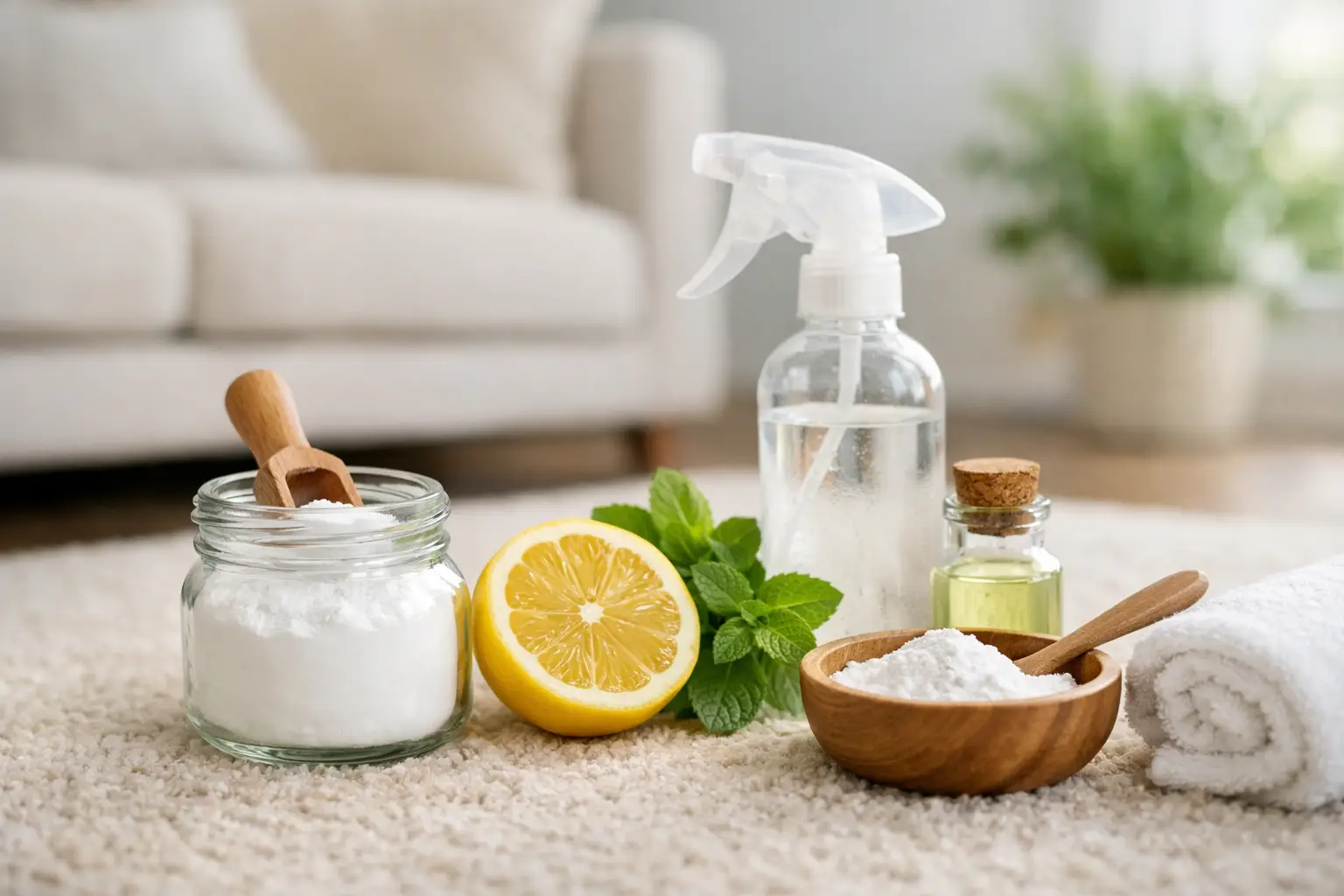
Baking soda earns its reputation because it is simple, cheap, and good at absorbing lingering smells. Sprinkle a generous layer over the dry carpet, let it sit for several hours or overnight, then vacuum slowly and thoroughly. This works best for mild, everyday odor rather than deep contamination. If the carpet is damp or the smell comes from a soaked pad underneath, baking soda alone will not perform an exorcism.
White vinegar can help with odor-causing residue, especially from light spills or pet messes that were cleaned poorly the first time. Mix it with water in a light spray, mist the affected area without soaking it, and let it air dry completely. The vinegar smell will fade as it dries, taking a decent amount of the funk with it. The catch is obvious: too much liquid can make the problem worse. Carpets hate being overwatered.
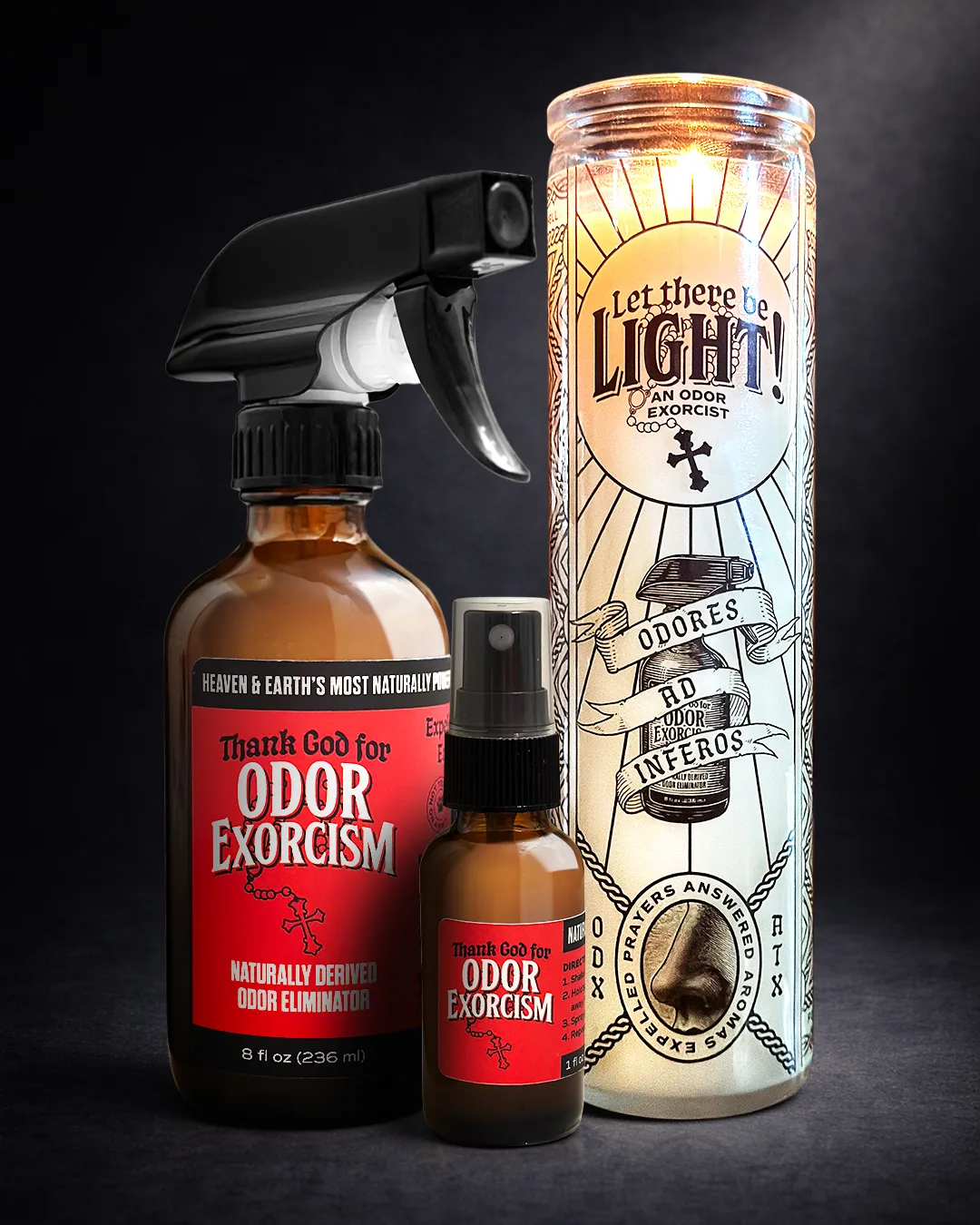
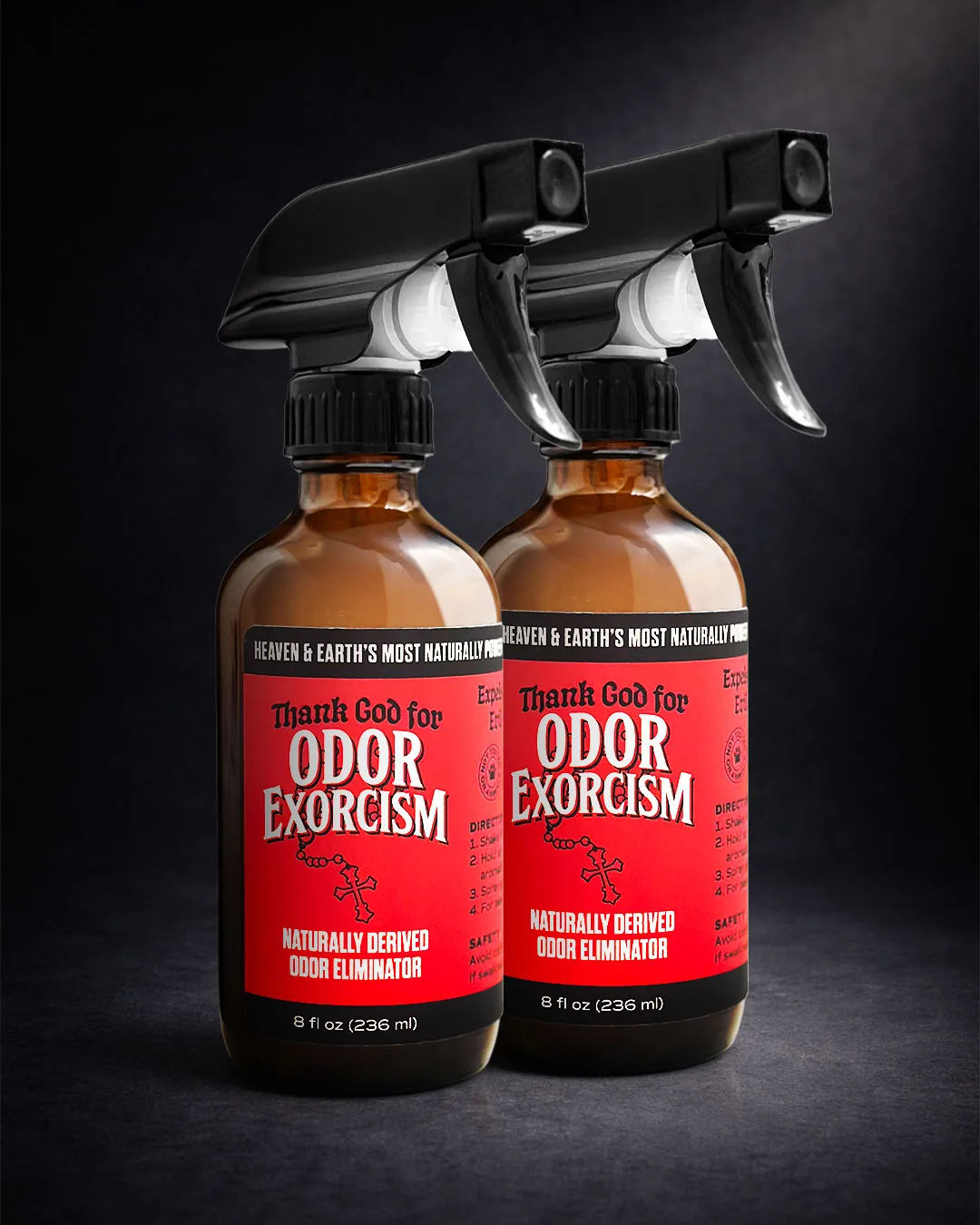
For fresher day-to-day maintenance, a naturally derived odor-eliminating spray can do what old-school fragrance bombs cannot. Instead of trying to smother smells under synthetic perfume, a good formula helps neutralize the odor itself. That is especially useful on rugs and carpets in busy homes where pets, shoes, snacks, and life keep summoning new stink weekly.
Sunlight and airflow also deserve more credit than they get. If you have washable rugs, taking them outside into dry air and indirect sun can help knock down trapped odor. For wall-to-wall carpet, open windows, run fans, and lower humidity indoors. Smell clings harder in stale, damp air. Give it less to cling to.
When baking soda works—and when it absolutely does not
Baking soda is the patron saint of natural cleaning content, but let us not pretend it solves every carpet haunting. It is great for mild odor absorption and routine maintenance. It is not great when the smell is coming from deep in the carpet pad, the subfloor, or a still-active source like repeated pet accidents.
If you have ever vacuumed up baking soda only to have the odor return by dinner, that is your sign. The smell is not sitting politely on the surface. It is deeper down, and the carpet needs more than a powdery blessing.
There is also a practical issue: using too much baking soda too often can leave residue in carpet fibers or stress some vacuums. So yes, use it – just do not treat it like holy dust for every crisis.
Pet odors need a different kind of intervention
Pet odor is where many natural methods get exposed for their weaknesses. A dog bed smell transferred to the carpet is one thing. Cat urine that seeped through to the padding is another beast entirely.
For fresh accidents, blot first. Do not scrub. Scrubbing pushes the mess deeper and spreads the stain like a curse across the fibers. Use paper towels or a clean cloth and press firmly to absorb as much liquid as possible. Then use a light natural cleaning solution or an odor-neutralizing spray made for soft surfaces. Let the area dry fully before deciding whether you are done.
For older pet smells, you may need multiple rounds. If the odor resurfaces on humid days, chances are the padding or subfloor has been affected. At that point, natural surface treatment can help, but it may not fully solve what is living below. This is where honesty matters. Sometimes the carpet itself is not the whole problem.
Moisture is the villain nobody wants to blame
A shocking number of carpet odors are really moisture problems wearing a smell costume. Maybe the rug stayed damp after cleaning. Maybe a spill looked dry on top but lingered underneath. Maybe your apartment has poor ventilation and the carpet keeps absorbing humidity like it is collecting souls.
If your carpet smells sour, musty, or vaguely basement-like, stop adding liquid until you know it can dry fast. Use fans. Crack windows. Run a dehumidifier if you have one. If you clean without drying properly, you are basically opening a portal for mildew.
This is also why steam cleaning can be hit or miss in a natural odor routine. It can help remove grime, but if the carpet does not dry quickly and completely, the smell may come back worse. Not every carpet issue needs more moisture. Some need less drama and more airflow.
How to keep carpet odor from coming back
Once you have knocked down the smell, maintenance is what keeps the beast buried. Vacuum regularly, especially if you have pets or high foot traffic. Dirt, dander, crumbs, and hair all feed odor over time, even when the room looks tidy.
Treat spills immediately. The longer residue sits, the more it bonds with the fibers and the harder it is to remove naturally. If shoes track in rain, salt, or mystery sidewalk goo, do not let that marinate for a week.
It also helps to control the room, not just the carpet. Wash pet bedding, clean upholstery, and deal with odor on surrounding soft surfaces. If the couch, curtains, and rug are all holding onto smell, the room will keep feeling haunted even if one patch of carpet is technically clean.
For homes that need regular odor defense, this is where a product like Odor Exorcism’s natural odor eliminator spray fits, well, naturally. One light application on soft surfaces can help neutralize everyday stink without turning your living room into a synthetic fragrance crime scene.
When natural methods are enough – and when they are not
Most everyday carpet odor can be improved naturally, especially when you catch it early and avoid soaking the fibers. Mild stale smells, food odors, light pet funk, and general lived-in carpet syndrome often respond well to baking soda, airflow, careful spot treatment, and a non-toxic odor neutralizer.
But there are limits. If the carpet has years of buildup, recurring mildew, repeated urine damage, or hidden moisture beneath it, natural methods may reduce the smell without fully eliminating it. That does not mean natural care failed. It means the problem is structural, not superficial.
Sometimes the most sensible move is pulling back a corner, checking the pad, or calling in a professional if you suspect water damage. A cleaner home does not require pretending every issue can be solved with pantry ingredients and positive thinking.
The good news is that most carpet odors are less supernatural than they seem. Find the source, treat it gently but thoroughly, and skip the fake perfume smoke screen. Your carpet does not need a cover-up. It needs a proper exorcism.