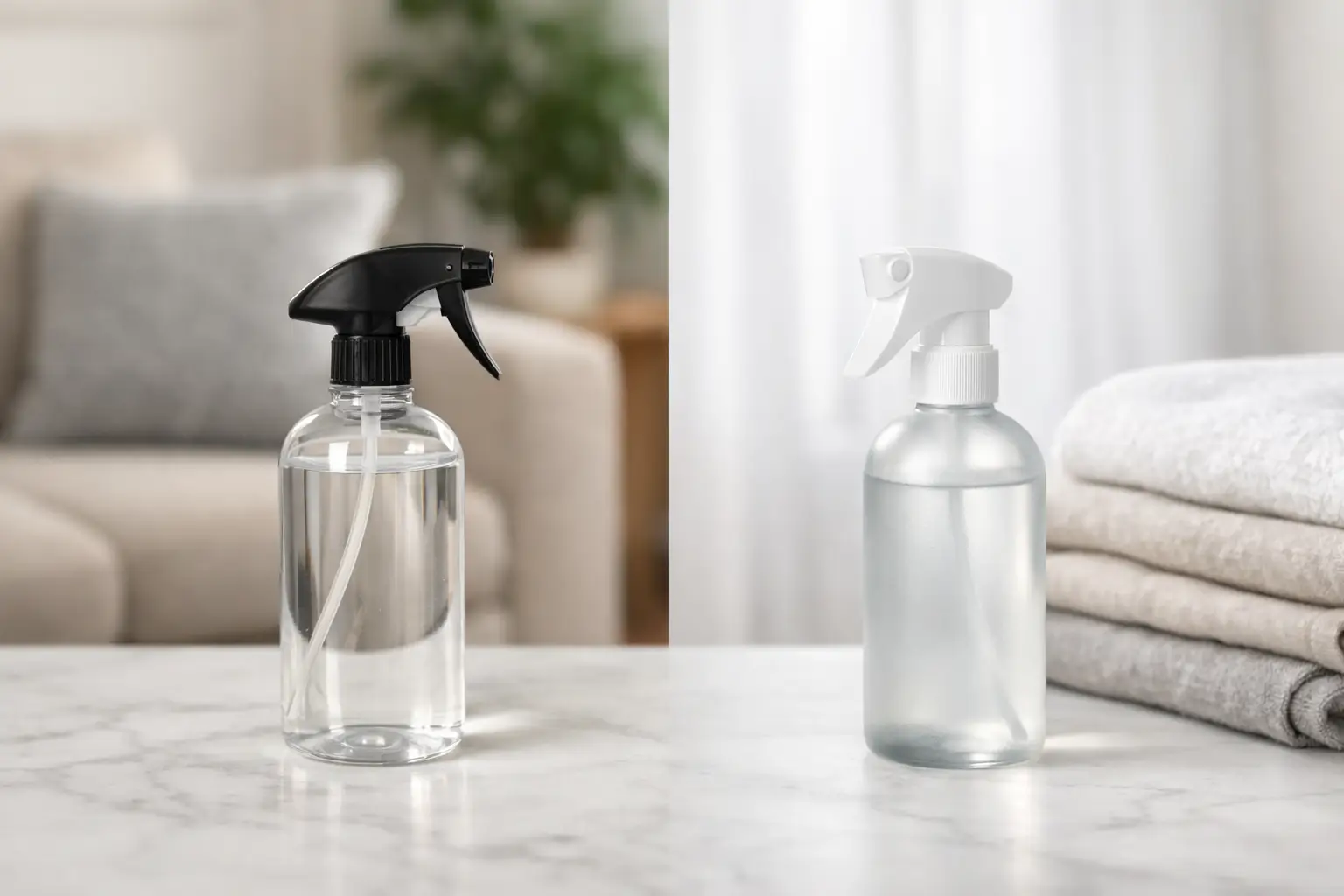
Fabric refresher vs linen spray – which works better?
Evangelize


July 25, 2026
That throw blanket has absorbed three movie nights, a damp dog, and whatever mystery snack died between the couch cushions. You reach for a bottle, then pause: fabric refresher vs linen spray – are they actually different, or is this just another label designed to make your nose do homework?
They can be very different. A linen spray is usually about adding a pleasant scent to linens and rooms. A fabric refresher may be designed to tackle odors living in textiles. But labels are slippery little goblins. Some fabric refreshers are basically perfume in a spray bottle, while some linen sprays contain ingredients that help reduce odor. The only honest answer is to look past the category name and ask what the formula is meant to do.
Fabric Refresher vs Linen Spray: The Real Difference
The simplest distinction is purpose. Linen spray is traditionally a finishing touch. You mist it on freshly made sheets, pillowcases, towels, curtains, or the air near your bed because you want the space to smell calm, clean, floral, woodsy, or vaguely like someone else does their laundry before it becomes an emergency.
Fabric refresher is more likely to be the problem-solver. It is made for upholstered furniture, rugs, clothing, car seats, shoes, pet beds, and bedding that is not ready for the wash but has started radiating a concerning personal history. A good one addresses the odor itself rather than merely covering it with a louder smell.
That said, “fabric refresher” is not a sacred promise written on a stone tablet. Plenty of products in this category rely heavily on synthetic fragrance. They can make a musty sweater smell like tropical laundry for an hour, but once the perfume fades, the underlying funk may stroll back in like it pays rent.
Linen spray is often scent-first
A linen spray earns its keep when the fabric is already clean and you simply want an atmospheric boost. Think guest-room sheets before company arrives, towels in a hall closet, or a bedtime ritual that tells your brain the workday is over and the goblins can file their complaints tomorrow.
Because it is scent-led, a linen spray may not be the best answer for sour pillowcases, a blanket that smells like wet dog, or a couch that has quietly collected takeout aromas for six months. It can make those things smell prettier temporarily, but pretty is not the same as purified.
Fabric refresher should be odor-first
An effective fabric refresher is for fabrics that need intervention between washes. It should help neutralize odor molecules on contact, then leave behind little to no scent or a light, intentional scent depending on the formula.
That makes it especially useful in real homes, where you cannot launder the sectional every time a pet naps on it or dry-clean a coat because it spent 20 minutes near a bonfire. It is not a replacement for cleaning a truly soiled item. It is the practical middle ground between doing nothing and turning laundry into a full-time ministry.
What “Odor Elimination” Actually Means
Odors are not bad vibes. They are airborne molecules released by bacteria, food residue, smoke, mildew, sweat, pets, and other tiny horrors. Spraying fragrance over them can distract your nose, but the source remains.
Odor-eliminating products work differently depending on their ingredients. Some bind to odor molecules. Some alter them so they are less noticeable. Others use ingredient systems that help counteract odors rather than simply layering fragrance on top. The key point is that the formula is doing more than shouting “lavender” over a shoe that has been through battle.
No spray can perform an exorcism on a fabric that needs actual washing. If a cushion is stained, a towel smells mildewy after laundering, or a carpet has been soaked by a pet accident, clean the source first. Remove moisture, wash what is washable, and treat stains appropriately. Then use a fabric refresher for the stubborn residual smell or everyday maintenance.
Which One Should You Use Around the House?
Choose based on the condition of the fabric, not the room it happens to live in.
For freshly washed sheets, folded blankets, and clean towels, linen spray is a lovely ritual. A gentle mist can make a guest bed feel considered or turn the five minutes before sleep into something a little less chaotic. Spray from a distance so you do not leave the fabric damp, and let everything dry before climbing in.
For couches, pet beds, sneakers, gym bags, coats, car upholstery, and bedding that smells less than heavenly, reach for an odor-focused fabric refresher. These are the surfaces that trap everyday smells and cannot always go through a wash cycle.
For a room that simply feels stale, either product can add a nicer scent, but ventilation matters more than any bottle. Open a window when you can, empty the trash, wash the culprit if there is one, and use a spray as the finishing move. Fresh air is still undefeated, even if it lacks a dramatic label.
The Ingredient Question: Fragrance Is Not the Same as Freshness
If you are ingredient-aware, the back label matters more than the front-panel poetry. Conventional air-care products often lean on powerful synthetic fragrance to produce a long-lasting scent experience. Some people love that. Others get headaches, find the aroma cloying, live with children or pets, or simply do not want their home smelling like an aggressive detergent aisle.
A naturally derived, essential-oil-based option can be a better fit for households looking to avoid synthetic fragrance-heavy products. Natural does not mean careless, though. Essential oils are concentrated ingredients, and every household has different sensitivities. Follow the label, avoid spraying directly on people or pets, keep products out of reach of children, and test a hidden spot on delicate textiles first.
Also, be suspicious of the phrase “fresh scent” when there is no clear explanation of odor control. A scent can be delightful. It just should not be asked to do the job of cleaning, deodorizing, and raising your household standards all by itself.
How to Use a Fabric Refresher Without Creating a Damp Disaster
The best method is gloriously unglamorous: spray lightly and evenly. Hold the bottle several inches from the surface, mist rather than soak, and allow the fabric to dry completely. This gives the formula a chance to work without leaving upholstery or bedding unnecessarily wet.
Use a light hand on pillows, comforters, clothing, and curtains. For high-traffic targets like sofas, pet beds, car seats, and rugs, cover the surface evenly and pay extra attention to the spots that collect bodies, paws, and snacks. Test first if the fabric is silk, suede, leather, vintage, dry-clean-only, or prone to water marks. Those materials do not need an exorcism. They need specialist care.
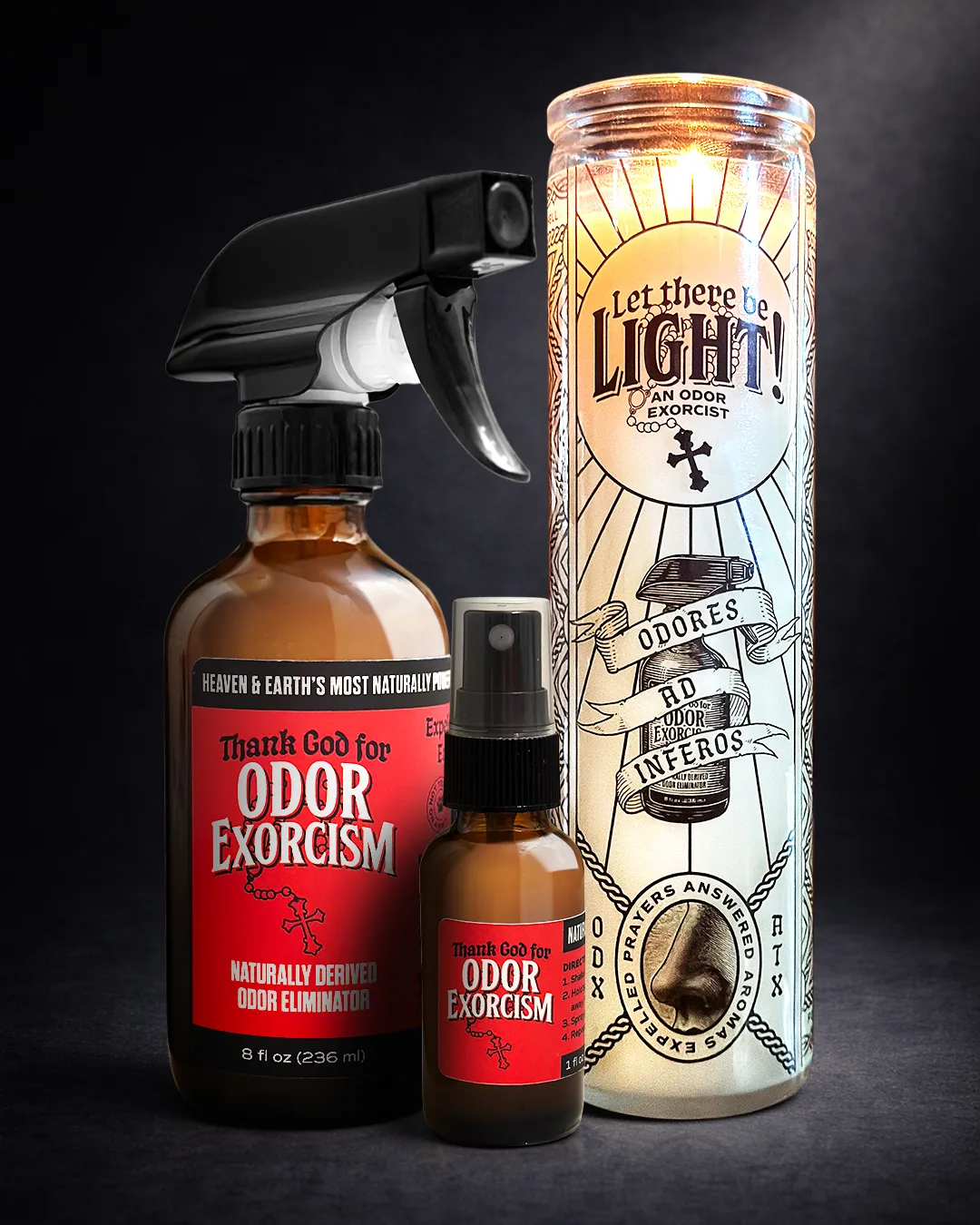
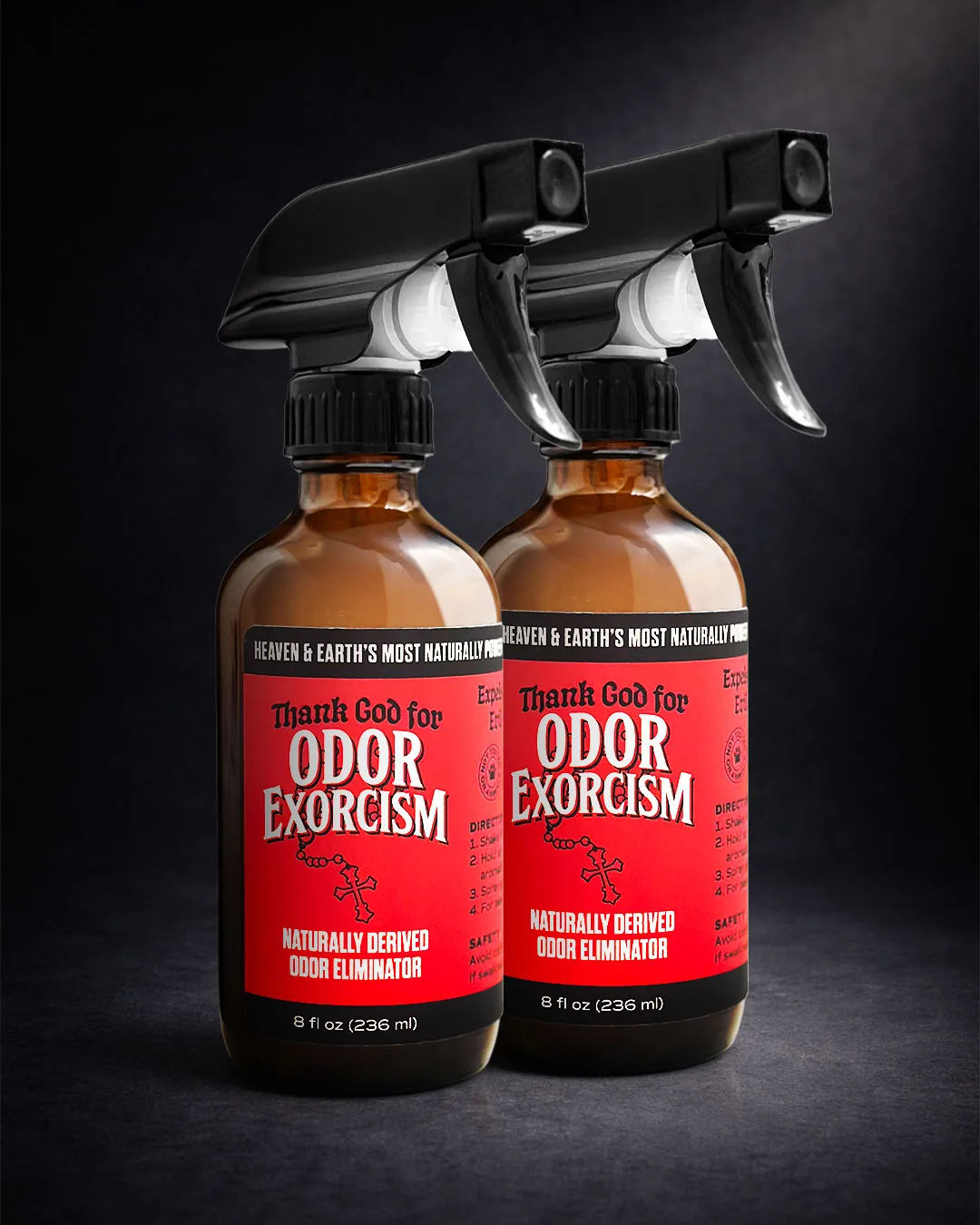
Odor Exorcism is designed for the more useful side of this equation: naturally derived odor elimination across soft and hard household surfaces, with essential-oil-based freshness instead of a synthetic fragrance fog bank. That means it can earn a spot near the laundry room, by the couch, in the car, and anywhere a mysterious smell has begun to develop opinions.
Frequently Asked Questions
Can I use linen spray as a fabric refresher?
You can, but results depend on the formula. If the linen spray is primarily fragrance, it will make fabric smell nicer without necessarily handling the odor causing the problem. It is best for clean linens and light room scenting.
Can I spray fabric refresher on bedding?
Usually, yes, when the label says it is safe for fabric. Use a light mist and let sheets, pillows, and blankets dry before use. For linens that are sweaty, sour, or visibly soiled, wash them first. No fragrance should be forced to cover for a laundry basket-level crime.
Is a stronger scent better for odor?
Not necessarily. A strong fragrance may be more noticeable, but that does not prove it neutralized anything. The real test is what happens after the scent settles: does the stale, smoky, pet, or shoe odor stay gone?
The best bottle is not the one that makes your home smell like a candle store staging a coup. It is the one that helps your space smell clean because the odor has been handled. Save linen spray for the finishing flourish, bring in fabric refresher when fabrics need backup, and never let a haunted couch convince you that “normal” is a scent category.