Odor eliminator for couches that actually works
Evangelize


July 17, 2026
Your couch has absorbed movie-night popcorn, wet-dog naps, post-gym lounging, takeout mishaps, and whatever mysterious funk your teenager insists is “nothing.” An odor eliminator for couches can help, but only if it tackles the smell instead of slapping a perfume halo over the evidence.
A floral-scented sofa that still smells like old socks is not fresh. It is a scented crime scene. The fix starts with knowing what is living in those cushions, how to remove the source, and when a fabric-safe odor spray is enough versus when the upholstery needs a more serious cleansing ritual.
Why Couches Hold Odors Like a Grudge
Upholstery is basically a sponge with throw pillows. Its fibers, cushions, seams, and batting collect airborne particles and hold onto oils, moisture, crumbs, dander, and bacteria-friendly debris. Unlike a countertop, you cannot simply wipe it down and declare victory.
Pet odor is a frequent offender, especially when fur and skin oils settle into the fabric. Food smells also linger longer than people expect, particularly greasy takeout, dairy spills, and anything involving garlic. Then there is body odor, smoke, mildew, damp laundry, and the low-level stale smell that develops when a room has poor airflow and a couch gets daily use.
The catch is that the smell may not be coming from the visible surface. A cushion can look perfectly innocent while its foam core quietly hosts the demon. That is why spraying fabric blindly can provide only temporary relief when the underlying mess has not been cleaned.
What an Odor Eliminator for Couches Should Actually Do
A useful couch spray should be made to neutralize odors, not merely cover them with aggressive synthetic fragrance. Masking is the air-care version of putting a party hat on a raccoon in your kitchen. The situation is still there. It just has a confusing new vibe.
Look for a formula designed for soft surfaces and suitable for upholstery. Naturally derived, essential-oil-based options can be a welcome alternative for people who want less of the heavy, chemical perfume cloud common in conventional fresheners. That does not mean every “natural” product belongs on every textile, though. Fabric blends, dyes, coatings, and upholstery finishes vary wildly.
A good odor eliminator should leave the couch smelling clean rather than loudly fragranced. It should also be easy to use often enough that freshening the sofa does not become a quarterly ritual requiring gloves, goggles, and a priest.
Start With the Source Before You Spray
If the couch smells generally stale, a surface treatment may be all it needs. If it smells sour, musty, urine-like, smoky, or distinctly like a forgotten fast-food bag, do some source work first. Odor molecules love to cling to the oils and particles trapped in upholstery. Removing that buildup gives your spray a fair fight.
Vacuum the entire couch slowly, including under cushions, along seams, behind the back pillows, and beneath the frame if possible. Use an upholstery attachment and do not skip the crevices. Crumbs are tiny, but their confidence is enormous.
For a recent spill, blot first with a clean, absorbent cloth. Do not scrub hard. Scrubbing can push liquid deeper into the fibers and spread the stain. Follow the furniture maker’s cleaning code, usually found on the tag beneath a cushion. “W” generally allows water-based cleaners, “S” calls for solvent-based cleaning, “WS” permits either, and “X” means vacuuming only or professional care.
If a pet accident reached the foam, a surface spray alone may not fully solve it. You may need a cleaner specifically suited to organic pet messes, careful extraction, and enough drying time to prevent mildew. For old, set-in odors, professional upholstery cleaning can be the least dramatic option, even if you had hoped to avoid calling in the cavalry.
How to Use a Couch Odor Spray Without Wrecking the Fabric
The best technique is not complicated, but restraint matters. Saturating a couch can leave water marks, slow drying, or worse, feed the damp smell you were trying to banish.
First, test the product on a hidden area, such as the back edge of a cushion or fabric beneath the skirt. Let it dry completely and check for color transfer, spotting, stiffness, or an unexpected change in texture. This tiny act of patience can save you from explaining a polka-dotted sectional to your landlord.
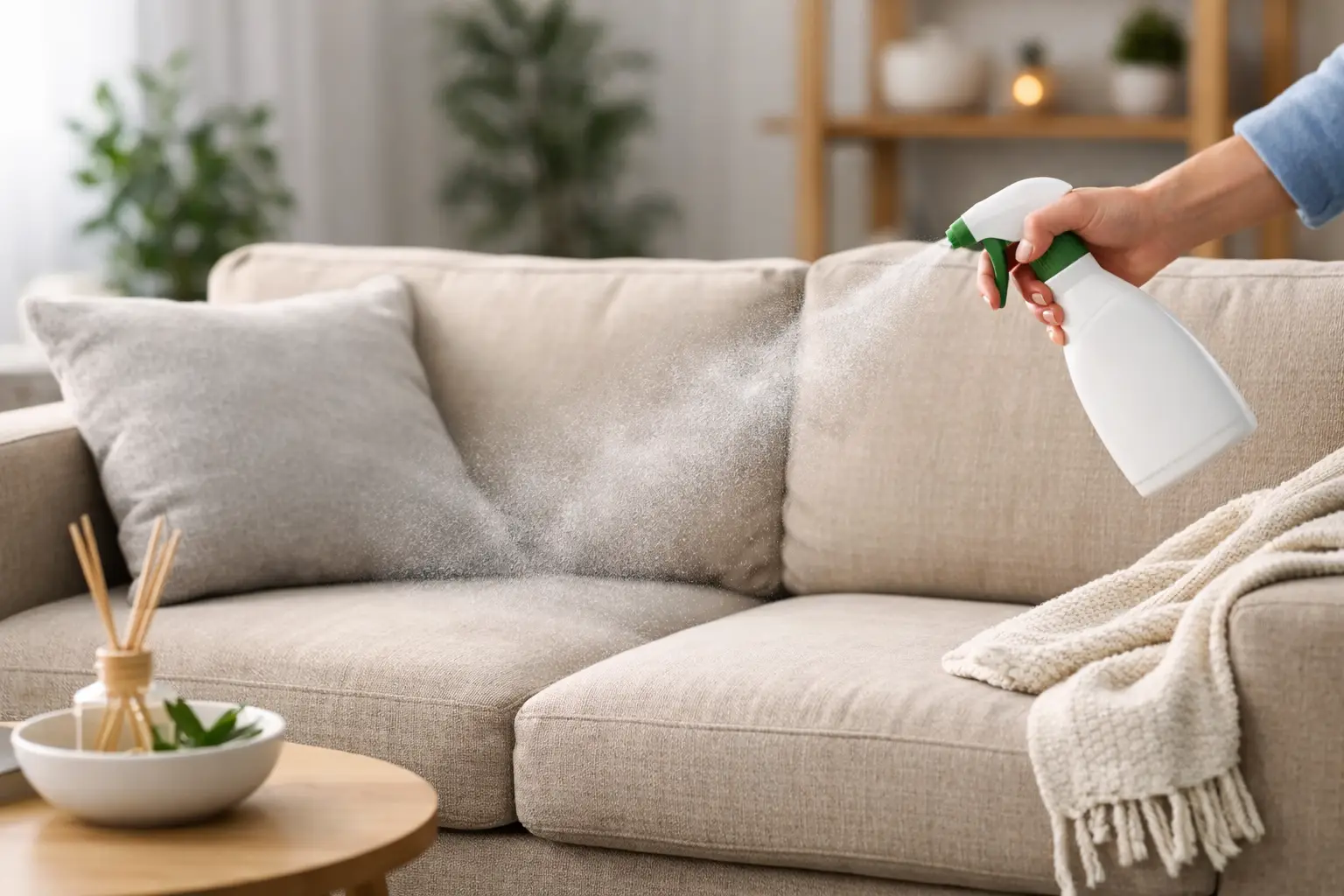
Once the test area looks good, mist the fabric lightly and evenly from a short distance. Focus on the cushion tops, arms, headrests, and areas where pets sleep or people tend to lounge. Do not forget removable pillows, which are often carrying their own private odor lore.
Let the couch air dry with windows open or fans running when possible. Fresh airflow helps odors dissipate and prevents moisture from hanging around. If the smell remains after drying, repeat lightly or investigate whether the issue has seeped beneath the upholstery.
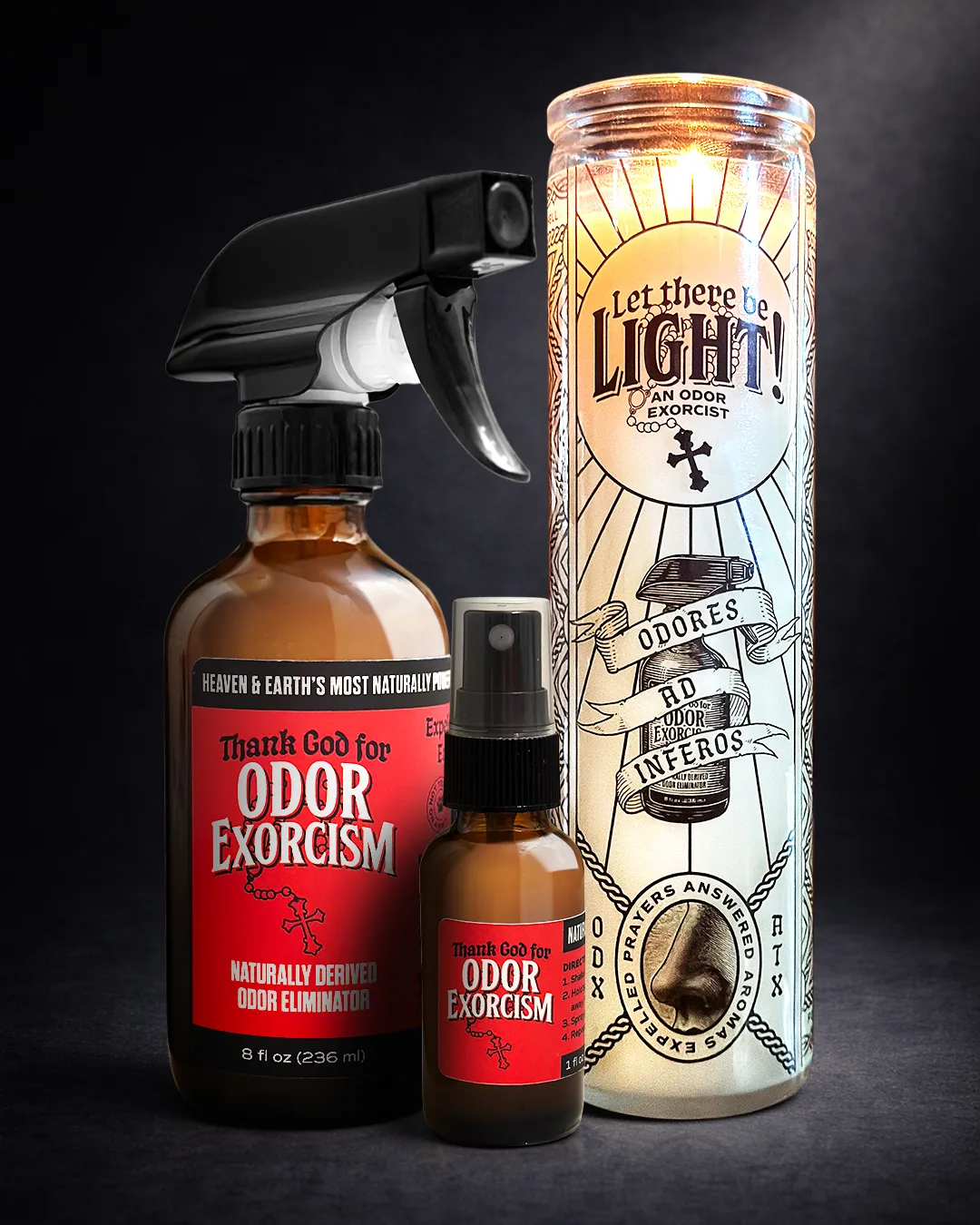
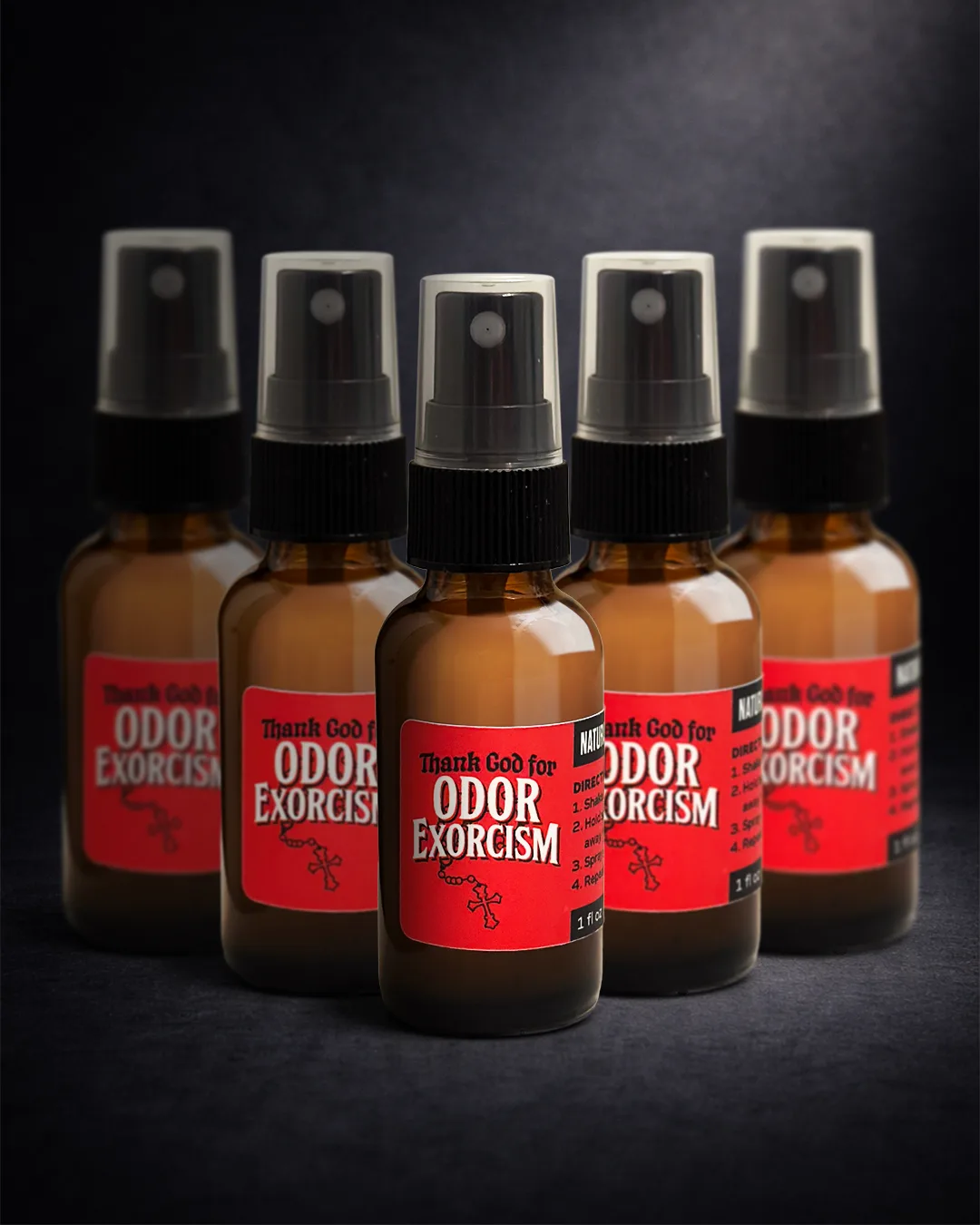
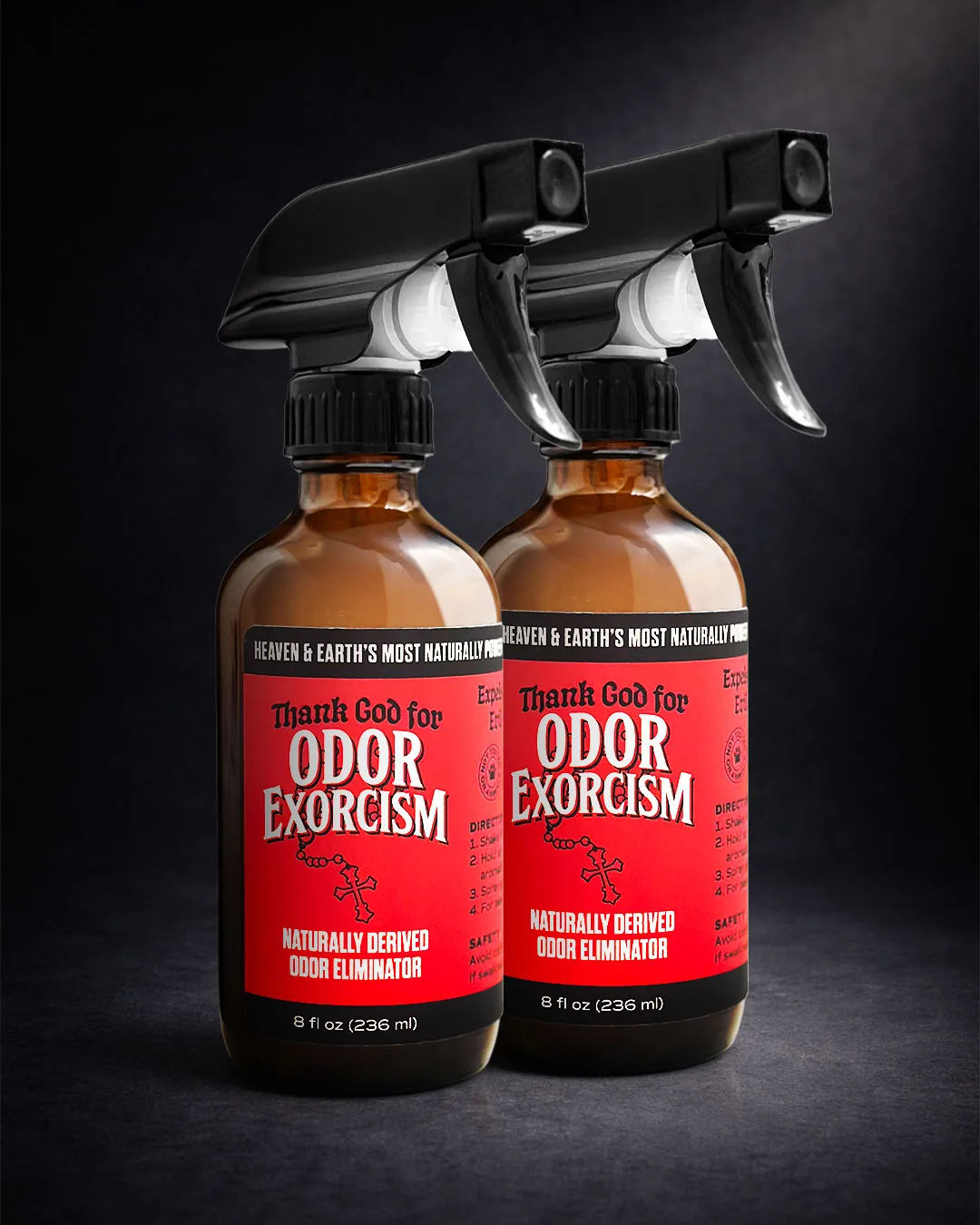
Odor Exorcism is made for this kind of everyday fabric funk: a naturally derived, essential-oil-based spray that neutralizes bad smells without turning your living room into a synthetic fragrance ambush. Use it as a regular refresh between deeper cleanings, especially after guests, pets, rain-soaked jackets, or a weekend when the couch worked overtime.
The Couch Odor Mistakes That Keep the Funk Alive
Spraying Over Dirt
An odor spray is not a substitute for vacuuming, blotting spills, or removing pet hair. If grime is still embedded in the fibers, the smell may return as soon as the scent fades. Think of spray as the finishing move, not the entire action movie.
Using Too Much Product
More is not always holier. Overwet upholstery can dry slowly, leave residue, and create a musty problem. A fine, even mist is usually the move.
Ignoring the Cushions and Underlayers
If one seat smells worse than the others, unzip the cover only if the manufacturer allows it and inspect the cushion insert. Smell the foam, the underside, and the area beneath it. A hidden spill can haunt the couch long after the visible evidence has vanished.
Treating Smoke Like a Minor Smell
Smoke can settle into fabric, padding, curtains, rugs, and walls. A couch spray can refresh upholstery, but heavy or long-term smoke odor often requires a whole-room cleaning plan. Otherwise, your sofa is being blamed for sins committed by the drapes.
When a Spray Is Enough and When It Is Not
For everyday stale fabric, pet bedding odor, light food smells, and the general aftermath of actual life, regular vacuuming plus a fabric-safe odor eliminator can keep the couch civilized. This is especially useful for renters, apartment dwellers, and households where the living room has become an office, snack bar, pet lounge, and family command center.
But some odors are a sign to pause. Mustiness that returns quickly can point to trapped moisture, a damp cushion, or an indoor humidity issue. Strong urine odor may require targeted cleaning below the surface. If you see mold, extensive staining, or water damage, do not keep adding fragrance and hoping for a miracle. Address the moisture source and consider professional help.
Leather, suede, velvet, silk, vintage upholstery, and untreated natural fibers deserve extra caution. A product that works beautifully on a durable polyester couch may not be right for delicate materials. Read the furniture care instructions, spot test, and use the lightest possible application.
Keep the Living Room From Summoning New Odors
The easiest couch odor to remove is the one that never gets the chance to move in. Vacuum weekly if you have pets or kids, and every couple of weeks if your household is quieter. Wash removable throws and pillow covers regularly. Keep wet towels, gym clothes, and damp outerwear off the upholstery, no matter how convincingly someone claims they will “grab it later.”
Open windows when weather allows, run ventilation while cooking, and give cushions a little air now and then. If pets have a favorite couch corner, place a washable blanket there. It is not glamorous, but neither is trying to deodorize an entire sectional after your dog has made it their personal monastery.
Your couch does not need to smell like a perfume counter to feel clean. It needs clean fibers, dry cushions, decent airflow, and an odor-fighting spray that sends everyday funk back to the underworld where it belongs.