Natural spray for couch cushions that works
Evangelize


July 15, 2026
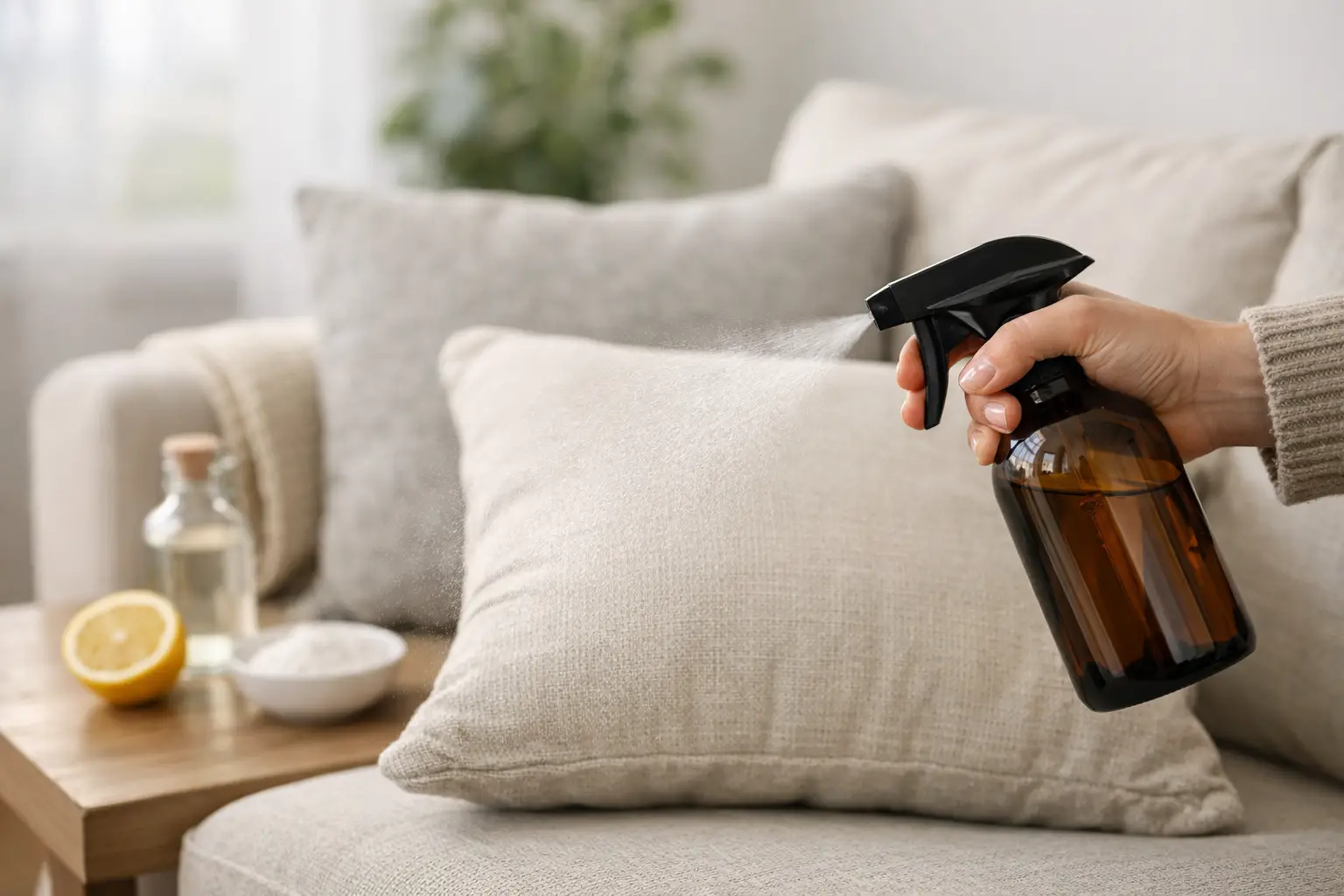
Your couch has seen things. Movie-night popcorn, wet-dog naps, gym-bag drop-offs, mystery crumbs, and the slow, swampy funk that appears when a room stays closed up too long. A natural spray for couch cushions can help send that upholstery demon packing, but only if it deals with odor at the source instead of throwing a perfumed sheet over the crime scene.
That distinction matters. Plenty of sprays make a cushion smell like synthetic lavender for 20 minutes, then the original odor crawls back out of the shadows. The right formula helps neutralize the bad smell while leaving your living room smelling clean, not like a candle aisle lost a bar fight.
Why Couch Cushions Hold Onto Odor
Cushions are odor sponges with decorative throw pillows. Fabric fibers catch the tiny particles left behind by sweat, skin oils, food, pet dander, smoke, and dampness. Foam inserts can hold onto those smells even longer, especially in apartments with limited airflow, homes with pets, or family rooms that get used like a full-contact sport.
The culprit is not always obvious. A couch can look perfectly respectable while smelling vaguely like old takeout, damp laundry, or a dog who has made questionable life choices. If a cushion smells worse when you sit on it, warm it up, or fluff it, that is a strong sign the odor has settled into the fabric or fill.
A fragrance-heavy air freshener may cover the evidence briefly, but it does not necessarily address what is clinging to the cushion. That is why a spray designed to neutralize odor is more useful than one built only to perfume the room.
What to Look for in a Natural Spray for Couch Cushions
“Natural” is a nice word, but it is not a magic spell. Read the label and look for a formula that clearly explains what it does, where it can be used, and whether it is intended for soft surfaces. A quality odor eliminator should be made for upholstery and should not leave behind a sticky, oily, or heavily scented residue.
Naturally derived odor-neutralizing ingredients and essential-oil-based scent profiles can be a better fit for ingredient-conscious households than a blast of unnamed synthetic fragrance. That does not mean every plant-derived ingredient is automatically right for every person, pet, or fabric. Sensitive noses, allergy concerns, and delicate materials still deserve caution. Clean living does not require reckless spraying while chanting at the sectional.
Look for a spray with these practical traits:
- It is labeled for upholstery or fabric surfaces.
- It neutralizes odors rather than only masking them.
- It dries without leaving cushions crunchy, greasy, or water-ringed.
- It has a scent level you can actually live with in a small room.
- It provides clear directions for testing colorfastness first.
The strongest scent is not the strongest solution. In fact, if your couch smells like a perfume counter after treatment, you may have traded one annoyance for another.
How to Freshen Couch Cushions Without Creating a Bigger Mess
Before spraying anything, remove loose debris. Vacuum the cushion surface, seams, and crevices with an upholstery attachment. This step is profoundly unglamorous, but crumbs, pet hair, and dust can keep feeding the odor problem. You cannot exorcise what you refuse to uncover.
Next, check the couch care tag. Many upholstered pieces include cleaning codes, often W, S, WS, or X. A W-coded fabric generally permits water-based cleaning. An S code calls for solvent-based products. WS may allow either, while X usually means vacuuming only or professional cleaning. If the tag is missing, check the manufacturer’s care guidance before you go rogue on a vintage velvet sofa.
Always spot-test first
Choose a hidden area, such as the back edge of a cushion or the underside of a removable cover. Lightly apply the spray, let it dry completely, and check for color change, watermarking, stiffness, or residue. This is especially important with velvet, silk, suede, linen, wool, untreated cotton, and richly dyed fabrics.
If the test area looks normal, hold the bottle several inches from the cushion and mist lightly and evenly. Do not soak it. A couch cushion is not a houseplant, and drenching it can push moisture into the foam, where musty odors may decide to start a sequel.
Let the cushion air-dry with good ventilation. Open windows if weather allows, run a fan, or separate removable cushions so air can circulate around both sides. Keep pets and people off the cushion until it is dry. For stubborn odors, a second light application after drying is usually smarter than one aggressive, soggy round.
Match the Fix to the Smell
Not every couch odor has the same origin, so not every situation calls for the same level of effort. A stale, lived-in smell often responds well to vacuuming, a light odor-eliminating spray, and fresh airflow. Pet odor may need repeated treatment, particularly in the favorite nap zone. If the cover is removable and washable, laundering it according to its care label can make the spray treatment more effective.
For food spills, urine, vomit, or other biological messes, act fast. Blot first with a clean cloth. Do not scrub the spill deeper into the fibers. A natural odor spray can help with lingering odor after cleanup, but it is not a substitute for properly removing the original mess. If the stain or smell has penetrated the foam, you may need a deeper upholstery cleaning or professional help.
Smoke is its own beast. One smoky jacket tossed on the couch may be manageable. Long-term cigarette smoke, fireplace residue, or heavy cooking odors can settle into the padding, curtains, rugs, and walls. Treating only the cushions may improve the room, but it may not banish the entire haunted-house atmosphere. Use the spray as part of a broader reset: wash throws, vacuum rugs, clean hard surfaces, and get fresh air moving.
Common Mistakes That Let the Funk Win
The most common mistake is overspraying. More product does not always mean more odor removal. Too much liquid can create dampness, leave a residue, or make a cushion take forever to dry. A fine mist is usually enough to cover the surface without saturating it.
Another mistake is treating the cushion while ignoring its surroundings. If the throw blanket, pet bed, rug, and pile of shoes beside the couch all smell questionable, the cushion will keep getting reintroduced to the same odor party. Freshen the whole zone, not just the most obvious victim.
Finally, do not use an odor spray to disguise a cleaning problem that needs actual cleaning. Moldy smells, recurring urine odors, or a persistent sour scent after drying can signal moisture deep in the upholstery. That calls for investigation, not another cloud of fragrance.
A Better Couch-Freshening Routine
For everyday maintenance, vacuum your couch every week or two, especially if you have pets, children, or a snack habit that belongs under federal investigation. Rotate and fluff cushions so one spot does not absorb every nap, spill, and sweaty afternoon. Use a natural odor eliminator when the fabric starts to smell stale, after guests leave, or whenever your dog has clearly declared the chaise their personal kingdom.
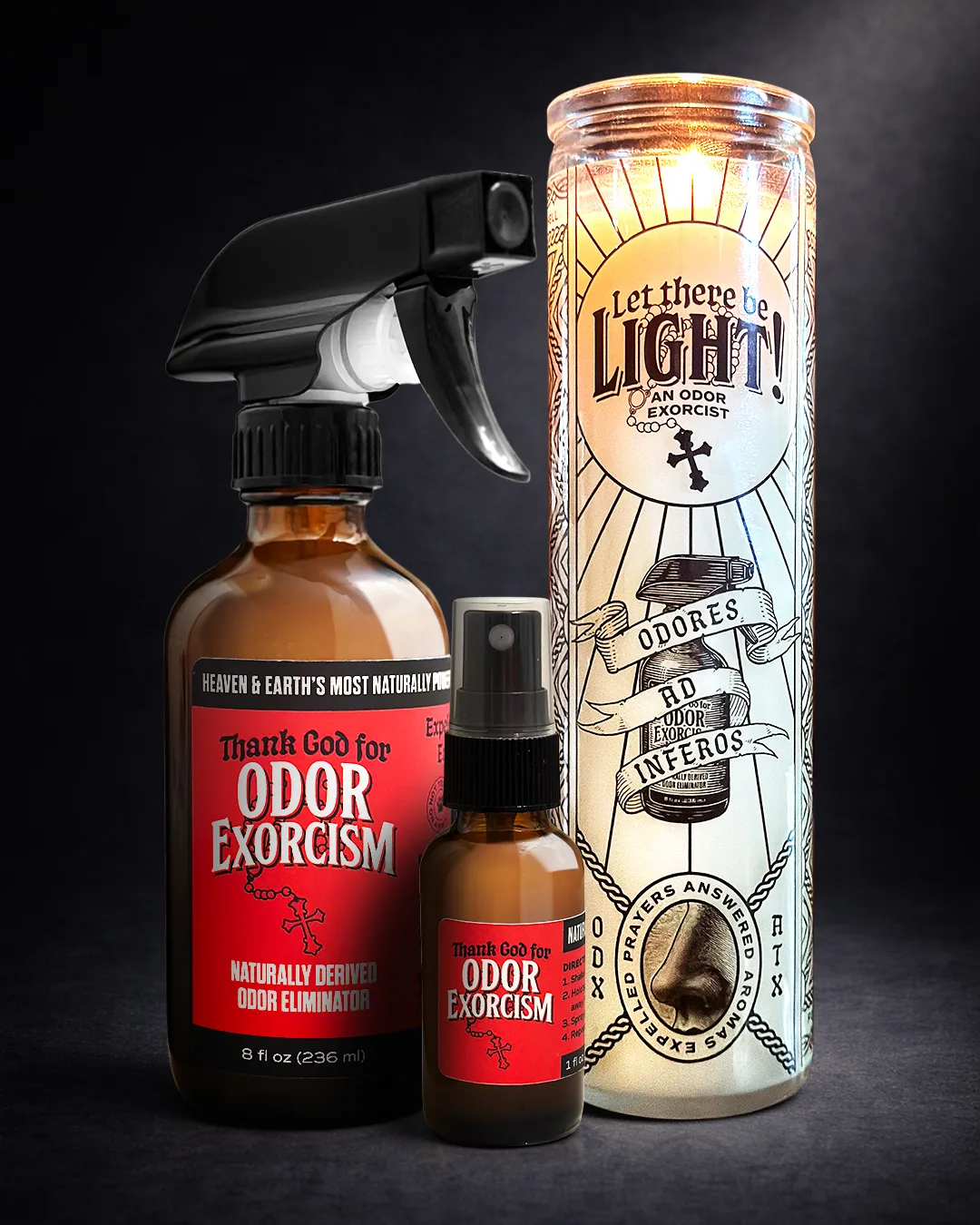
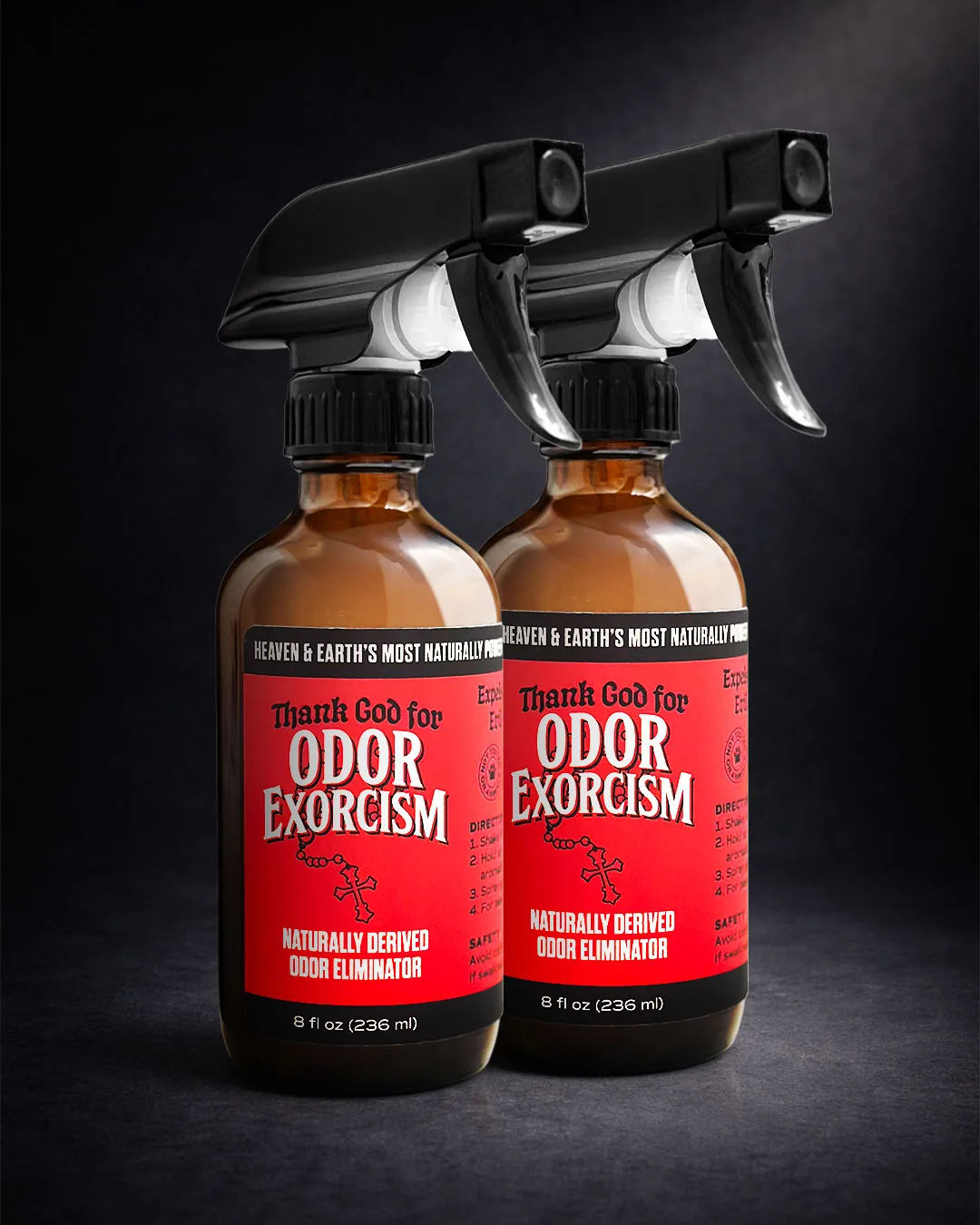
Odor Exorcism is made for this kind of real-life upholstery chaos: a naturally derived spray that helps neutralize bad smells on contact without relying on a synthetic-fragrance fog machine. Use it lightly, let the fabric dry, and enjoy a couch that smells like a home again, not an abandoned basement with decorative pillows.
Your sofa does not need to smell like flowers to smell clean. It just needs the old funk gone, the air moving, and a little routine before the next demon – probably wearing muddy paws – claims its seat.