Is odor eliminator safe for pets?
Evangelize


June 21, 2026
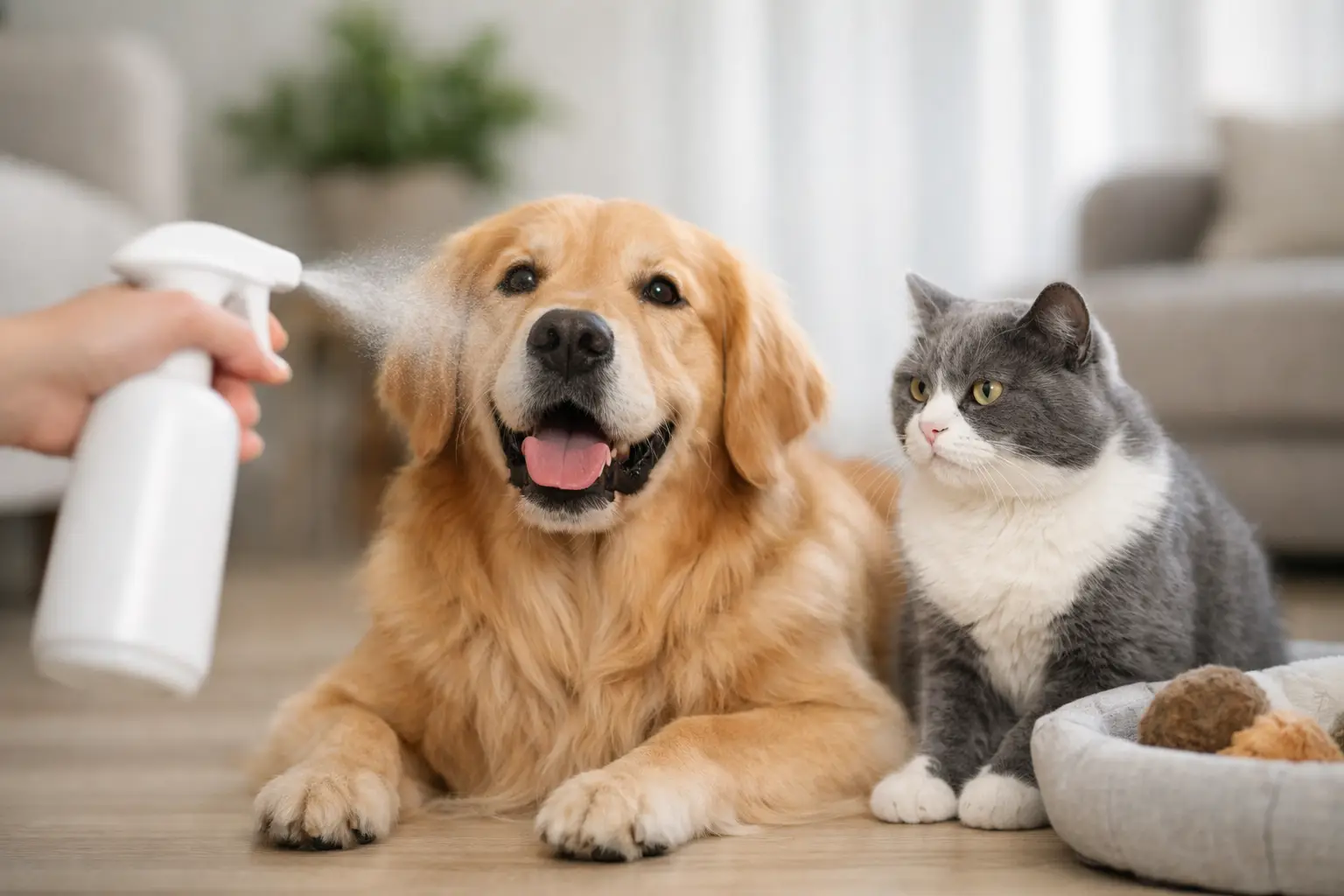
Your dog face-plants into the rug. Your cat claims the couch as a throne. Then you spot the spray bottle and the question hits: is odor eliminator safe for pets, or are you about to fumigate Sir Barks-a-Lot in the name of freshness?
Fair question. Pets do not use products the way humans do. They lick floors, nap on blankets, groom their fur after rolling on upholstery, and put their noses directly into whatever you just sprayed. That means a product can smell fine to you and still be a bad idea for the small chaos goblin living in your house. The answer is not a dramatic yes or no. It depends on the formula, how you use it, and whether the product actually eliminates odors or just dumps a perfumed cloud over the problem and calls it a miracle.
So, is odor eliminator safe for pets?
Sometimes, yes. Sometimes, absolutely not. The label is where the ghosts reveal themselves.
A pet-safe odor eliminator should be non-toxic when used as directed, free from harsh solvents, and made without the kind of heavy synthetic fragrance load that can irritate sensitive noses and skin. Pets are lower to the ground, closer to treated fabrics and floors, and far less interested in respecting dry time. If a spray leaves behind irritating residue or strong airborne chemicals, they are usually the first ones to pay for it.
That does not mean every natural product is automatically blessed by the saints. Essential oils, plant extracts, and naturally derived ingredients can still be too strong, poorly formulated, or overused. Cats in particular can be more sensitive than dogs to certain compounds. So if someone tries to tell you that “natural” means “spray recklessly,” please escort that logic back to the underworld.
What actually makes an odor eliminator safer around pets
The biggest issue is exposure. A safer formula is one designed to neutralize odor without coating your home in ingredients that linger aggressively in the air or on surfaces.
Look for clear ingredient communication. If the brand acts like the formula is a state secret guarded by swamp demons, that is not reassuring. You want to know whether it uses harsh disinfectants, mystery fragrance blends, phthalates, or other ingredients commonly tied to irritation. Transparency matters because pet owners are not just freshening a room. They are treating the very places where paws, bellies, and whiskers live.
The method matters too. An odor eliminator that neutralizes smells is generally a smarter pick than a basic air freshener that masks odor with stronger fragrance. Masking products often rely on a bigger scent hit to overpower the stink. That may impress your human brain for five minutes, but for pets, especially those with sensitive respiratory systems, stronger fragrance is not always a gift.
Residue is another part of the haunting. If you spray bedding, carpets, pet areas, or upholstery, anything left behind should be safe once dry. That is especially important in homes with cats, puppies, or senior pets who spend a lot of time close to fabrics.
Ingredients and product types that deserve suspicion
If you are trying to decide whether an odor eliminator is safe for pets, start by being deeply judgmental of anything vague.
Products with overpowering synthetic fragrance can be a problem, especially in small spaces with poor ventilation. A scent that makes your eyes water is not a luxury experience. It is a red flag wearing perfume.
You should also be cautious with products containing bleach, ammonia, formaldehyde-releasing preservatives, or strong disinfecting agents unless they are specifically intended for a use case that requires them and are used exactly as directed. Those ingredients may be useful in certain cleaning situations, but they are not what most people need for everyday fabric and room odor control.
Essential oils need nuance. Some are commonly used in home products, but concentration, blend, application, and species all matter. Dogs and cats do not process compounds the same way humans do, and cats can be especially sensitive. That means a thoughtfully formulated spray used lightly on household surfaces is very different from applying concentrated oils directly, diffusing them nonstop in a tiny room, or soaking pet bedding with abandon.
In other words, the ingredient list is not a morality play where every natural ingredient is holy and every synthetic ingredient is possessed. The real question is whether the formula is balanced, clearly disclosed, and intended for household use around pets.
How to use odor eliminator around pets without making bad decisions
Even a gentler formula can become a problem if you use it like you are battling a sulfur demon in a cathedral basement.
Start with ventilation. Crack a window or give the room some airflow, especially if you are treating a larger area like a couch, carpet, or bedding. Let surfaces dry before your pet lounges, licks, or rolls on them. Dry time matters because wet product is a more direct exposure risk than a settled, dry surface used as directed.
Do not spray directly on pets unless the label explicitly says it is meant for that purpose. Household odor eliminators are generally for surfaces and air, not fur, paws, faces, or pet beds while the pet is currently occupying them like a tiny landlord.
Use the minimum amount needed. More is not better. More is just more. If a product truly neutralizes odor, you should not need to gas the entire room into submission.
And if your pet has asthma, allergies, a history of skin reactions, or is very young, elderly, or medically fragile, be extra careful. In those cases, test lightly in one area first and watch for signs of irritation.
Signs a product may not agree with your pet
Pets are not known for filling out incident reports, so you have to watch behavior.
If your dog or cat starts sneezing, coughing, drooling, pawing at the mouth, avoiding the treated area, developing watery eyes, or showing skin irritation after exposure, stop using the product and remove them from the area. If symptoms seem significant or continue, call your veterinarian. That is not being dramatic. That is basic stewardship of the furry goblin kingdom.
It is also smart to distinguish between a one-time sensitivity and a larger formula issue. Some pets are extremely reactive to fragrance of any kind. Others may be fine with a mild, well-formulated odor eliminator used on dry surfaces but react when a room is oversprayed.
Why pet owners often do better with odor eliminators than air fresheners
This is the part where the incense-scented frauds get side-eyed.
Many conventional air fresheners are built to cover bad smells, not solve them. So instead of removing the funk from litter-adjacent corners, dog beds, sneakers, couch cushions, or mystery blanket incidents, they layer fragrance over top and create that weird sweet-stale-cloud effect. You know the one. It smells like lavender fighting for its life in a gym bag.
A real odor eliminator works differently. It targets the smell itself, which usually means you can use less product and avoid turning your home into a synthetic fog chamber. For pet owners, that is often the better path. Less fragrance load, less residue anxiety, and less chance your pet has to marinate in the aftermath of a cover-up.
That is also why many ingredient-aware households look for naturally derived, non-toxic formulas instead of old-school aerosol drama. When the product is designed to neutralize odors on contact across soft and hard surfaces, it fits real life better than a perfume bomb ever will.
Is odor eliminator safe for pets if it contains essential oils?
It can be, but this is where common sense needs to stay fully conscious.
A finished household spray that uses essential oils in a controlled, diluted formula is not the same as using raw essential oils around pets. Concentration is the difference between reasonable and reckless. The species matters too. Cats are generally more sensitive, and birds are especially vulnerable to airborne irritants. If you have either, you should be more selective and more restrained.
The safest approach is simple. Choose products with transparent formulas, use them on surfaces rather than directly around your pet, allow drying time, and avoid overuse. If the company cannot clearly explain what is in the bottle and how to use it around animals, keep walking.
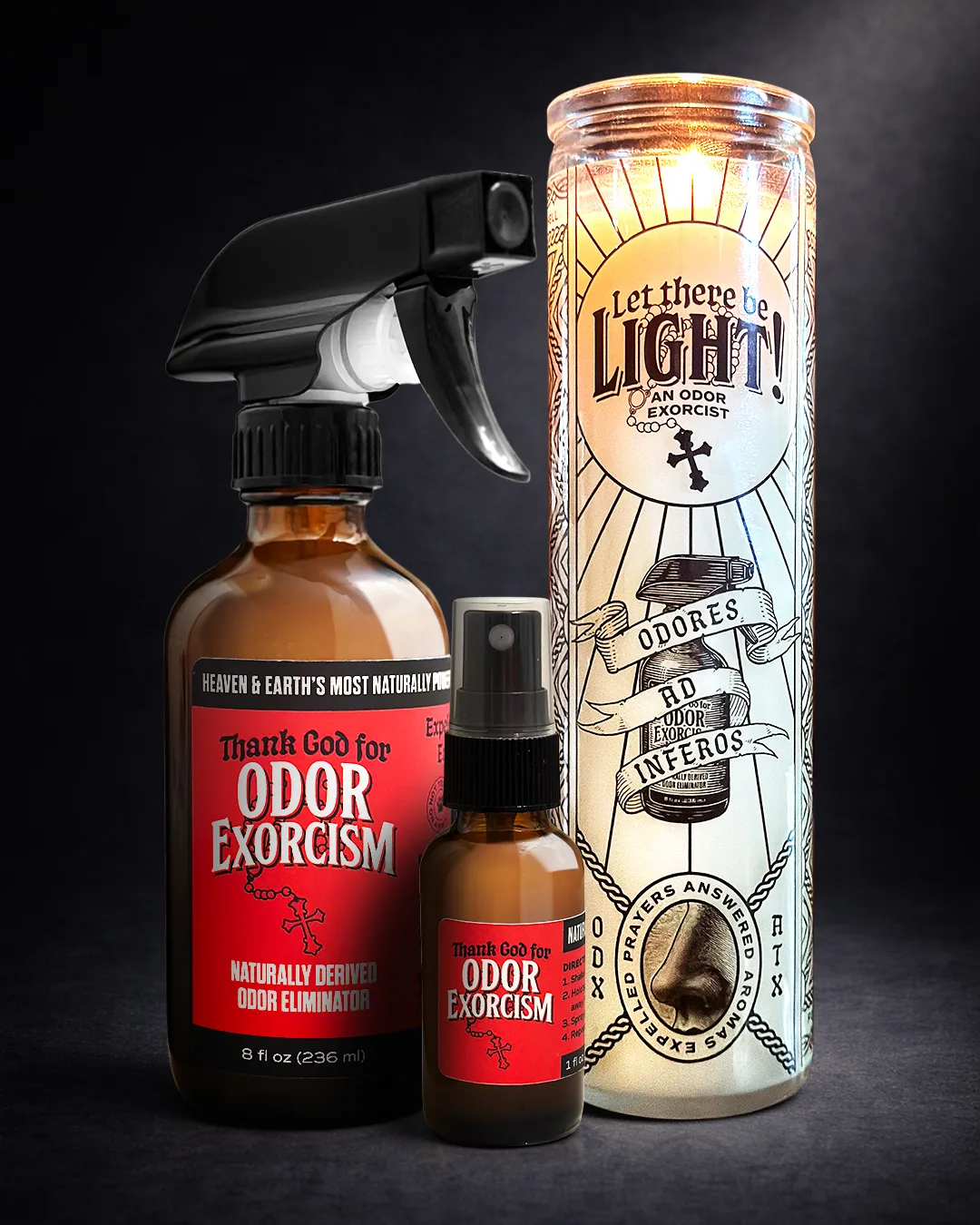
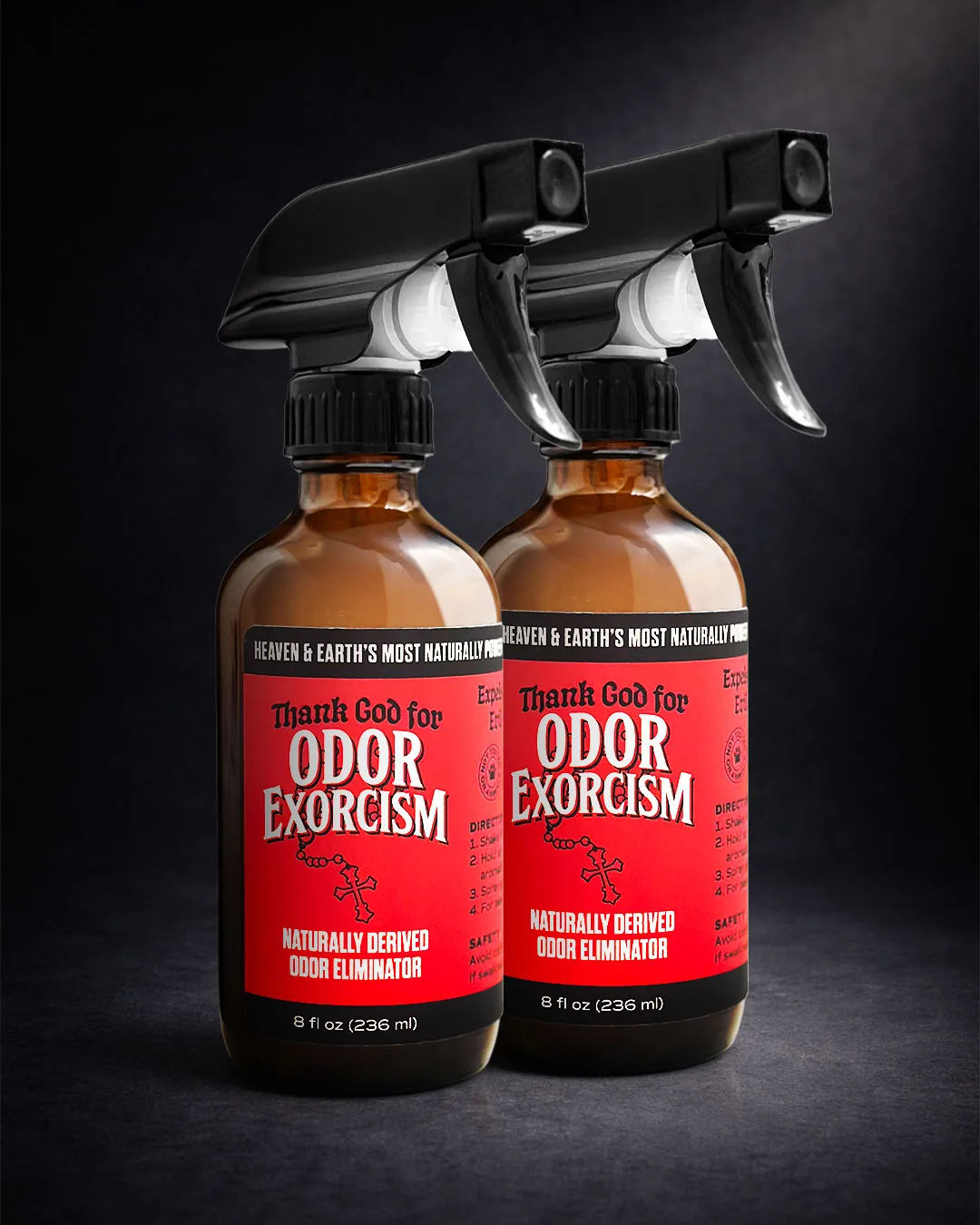
For households that want the funk gone without the chemical séance, a naturally derived spray from a brand like Odor Exorcism makes more sense than the usual grocery aisle fragrance exorcism gone wrong. But even then, smart use beats blind trust every time.
Living with pets means accepting a certain level of lovable chaos. A good odor eliminator should help you banish the smell without summoning a new problem. When in doubt, choose the gentler formula, use less than you think you need, and let the room breathe before your four-legged roommate returns to supervise.