What Absorbs Cooking Smells? 8 Things That Work
Evangelize



November 24, 2026
Burned garlic. Last night’s salmon. A heroic amount of bacon grease. If you’re asking what absorbs cooking smells, your kitchen has probably become possessed by a dinner that ended hours ago. The bad news: a cute candle and an open window may not be enough. The good news: you can evict most kitchen stink without filling your home with synthetic-fragrance fog.
Cooking odors are more than smells floating around in the air. Grease particles and odor-causing compounds settle on the stove, cabinets, walls, dish towels, curtains, upholstery, and the hoodie hanging on the chair. That is why a kitchen can smell fine for an hour, then suddenly resurrect the moment the room warms up.
What Absorbs Cooking Smells, Really?
A few household materials can absorb odor molecules, but the word “absorbs” gets used a little too generously. Some solutions trap particles. Some neutralize odor compounds. Some simply perfume the crime scene.
For a kitchen that actually smells clean, use a combination of ventilation, physical cleanup, odor-absorbing materials, and a true odor-neutralizing spray for the surfaces holding onto the evidence. One trick alone can help, but it depends on what you cooked, how long the smell has lingered, and whether grease got a chance to settle.
1. Activated charcoal traps odors well
Activated charcoal is one of the better passive options for stale kitchen air. Its porous surface gives odor molecules somewhere to cling, which makes it useful near trash cans, in pantries, under sinks, and in refrigerators.
It works slowly, though. A charcoal pouch will not defeat the ghost of fried fish five minutes after dinner. Think of it as ongoing odor control, not an emergency exorcism. Replace or refresh it as directed, because a saturated charcoal bag eventually becomes decorative gravel with a job title.
2. Baking soda helps in small enclosed spaces
Baking soda is a classic for refrigerators, cabinets, and trash areas. It can help with certain acidic odor compounds and is inexpensive enough to keep on hand.
Its limits matter. A bowl of baking soda on the counter is not a force field against a smoky kitchen. It has limited reach in a large room and does nothing to remove the greasy residue clinging to your range hood or cabinet doors. Use it where air is contained, then clean the surfaces where the odor actually lives.
3. White vinegar can reduce lingering odors
White vinegar has a sharp smell of its own, but it can help cut through certain cooking odors, especially when used as part of cleaning. Wiping washable counters, cabinet fronts, and the exterior of appliances with a properly diluted vinegar solution may help remove residues that hold smells.
Some people simmer vinegar in water after cooking. It may make the room smell less like dinner eventually, but it also makes the room smell like warm vinegar for a while. That is a personal lifestyle choice, not a miracle cure. Never mix vinegar with bleach or other cleaning chemicals.
4. Fresh air is the fastest first move
Ventilation does not technically absorb smells, but it is one of the most effective ways to reduce them before they settle in. Turn on the range hood before cooking, not after the smoke alarm begins its solo career. Open windows on opposite sides of the home when possible to create cross-ventilation.
A range hood that vents outdoors is far more useful than one that merely recirculates air through a filter. If yours recirculates, clean or replace its filters regularly. A grease-loaded filter is basically a tiny museum dedicated to every meal you have made this month.
5. Dish soap removes the greasy odor layer
Many stubborn cooking smells are attached to oil, and oil needs cleaning rather than wishful thinking. Warm water and grease-cutting dish soap are excellent for the stovetop, backsplash, cabinet pulls, microwave interior, and the outside of the trash can.
Do not forget the less obvious offenders: splatter guards, oven knobs, the handle of the refrigerator, and the wall near the stove. If a surface feels even slightly tacky, it may be holding onto odor. Clean it first, then reassess before escalating to a stronger method.
6. Wash the fabrics that caught the fallout
Fabric is where cooking smells go to build a permanent vacation home. Kitchen towels, oven mitts, curtains, washable rugs, table linens, and clothing can all retain food odors long after the dishes are done.
Launder machine-safe items promptly, especially towels and sponges. For upholstery, dining chairs, rugs, and curtains that cannot take a full wash, treat the material according to its care instructions. Gentle odor-neutralizing products are particularly useful here because fabric does not need another layer of heavy perfume pretending everything is fine.
7. An odor-neutralizing spray handles settled smells
When cooking odor has landed on soft and hard surfaces, a spray designed to neutralize odors can be more practical than leaving bowls of powder around the room. Look for a formula that targets odor rather than masking it with an aggressive synthetic scent.
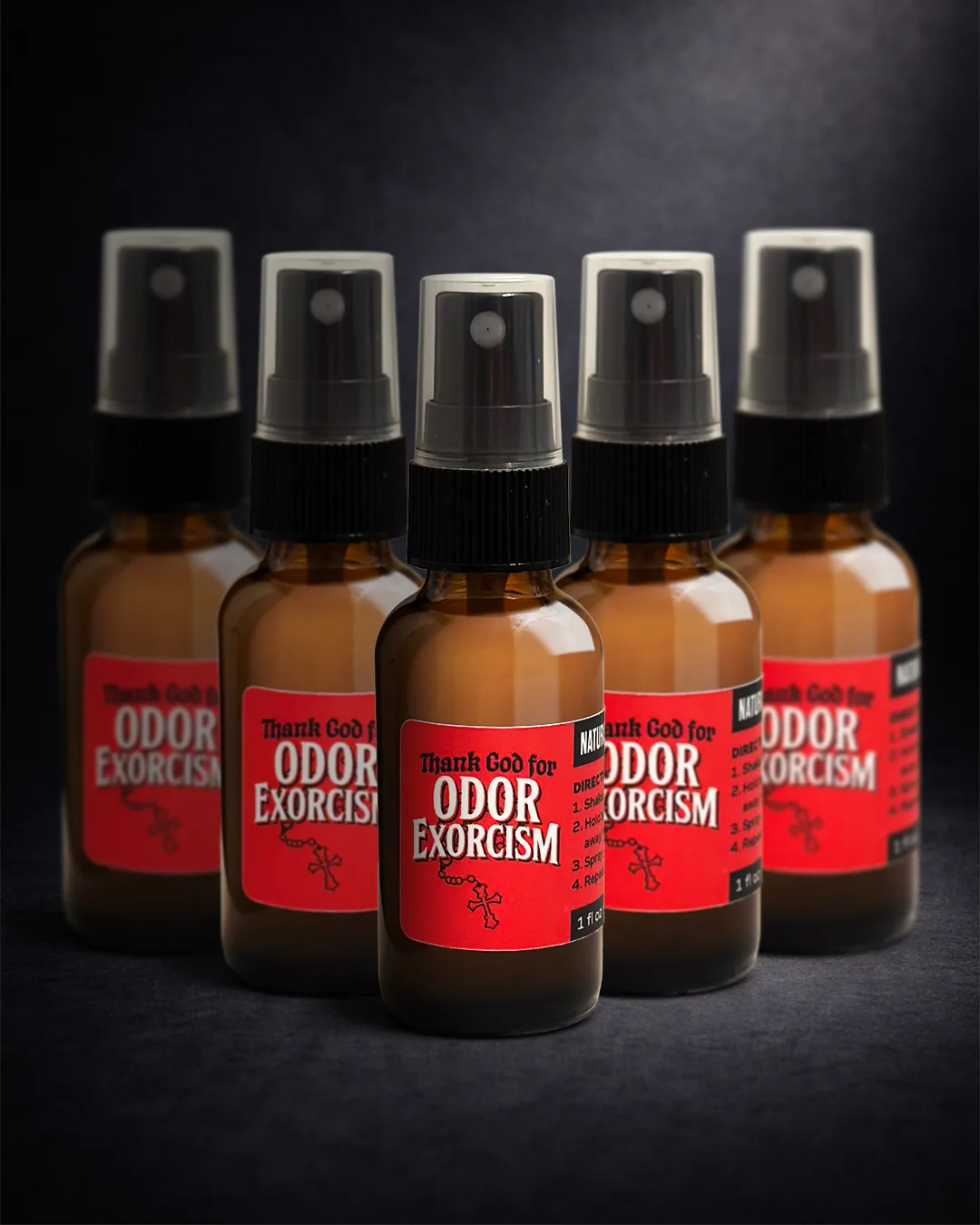
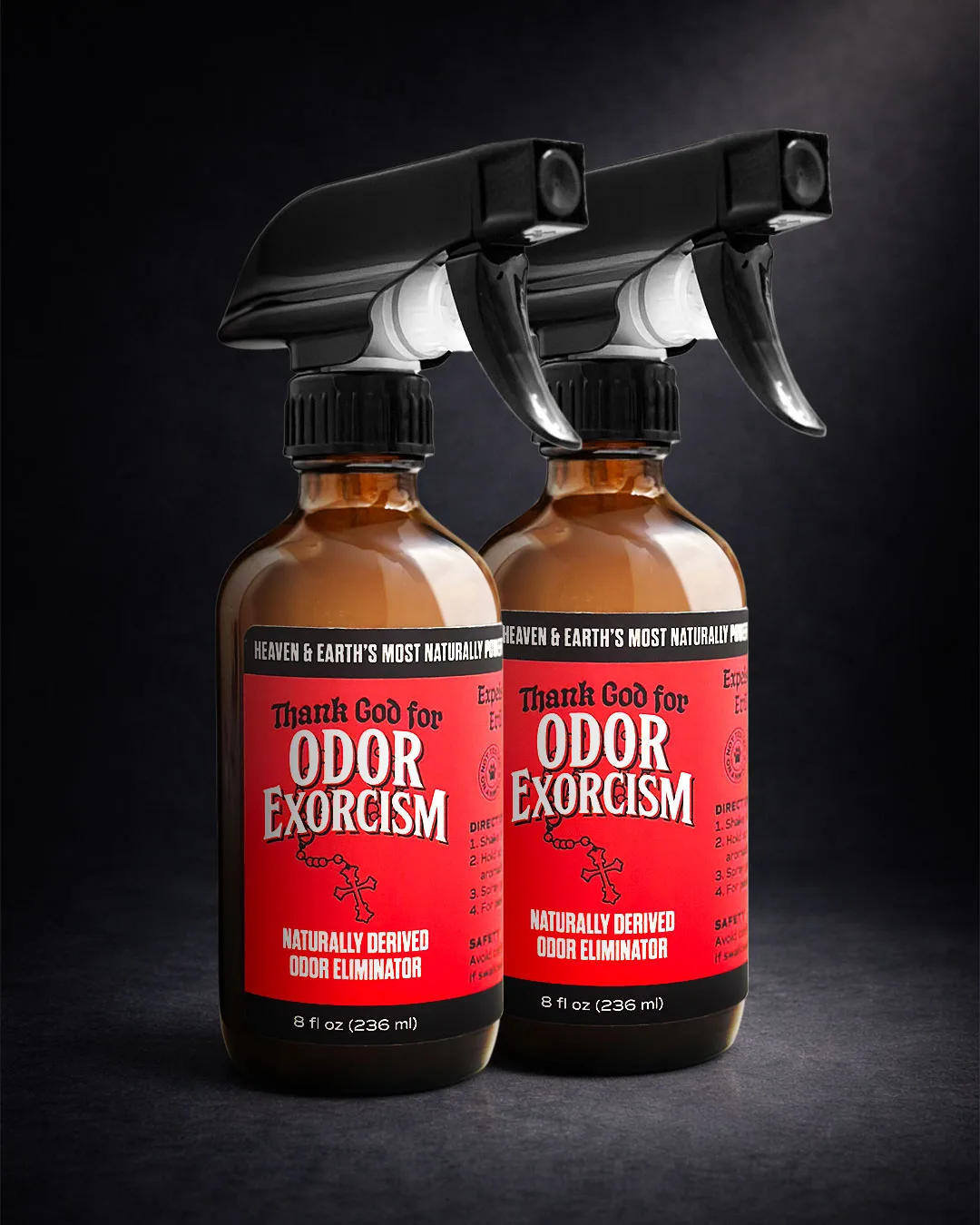
Odor Exorcism is made for this kind of domestic haunting: naturally derived, essential-oil-based odor elimination for surfaces such as upholstery, carpets, wood, plastic, shoes, and bedding. Use any product as directed and test a discreet area first, especially on delicate fabrics or finished wood. The goal is a home that smells like itself, not a department-store fragrance aisle after a bar fight.
8. Coffee grounds can help, but they are not magic
Dry, used coffee grounds are often suggested for odor control because they can absorb some odors in small spaces. They are most useful in a bowl near the trash or inside a fridge for a limited time.
Their own scent is strong, so they are not ideal if you hate your kitchen smelling like yesterday’s espresso and last night’s onions. Keep them dry, replace them frequently, and do not expect them to solve grease residue or stale fabric. Coffee grounds are supporting cast, not the demon slayer.
The Best Method Depends on the Cooking Smell
Fish, bacon, curry, popcorn, and burned food behave differently because their odor compounds and grease levels differ. Frying and searing create oily airborne particles, so surface cleaning and fabric care matter most. Boiled cabbage or strong spices may respond better to ventilation and a quick wipe-down, since the smell is more air-focused at first.
For a burned pan, deal with the source immediately. Take it outside if safe to do so, ventilate the space, and clean the pan once it has cooled. Leaving the charred culprit in the sink overnight is how a minor kitchen incident becomes an all-apartment haunting.
Trash is another repeat offender. Food scraps, grease-soaked packaging, and used sponges can keep releasing odors after every other surface is clean. Empty the bin, wash the inside and lid, let it dry fully, and use baking soda or charcoal nearby for maintenance.
What Usually Does Not Absorb Cooking Smells
Scented candles, plug-ins, and room sprays can make a kitchen smell like vanilla shrimp or lavender bacon. That is not odor removal. It is two unrelated smells fighting for custody of your nostrils.
Candles may create ambiance, and a pleasant scent can be welcome once the odor source is gone. But burning anything in an already smoky, greasy kitchen is not the first move. Address ventilation and residue first. Likewise, boiling citrus peels or spices can add a cozy aroma, but it does not remove the cooking film already sitting on surfaces.
Air purifiers can help with fine particles and, if they contain substantial activated carbon, some odor compounds. The trade-off is that compact units with small carbon filters have limited odor capacity. They are useful as part of a clean-air routine, not a substitute for cleaning the stove after frying onions into the next dimension.
A Fast Post-Cooking Odor Routine
After a particularly fragrant meal, act while the kitchen is still warm and before the smell settles. Run the hood, open a window, and remove the food scraps. Wash greasy cookware and wipe the stove, backsplash, and counters with a grease-cutting cleaner.
Then check the soft stuff: towels, rugs, chair cushions, and nearby clothing. Wash what can be washed and neutralize odors on suitable surfaces as needed. Put charcoal or baking soda near the trash, under the sink, or in other small odor-prone zones for backup.
The cleanest kitchen does not need to smell like a fake tropical storm. It should smell like air, food when food is being cooked, and blessed relief when dinner is over. Give the odor nowhere to hide, and even the fiercest garlic apparition will eventually find the light.